American Airlines Flies First U.S. eSAF Passenger Flight
American Airlines completed the first U.S. commercial flight using Infinium eSAF, a synthetic fuel that reduces lifecycle emissions by over 90%.
Aug 7, 20265 min

Environmental
Environmental aviation updates on sustainable fuel, carbon emissions, green technology, and regulatory developments affecting the industry.
American Airlines completed the first U.S. commercial flight using Infinium eSAF, a synthetic fuel that reduces lifecycle emissions by over 90%.
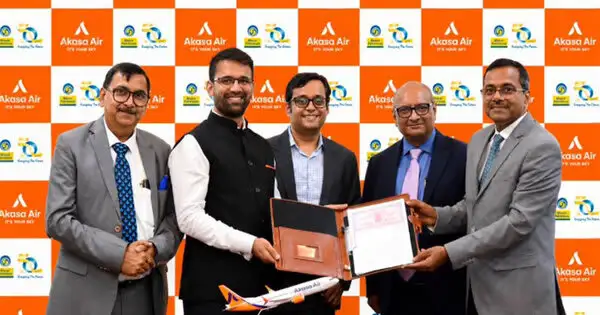
Akasa Air signed an MoU with BPCL to establish a SAF supply framework ahead of India's expected 1% blending mandate by 2027.
Delta Air Lines and Shell Aviation have signed a five-year agreement to supply Sustainable Aviation Fuel across five major U.S. hubs through 2030.

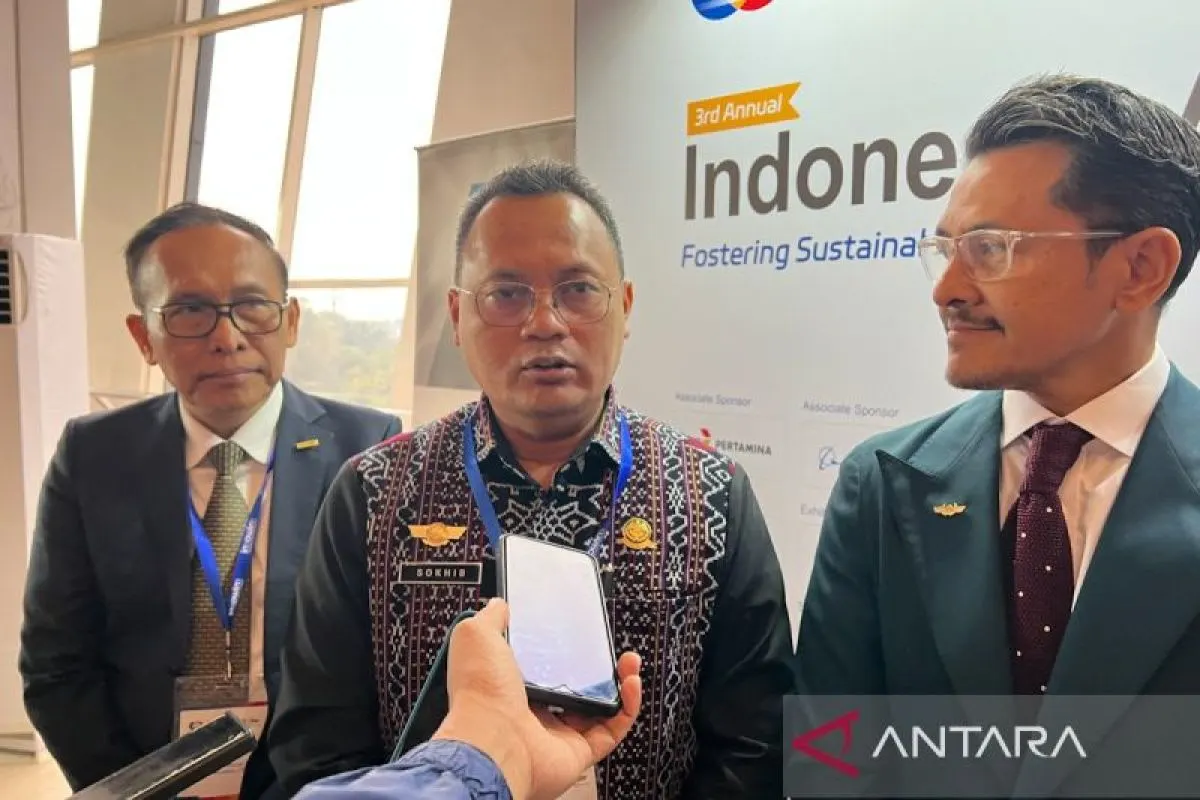
Indonesia will require a 1% Sustainable Aviation Fuel blend on international flights departing from Jakarta and Bali starting in 2027.
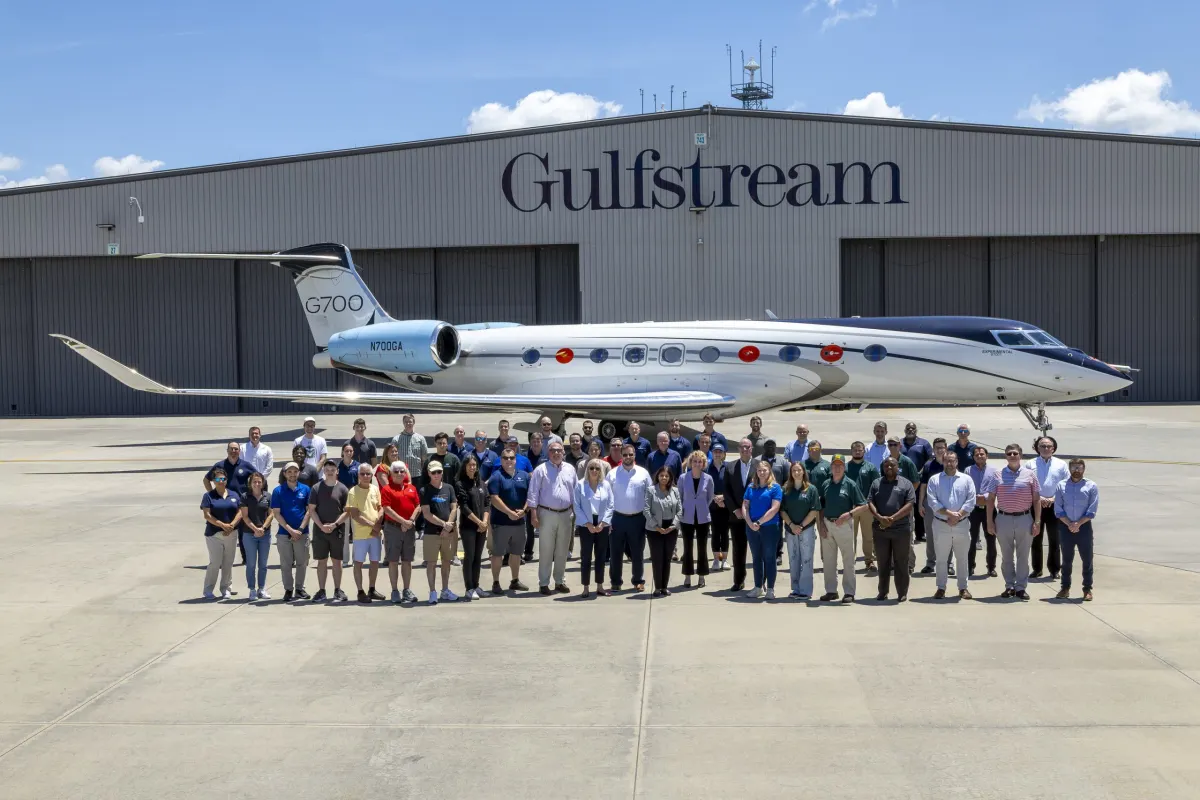
Gulfstream tested 100% SAF on a G800 at 50,000 feet to measure emissions, marking a key step toward certifying unblended synthetic fuels.
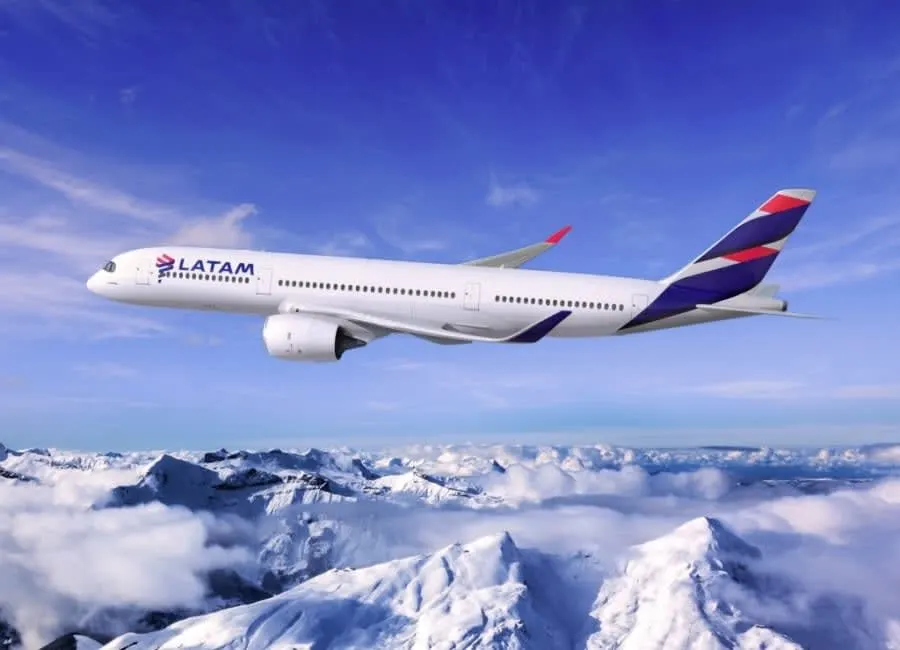
LATAM Airlines Group and PONANT completed 13 charter flights using SAF, reducing 160 tonnes of CO2 emissions via a book-and-claim methodology.
IATA reports 2026 sustainable aviation fuel production will hit only 2.4 million tonnes, covering just 0.8% of global demand and threatening climate goals.
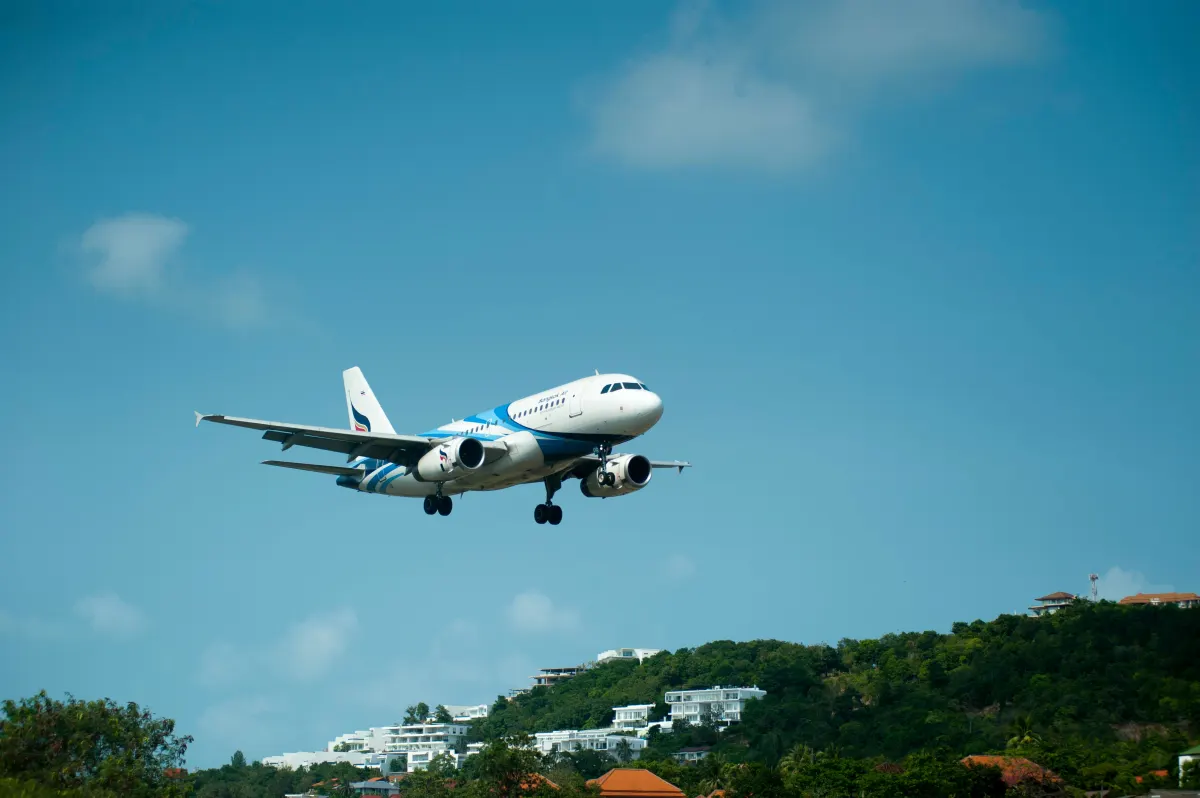
American Airlines and Google have signed a 35-million-gallon sustainable aviation fuel deal to reduce carbon emissions by 300,000 metric tons.

Global SAF production will reach 2.4 million tonnes in 2026, covering just 0.8% of airline needs at a $4.3 billion premium to the industry.
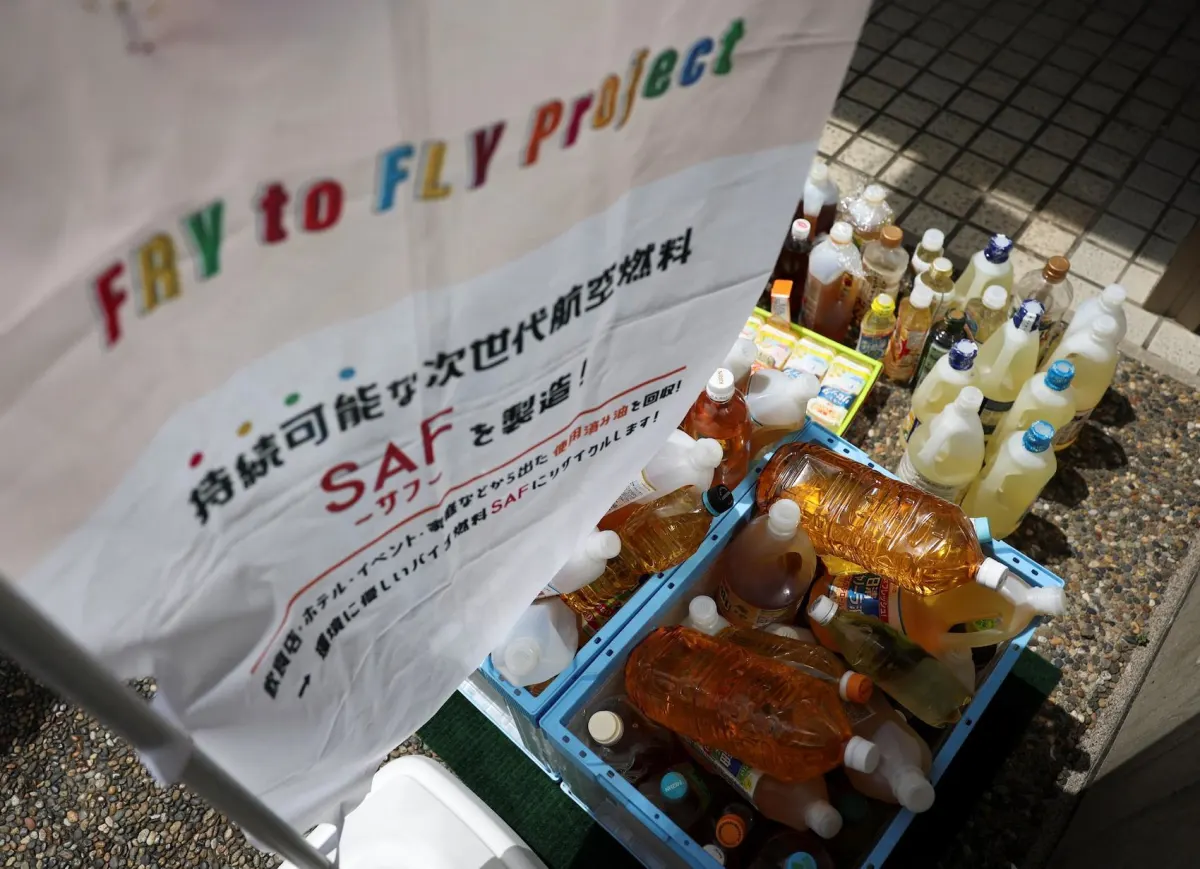
Japan is expanding the Fry to Fly project to secure domestic cooking oil for the 1.7 million kiloliters of SAF required for its 2030 blending mandate.
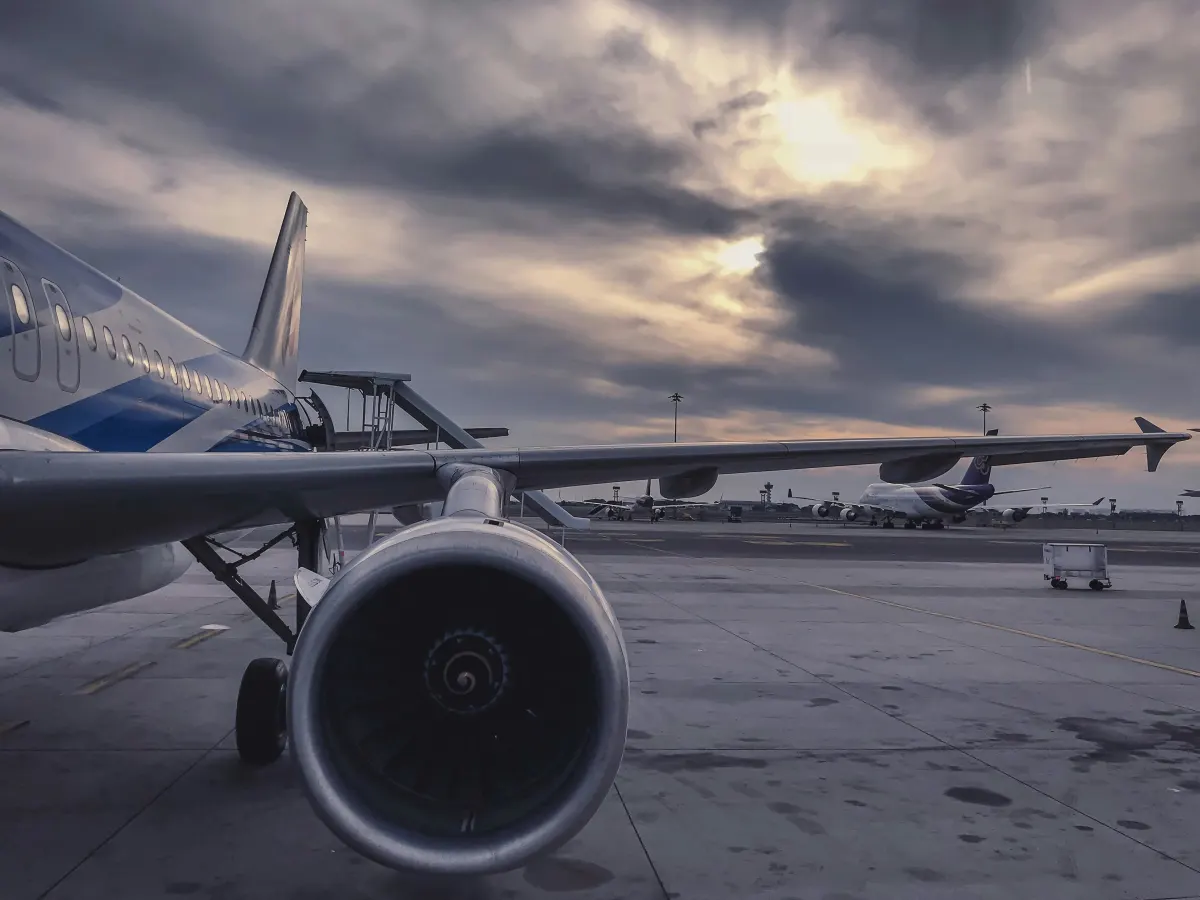
Malaysia Aviation Group cut 103,424 tonnes of CO2 in 2025 by deploying fuel-efficient Airbus A330neo and Boeing 737-8 aircraft across its network.
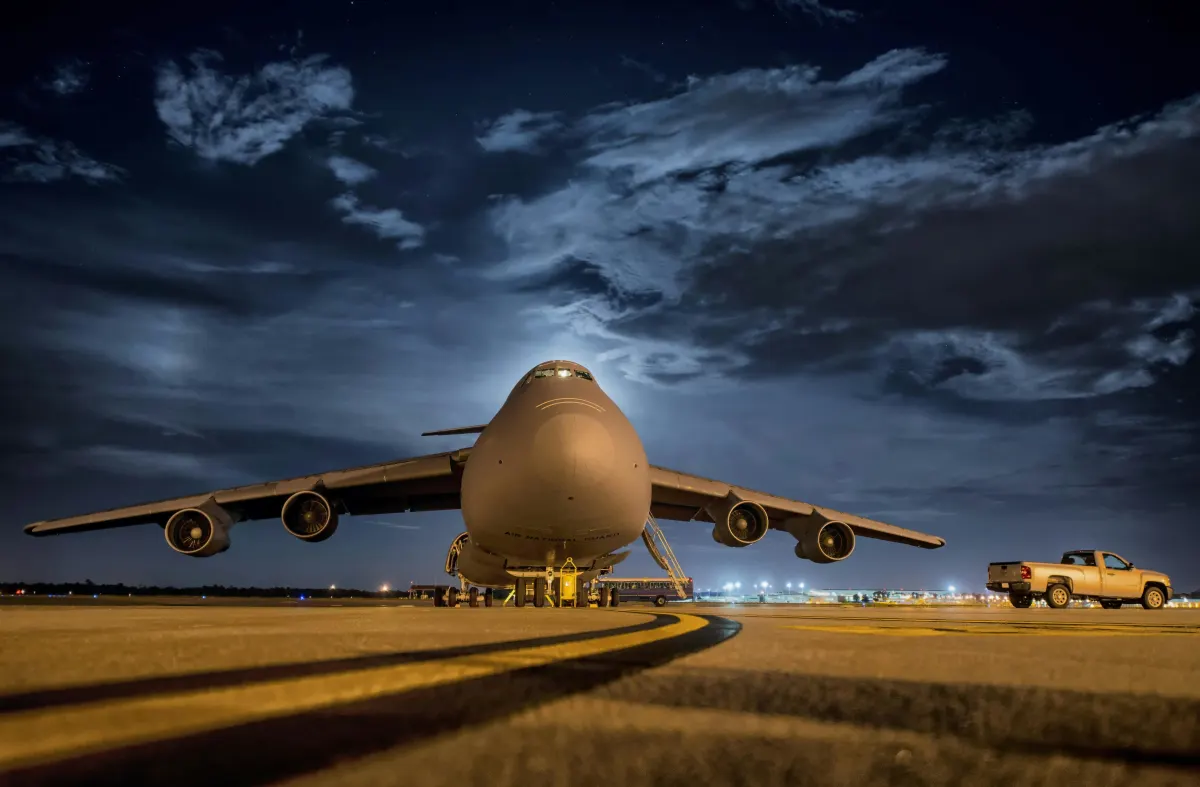
Lufthansa passengers offset over 710,000 metric tonnes of CO2 in 2025, with the airline doubling its share of permanent carbon removal projects.
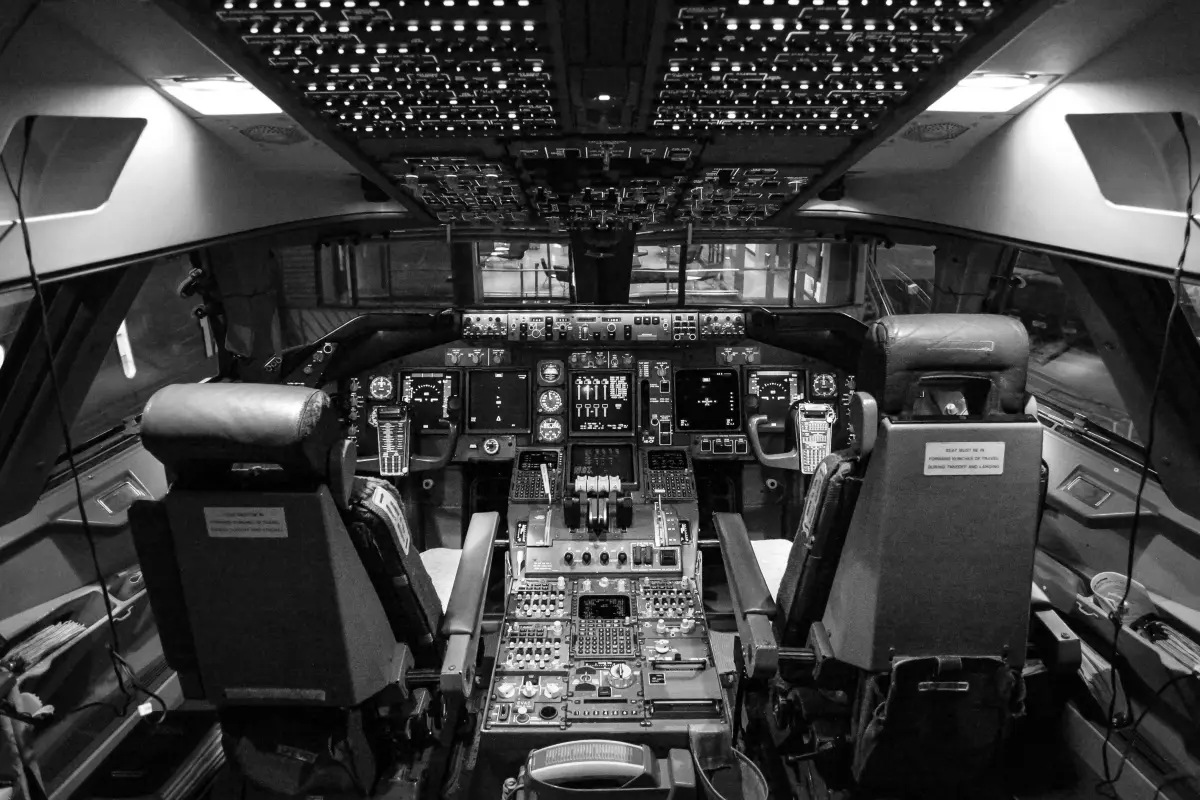
The Bahamas Aviation, Climate & Severe Weather Network showcased its real-time carbon credit platform to IPCC delegates in Nassau this week.

LanzaTech plans a €500M plant in Ghent, Belgium, to produce 79,000 tonnes of sustainable aviation fuel annually using Alcohol-to-Jet technology.
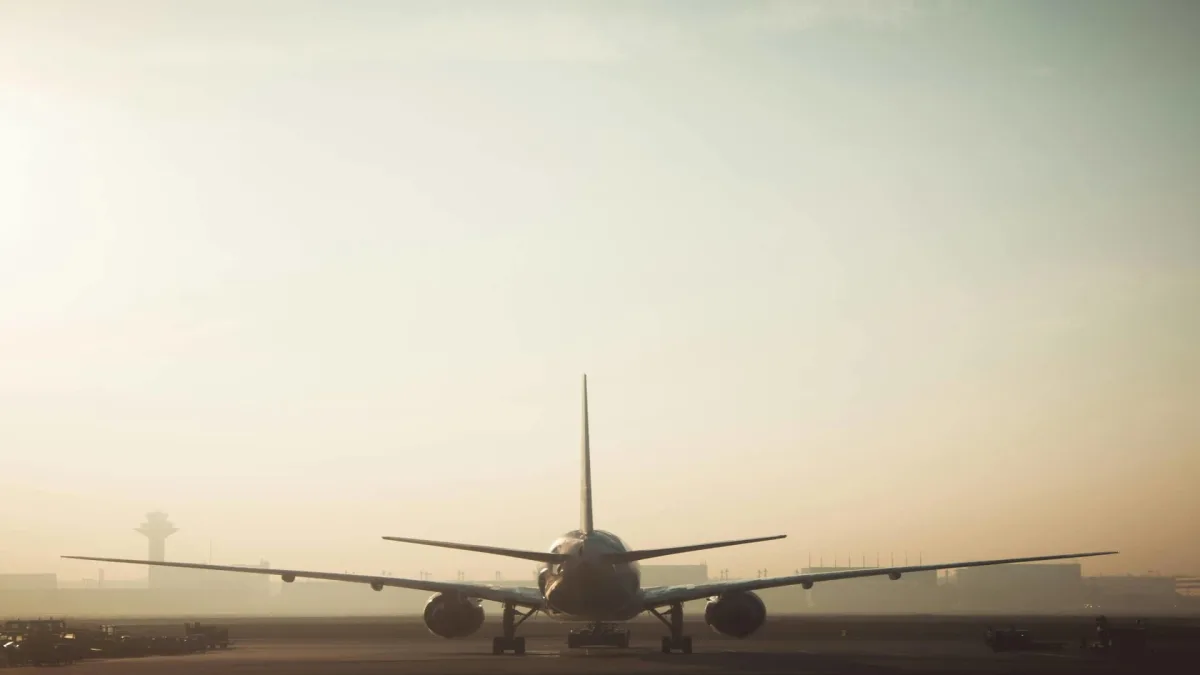
DHL Express will source 25,000 metric tons of SAF annually from SAF One's new Bahrain facility, with deliveries scheduled to begin in 2028.

Massport has launched a regional SAF hub, uniting over 130 stakeholders to accelerate sustainable aviation fuel production and use in New England.
DHL tripled its Sustainable Aviation Fuel use to 185 kilotonnes in 2025, becoming one of the top three global purchasers alongside IAG and Air France-KLM.
EcoCeres will build a 450,000-tonne sustainable aviation fuel facility in Dongguan, creating the Greater Bay Area's first full SAF supply chain.
Clean Planet Technologies has opened a world-first UK pilot plant to convert 1 tonne of plastic waste per day into Sustainable Aviation Fuel (SAF).
SAS warns of a looming European e-SAF shortage, stating a lack of production could cause a fuel shock and higher fares when EU mandates start in 2030.