LanzaTech Plans €500m Sustainable Fuel Plant in Ghent

Co-Founder & CEOAviation News Editor delivering trusted coverage across the global aviation industry.
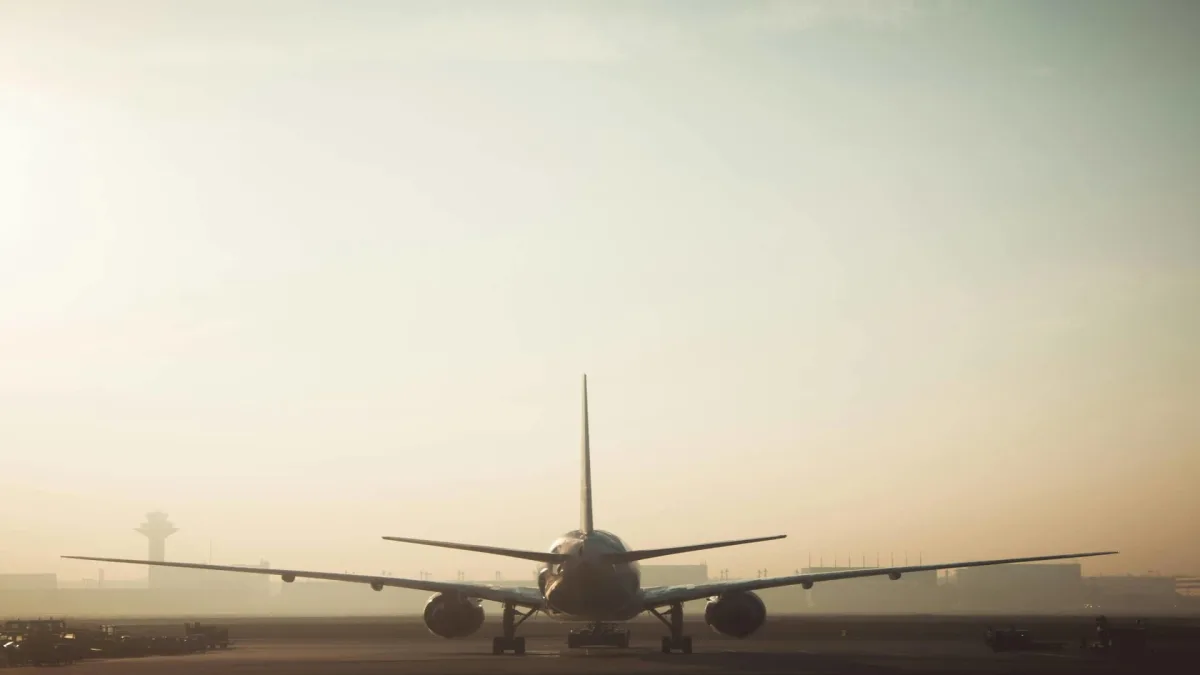
LanzaTech plans a €500M plant in Ghent, Belgium, to produce 79,000 tonnes of sustainable aviation fuel annually using Alcohol-to-Jet technology.
Key Takeaways
- •LanzaTech to build a €500M SAF plant in Ghent, Belgium.
- •Plant will produce 79,000 tonnes of SAF annually via ATJ.
- •Project supports EU's ReFuelEU Aviation blending mandates.
- •Facility is Europe's first commercial-scale Alcohol-to-Jet plant.
US-based clean technology firm LanzaTech has announced plans to invest €500 million in a new LanzaTech SAF plant in Ghent, Belgium. The facility, a key part of the FLITE consortium project (Fuel via Low carbon Integrated Technology from Ethanol), will produce Sustainable Aviation Fuel (SAF) using Alcohol-to-Jet technology. This development marks a significant step in scaling up European SAF production to meet regulatory mandates.
The plant is projected to produce 79,000 tonnes of SAF and 9,000 tonnes of renewable diesel annually. Located at the North Sea Port in Ghent, the project is expected to create approximately 50 permanent jobs and around 300 full-time equivalent construction jobs over a three-year period. This facility represents Europe's first commercial-scale plant utilizing the Alcohol-to-Jet (ATJ) pathway, a critical technology for diversifying SAF production beyond the more common HEFA (Hydroprocessed Esters and Fatty Acids) method.
Regulatory Drivers
The investment is strategically timed to align with stringent European environmental regulations. The European Union's ReFuelEU Aviation initiative mandates progressively increasing SAF blending quotas at EU airports, starting at 2% in 2025 and rising to 6% by 2030. This creates a guaranteed market for the Ghent plant's output. Furthermore, the fuel produced will comply with the Carbon Offsetting and Reduction Scheme for International Aviation (CORSIA), an international framework managed by the ICAO (International Civil Aviation Organization), ensuring its viability for global airline operations. The fuel will also be eligible for the UK's separate SAF mandate, opening up another key export market.
Strategic Location and Industry Impact
The choice of Ghent is highly strategic. According to Jennifer Holmgren, CEO of LanzaTech, the site's mature industrial ecosystem and proximity to existing infrastructure significantly de-risk the project. A key factor is the plant's co-location near ArcelorMittal's Steelanol facility, which captures waste carbon emissions from steel manufacturing and converts them into ethanol—a primary feedstock for the ATJ process. This integration creates a circular economy model, turning industrial waste into valuable low-carbon fuel.
For European airlines, the facility provides a new, significant source of locally produced SAF, essential for meeting their compliance obligations under ReFuelEU. The project also delivers a major economic boost to the Ghent region, with local construction and engineering firms set to benefit from the €500 million investment during the three-year construction phase.
Cas König, CEO of North Sea Port, stated that the FLITE project aligns with the port's 'Impact 2030' strategic plan, which focuses on sustainability and circular economy initiatives. The port's existing multimodal connectivity and fuel logistics infrastructure provide a solid foundation for the plant's operational success.
Technical Analysis
This project represents the maturation of Alcohol-to-Jet technology from a pioneering concept to a commercially scalable solution for aviation decarbonization. The technological viability was first proven at the LanzaJet Freedom Pines Fuels plant in Georgia, USA, which opened in January 2024 as the world's first commercial ethanol-to-jet facility. The Ghent plant will now apply this proven process at a larger scale in the European market, a crucial step for the industry.
The ATJ pathway is becoming increasingly important as the aviation sector faces challenges in meeting ambitious decarbonization targets. According to analysis from Capstone DC, the e-SAF (synthetic fuel) sub-targets within the ReFuelEU mandate are viewed as difficult to achieve in the near term due to a lack of commercial-scale production facilities. This elevates the importance of pathways like ATJ, which can utilize bio-based ethanol or ethanol derived from waste carbon, as a critical bridge technology to meet blending requirements through 2030 and beyond. The LanzaTech plant in Ghent is therefore positioned not just as a standalone project, but as a vital piece of infrastructure for the entire European aviation ecosystem's energy transition.
Project Timeline
The project is moving forward with a clear set of regulatory and financial milestones. LanzaTech is scheduled to submit its Environmental Impact Assessment (EIA) scoping notification to Belgian authorities in mid-2026. Following the environmental review process, a final Financial Investment Decision (FID) by the FLITE consortium is expected in late 2026 or early 2027. Subject to a positive FID and regulatory approvals, the facility is anticipated to become operational by the end of the decade, around 2029-2030.
Why This Matters
LanzaTech's investment in Ghent is more than a new industrial plant; it is a foundational piece of Europe's emerging SAF supply chain. The project demonstrates a viable, scalable model for producing low-carbon aviation fuel by integrating with existing industrial ecosystems. For airlines, it provides a tangible source of the SAF needed to comply with pressing regulations, while for the broader industry, it signals that advanced biofuel technologies are ready for commercial deployment in the fight against aviation's carbon emissions.
Frequently Asked Questions
- How much sustainable aviation fuel will the LanzaTech plant in Ghent produce?
- The facility is designed to produce 79,000 tonnes of Sustainable Aviation Fuel (SAF) and 9,000 tonnes of renewable diesel annually.
- What technology will the Ghent SAF plant use?
- The plant will use LanzaTech's proprietary Alcohol-to-Jet (ATJ) technology, which converts alcohols like ethanol into synthetic paraffinic kerosene, a drop-in sustainable aviation fuel.
- Why is the LanzaTech plant being built in Ghent?
- Ghent was chosen for its mature industrial ecosystem, multimodal logistics at North Sea Port, and strategic proximity to the ArcelorMittal Steelanol plant, which can provide ethanol feedstock from recycled steel emissions.
Stay ahead of the airline industry with commercial aviation news from omniflights.com. Discover how innovation is shaping aviation through aircraft systems, avionics, and digital tools at omniflights.com/technology.
Written by Hardik Vishwakarma
Co-Founder & Aviation News Editor leading initiatives that improve trust and visibility across the global aviation industry. Covers airlines, airports, safety, and emerging technology.
Visit ProfileYou Might Also Like
Discover more aviation news based on similar topics

American Airlines Flies First U.S. eSAF Passenger Flight
American Airlines completed the first U.S. commercial flight using Infinium eSAF, a synthetic fuel that reduces lifecycle emissions by over 90%.
Akasa Air Partners with BPCL to Advance SAF in India
Akasa Air signed an MoU with BPCL to establish a SAF supply framework ahead of India's expected 1% blending mandate by 2027.

Delta, Shell Aviation Ink 5-Year SAF Supply Agreement
Delta Air Lines and Shell Aviation have signed a five-year agreement to supply Sustainable Aviation Fuel across five major U.S. hubs through 2030.
Indonesia to Mandate 1% SAF Blend for Flights by 2027
Indonesia will require a 1% Sustainable Aviation Fuel blend on international flights departing from Jakarta and Bali starting in 2027.
Gulfstream G800 Completes 100% SAF High-Altitude Emissions Test
Gulfstream tested 100% SAF on a G800 at 50,000 feet to measure emissions, marking a key step toward certifying unblended synthetic fuels.
LATAM Airlines Operates First SAF-Linked Passenger Charters
LATAM Airlines Group and PONANT completed 13 charter flights using SAF, reducing 160 tonnes of CO2 emissions via a book-and-claim methodology.