Indonesia to Mandate 1% SAF Blend for Flights by 2027

Indonesia will require a 1% Sustainable Aviation Fuel blend on international flights departing from Jakarta and Bali starting in 2027.
Key Takeaways
- •Indonesia mandates 1% SAF blend for international flights starting in 2027.
- •Initial implementation targets Soekarno-Hatta and Bali airports.
- •National goal aims for 30% to 50% SAF blending ratio by 2060.
- •Successful commercial trials were completed using a Pelita Air A320 in 2025.
The Ministry of Transportation of the Republic of Indonesia has confirmed that it will implement a mandatory 1% SAF (Sustainable Aviation Fuel) blend, locally known as bioavtur, for international flights starting in 2027. This Indonesia SAF mandate marks a significant step in the nation’s commitment to reducing aviation emissions, focusing initially on departures from Soekarno-Hatta International Airport (CGK) and I Gusti Ngurah Rai International Airport (DPS) in Bali.
Operational Implementation and Testing
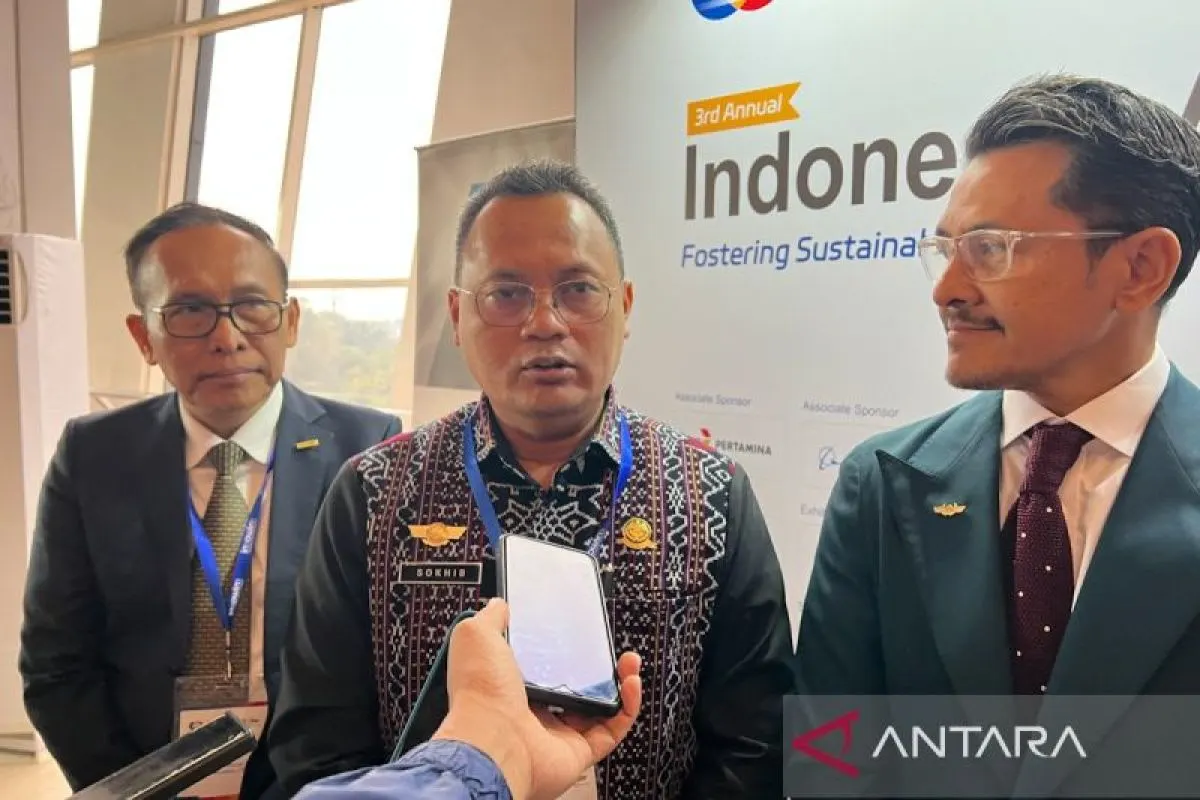
The decision to proceed with the Sustainable Aviation Fuel 2027 rollout follows successful commercial trials conducted between August and December 2025. During these trials, a Pelita Air Airbus A320 operated flights between Jakarta and Denpasar using the bioavtur blend, providing critical data on engine performance and fuel handling. According to Sokhib Al Rokhman, Director of Airworthiness and Aircraft Operations at the Indonesian Ministry of Transportation, the phased approach is designed to evaluate technology performance before scaling up. The long-term governmental goal is to increase this blending ratio to between 30% and 50% by 2060.
Regulatory Framework and Industry Impact
This policy is anchored in Indonesia's Action Plan to Reduce CO2 Emissions from International Aviation, which serves as the national strategy under ICAO (International Civil Aviation Organization) guidelines. The Ministry of Energy and Mineral Resources (MEMR) provides the necessary legal framework through its decrees on biofuel blending, which obligates fuel providers to integrate sustainable alternatives into commercial aviation supply chains.
For PT Pertamina, the mandate creates a guaranteed domestic demand for bioavtur, necessitating an immediate expansion of its green refinery production capacities. International airlines operating out of the designated hubs will be required to uplift the 1% blend, a requirement that may introduce a marginal increase in fuel costs. For maintenance providers like Garuda Maintenance Facility (GMF), the 2025 trials have already provided essential technical expertise in monitoring engine health with the new fuel mix.
Regional Context and Competitive Landscape
Indonesia’s move follows a broader trend of gradual regional SAF mandates across Southeast Asia. This approach contrasts with more aggressive European targets, aiming to balance decarbonization with the economic realities of regional carriers. The policy mirrors Singapore's 1% SAF mandate for departing flights, which was announced in 2024 and took effect in 2026. Like Singapore, Indonesia is utilizing a phased strategy to kickstart its local SAF ecosystem without causing significant economic disruption to the aviation sector.
Technical Analysis: The Path to 2060
The transition to a 30% to 50% SAF blending ratio by 2060 represents a long-term structural shift in Indonesian aviation energy. The success of the 2025 Pelita Air trials serves as a proof-of-concept for the domestic supply chain, validating that existing aircraft engine technology can accommodate the bioavtur blend without requiring major modifications. The primary challenge remains the industrial scaling of green refineries. As PT Pertamina expands its output, the focus will shift from technical feasibility to supply chain reliability and price competitiveness. Historically, the adoption of low-percentage mandates in neighboring regions has successfully incentivized infrastructure investment, suggesting that Indonesia's 1% starting point will likely serve as a catalyst for future capacity growth.
What Comes Next: The 2027 Rollout
The Ministry of Transportation has confirmed that the 1% mandate will take effect in 2027 for all international flights departing from CGK and DPS. Following this initial implementation, regulators will monitor engine performance and fuel availability to determine the specific timeline for increasing the blending ratio. The government expects to maintain a steady, incremental increase in the mandate percentage, moving toward the 30-50% target by 2060.
Why This Matters for Regional Aviation
This policy signals a major shift in how Southeast Asian aviation markets approach environmental sustainability. By establishing a clear, phased regulatory path, Indonesia provides certainty for fuel producers and airlines alike. For international travelers and carriers, the move represents the beginning of a long-term transition toward lower-carbon operations in one of the world's fastest-growing aviation markets.
Frequently Asked Questions
- When will Indonesia begin its 1% SAF mandate for international flights?
- Indonesia will implement the 1% Sustainable Aviation Fuel (SAF) mandate for international flights departing from Soekarno-Hatta (CGK) and Bali (DPS) starting in 2027.
- What is the long-term target for SAF blending in Indonesia?
- The Indonesian government aims to gradually increase the SAF blending ratio to between 30% and 50% by the year 2060.
From airline operations to fleet updates, commercial aviation news lives at omniflights.com. For airline finances, mergers, and industry strategy, visit the Business category at omniflights.com/business.

Written by Hardik Vishwakarma
Co-Founder & Aviation News Editor leading initiatives that improve trust and visibility across the global aviation industry. Covers airlines, airports, safety, and emerging technology.
Visit ProfileYou Might Also Like

American Airlines Flies First U.S. eSAF Passenger Flight

Akasa Air Partners with BPCL to Advance SAF in India

Delta, Shell Aviation Ink 5-Year SAF Supply Agreement
Gulfstream G800 Completes 100% SAF High-Altitude Emissions Test
LATAM Airlines Operates First SAF-Linked Passenger Charters