SAS Warns of European e-SAF Shortage Ahead of EU Mandates

Co-Founder & CEOAviation News Editor delivering trusted coverage across the global aviation industry.
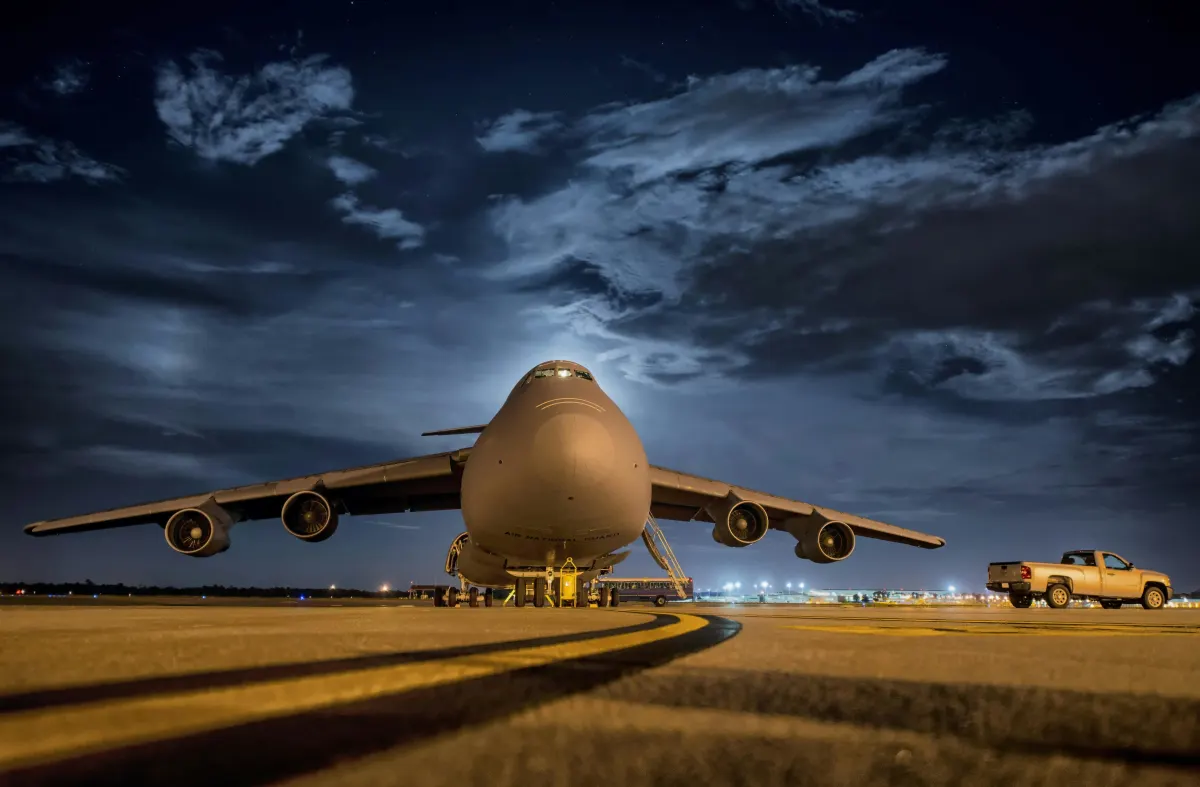
SAS warns of a looming European e-SAF shortage, stating a lack of production could cause a fuel shock and higher fares when EU mandates start in 2030.
Key Takeaways
- •Warns of a structural shortage of e-SAF in Europe by 2030
- •Identifies a lack of production facilities as the primary cause
- •Predicts potential for a fuel shock, higher passenger fares, and route cuts
- •Highlights a conflict between EU mandates and current supply chain capacity
Scandinavian airline SAS has issued a stark warning regarding the future of sustainable aviation in Europe, highlighting a potential structural shortage of electro-sustainable aviation fuel (e-SAF). In a recently released report, the carrier projects that the continent is not on track to produce enough e-SAF to meet ambitious mandates set by the European Union, which are scheduled to take effect in 2030. The airline cautions that this looming production gap could trigger a significant 'fuel shock,' leading to cascading negative impacts, including substantially higher airfares and potential route cancellations across the continent.
The Looming Production Gap
The core of the issue identified by SAS is a critical deficit in production infrastructure. Electro-sustainable aviation fuel, a type of synthetic fuel, is produced using renewable electricity and captured carbon dioxide. While it is considered a key component in the long-term decarbonization of aviation, its production is currently complex, energy-intensive, and not yet available at a commercial scale sufficient to meet projected demand.
Unlike other forms of Sustainable Aviation Fuel (SAF) derived from biofuels like used cooking oil or agricultural waste, e-SAF is not constrained by feedstock availability, making it theoretically more scalable in the long run. However, developing the necessary facilities requires immense capital investment and long lead times. SAS's report suggests that the current pace of investment and development is lagging far behind the regulatory timetable, creating a high-risk scenario where demand mandated by law will far outstrip available supply.
Understanding the EU Mandates
The airline's warning is directly tied to the ReFuelEU Aviation initiative, a cornerstone of the EU's 'Fit for 55' package aimed at reducing greenhouse gas emissions. This regulation mandates that fuel suppliers blend an increasing percentage of SAF into the kerosene they provide at EU airports. The mandate starts at 2% SAF in 2025 and rises to 70% by 2050.
Crucially, the regulation includes a specific sub-mandate for synthetic fuels like e-SAF, starting at 1.2% in 2030 and increasing to 35% in 2050. While the initial percentage seems small, it represents a significant volume on a continental scale. SAS argues that without a rapid acceleration in the construction of e-SAF refineries, airlines will find it impossible to source the required fuel, placing them in a position of non-compliance or forcing them to pay steep penalties.
Potential Economic and Operational Impacts
SAS outlines several severe consequences stemming from this projected supply-demand imbalance. The term 'fuel shock' refers to a scenario where the price of a critical commodity—in this case, e-SAF—skyrockets due to extreme scarcity. Airlines operating in Europe would be legally obligated to purchase this fuel, regardless of cost, to comply with the mandate.
This would have a direct and immediate impact on operational expenses, as fuel is one of the largest cost centers for any airline. These increased costs would inevitably be passed on to consumers in the form of higher airfares. Furthermore, routes with lower profit margins could become economically unviable, forcing airlines to consider widespread route cuts. This would not only impact passenger connectivity but could also have broader economic repercussions for regional airports and tourism-dependent economies.
Industry-Wide Challenge
While SAS is the one raising the alarm, the problem is not unique to the Scandinavian carrier. Every airline operating flights within or departing from the European Union will be subject to the ReFuelEU mandates. The report serves as a warning to the entire European aviation ecosystem, from policymakers and regulators to energy producers and investors.
The situation highlights a potential disconnect between ambitious environmental policy and the practical realities of industrial supply chains. For the transition to sustainable aviation to be successful, regulatory targets must be synchronized with the development of the necessary technology and infrastructure. Failure to do so risks creating market distortions that could destabilize the industry and penalize both airlines and travelers.
What Comes Next
To mitigate the risks outlined in its report, SAS implicitly calls for greater collaboration and urgent action. This includes creating stronger policy incentives to de-risk and encourage private investment in e-SAF production facilities. It also necessitates a realistic dialogue between regulators and the industry to ensure that the timeline for mandates aligns with the achievable pace of technological and industrial scale-up.
Airlines, fuel producers, and national governments will need to form strategic partnerships to accelerate the development of a robust e-SAF supply chain. Without a concerted effort to close the production gap in the coming years, the European aviation sector faces a turbulent period as the 2030 deadline approaches.
Why This Matters
The SAS report is more than a warning about fuel prices; it's a critical stress test of Europe's green aviation strategy. It underscores the immense challenge of decarbonizing a hard-to-abate sector and reveals that ambitious targets alone are insufficient. The success of the EU's environmental goals hinges on the ability to build the physical infrastructure required to meet them, and this report suggests the continent is currently falling short.
Frequently Asked Questions
- What is the main risk SAS identified regarding sustainable aviation fuel?
- SAS warned that Europe faces a structural shortage of electro-sustainable aviation fuel (e-SAF) due to a lack of production facilities. This could prevent airlines from meeting European Union mandates set to take effect in 2030.
- What are the potential consequences of an e-SAF shortage in Europe?
- According to the SAS report, a shortage of e-SAF could lead to a 'fuel shock,' resulting in significantly higher airfares for passengers and forcing airlines to cut unprofitable routes.
Stay ahead of the airline industry with commercial aviation news from omniflights.com. For airline finances, mergers, and industry strategy, visit the Business category at omniflights.com/business.
Written by Hardik Vishwakarma
Co-Founder & Aviation News Editor leading initiatives that improve trust and visibility across the global aviation industry. Covers airlines, airports, safety, and emerging technology.
Visit ProfileYou Might Also Like
Discover more aviation news based on similar topics

American Airlines Flies First U.S. eSAF Passenger Flight
American Airlines completed the first U.S. commercial flight using Infinium eSAF, a synthetic fuel that reduces lifecycle emissions by over 90%.

Akasa Air Partners with BPCL to Advance SAF in India
Akasa Air signed an MoU with BPCL to establish a SAF supply framework ahead of India's expected 1% blending mandate by 2027.

Delta, Shell Aviation Ink 5-Year SAF Supply Agreement
Delta Air Lines and Shell Aviation have signed a five-year agreement to supply Sustainable Aviation Fuel across five major U.S. hubs through 2030.
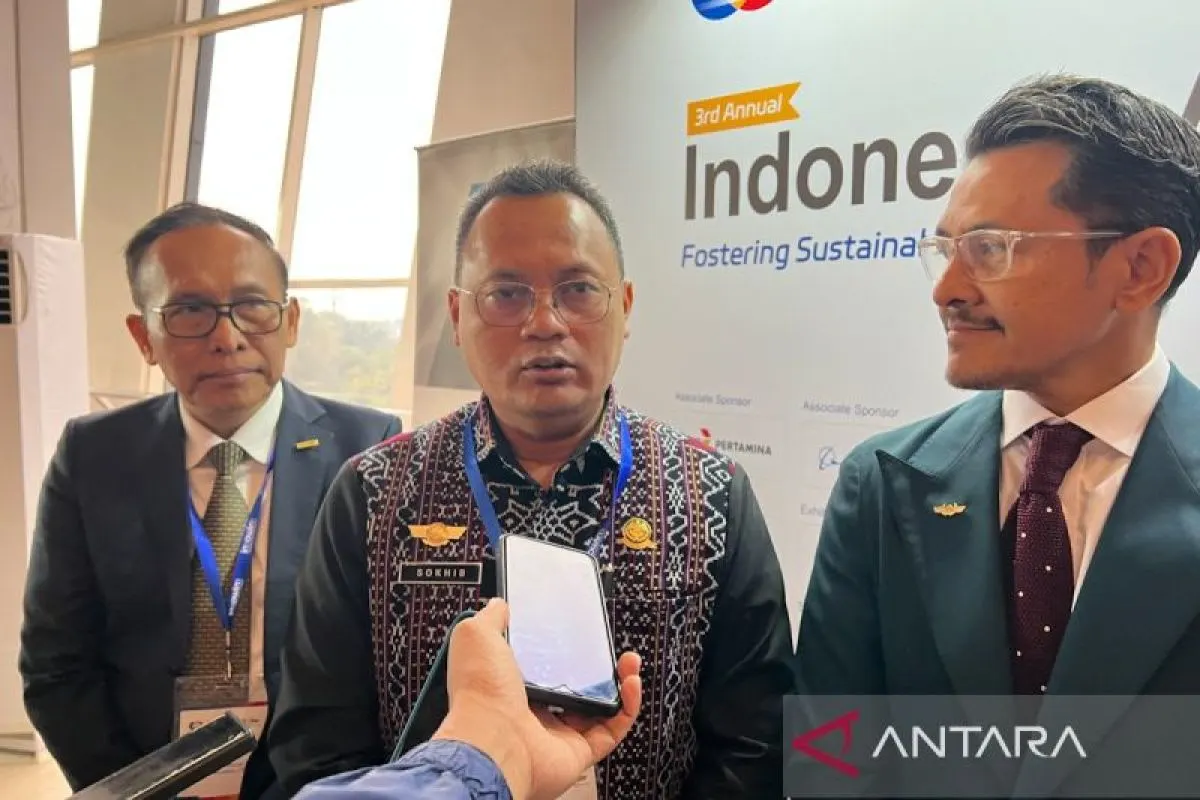
Indonesia to Mandate 1% SAF Blend for Flights by 2027
Indonesia will require a 1% Sustainable Aviation Fuel blend on international flights departing from Jakarta and Bali starting in 2027.
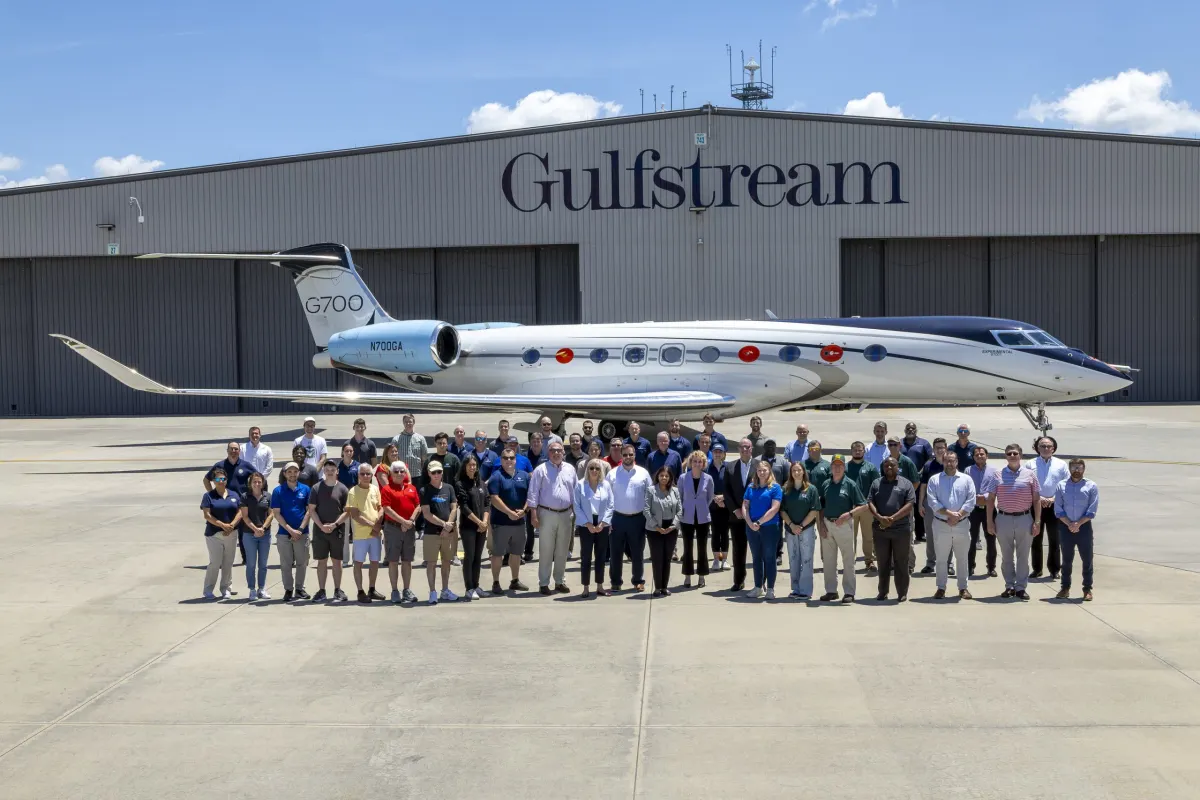
Gulfstream G800 Completes 100% SAF High-Altitude Emissions Test
Gulfstream tested 100% SAF on a G800 at 50,000 feet to measure emissions, marking a key step toward certifying unblended synthetic fuels.
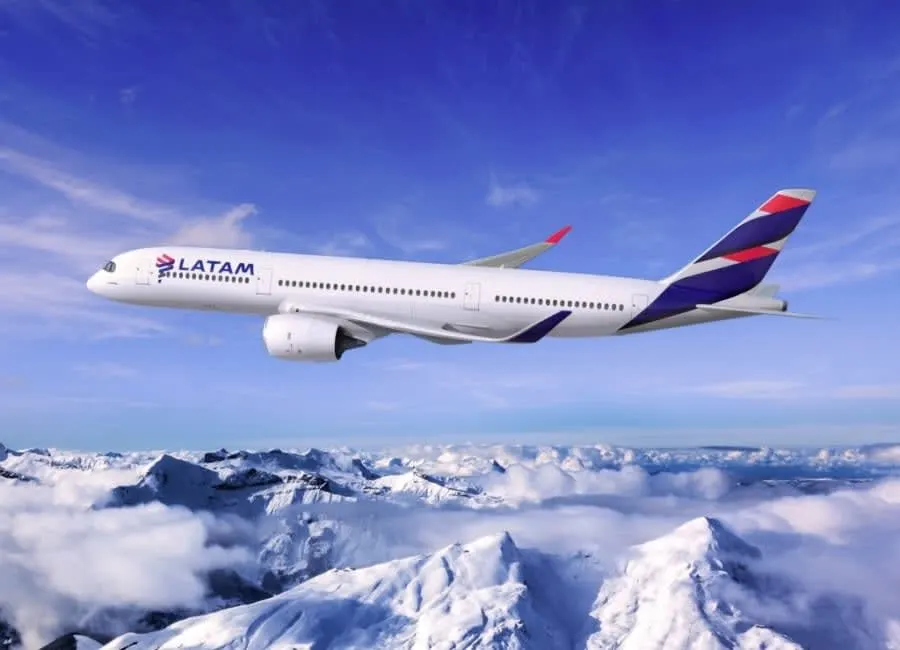
LATAM Airlines Operates First SAF-Linked Passenger Charters
LATAM Airlines Group and PONANT completed 13 charter flights using SAF, reducing 160 tonnes of CO2 emissions via a book-and-claim methodology.