LATAM Airlines Operates First SAF-Linked Passenger Charters

Co-Founder & CEOAviation News Editor delivering trusted coverage across the global aviation industry.
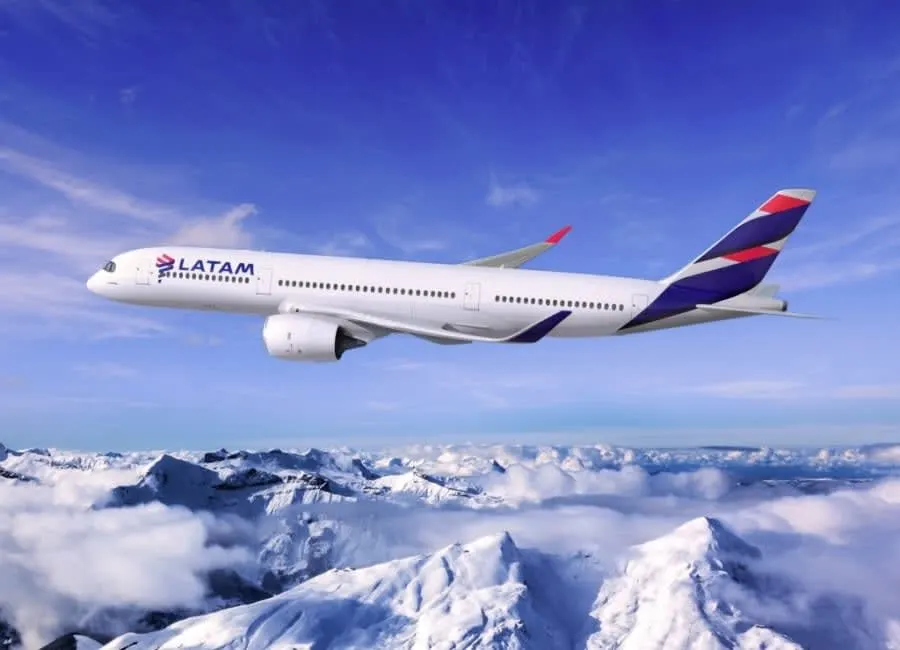
LATAM Airlines Group and PONANT completed 13 charter flights using SAF, reducing 160 tonnes of CO2 emissions via a book-and-claim methodology.
Key Takeaways
- •LATAM and PONANT completed 13 SAF-linked charter flights.
- •The initiative reduced 160 tonnes of CO2 emissions.
- •22,400 gallons of Neste MY SAF were allocated via book-and-claim.
- •LATAM targets 5% SAF usage across its operations by 2030.
LATAM Airlines Group and PONANT Partnership
LATAM Airlines Group has successfully completed its first passenger charter flights utilizing Sustainable Aviation Fuel (SAF) allocation. The operation, conducted in partnership with the French luxury cruise company PONANT, involved 13 flights between Santiago, Chile (SCL), and Ushuaia, Argentina (USH). This initiative represents a significant expansion of the airline's sustainability strategy, moving the SAF Book and Claim methodology from cargo operations into the passenger charter market. By utilizing this accounting framework, the partners successfully reduced approximately 160 tonnes of CO₂ emissions.
Emissions Reduction and Methodology
The flights utilized 22,400 gallons of Neste MY SAF, which delivers a lifecycle emissions reduction of 74.72% compared to conventional Jet A-1 fuel. To verify these environmental benefits, the partners employed the Carbon Offsetting and Reduction Scheme for International Aviation (CORSIA) methodology, established by the International Civil Aviation Organization (ICAO). This framework allows corporations to purchase the environmental attributes of SAF and claim Scope 3 emissions reductions even at airports where physical SAF supply infrastructure is not yet available.
According to Thibaud Morand, General Manager of LATAM Airlines for Europe, Asia, and Oceania, the project demonstrates that concrete mechanisms currently exist for corporate customers to actively lower their air travel impact. Wassim Daoud, CSR (Corporate Social Responsibility) and Sustainable Development Director at PONANT, noted that the partnership serves as a critical step in supporting the decarbonization of transport while maintaining sustainable tourism experiences for guests traveling to remote regions.
Industry Context and Stakeholder Impact
This development follows a precedent set in April 2026, when LATAM Cargo and Quick Cargo Service (QCS) utilized a similar book-and-claim tool to credit 24,000 liters of SAF for flights between Europe and Brazil. The current expansion into passenger charters highlights the growing trend of luxury and expedition cruise operators partnering with airlines to decarbonize the logistics required to transport guests to remote ports. For PONANT, this integration enhances their sustainability credentials, allowing the company to offer lower-emission travel packages to eco-conscious luxury tourists.
However, the Book-and-Claim Chain of Custody model remains a subject of debate within the broader industry. According to environmental organizations such as Stay Grounded and Greenpeace, the methodology is sometimes criticized as an accounting loophole. These groups argue that the approach allows airlines to claim environmental benefits without necessarily reducing tailpipe emissions on the specific aircraft carrying the passengers. Despite these concerns, the model remains a primary tool for funding global SAF production in the absence of universal supply chain infrastructure.
The Path Toward 2030
The current charter operations align with the broader long-term sustainability goals of the airline. LATAM Airlines Group has established a public target to incorporate 5% Sustainable Aviation Fuel into its overall operations by 2030. Achieving this milestone will require continued investment in cross-industry partnerships and the scaling of renewable fuel production. As the industry moves toward these targets, the success of the Santiago-Ushuaia charter program provides a template for other operators looking to bridge the gap between current infrastructure limitations and long-term decarbonization commitments.
Frequently Asked Questions
- What is the book-and-claim methodology for SAF?
- The book-and-claim methodology allows airlines and corporate partners to purchase the environmental attributes of Sustainable Aviation Fuel and claim emissions reductions without physically uplifting that specific fuel into the aircraft flying a route.
- How much carbon dioxide was reduced during the LATAM and PONANT charter flights?
- The partnership between LATAM Airlines Group and PONANT resulted in a reduction of approximately 160 tonnes of CO2 emissions across 13 charter flights.
Visit omniflights.com for the latest commercial aviation news and airline industry updates. Discover how innovation is shaping aviation through aircraft systems, avionics, and digital tools at omniflights.com/technology.
Written by Hardik Vishwakarma
Co-Founder & Aviation News Editor leading initiatives that improve trust and visibility across the global aviation industry. Covers airlines, airports, safety, and emerging technology.
Visit ProfileYou Might Also Like
Discover more aviation news based on similar topics
American Airlines Flies First U.S. eSAF Passenger Flight
American Airlines completed the first U.S. commercial flight using Infinium eSAF, a synthetic fuel that reduces lifecycle emissions by over 90%.
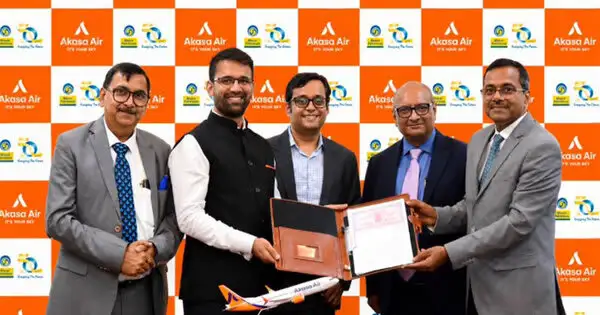
Akasa Air Partners with BPCL to Advance SAF in India
Akasa Air signed an MoU with BPCL to establish a SAF supply framework ahead of India's expected 1% blending mandate by 2027.

Delta, Shell Aviation Ink 5-Year SAF Supply Agreement
Delta Air Lines and Shell Aviation have signed a five-year agreement to supply Sustainable Aviation Fuel across five major U.S. hubs through 2030.
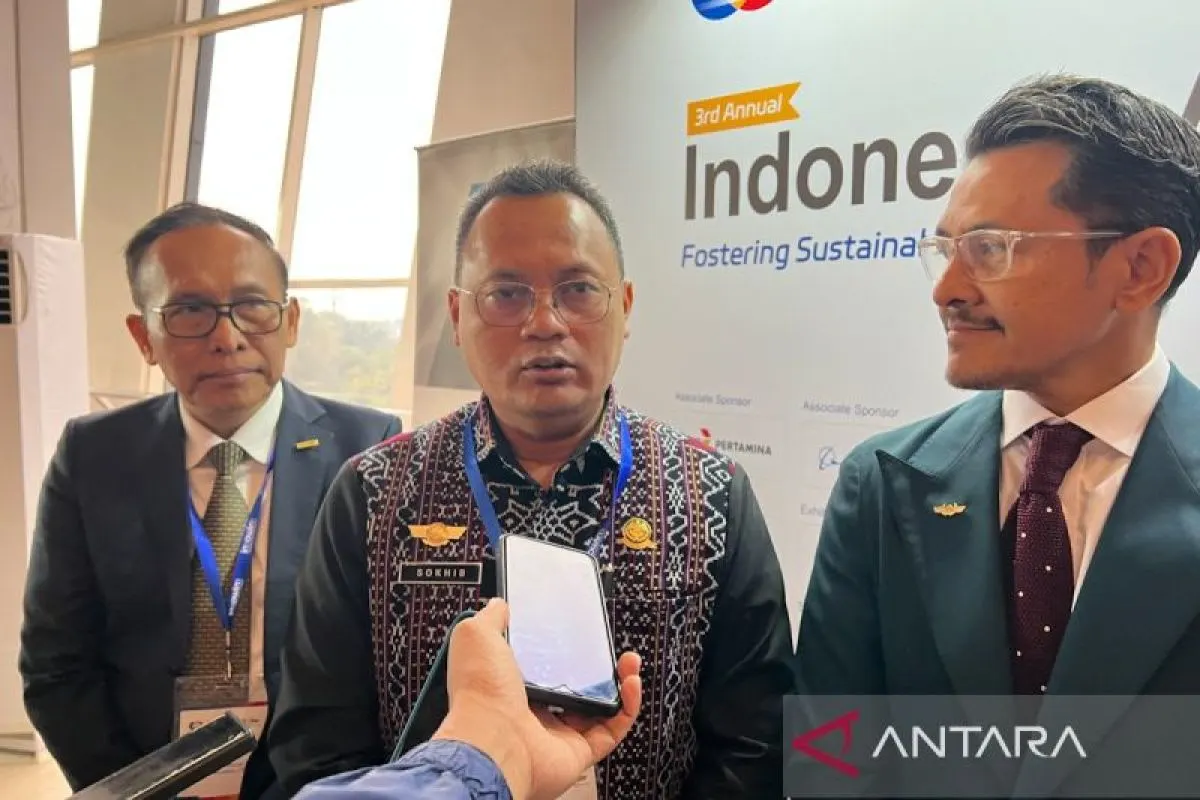
Indonesia to Mandate 1% SAF Blend for Flights by 2027
Indonesia will require a 1% Sustainable Aviation Fuel blend on international flights departing from Jakarta and Bali starting in 2027.
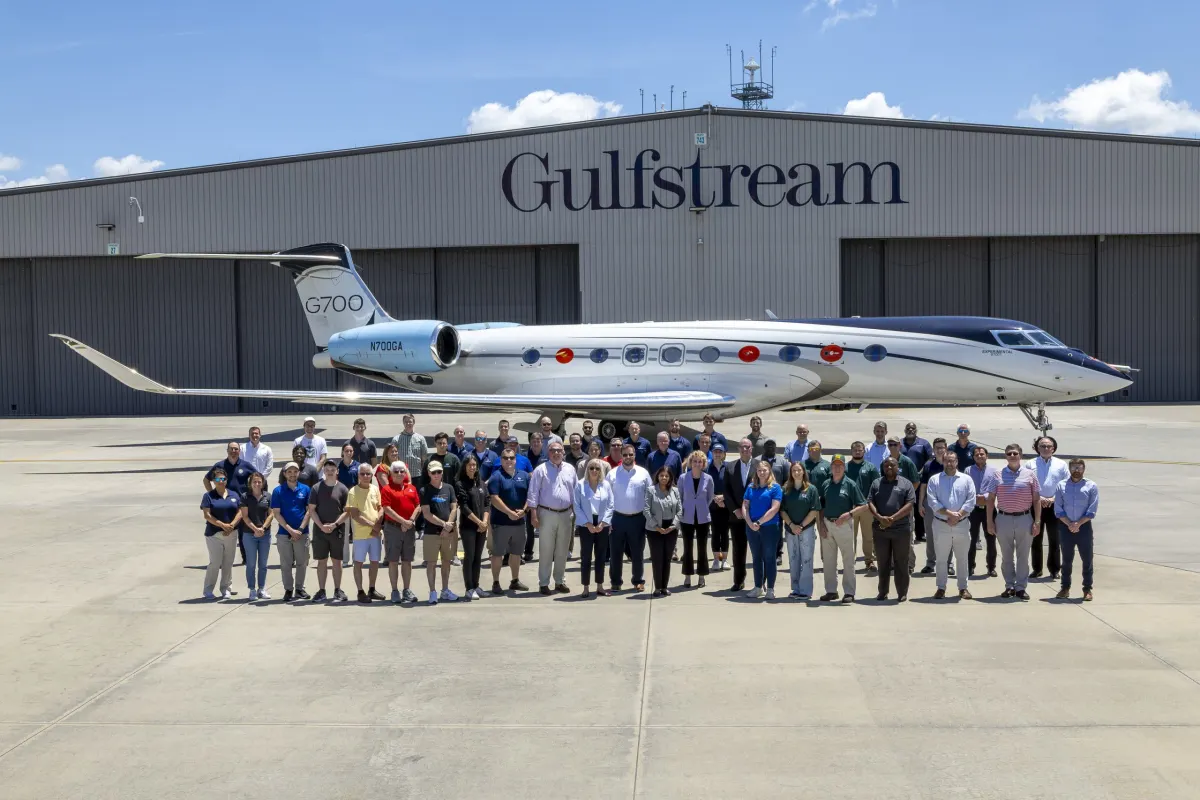
Gulfstream G800 Completes 100% SAF High-Altitude Emissions Test
Gulfstream tested 100% SAF on a G800 at 50,000 feet to measure emissions, marking a key step toward certifying unblended synthetic fuels.
IATA Warns 2050 Net-Zero at Risk as SAF Production Stalls
IATA reports 2026 sustainable aviation fuel production will hit only 2.4 million tonnes, covering just 0.8% of global demand and threatening climate goals.