Gulfstream G800 Completes 100% SAF High-Altitude Emissions Test

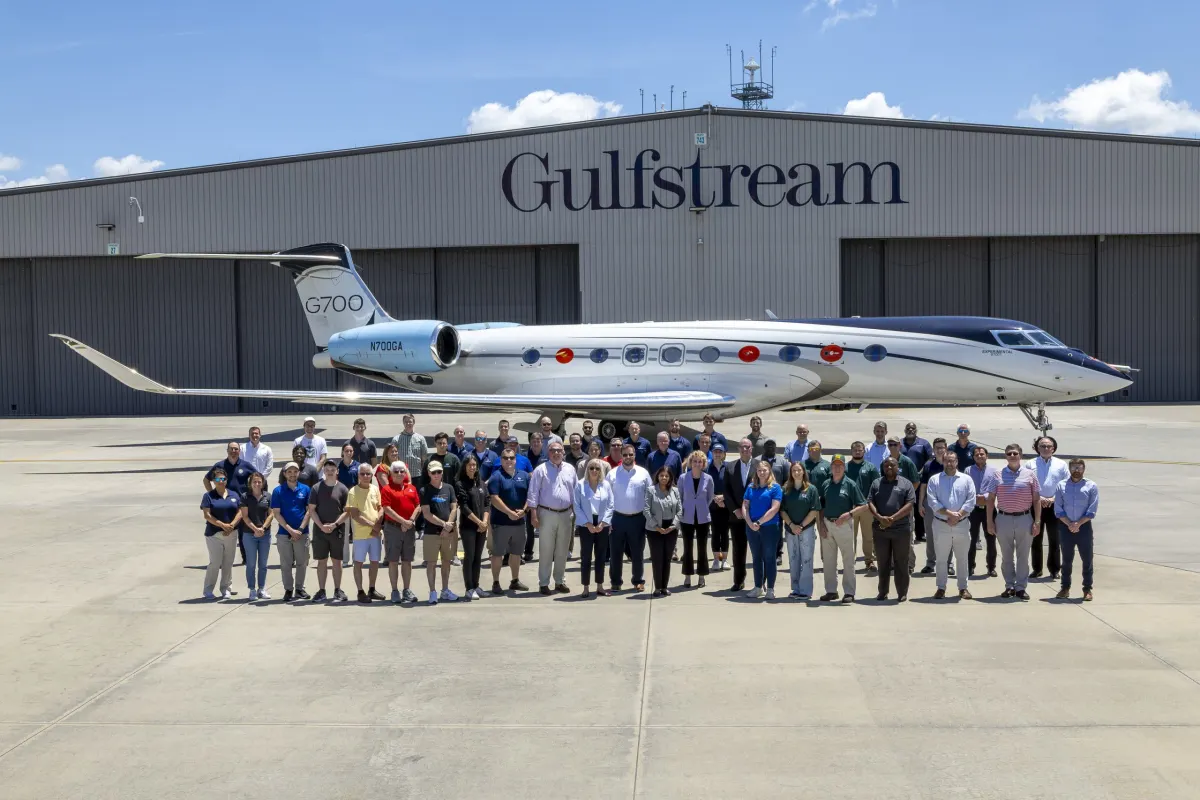
Gulfstream tested 100% SAF on a G800 at 50,000 feet to measure emissions, marking a key step toward certifying unblended synthetic fuels.
Key Takeaways
- •Gulfstream G800 tested 100% neat HEFA SAF at 50,000 feet.
- •Test utilized Rolls-Royce Pearl 700 engines to measure contrail impact.
- •Current regulations limit SAF use to 50% blends with Jet A.
- •Data supports future certification of 100% unblended synthetic fuels.
Gulfstream G800 High-Altitude SAF Research
Gulfstream Aerospace recently completed a milestone flight test campaign using 100% Sustainable Aviation Fuel (SAF) on a G800 to measure emissions and contrail impact at altitudes up to 50,000 feet. This flight test campaign demonstrates the viability of unblended fuels in high-altitude cruise conditions, significantly exceeding the standard operating altitudes of commercial airliners.
This research initiative highlights an industry-wide focus on mitigating non-CO2 aviation impacts. Preliminary data suggests that the use of 100% neat Hydroprocessed Esters and Fatty Acids (HEFA) SAF—which contains zero sulfur or aromatics—can substantially lower particulate matter emissions that contribute to contrail formation. This evidence is crucial for the aviation sector as it seeks to address the environmental footprint of high-altitude operations.
Technical Execution and Collaboration
The test campaign utilized Rolls-Royce Pearl 700 engines operating on 100% sustainable aviation fuel. The performance of these engines during the evaluation provided essential data for both the airframer and the engine manufacturer. The fuel, supplied by Montana Renewables, was confirmed as 100% neat SAF to ensure the integrity of the emissions measurements.
To capture accurate data, the flight campaign employed a specially modified G700 to act as a flying emissions measurement laboratory. The collaboration included expertise from the DLR (Deutsches Zentrum für Luft- und Raumfahrt) and the ASCENT (Aviation Sustainability Center), an FAA (Federal Aviation Administration) Center of Excellence. These organizations worked to quantify the environmental benefits of unblended fuel, moving beyond the current regulatory standard, which currently limits SAF usage to a 50% blend with conventional Jet A fuel.
G800 vs G700 Test Configuration
| Metric | G800 (Test Aircraft) | G700 (Emissions Lab) |
|---|---|---|
| Role | Primary Test Platform | Flying Measurement Lab |
| Engine | Rolls-Royce Pearl 700 | Rolls-Royce Pearl 700 |
Analysis of Non-CO2 Emissions
This development indicates a shift in how manufacturers approach aviation sustainability. By moving from simple carbon-lifecycle analysis to testing the specific impact of particulate matter at 50,000 feet, Gulfstream is addressing the complex dynamics of contrail-forming emissions. Historically, in November 2023, Gulfstream completed the first trans-Atlantic flight powered by 100% SAF using a G600. That success paved the way for the current high-altitude research. The data gathered today supports the broader industry trend of validating unblended synthetic fuels for future regulatory certification. As engine manufacturers and airframers accumulate these findings, the path toward a 100% SAF standard becomes more technically defined and empirically supported.
Next Steps for SAF Certification
Following the completion of these flights, the data will be analyzed to support future regulatory standards. Currently, SAF is only certified for blends of up to 50% with conventional jet fuel. The findings from this test campaign are expected to provide the necessary evidentiary support for the FAA and other international regulators to evaluate the safety and performance of 100% unblended synthetic fuels in commercial and business aviation applications.
Why This Matters for the Industry
For stakeholders, including the Rolls-Royce Pearl engine program and fuel producers, this test provides the operational data needed to advocate for updated certification standards. The ability to demonstrate significant contrail reduction through the use of neat HEFA SAF positions business aviation as a leader in addressing non-CO2 climate impacts. This milestone represents a critical step in the industry's long-term decarbonization strategy.
Frequently Asked Questions
- What is the current regulatory limit for SAF usage in aviation?
- Current regulations only certify sustainable aviation fuel for blends of up to 50% with conventional Jet A fuel.
- Why did Gulfstream conduct emissions testing at 50,000 feet?
- Gulfstream conducted these tests to measure emissions and contrail impact at altitudes higher than typical commercial airliners, providing data to support the future certification of 100% unblended sustainable aviation fuel.
For global airline trends and commercial aviation news, turn to omniflights.com. From aircraft production to supply chains, commercial aviation manufacturing news is covered at omniflights.com/manufacturing.

Written by Hardik Vishwakarma
Co-Founder & Aviation News Editor leading initiatives that improve trust and visibility across the global aviation industry. Covers airlines, airports, safety, and emerging technology.
Visit ProfileYou Might Also Like

American Airlines Flies First U.S. eSAF Passenger Flight
Akasa Air Partners with BPCL to Advance SAF in India

Delta, Shell Aviation Ink 5-Year SAF Supply Agreement
Indonesia to Mandate 1% SAF Blend for Flights by 2027
LATAM Airlines Operates First SAF-Linked Passenger Charters