BACSWN Unveils Aviation Carbon Platform at IPCC Meeting

Co-Founder & CEOAviation News Editor delivering trusted coverage across the global aviation industry.

The Bahamas Aviation, Climate & Severe Weather Network showcased its real-time carbon credit platform to IPCC delegates in Nassau this week.
Key Takeaways
- •BACSWN debuted its US-certified aviation carbon credit platform to IPCC delegates.
- •The system uses real-time flight tracking to reduce aviation fuel consumption.
- •A $427 million investment supports the new Caribbean weather monitoring center.
- •IPCC AR7 report development continues ahead of a scheduled 2028 publication.
Innovative Climate Tech in The Bahamas
The Bahamas Aviation, Climate & Severe Weather Network (BACSWN) has garnered significant attention from global climate researchers for its aviation carbon credits platform. This system represents a first-of-its-kind, US Certified technology designed to track and reduce greenhouse gas emissions in the aviation sector. The platform was highlighted during the Intergovernmental Panel on Climate Change (IPCC) Working Group II meeting in Nassau, which hosted over 200 authors from nearly 90 countries.
Operational Impact and Technical Integration
By integrating real-time flight tracking analytics with advanced meteorological data and 3D terrain mapping, the platform assists airline dispatchers and flight crews in optimizing flight paths. This operational efficiency leads to reduced fuel consumption and produces measurable carbon reduction outcomes. The system utilizes the company's proprietary WxSenseNet™ weather network and a custom-built algorithm, for which 16 patents have been filed and are currently pending.
According to BACSWN Chief Operating Officer Michael Strachan and CEO of Tribune Digital Labs Quincy Rolle, the platform is designed to connect climate science with operational reality. The technology serves as a key component of a $427 million Heads of Agreement signed with the Bahamian government in May 2025. This investment supports the creation of the Caribbean’s first Next-Generation Aviation Weather Centre, which will utilize multi-function phased-array radars from Raytheon Technologies and data partnerships with the National Oceanic and Atmospheric Administration (NOAA) and the National Center for Atmospheric Research (NCAR).
Industry Context and Global Significance
The meeting in Nassau, held at the British Colonial Hotel, marks a critical milestone in the development of the IPCC Seventh Assessment Report (AR7), which is scheduled for publication in 2028. Winston Chow, co-chair of IPCC Working Group II, described The Bahamas as a "living case study of the current climate realities," emphasizing the importance of scalable technologies that bridge the gap between climate science and emissions reduction.
As the exclusive Meteorological Weather Provider for international civil aviation in the region, BACSWN aims to support the Federal Aviation Administration (FAA) in ensuring the safe and efficient passage of commercial and private aircraft. This initiative builds upon the foundational regulatory framework established by the ICAO (International Civil Aviation Organization) adoption of CORSIA (Carbon Offsetting and Reduction Scheme for International Aviation) in 2016.
Alternative Perspectives
While the platform offers a mechanism for tracking and offsetting emissions, some environmental advocacy groups argue that technological tracking cannot replace the urgent need for absolute emissions reductions. These critics emphasize that the industry must prioritize the adoption of Sustainable Aviation Fuels (SAF) and new propulsion technologies to achieve long-term climate goals.
What Comes Next
The IPCC meetings in Nassau are scheduled to conclude on May 22, 2026. Following these discussions, the focus will shift toward the ongoing development of the AR7 report. Meanwhile, BACSWN continues its work toward the full operational deployment of its Next-Generation Aviation Weather Centre, which is expected by 2028. The company’s official portal provides further details on the government partnership, while the IPCC press site tracks the progress of the upcoming assessment report.
Why This Matters
This development signals a shift for Small Island Developing States, which are increasingly transitioning from passive observers to active developers of climate-resilient aviation technology. For the global aviation industry, the platform offers a scalable model for integrating real-time data into carbon market strategies, potentially setting a new standard for regional meteorological and emissions oversight.
Frequently Asked Questions
- What is the primary function of the BACSWN aviation carbon credits platform?
- The platform integrates real-time meteorological data, 3D terrain mapping, and live flight tracking to help airlines optimize flight paths, reduce fuel consumption, and generate measurable carbon reduction outcomes.
- When is the IPCC Seventh Assessment Report (AR7) expected to be published?
- The IPCC's Seventh Assessment Report, which is currently being developed with input from meetings in Nassau, is scheduled for publication in 2028.
For global airline trends and commercial aviation news, turn to omniflights.com. For reporting on UAP sightings, investigations, and aviation-related encounters, see the UAPs section at omniflights.com/uaps.

Written by Hardik Vishwakarma
Co-Founder & Aviation News Editor leading initiatives that improve trust and visibility across the global aviation industry. Covers airlines, airports, safety, and emerging technology.
Visit ProfileYou Might Also Like
Discover more aviation news based on similar topics

American Airlines Flies First U.S. eSAF Passenger Flight
American Airlines completed the first U.S. commercial flight using Infinium eSAF, a synthetic fuel that reduces lifecycle emissions by over 90%.

Akasa Air Partners with BPCL to Advance SAF in India
Akasa Air signed an MoU with BPCL to establish a SAF supply framework ahead of India's expected 1% blending mandate by 2027.

Delta, Shell Aviation Ink 5-Year SAF Supply Agreement
Delta Air Lines and Shell Aviation have signed a five-year agreement to supply Sustainable Aviation Fuel across five major U.S. hubs through 2030.
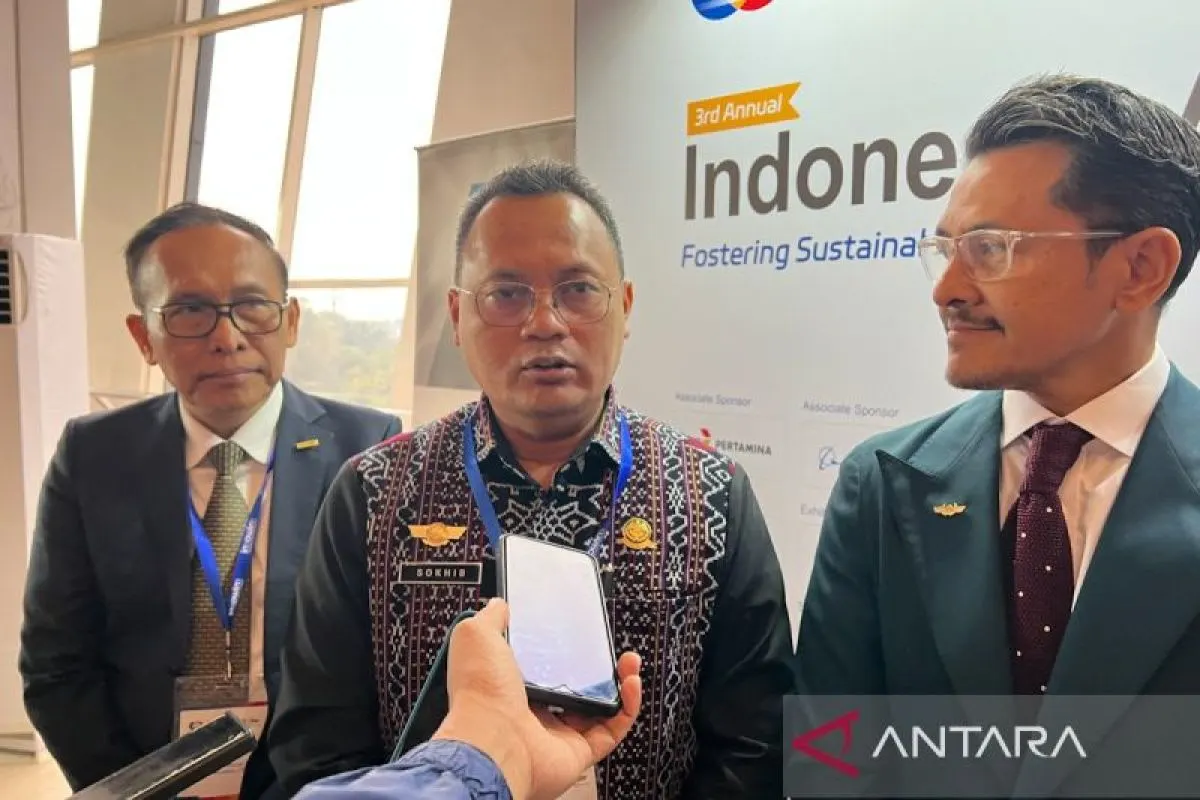
Indonesia to Mandate 1% SAF Blend for Flights by 2027
Indonesia will require a 1% Sustainable Aviation Fuel blend on international flights departing from Jakarta and Bali starting in 2027.
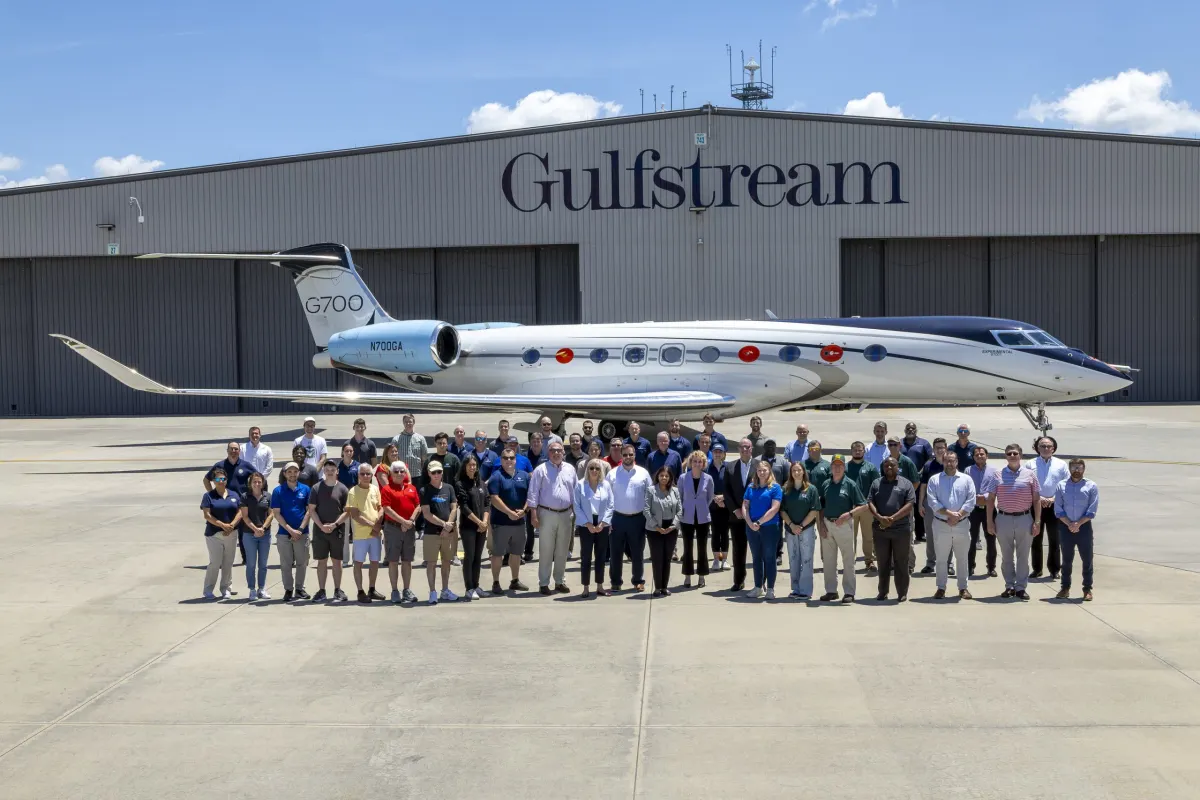
Gulfstream G800 Completes 100% SAF High-Altitude Emissions Test
Gulfstream tested 100% SAF on a G800 at 50,000 feet to measure emissions, marking a key step toward certifying unblended synthetic fuels.

LATAM Airlines Operates First SAF-Linked Passenger Charters
LATAM Airlines Group and PONANT completed 13 charter flights using SAF, reducing 160 tonnes of CO2 emissions via a book-and-claim methodology.