Massport Launches SAF Hub for New England Aviation

Co-Founder & CEOAviation News Editor delivering trusted coverage across the global aviation industry.

Massport has launched a regional SAF hub, uniting over 130 stakeholders to accelerate sustainable aviation fuel production and use in New England.
Key Takeaways
- •Massport launches a regional hub to boost New England's SAF production.
- •Initiative targets the 80% of Logan Airport emissions caused by aircraft.
- •The hub aims to solve the Northeast's lack of local SAF supply.
- •Massport is pursuing a confirmed Net Zero emissions goal by 2031.
The Massachusetts Port Authority (Massport) has launched a new initiative to accelerate the adoption of Sustainable Aviation Fuel (SAF) throughout New England, addressing a critical gap in the region's green energy infrastructure. The Massachusetts and New England Regional SAF Hub aims to unite airlines, policymakers, and energy producers to foster local production of renewable jet fuel, a key component of the industry's strategy for aviation decarbonization.
The initiative formally commenced with an inaugural workshop on June 5, 2025, at the U.S. Department of Transportation (DOT) Volpe Center, which gathered over 130 industry leaders. This effort is central to Massport's goal of achieving Net Zero emissions by 2031 for its own operations and supporting the broader decarbonization of flights at Boston Logan Airport (BOS). According to a Massport press release, aircraft are responsible for nearly 80% of greenhouse gas emissions at the airport. To combat this, the authority has committed over $500 million in investments toward its Net Zero projects over a five-year period.
A Strategic Response to a Supply Chain Gap
The creation of the hub is a direct response to a significant logistical challenge. The Northeast currently lacks regional SAF production facilities and the supportive tax incentives that have spurred development on the U.S. West Coast. This forces airlines operating in the region to transport the fuel across the country, increasing both cost and the overall carbon footprint. By localizing the SAF supply chain, the hub aims to leverage regional feedstocks, such as woody biomass, to create a self-sustaining market.
Massport is partnering with the Massachusetts Clean Energy Center (MassCEC), a state economic development agency, to build this new ecosystem. In a statement, MassCEC CEO Dr. Emily Reichert highlighted the dual benefits of the initiative. "Massachusetts has the assets, talent, and innovation ecosystem to lead in sustainable aviation fuel," she said. "Advancing SAF production and adoption will not only reduce harmful pollution, it will also unlock new economic opportunities."
Jill Valdés Horwood, Massport's Chief Climate & Resilience Officer, emphasized the collaborative nature of the project. "Massport is committed to playing a leading role in advancing Sustainable Aviation Fuel as a key pathway to reducing aviation emissions," Horwood stated. "Engaging in conversations like this panel with industry, academic, and innovation partners is essential to moving from ideas to action and accelerating real progress across the sector."
Industry Impact and Regional Precedents
The initiative is expected to have a direct impact on airlines operating at Boston Logan, such as Delta Air Lines. Access to a localized SAF supply would reduce the cost premium associated with the fuel and help carriers meet their corporate climate targets. The development also presents new opportunities for regional biomass producers, who could become key suppliers for future SAF refineries. Conversely, conventional jet fuel suppliers may see a gradual erosion of market share as SAF adoption increases.
This regional, multi-stakeholder approach is part of a growing national trend. The Massport hub follows similar models established elsewhere in the United States. In August 2023, the Minnesota SAF Hub was launched, forming a coalition that included Delta Air Lines and energy company Xcel Energy to develop local production. In 2024, the Center for Houston's Future announced a similar hub to leverage its existing energy infrastructure. These precedents demonstrate a clear pattern of regionalizing SAF production to overcome national logistical hurdles.
Technical Analysis
The formation of the New England Regional SAF Hub represents a strategic shift from a centralized to a distributed model for aviation decarbonization in the U.S. While early SAF production has been concentrated on the West Coast, this initiative acknowledges that a national solution requires regional supply chains tailored to local feedstocks and infrastructure. The partnership between a major airport authority (Massport), a state clean energy agency (MassCEC), academia, and airlines is becoming the standard template for de-risking these capital-intensive projects. The hub's success will depend on its ability to secure policy support, such as state-level tax credits, and attract private investment for refinery development. While some organizations, like the Institute for Policy Studies, have raised concerns that SAF development may divert funds from other climate solutions, the aviation industry largely views it as the most viable near-to-medium-term path for reducing emissions from flight.
What Comes Next
The Massachusetts SAF Working Group, a key component of the new hub, is expected to complete a regional logistics planning study by Fall 2025. This study will provide a critical roadmap for infrastructure development and investment.
The hub's activities are aligned with two major deadlines. The first is Massport's Net Zero by 2031 Goal, a confirmed target set by the authority to eliminate its direct carbon footprint by its 75th anniversary. This is complemented by the broader Massachusetts 2050 Net Zero Mandate, a legal requirement for the entire commonwealth to achieve net-zero emissions.
Why This Matters
This initiative is more than an environmental project; it is a significant economic and logistical undertaking for New England. By creating a local SAF market, Massport and its partners are positioning the region to be a leader in the green aviation economy. For airlines and passengers, it promises a more sustainable future for air travel, while for the regional economy, it signals the creation of new industries and jobs in the clean energy sector.
Frequently Asked Questions
- What is the Massachusetts and New England Regional SAF Hub?
- It is an initiative launched by the Massachusetts Port Authority (Massport) to unite industry stakeholders and accelerate the production, supply, and use of Sustainable Aviation Fuel (SAF) across the New England region.
- Why is Massport focusing on Sustainable Aviation Fuel?
- Aircraft are responsible for nearly 80% of greenhouse gas emissions at Boston Logan International Airport. SAF is a key component of Massport's strategy to achieve its goal of Net Zero emissions by 2031.
- Does the U.S. Northeast currently produce its own SAF?
- No, the Northeast currently lacks regional Sustainable Aviation Fuel production facilities. This forces airlines to transport the fuel from other parts of the country, a key supply chain issue the new hub aims to solve.
Stay ahead of the airline industry with commercial aviation news from omniflights.com. Get the latest updates on major hubs, regional terminals, and airport operations via the Airports section at omniflights.com/airports.
Written by Hardik Vishwakarma
Co-Founder & Aviation News Editor leading initiatives that improve trust and visibility across the global aviation industry. Covers airlines, airports, safety, and emerging technology.
Visit ProfileYou Might Also Like
Discover more aviation news based on similar topics

American Airlines Flies First U.S. eSAF Passenger Flight
American Airlines completed the first U.S. commercial flight using Infinium eSAF, a synthetic fuel that reduces lifecycle emissions by over 90%.
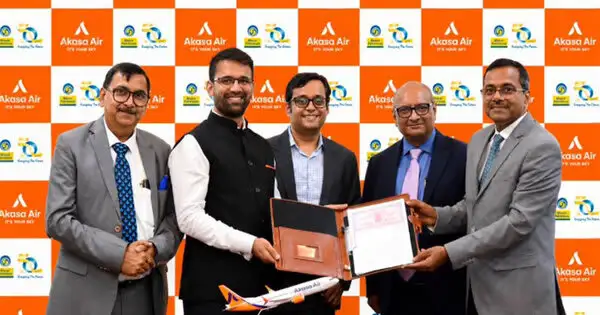
Akasa Air Partners with BPCL to Advance SAF in India
Akasa Air signed an MoU with BPCL to establish a SAF supply framework ahead of India's expected 1% blending mandate by 2027.

Delta, Shell Aviation Ink 5-Year SAF Supply Agreement
Delta Air Lines and Shell Aviation have signed a five-year agreement to supply Sustainable Aviation Fuel across five major U.S. hubs through 2030.
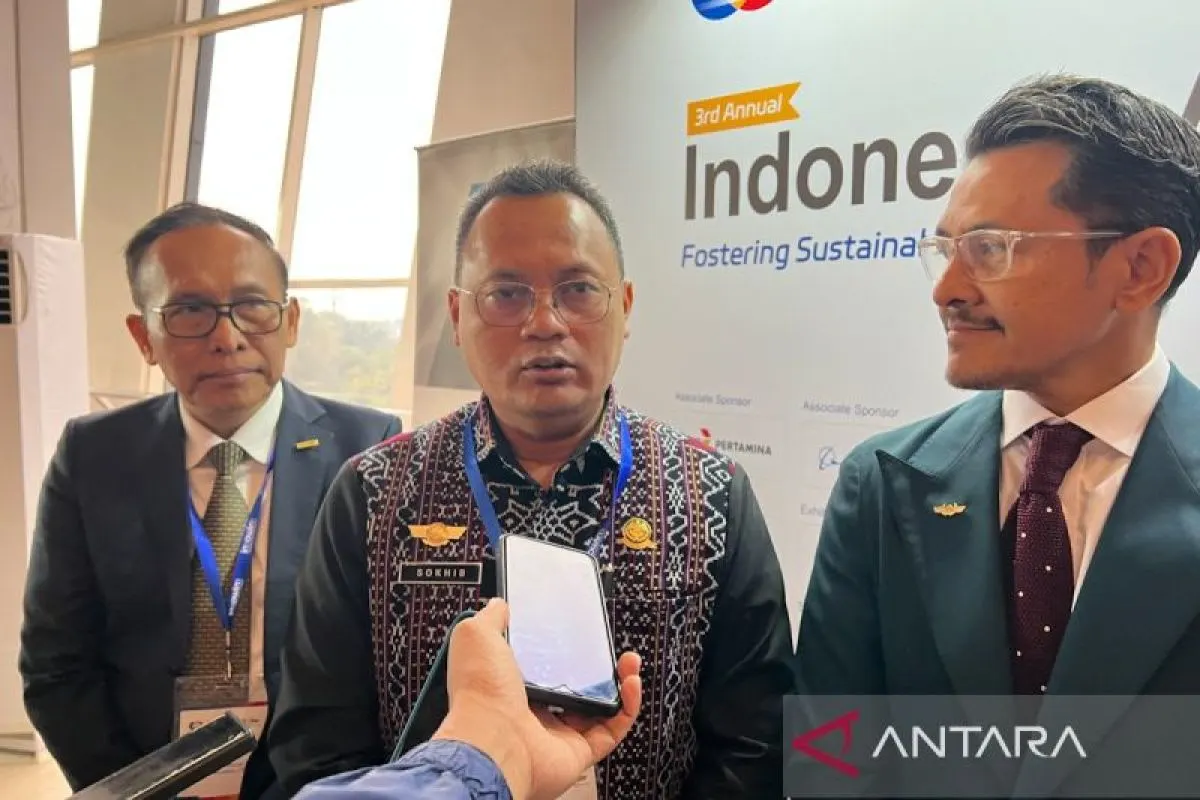
Indonesia to Mandate 1% SAF Blend for Flights by 2027
Indonesia will require a 1% Sustainable Aviation Fuel blend on international flights departing from Jakarta and Bali starting in 2027.
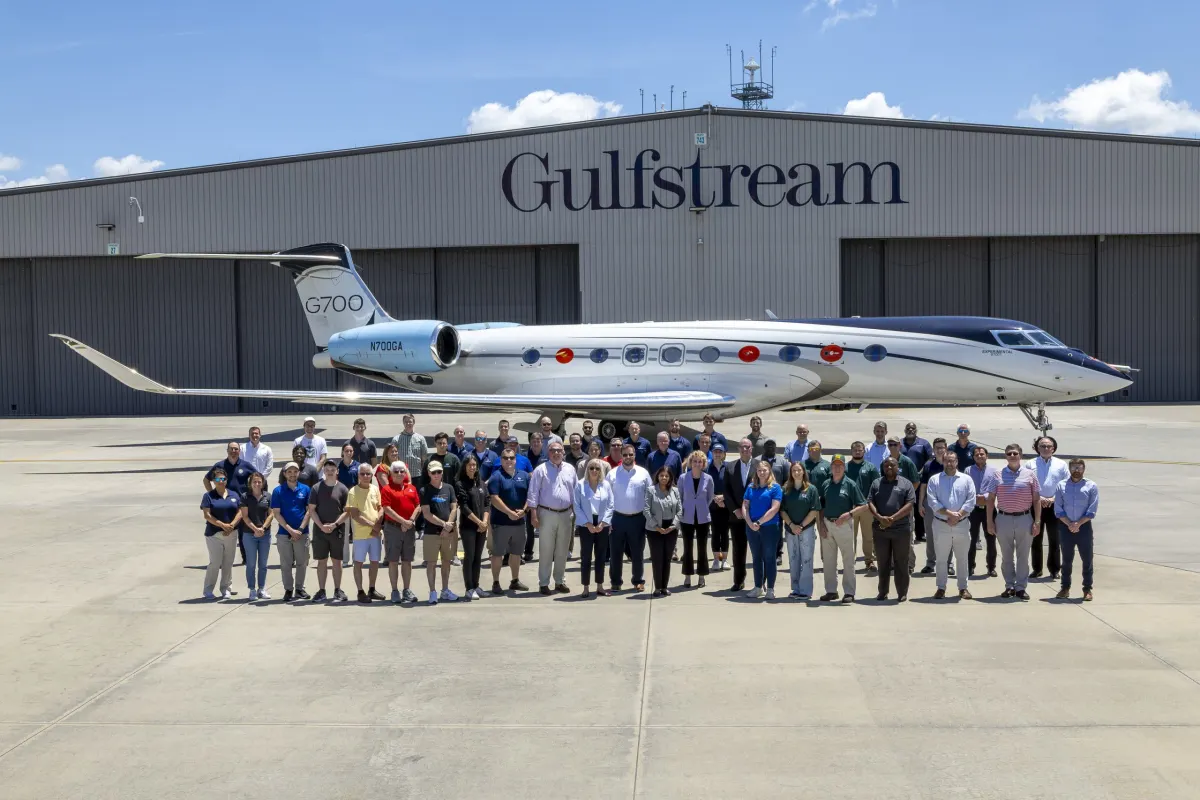
Gulfstream G800 Completes 100% SAF High-Altitude Emissions Test
Gulfstream tested 100% SAF on a G800 at 50,000 feet to measure emissions, marking a key step toward certifying unblended synthetic fuels.
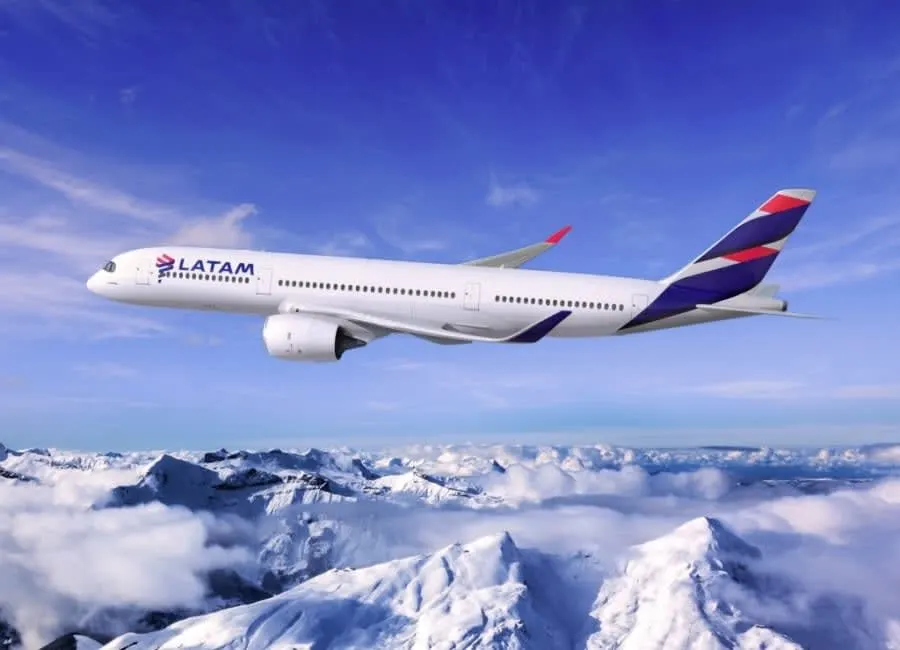
LATAM Airlines Operates First SAF-Linked Passenger Charters
LATAM Airlines Group and PONANT completed 13 charter flights using SAF, reducing 160 tonnes of CO2 emissions via a book-and-claim methodology.