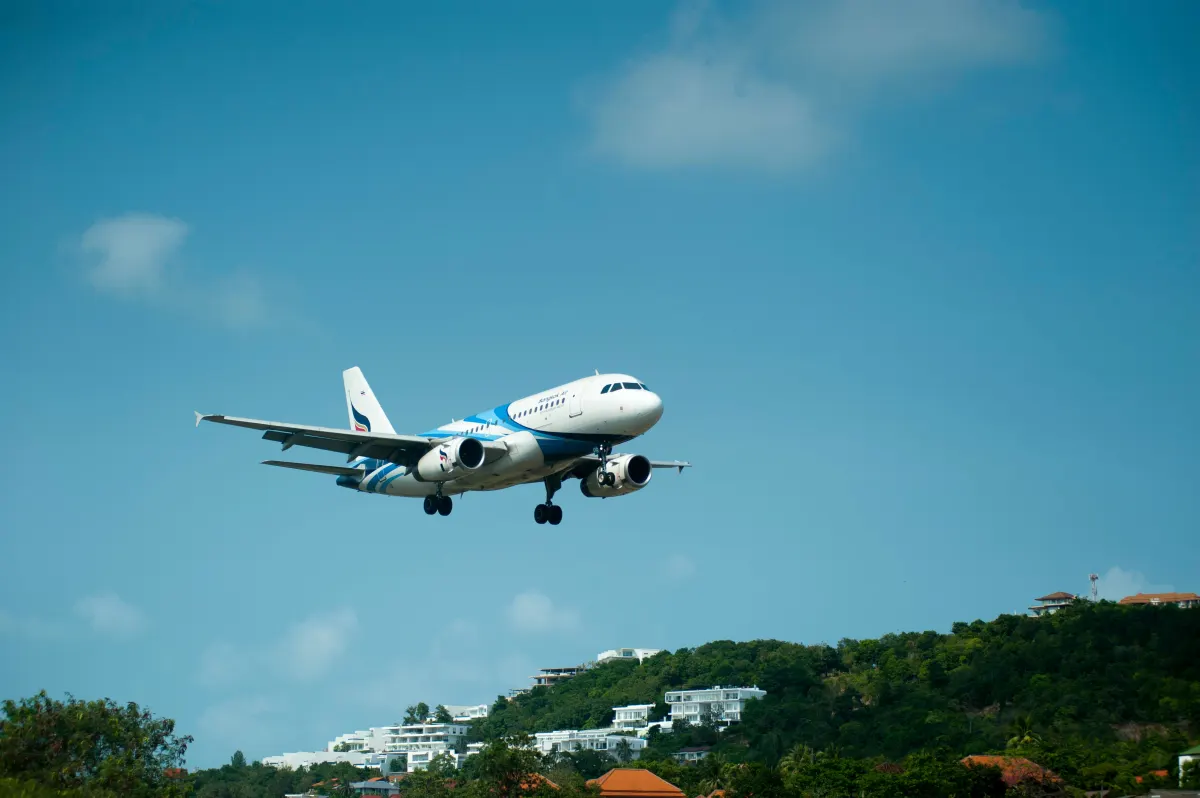
Delta, Shell Aviation Ink 5-Year SAF Supply Agreement


Delta Air Lines and Shell Aviation have signed a five-year agreement to supply Sustainable Aviation Fuel across five major U.S. hubs through 2030.
Key Takeaways
- •Delta and Shell Aviation sign a 5-year SAF supply agreement through 2030.
- •Agreement covers SAF delivery at LAX, PDX, JFK, BOS, and MSP airports.
- •Delta aims to replace 10% of annual jet fuel with SAF by 2030.
- •Multi-year offtake agreements provide revenue certainty for SAF producers.
Scaling Sustainable Aviation Fuel Infrastructure
Delta Air Lines is broadening its access to Sustainable Aviation Fuel (SAF) by partnering with Shell Aviation, a collaboration that spans multiple airports and marks a significant step in aviation decarbonization. According to the official Delta press release, the two companies have established a five-year agreement to scale SAF supply across five major U.S. hubs—LAX, PDX, JFK, BOS, and MSP—through 2030. This initiative represents a shift toward integrating lower-carbon fuel directly into existing airport infrastructure, rather than relying on isolated, one-off deliveries.
The Strategic Shift to Multi-Airport Integration
For Delta Air Lines, this Shell Aviation partnership is a key pillar of its broader sustainability strategy. Aviation emissions account for roughly 90% of the airline’s total carbon footprint, making the integration of SAF critical to achieving long-term net-zero goals. The airline has set a target to replace 10% of its conventional jet fuel consumption with SAF annually by the end of 2030. By securing a long-term offtake agreement, Delta provides the demand signals necessary for producers to finance facility expansions and secure reliable feedstock.
Amelia DeLuca, Delta’s Chief Sustainability Officer, noted the strategic importance of the move. According to DeLuca, the partnership demonstrates that scaling SAF is an achievable operational reality rather than a theoretical goal. The collaboration aims to activate real supply chains at scale, creating a scalable model for the wider industry to follow.
Historical Context and Regulatory Drivers
This agreement builds upon previous successes in SAF deployment. In April 2023, the Delta and Shell Aviation LAX SAF Agreement saw the airline commit to purchasing up to 10 million gallons of neat SAF for use at its Los Angeles hub. Furthermore, the successful first commercial-scale SAF delivery at PDX in late 2025 proved that blended SAF could be integrated into terminal hydrant systems without disrupting daily flight operations. These precedents highlight the transition from pilot testing to routine, daily logistics.
Economic viability remains supported by federal and state-level incentives. The U.S. Federal Government’s Inflation Reduction Act (IRA) SAF tax credits, alongside state-level programs like the Low Carbon Fuel Standard (LCFS), are instrumental in reducing the price premium associated with sustainable alternatives. These policies help bridge the cost gap, making large-scale offtake agreements economically sustainable at high-traffic hubs.
Why This Matters for Corporate Travel
This expansion has direct implications for corporate travel clients and SAF producers. For producers, multi-year commitments offer the revenue certainty required to invest in new refinery capacity. For corporate customers, increased SAF utilization at major hubs allows them to purchase environmental attributes to offset their business travel emissions. As Delta Air Lines continues to refine its SAF supply chain, the focus remains on maintaining operational reliability while meeting aggressive decarbonization milestones. The success of this five-year plan will be a primary indicator of the industry's ability to transition from legacy fuel dependencies to renewable alternatives.
Frequently Asked Questions
- What is the duration of the new Delta and Shell Aviation SAF agreement?
- The agreement is a five-year partnership that will facilitate the supply of Sustainable Aviation Fuel through the end of 2030.
- Which U.S. airports are included in the Delta and Shell SAF expansion?
- The five hubs included in the collaboration are Los Angeles International Airport (LAX), Portland International Airport (PDX), John F. Kennedy International Airport (JFK), Logan International Airport (BOS), and Minneapolis-St. Paul International Airport (MSP).
For in-depth airline coverage and commercial aviation news, omniflights.com delivers timely industry insights. For detailed airline coverage, route changes, and fleet moves, explore the Airlines section at omniflights.com/airlines.

Written by Hardik Vishwakarma
Co-Founder & Aviation News Editor leading initiatives that improve trust and visibility across the global aviation industry. Covers airlines, airports, safety, and emerging technology.
Visit ProfileYou Might Also Like

American Airlines Flies First U.S. eSAF Passenger Flight
Akasa Air Partners with BPCL to Advance SAF in India
Indonesia to Mandate 1% SAF Blend for Flights by 2027
Gulfstream G800 Completes 100% SAF High-Altitude Emissions Test
LATAM Airlines Operates First SAF-Linked Passenger Charters