IATA: 2026 SAF Production Covers Only 0.8% of Fuel Needs

Co-Founder & CEOAviation News Editor delivering trusted coverage across the global aviation industry.
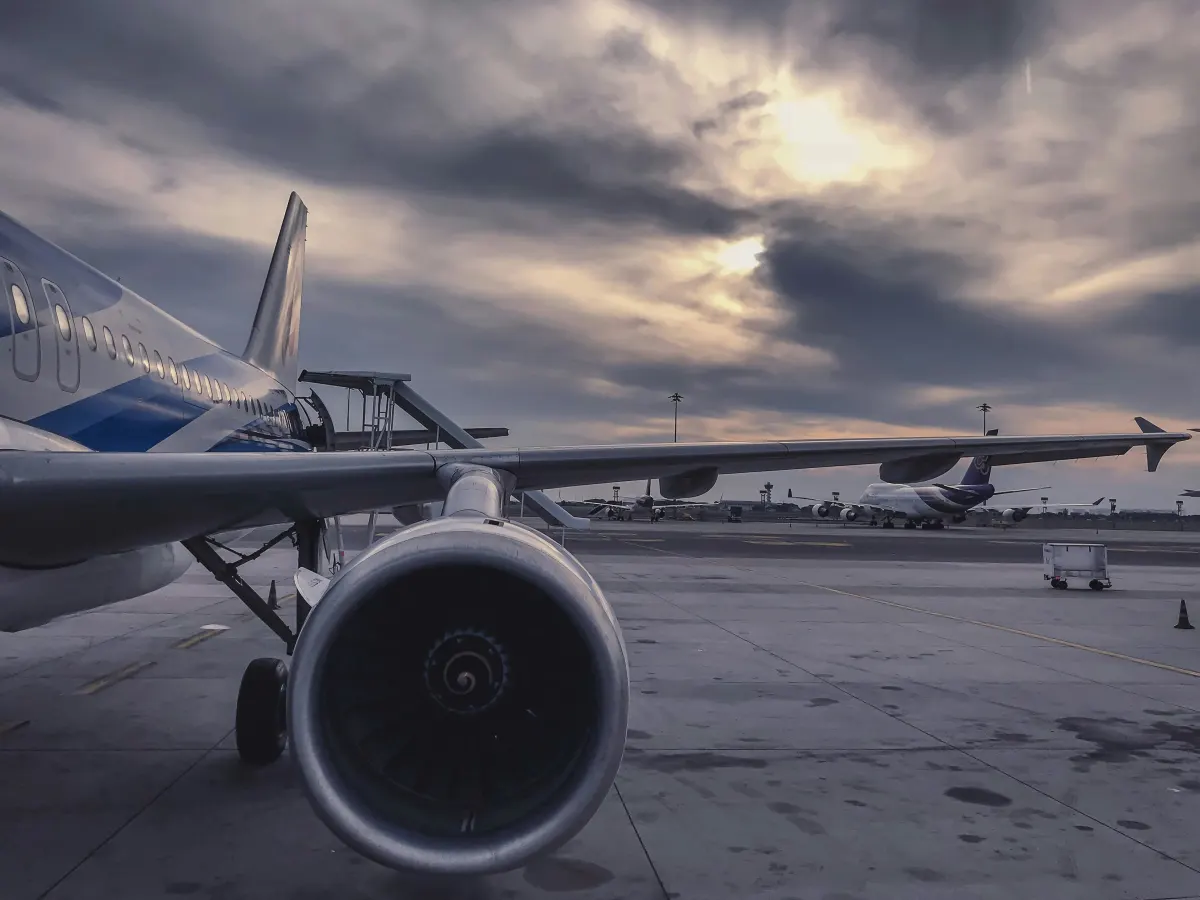
Global SAF production will reach 2.4 million tonnes in 2026, covering just 0.8% of airline needs at a $4.3 billion premium to the industry.
Key Takeaways
- •Global SAF production will reach 2.4 million tonnes in 2026.
- •SAF will meet only 0.8% of global airline fuel demand this year.
- •Airlines face a $4.3 billion cost premium for 2026 SAF volumes.
- •Zero final investment decisions for e-SAF facilities occurred this year.
The International Air Transport Association (IATA) has issued a stark warning regarding the pace of Sustainable Aviation Fuel (SAF) adoption, reporting that global production will reach only 2.4 million tonnes in 2026. This output accounts for a marginal 0.8% of total commercial aviation fuel demand, a figure the trade body describes as disappointing. The shortfall comes as airlines face an estimated $4.3 billion cost premium for these limited volumes, highlighting the growing economic strain of decarbonization efforts.
The Supply-Demand Gap
According to the latest IATA SAF portal data, the industry is struggling to scale production despite the urgency of the Aviation net zero 2050 goal. For context, global SAF production in 2025 stood at approximately 1.9 million metric tons, representing 0.6% of total fuel use. The incremental growth seen moving into 2026 remains significantly behind the trajectory required to meet the International Civil Aviation Organization (ICAO) long-term targets, which necessitate approximately 500 million tonnes of SAF by 2050.
Regulatory Misalignment
IATA Director General Willie Walsh criticized the current approach to government mandates, specifically pointing to the e-SAF (Electro Sustainable Aviation Fuel) requirements set by the European Union and the United Kingdom. These regional policies mandate that airlines utilize specific quotas of synthetic fuels by 2030. However, current operating and under-construction capacity for these fuels stands at only 0.02 million tonnes, far below the required 0.6 million tonnes mandated for that year.
"It looks to be another disappointing year for SAF production," Walsh stated at the June 2026 Annual General Meeting in Rio de Janeiro. "The path to meeting 65% of our needs in 2050 is growing more difficult with each year of ineffectively sequenced government policies and oil companies' manifest lack of interest." According to IATA's official press releases, zero final investment decisions for commercial-scale e-SAF facilities were recorded globally over the past twelve months, signaling a broader failure to migrate capital toward renewable aviation energy.
Historical Context and Market Impact
This regulatory tension mirrors the 2012 rollout of the EU Emissions Trading System (EU ETS) for international aviation. That initiative faced significant global pushback, eventually forcing the EU to limit its scope and accelerating the creation of the global CORSIA (Carbon Offsetting and Reduction Scheme for International Aviation) framework. Industry analysts suggest the current mandate-first approach mirrors these past pitfalls, where regional rules are implemented before supply chains are mature enough to support them.
For commercial airlines, the impact is immediate and high-severity. The $4.3 billion premium paid for SAF in 2026 represents a direct increase in operating costs without a corresponding increase in fuel security. While some regulatory bodies argue that mandates are necessary to force market creation, the current lack of investment in HEFA (Hydroprocessed Esters and Fatty Acids) and synthetic pathways suggests that airlines are currently paying for a supply that does not exist at scale.
Why This Matters for Decarbonization
The gap between policy and production creates a critical bottleneck for the industry's long-term sustainability. Without a shift in how governments incentivize refinery construction, the industry risks missing its 2050 net-zero commitments. For travelers, this means the cost of decarbonization will likely remain a volatility factor in ticket pricing, as airlines pass on the premium costs associated with securing scarce SAF supplies. The path forward remains dependent on whether governments can align their mandates with the realities of industrial production timelines.
Frequently Asked Questions
- What percentage of airline fuel needs will SAF cover in 2026?
- According to the IATA, sustainable aviation fuel production in 2026 is expected to cover only 0.8% of total global commercial aviation fuel demand.
- Why is the IATA critical of European e-SAF mandates?
- The IATA argues that EU and UK mandates for synthetic fuel usage are poorly sequenced, requiring airlines to use fuel that does not yet exist at the required scale, which drives up costs without incentivizing the necessary production infrastructure.
omniflights.com provides comprehensive commercial aviation news covering airlines, aircraft, and airports. For reporting on UAP sightings, investigations, and aviation-related encounters, see the UAPs section at omniflights.com/uaps.
Written by Hardik Vishwakarma
Co-Founder & Aviation News Editor leading initiatives that improve trust and visibility across the global aviation industry. Covers airlines, airports, safety, and emerging technology.
Visit ProfileYou Might Also Like
Discover more aviation news based on similar topics

American Airlines Flies First U.S. eSAF Passenger Flight
American Airlines completed the first U.S. commercial flight using Infinium eSAF, a synthetic fuel that reduces lifecycle emissions by over 90%.
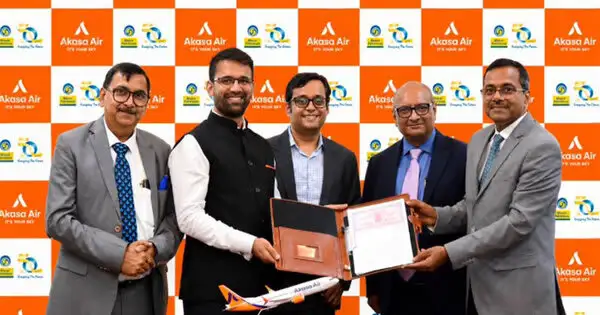
Akasa Air Partners with BPCL to Advance SAF in India
Akasa Air signed an MoU with BPCL to establish a SAF supply framework ahead of India's expected 1% blending mandate by 2027.

Delta, Shell Aviation Ink 5-Year SAF Supply Agreement
Delta Air Lines and Shell Aviation have signed a five-year agreement to supply Sustainable Aviation Fuel across five major U.S. hubs through 2030.
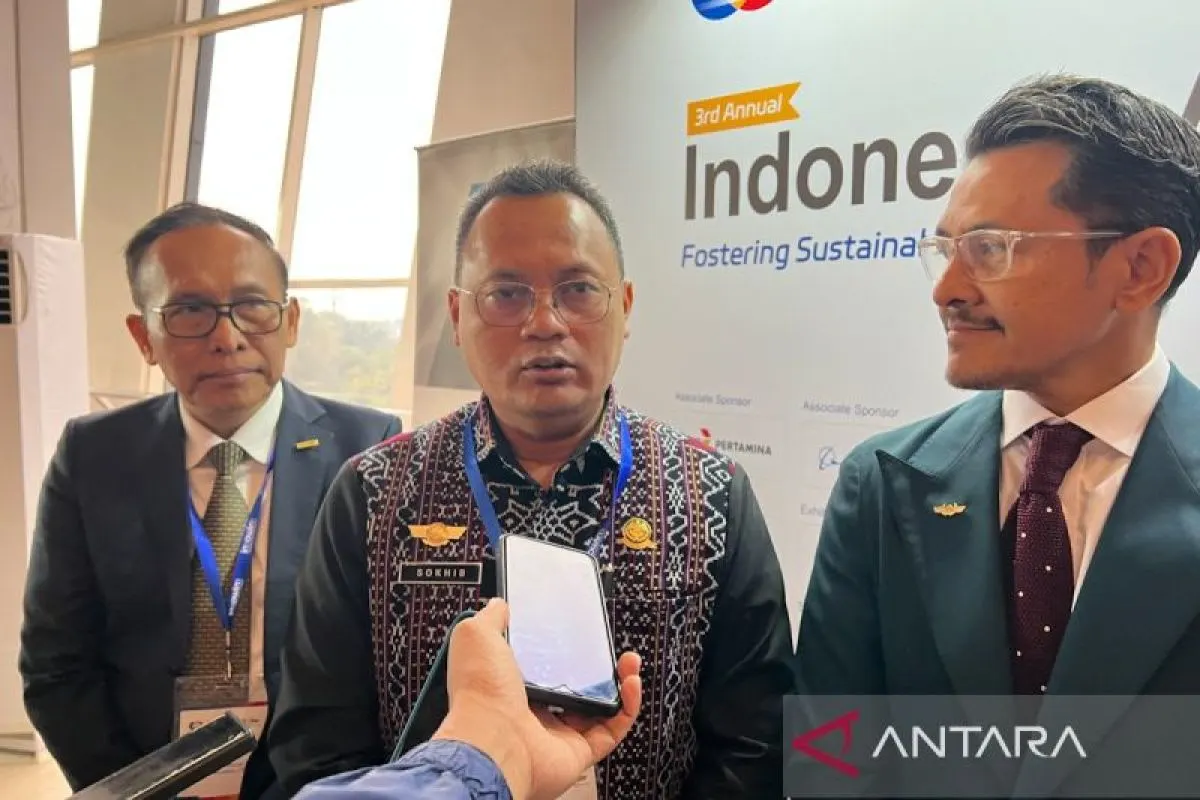
Indonesia to Mandate 1% SAF Blend for Flights by 2027
Indonesia will require a 1% Sustainable Aviation Fuel blend on international flights departing from Jakarta and Bali starting in 2027.
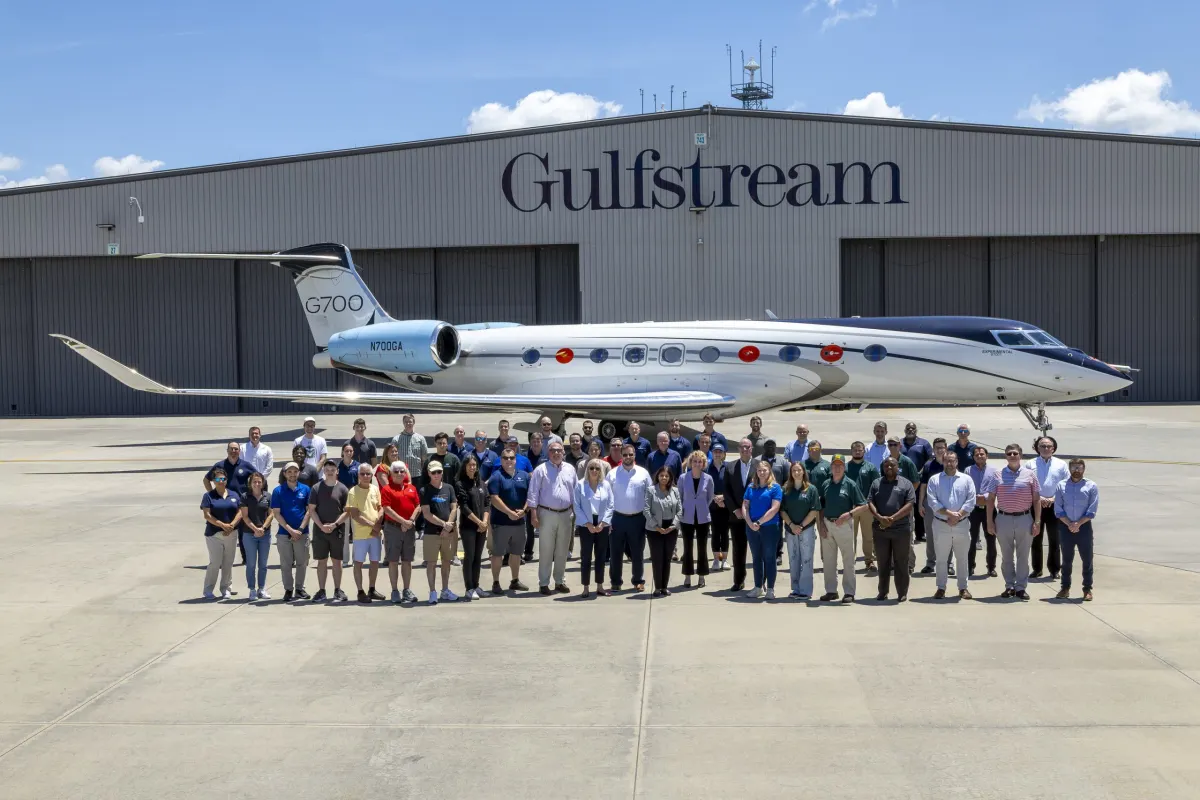
Gulfstream G800 Completes 100% SAF High-Altitude Emissions Test
Gulfstream tested 100% SAF on a G800 at 50,000 feet to measure emissions, marking a key step toward certifying unblended synthetic fuels.
LATAM Airlines Operates First SAF-Linked Passenger Charters
LATAM Airlines Group and PONANT completed 13 charter flights using SAF, reducing 160 tonnes of CO2 emissions via a book-and-claim methodology.