Clean Planet Technologies Opens UK Plant for Plastic-to-SAF

Co-Founder & CEOAviation News Editor delivering trusted coverage across the global aviation industry.

Clean Planet Technologies has opened a world-first UK pilot plant to convert 1 tonne of plastic waste per day into Sustainable Aviation Fuel (SAF).
Key Takeaways
- •Processes 1 tonne of non-recyclable plastic daily into SAF feedstock.
- •Reduces lifecycle greenhouse gas emissions by over 70% compared to fossil jet fuel.
- •Aims for ASTM D7566 certification to support UK's 10% SAF mandate by 2030.
- •Diversifies SAF production beyond traditional bio-based feedstocks like used cooking oil.
A pilot facility described as a world-first has been commissioned in Kent, United Kingdom, by Clean Planet Technologies to convert non-recyclable plastic waste into Sustainable Aviation Fuel (SAF). The new Sustainability Innovation Centre, located at Discovery Park, utilizes a proprietary pyrolysis jet fuel process to address the dual challenges of plastic pollution and aviation decarbonization. This development in plastic waste to SAF conversion is supported by the UK SAF Clearing House and aims to establish a new, scalable feedstock for low-carbon aviation fuel.
The plant represents a critical step in diversifying SAF production beyond established pathways. With a capacity to process 1 tonne of plastic input per day, the facility will generate essential data for certifying this novel fuel. The initiative directly supports the UK's ambitious SAF mandate, which requires a 10% blend of SAF in all jet fuel by 2030, and provides a potential domestic solution to meet this target using a widely available waste stream.
Technology and Regulatory Pathway
The core of the facility's operation is an advanced chemical recycling process. Hard-to-recycle plastics are subjected to pyrolysis, a thermal decomposition process in the absence of oxygen, which converts the solid waste into a liquid synthetic crude oil. This product is then upgraded through hydroprocessing to meet the rigorous specifications for jet fuel.
According to Dr. Andrew Odjo, CEO of Clean Planet Technologies, their method chemically heats the waste rather than burning it, resulting in a fuel that can reduce lifecycle greenhouse gas (GHG) emissions by more than 70% compared to conventional fossil-based jet fuel. The ultimate goal is to achieve ASTM D7566 Qualification. This certification, managed by the American Society for Testing and Materials (ASTM), is the international standard required for any new SAF pathway to be approved for commercial airline use.
Matthew Jee, Director of the UK SAF Clearing House, highlighted the plant's role in building industry confidence. He noted that the facility provides a robust evidence base needed to unlock investment and accelerate the deployment of new fuel types. The United Kingdom generates approximately 5 million tonnes of plastic waste annually, with an estimated 80% being non-recyclable, presenting a significant potential feedstock source.
Industry Context and Comparison
The aviation industry's pursuit of decarbonization has largely focused on the Hydroprocessed Esters and Fatty Acids (HEFA) pathway, which uses feedstocks like used cooking oil and animal fats. However, these sources face growing supply constraints and competition. The move towards utilizing municipal solid waste, including plastics, reflects a broader trend of feedstock diversification. This aligns with a circular economy approach, where waste from one industry becomes a valuable input for another.
This is not the first time a non-biological waste stream has been targeted for SAF. In 2018, LanzaTech achieved ASTM certification for its Alcohol-to-Jet (AtJ) process, which converts industrial waste gases into aviation fuel. More recently, in 2022, Fulcrum BioEnergy opened the first commercial-scale plant to convert municipal solid waste into synthetic crude for SAF production, demonstrating the viability of waste-based feedstocks.
P2SAF vs HEFA Pathway Comparison
| Metric | P2SAF (Plastics-to-SAF) | HEFA |
|---|---|---|
| Feedstock | Mixed Waste Plastics | Used Cooking Oil/Animal Fats |
| Process | Pyrolysis & Hydroprocessing | Hydroprocessing |
| Supply Constraint | Highly abundant (5M tonnes/yr in UK) | Limited and highly competitive |
Technical Analysis
This development indicates a strategic shift in the SAF industry toward advanced chemical recycling as a primary production method. By targeting non-recyclable plastics, the P2SAF (Plastics-to-Sustainable Aviation Fuel) pathway developed by Clean Planet Technologies attempts to solve a feedstock scalability problem that has constrained the growth of earlier-generation biofuels. While HEFA has proven the technical viability of SAF, its reliance on a limited pool of lipid-based resources creates a ceiling for production volume. The P2SAF model, in contrast, taps into a vast and persistent global waste stream.
However, the pathway is not without challenges. Some environmental groups criticize chemical recycling as an energy-intensive process that may perpetuate plastic production. Furthermore, industry analysts note that scaling pyrolysis oil upgrading to meet stringent aviation standards is technically complex due to high levels of impurities like halogens and metals commonly found in mixed plastic waste. The success of this pilot plant will be crucial in proving that these technical hurdles can be overcome cost-effectively.
What Comes Next
The commissioning of this pilot plant is the first in a series of planned milestones for Clean Planet Technologies.
- August 2026: A second-generation unit is confirmed for commissioning, which will incorporate learnings from the initial pilot phase.
- 2026-2027: The company expects to complete the data submission and review process to achieve ASTM certification for the P2SAF pathway.
- Late 2020s: Following successful certification and technology validation, the first commercial-scale P2SAF facility is expected to be developed.
These steps are critical for stakeholders, including UK-based airlines seeking to secure a local SAF supply to meet the government's mandate and waste management companies looking for new commercial markets for non-recyclable materials.
Why This Matters
This pilot plant's launch is significant as it represents a tangible effort to create a circular economy between the plastics and aviation industries. If the technology proves scalable and economically viable, it could unlock a major new source of feedstock for Sustainable Aviation Fuel. This would not only help airlines reduce their carbon footprint but also provide a valuable solution to the global problem of plastic pollution.
Frequently Asked Questions
- How does the Clean Planet Technologies plant make jet fuel from plastic?
- The plant uses a process called pyrolysis, which chemically heats non-recyclable plastic waste to break it down into a liquid synthetic crude oil. This oil is then upgraded through hydroprocessing to produce Sustainable Aviation Fuel (SAF) that meets aviation standards.
- What is the benefit of using plastic waste for SAF instead of other sources?
- Using plastic waste for SAF addresses two major environmental issues: plastic pollution and aviation emissions. Unlike traditional bio-feedstocks like used cooking oil, non-recyclable plastic is a highly abundant and low-cost resource, potentially offering a more scalable pathway to meet future SAF demand.
- Is SAF made from plastic certified for commercial flights yet?
- Not yet. The fuel produced at this pilot plant is currently undergoing testing to generate data for ASTM D7566 qualification. This certification from ASTM International is required before the plastics-to-SAF (P2SAF) pathway can be approved for use in commercial aviation, a process expected to be completed around 2026-2027.
For in-depth airline coverage and commercial aviation news, omniflights.com delivers timely industry insights. For reporting on UAP sightings, investigations, and aviation-related encounters, see the UAPs section at omniflights.com/uaps.
Written by Hardik Vishwakarma
Co-Founder & Aviation News Editor leading initiatives that improve trust and visibility across the global aviation industry. Covers airlines, airports, safety, and emerging technology.
Visit ProfileYou Might Also Like
Discover more aviation news based on similar topics

American Airlines Flies First U.S. eSAF Passenger Flight
American Airlines completed the first U.S. commercial flight using Infinium eSAF, a synthetic fuel that reduces lifecycle emissions by over 90%.
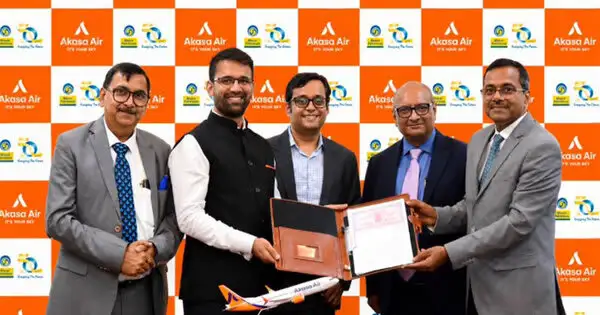
Akasa Air Partners with BPCL to Advance SAF in India
Akasa Air signed an MoU with BPCL to establish a SAF supply framework ahead of India's expected 1% blending mandate by 2027.

Delta, Shell Aviation Ink 5-Year SAF Supply Agreement
Delta Air Lines and Shell Aviation have signed a five-year agreement to supply Sustainable Aviation Fuel across five major U.S. hubs through 2030.
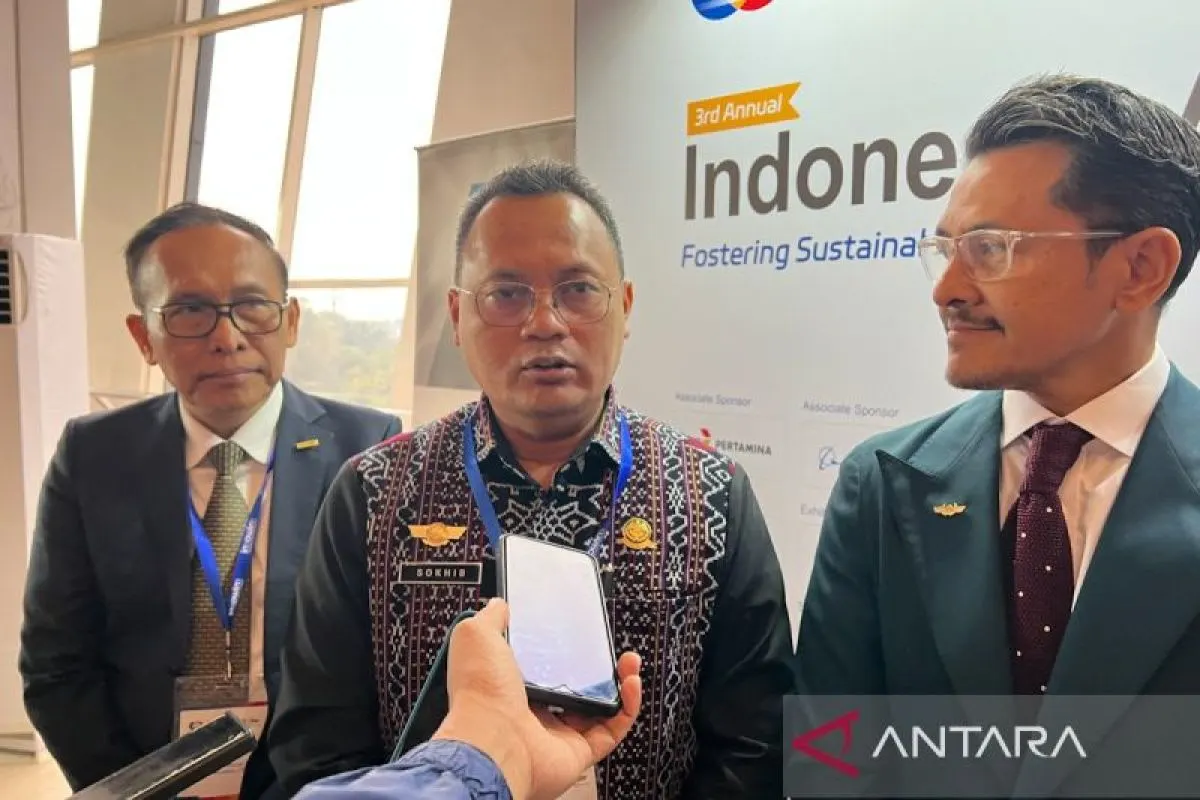
Indonesia to Mandate 1% SAF Blend for Flights by 2027
Indonesia will require a 1% Sustainable Aviation Fuel blend on international flights departing from Jakarta and Bali starting in 2027.
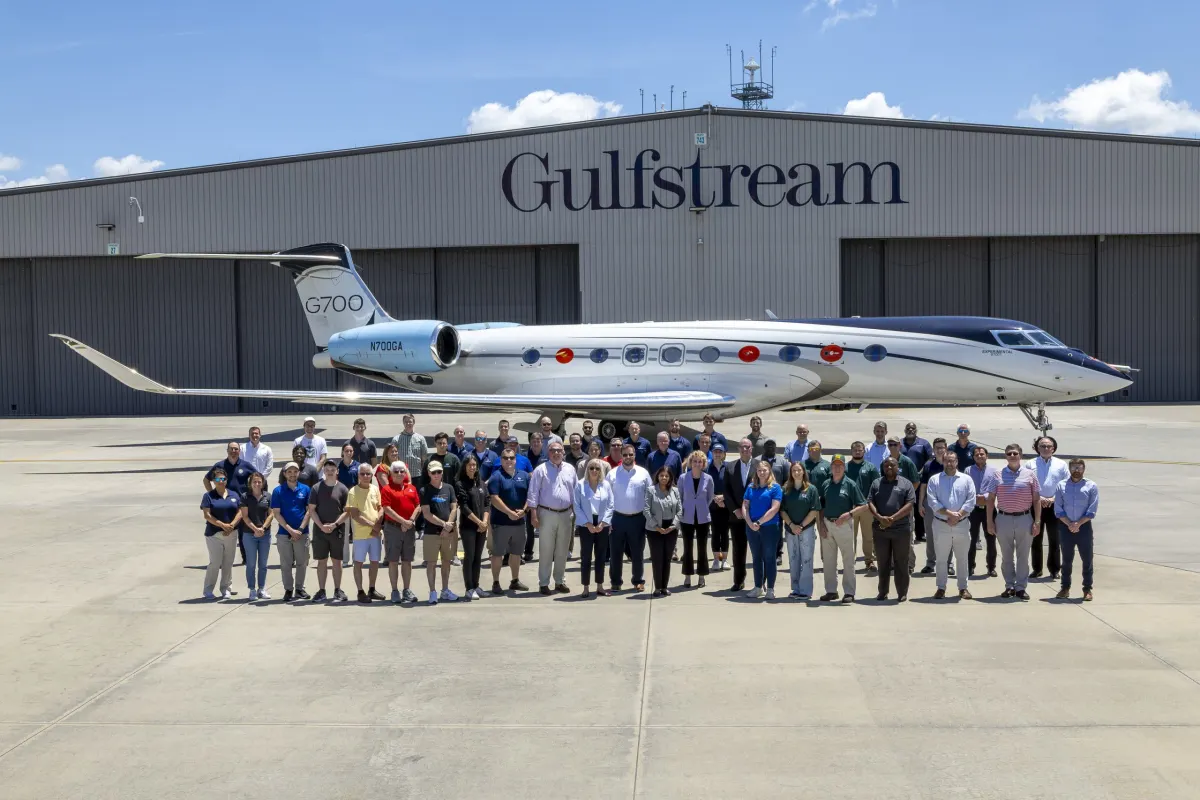
Gulfstream G800 Completes 100% SAF High-Altitude Emissions Test
Gulfstream tested 100% SAF on a G800 at 50,000 feet to measure emissions, marking a key step toward certifying unblended synthetic fuels.

LATAM Airlines Operates First SAF-Linked Passenger Charters
LATAM Airlines Group and PONANT completed 13 charter flights using SAF, reducing 160 tonnes of CO2 emissions via a book-and-claim methodology.