IATA Warns 2050 Net-Zero at Risk as SAF Production Stalls

Co-Founder & CEOAviation News Editor delivering trusted coverage across the global aviation industry.
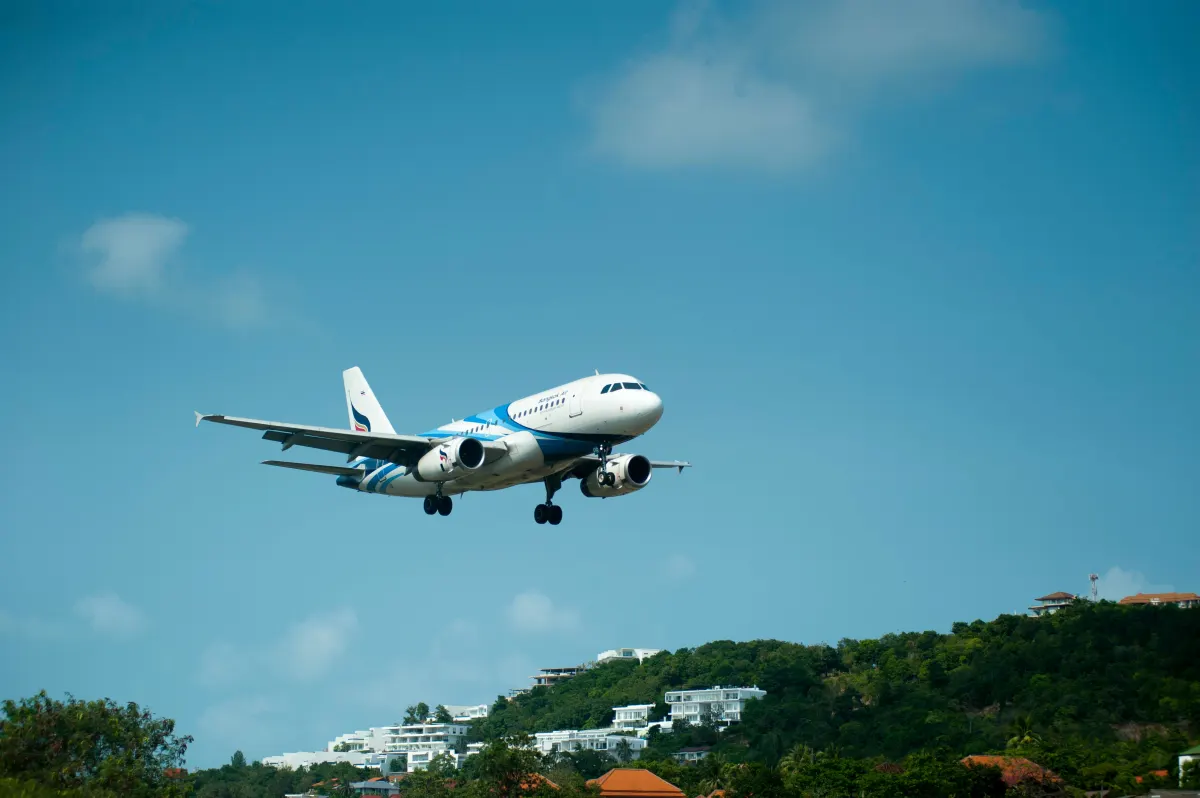
IATA reports 2026 sustainable aviation fuel production will hit only 2.4 million tonnes, covering just 0.8% of global demand and threatening climate goals.
Key Takeaways
- •IATA projects 2026 SAF production will meet only 0.8% of global fuel demand.
- •SAF procurement will cost airlines $4.3 billion in 2026 due to price premiums.
- •Aviation's 2050 net-zero goal relies on SAF for 65% of carbon mitigation.
- •IATA blames insufficient government policy and oil industry inaction for delays.
The International Air Transport Association (IATA) has issued a stark warning regarding the industry's path to carbon neutrality, citing a "disappointing year" for Sustainable Aviation Fuel (SAF) production. With the sector's IATA net-zero 2050 roadmap relying on SAF to provide 65% of necessary carbon mitigation, current supply levels remain critically below the trajectory required to lower airline carbon emissions.
2026 Production Outlook
According to IATA data released ahead of its Annual General Meeting, global SAF production is projected to reach only 2.4 million tonnes in 2026. This output accounts for a mere 0.8% of total worldwide aviation fuel consumption. The supply bottleneck is compounded by significant financial burdens; procuring this limited volume will cost the airline industry an estimated $4.3 billion due to the fuel's high price premium compared to conventional Jet A-1. You can track ongoing industry targets and policy frameworks via the IATA Sustainable Aviation Fuels (SAF) Portal.
Structural Barriers to Scale
IATA Director General Willie Walsh explicitly criticized the lack of progress, noting that five years after the industry committed to net-zero, output remains negligible. Walsh attributed the shortfall to ineffectively sequenced government policies and a lack of interest from major oil companies in diversifying refinery capacity. While the HEFA (Hydroprocessed Esters and Fatty Acids) refining pathway remains the primary method for current production, the industry faces severe bottlenecks in scaling e-SAF (power-to-liquid) technology. There has been a notable absence of final investment decisions for new commercial-scale refineries over the past year, leaving the industry vulnerable to rising regulatory costs under the CORSIA (Carbon Offsetting and Reduction Scheme for International Aviation) framework, which requires airlines to offset emissions exceeding 85% of 2019 levels. Further details on these international requirements are available through the ICAO CORSIA portal.
Stakeholder Impact and Alternative Perspectives
For commercial airlines, the supply-demand mismatch creates a structural threat to profit margins, which are already under pressure. Passengers should anticipate higher ticket prices as carriers pass on the significant cost premiums associated with SAF procurement. Meanwhile, alternative perspectives highlight growing scrutiny from environmental groups and regulators. The EU Consumer Protection Cooperation Network has signaled that airlines may face enforcement actions for marketing flights as "sustainable" when actual SAF blends remain below 1%. Additionally, some agricultural organizations have raised concerns that global SAF targets could inadvertently compete with food production or exacerbate deforestation if feedstocks are not managed sustainably.
Conventional Jet Fuel vs. Sustainable Aviation Fuel
| Metric | Conventional Jet Fuel (Jet A-1) | Sustainable Aviation Fuel (HEFA) |
|---|---|---|
| Lifecycle CO2 Reduction | Baseline (0%) | Up to 80% reduction |
| Blending Limit | 100% | Currently capped at 50% |
| Price | Baseline | 3 to 5 times more expensive |
The Path Toward 2030 Mandates
This development follows a historical pattern of missed targets, reminiscent of the 2011-2018 period when the FAA (Federal Aviation Administration) failed to meet its goal of 1 billion gallons of annual SAF usage. The current trajectory suggests that without aggressive policy intervention, the industry will struggle to meet the ReFuelEU Aviation Initiative, which mandates a 6% SAF blending requirement for flights departing EU airports by 2030. The industry is now looking toward 2027 as a critical pivot point, when the second phase of CORSIA offsetting becomes mandatory for a broader range of ICAO member states. This regulatory shift will force a reckoning between the industry's ambitious climate pledges and the physical reality of fuel supply chains.
Frequently Asked Questions
- Why is SAF production failing to meet IATA 2050 net-zero targets?
- SAF production is currently hampered by ineffectively sequenced government policies, high price premiums three to five times that of conventional fuel, and a lack of investment from oil companies in new refinery capacity.
- What percentage of global aviation fuel demand will SAF meet in 2026?
- According to IATA, projected SAF production of 2.4 million tonnes in 2026 will cover only 0.8% of total global aviation fuel demand.
Access up-to-date commercial aviation news and airline industry developments via omniflights.com. From aircraft production to supply chains, commercial aviation manufacturing news is covered at omniflights.com/manufacturing.
Written by Hardik Vishwakarma
Co-Founder & Aviation News Editor leading initiatives that improve trust and visibility across the global aviation industry. Covers airlines, airports, safety, and emerging technology.
Visit ProfileYou Might Also Like
Discover more aviation news based on similar topics

American Airlines Flies First U.S. eSAF Passenger Flight
American Airlines completed the first U.S. commercial flight using Infinium eSAF, a synthetic fuel that reduces lifecycle emissions by over 90%.
Akasa Air Partners with BPCL to Advance SAF in India
Akasa Air signed an MoU with BPCL to establish a SAF supply framework ahead of India's expected 1% blending mandate by 2027.

Delta, Shell Aviation Ink 5-Year SAF Supply Agreement
Delta Air Lines and Shell Aviation have signed a five-year agreement to supply Sustainable Aviation Fuel across five major U.S. hubs through 2030.
Indonesia to Mandate 1% SAF Blend for Flights by 2027
Indonesia will require a 1% Sustainable Aviation Fuel blend on international flights departing from Jakarta and Bali starting in 2027.
Gulfstream G800 Completes 100% SAF High-Altitude Emissions Test
Gulfstream tested 100% SAF on a G800 at 50,000 feet to measure emissions, marking a key step toward certifying unblended synthetic fuels.
LATAM Airlines Operates First SAF-Linked Passenger Charters
LATAM Airlines Group and PONANT completed 13 charter flights using SAF, reducing 160 tonnes of CO2 emissions via a book-and-claim methodology.