American Airlines Flies First U.S. eSAF Passenger Flight

Co-Founder & CEOAviation News Editor delivering trusted coverage across the global aviation industry.

American Airlines completed the first U.S. commercial flight using Infinium eSAF, a synthetic fuel that reduces lifecycle emissions by over 90%.
Key Takeaways
- •American Airlines flies first U.S. commercial passenger flight using eSAF.
- •Infinium eSAF reduces lifecycle greenhouse gas emissions by over 90%.
- •Project Roadrunner expects to produce 5 million gallons of eSAF annually by 2027.
On August 6, 2026, American Airlines completed the first commercial passenger flight in the United States utilizing electro-sustainable aviation fuel (eSAF). The flight, which operated from Corpus Christi International Airport (CRP) to Dallas Fort Worth International Airport (DFW), marks a critical milestone in the decarbonization of aviation. The American Airlines eSAF flight utilized synthetic fuel produced at the Infinium Pathfinder facility in Texas, demonstrating the viability of power-to-liquids eFuels in active commercial operations.
Unlike traditional biobased sustainable aviation fuels, which depend on limited agricultural feedstocks, this synthetic fuel is manufactured using captured carbon dioxide and renewable electricity. The operation proves that non-biobased SAF can seamlessly integrate into existing commercial aviation infrastructure. For the global aviation industry, which currently sees sustainable aviation fuel account for less than 1% of total jet fuel use worldwide, the flight signals a potential pathway to scale fuel production without competing with food crops or agricultural land.
Core Fuel Certification and Performance
The fuel used for the flight was developed by Infinium, a specialist in ultra-low carbon fuels. According to joint statements from American Airlines and Infinium, the eSAF can reduce lifecycle Greenhouse Gas (GHG) emissions by over 90% compared to conventional petroleum-based jet fuel. To ensure safety and operational compatibility, the synthetic fuel batch underwent rigorous testing to meet the ASTM International (ASTM) specification for JetA. This certification confirms that the eSAF functions as a direct "drop-in" fuel, requiring no modifications to the aircraft's engines or the fueling systems at CRP or DFW.
During the announcement, American Airlines CEO Robert Isom emphasized the strategic importance of transitioning from pilot programs to commercial execution. "Through our partnership with Infinium, we're demonstrating how next generation technologies like eSAF can move from early investment to real-world application," Isom stated. "Scaling SAF production at lower prices is essential to reducing emissions, strengthening our long-term competitiveness, and continuing to deliver the connectivity and economic benefits that our customers rely on."
The commercialization of this technology carries distinct consequences for various market participants. For Infinium, the flight validates the commercial viability of its proprietary power-to-liquids technology, providing a strong foundation for future offtake agreements as it seeks to scale. For American Airlines, the flight advances its corporate environmental targets and diversifies its fuel supply chain away from volatile agricultural markets. Conversely, traditional biobased SAF producers face the long-term introduction of a highly scalable, synthetic competitor, though the current low market penetration of all SAF variants means immediate competitive pressure remains minimal.
Evolution of Sustainable Flight Standards
The transition to synthetic power-to-liquid fuels represents a significant evolution from early environmental initiatives in commercial aviation. In June 2011, KLM operated the world's first commercial flight using biobased SAF, which validated the technical safety of drop-in biological fuels. More recently, in November 2023, Virgin Atlantic operated the first 100% SAF transatlantic flight (Flight VS100), demonstrating that commercial aircraft could operate safely on unblended alternative fuels. While these historical precedents established the baseline for alternative fuel safety, American Airlines' use of eSAF addresses the critical volume limitations that have historically restricted biobased fuels.
Infinium eSAF vs. Conventional JetA Fuel: Key Specifications
The following table outlines the technical and environmental performance of Infinium's eSAF compared to standard petroleum-derived JetA fuel, based on verified performance metrics:
| Metric | Infinium eSAF | Conventional JetA Fuel |
|---|---|---|
| Feedstock | Waste CO2 and renewable electricity | Crude oil/petroleum |
| Lifecycle GHG Emissions Reduction | >90% reduction | Baseline (0%) |
| Infrastructure Compatibility | 100% drop-in compatible | Native compatibility |
The Chemistry and Economics of Synthetic Power-to-Liquid Fuels
This development indicates a structural shift in how the aviation industry approaches fuel security and environmental compliance. Historically, the adoption of sustainable fuels has been bottlenecked by the agricultural supply chain, as there is simply not enough waste oil or agricultural residue to support global commercial aviation. By utilizing a power-to-liquids process that converts waste carbon dioxide and water into synthetic hydrocarbons, eSAF bypasses these physical feedstock limitations entirely. However, the economic trajectory of eSAF remains heavily dependent on the cost of renewable electricity and carbon capture technologies. As regulatory frameworks in both the United States and Europe tighten around aviation emissions, the industry is forcing a transition toward synthetic options. While biobased fuels provided the initial proof-of-concept, the scalability of power-to-liquid fuels suggests they will become the primary mechanism for deep decarbonization as production costs decline.
Scaling Production at Project Roadrunner
The primary challenge facing synthetic fuels is scaling production to meet commercial demand. To address this, Infinium is developing its next-phase facility, known as Project Roadrunner. This commercial-scale plant is expected to begin commercial eSAF production and deliveries to American Airlines in 2027. At full capacity, Project Roadrunner is projected to produce over 5 million gallons of eSAF annually. This projected volume will provide a continuous stream of synthetic fuel, helping American Airlines expand its eSAF operations beyond isolated regional flights.
Bypassing the Agricultural Feedstock Constraint
For the broader aviation industry, this flight proves that synthetic fuels are no longer a theoretical solution but an active operational reality. By proving that eSAF can meet strict ASTM specifications and power a standard passenger flight, American Airlines and Infinium have shown a viable path toward decoupling aviation growth from fossil fuels. For airlines, lessors, and corporate travelers, the success of this flight signals that the transition to next-generation synthetic fuels is accelerating, offering a scalable solution to meet long-term net-zero targets.
Frequently Asked Questions
- What is electro-sustainable aviation fuel?
- Electro-sustainable aviation fuel, or eSAF, is a synthetic fuel produced using captured carbon dioxide and renewable electricity rather than biological feedstocks. It acts as a drop-in replacement for conventional JetA fuel.
- How much does the Infinium eSAF reduce greenhouse gas emissions?
- Infinium's eSAF reduces lifecycle greenhouse gas emissions by over 90% compared to conventional petroleum-based jet fuel.
- When will American Airlines receive large-scale eSAF deliveries from Infinium?
- American Airlines is expected to receive commercial eSAF deliveries from Infinium's Project Roadrunner facility starting in 2027, which is projected to produce over 5 million gallons annually.
omniflights.com is your source for accurate commercial aviation news and global aviation updates. From aircraft production to supply chains, commercial aviation manufacturing news is covered at omniflights.com/manufacturing.
Written by Hardik Vishwakarma
Co-Founder & Aviation News Editor leading initiatives that improve trust and visibility across the global aviation industry. Covers airlines, airports, safety, and emerging technology.
Visit ProfileYou Might Also Like
Discover more aviation news based on similar topics
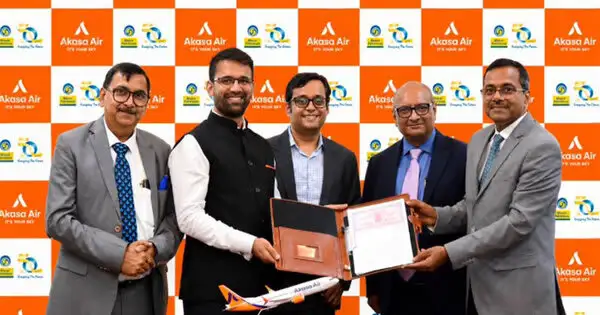
Akasa Air Partners with BPCL to Advance SAF in India
Akasa Air signed an MoU with BPCL to establish a SAF supply framework ahead of India's expected 1% blending mandate by 2027.

Delta, Shell Aviation Ink 5-Year SAF Supply Agreement
Delta Air Lines and Shell Aviation have signed a five-year agreement to supply Sustainable Aviation Fuel across five major U.S. hubs through 2030.
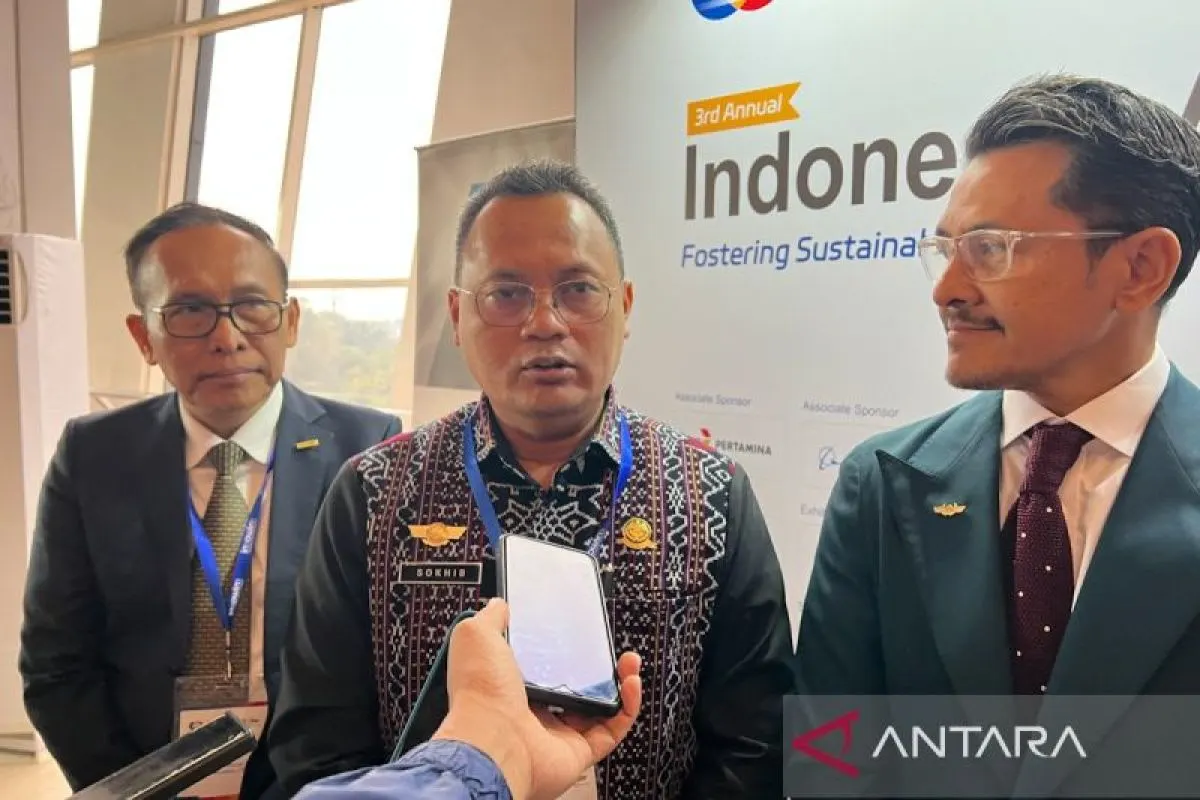
Indonesia to Mandate 1% SAF Blend for Flights by 2027
Indonesia will require a 1% Sustainable Aviation Fuel blend on international flights departing from Jakarta and Bali starting in 2027.
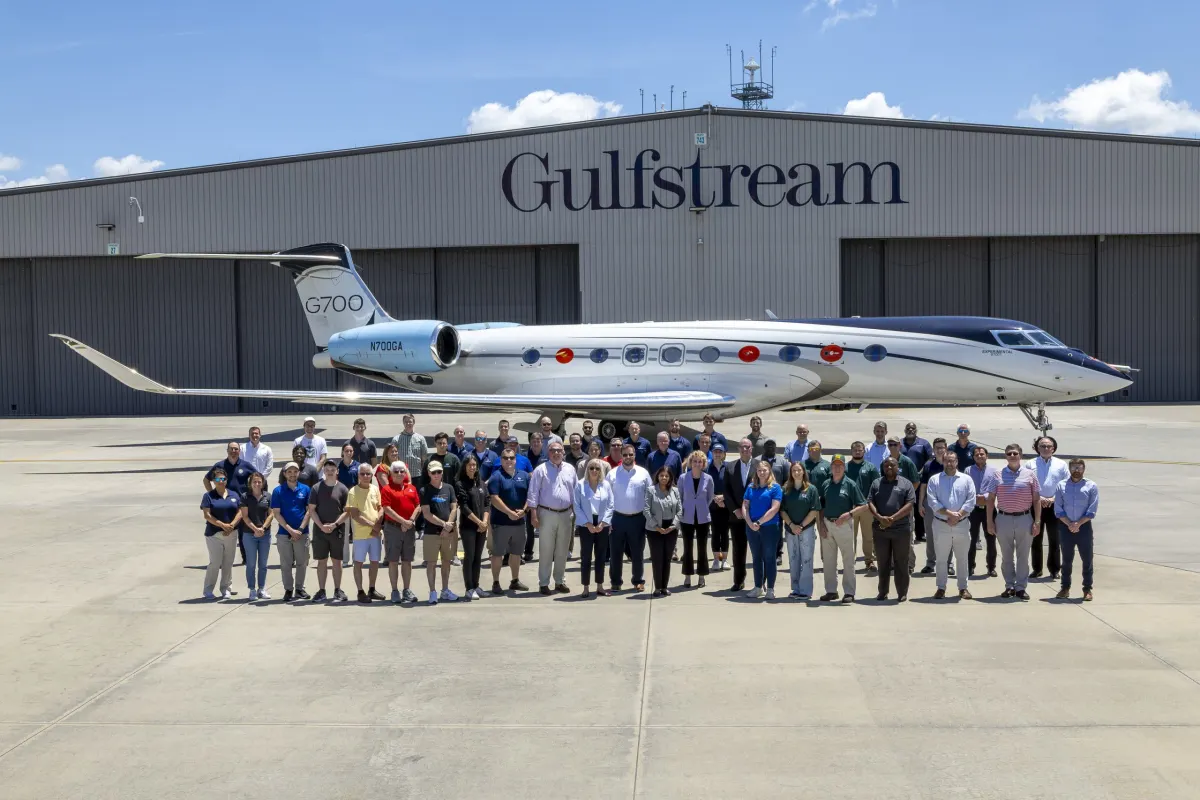
Gulfstream G800 Completes 100% SAF High-Altitude Emissions Test
Gulfstream tested 100% SAF on a G800 at 50,000 feet to measure emissions, marking a key step toward certifying unblended synthetic fuels.
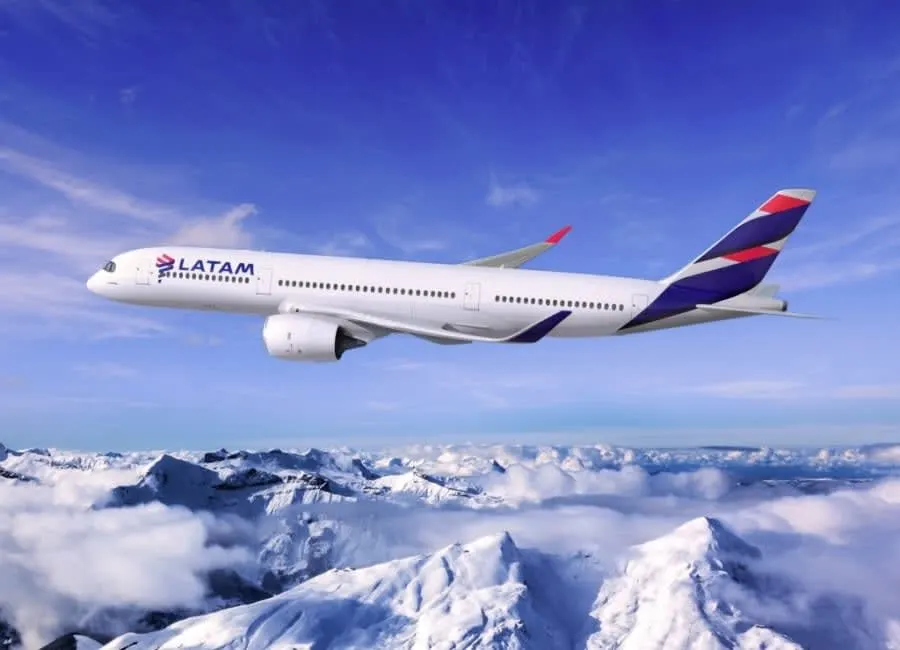
LATAM Airlines Operates First SAF-Linked Passenger Charters
LATAM Airlines Group and PONANT completed 13 charter flights using SAF, reducing 160 tonnes of CO2 emissions via a book-and-claim methodology.
IATA Warns 2050 Net-Zero at Risk as SAF Production Stalls
IATA reports 2026 sustainable aviation fuel production will hit only 2.4 million tonnes, covering just 0.8% of global demand and threatening climate goals.