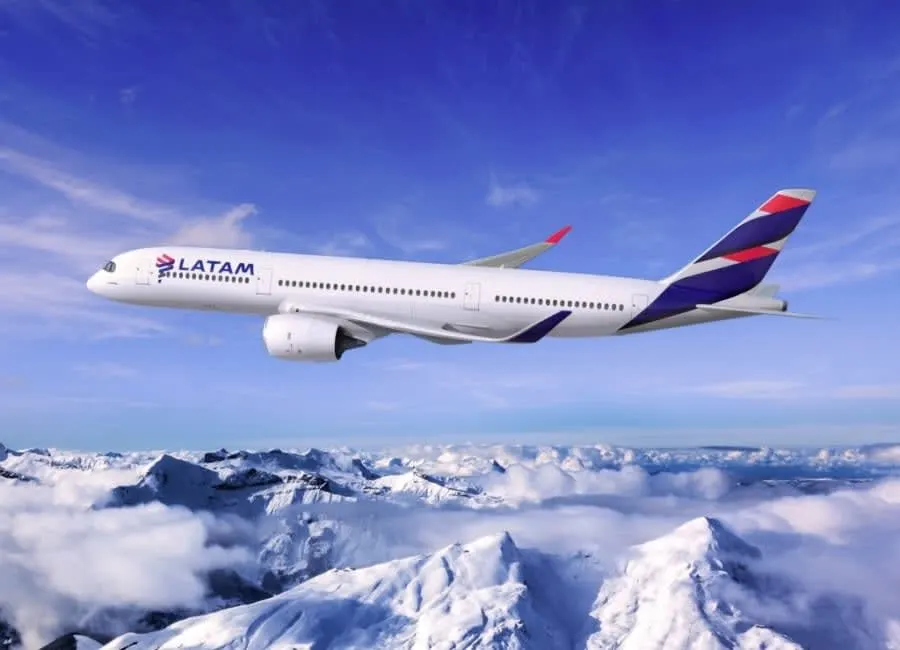
MAG Cuts 103,424 Tonnes of CO2 via Fleet Modernization

Malaysia Aviation Group cut 103,424 tonnes of CO2 in 2025 by deploying fuel-efficient Airbus A330neo and Boeing 737-8 aircraft across its network.
Key Takeaways
- •MAG reduced CO2 emissions by 103,424 tonnes in 2025 via fleet renewal.
- •Fuel-efficient A330neo and 737-8 aircraft saved 30,036 tonnes of fuel.
- •Fleet compliance with ICAO Chapter 14 noise standards rose to 15.6%.
- •MAG introduced a 2% SAF blend for UK and European departures.
Fleet Modernization Drives Emissions Reductions
Malaysia Aviation Group (MAG) has achieved a significant milestone in its environmental sustainability journey, reporting a reduction of over 103,424 tonnes of carbon dioxide (CO2) emissions in 2025. This progress is primarily attributed to a strategic fleet modernization program, which emphasizes the induction of newer, more fuel-efficient aircraft. The transition to the Airbus A330neo and Boeing 737-8 has proven instrumental in lowering the group’s overall carbon footprint, resulting in verified fuel savings of 30,036 tonnes across its global operations.
Philip See, Group Chief Sustainability Officer at MAG, emphasized that sustainability is a core enabler of the airline's Long-Term Business Plan 3.0 (LTBP3.0). He noted that the transition to a lower-carbon future requires practical, measurable outcomes driven by operational efficiencies, new-generation aircraft investments, and industry partnerships.
Advancing Environmental Standards
Beyond absolute carbon reductions, MAG has made measurable progress in noise mitigation. According to the company's 2025 Sustainability Report, the proportion of its fleet meeting the stringent International Civil Aviation Organization (ICAO) Chapter 14 noise standards increased from 8.6% in 2023 to 15.6% in 2025. This improvement provides tangible benefits to local communities near major hubs like Kuala Lumpur International Airport (KUL).
To further align with international environmental mandates, MAG has implemented a 2% Sustainable Aviation Fuel (SAF) blend for flights departing from the UK and Europe. This initiative reflects the broader industry trend of securing supply chains for alternative fuels ahead of global regulatory requirements. The carrier is also partnering with regional energy producers, such as PETRONAS, to scale SAF pilot programs.
A330neo vs A330ceo: Key Specifications
| Metric | Airbus A330neo (A330-900) | Airbus A330ceo |
|---|---|---|
| Engines | Rolls-Royce Trent 7000 | Trent 700 |
| Fuel Efficiency | 14% less fuel per seat | Baseline |
| Wingspan | 64m (composite winglets) | 60.3m |
Boeing 737-8 vs Boeing 737-800: Key Specifications
| Metric | Boeing 737-8 (MAX) | Boeing 737-800 (NG) |
|---|---|---|
| Engines | CFM LEAP-1B | CFM56-7B |
| Winglets | Advanced Technology dual-feather | Blended winglets |
| Fuel Efficiency | 15% lower fuel consumption | Baseline |
Technical Analysis: The Efficiency Trajectory
The data suggests that MAG’s strategy follows a well-established industry pattern where fleet renewal serves as the most immediate lever for carbon reduction. By replacing legacy widebody and narrowbody airframes with new-generation variants like the A330neo and 737 MAX, carriers typically realize 14-25% lower fuel burn per seat. Historically, similar fleet transitions by regional competitors—such as Singapore Airlines—have proven that this capital-intensive approach is necessary to decouple capacity growth from absolute emissions. However, environmental advocacy groups have argued that technological improvements alone may be insufficient to reach net-zero targets as total global flight capacity continues to expand.
Future Fleet Milestones
MAG continues to refine its fleet composition to meet long-term sustainability goals. The group has confirmed the delivery of 20 additional A330neo aircraft scheduled between 2029 and 2031. Furthermore, management is expected to initiate a Request for Proposals (RFP) for A350 replacements between late 2025 and early 2026. These investments remain critical for maintaining compliance with ICAO noise standards and meeting future carbon reduction targets.
Why This Matters for Regional Aviation
This development signals a shift in Southeast Asian aviation, where carriers are increasingly prioritizing ESG (Environmental, Social, and Governance) metrics to secure financing and operational licenses. For stakeholders, including engine manufacturers like Rolls-Royce and energy partners like PETRONAS, MAG’s commitment to fleet modernization ensures long-term revenue streams and strategic alignment. The success of these initiatives demonstrates that mid-sized network carriers can effectively leverage modern OEM technology to achieve measurable environmental gains.
Frequently Asked Questions
- How much carbon dioxide did Malaysia Aviation Group reduce in 2025?
- Malaysia Aviation Group reduced its carbon dioxide emissions by 103,424 tonnes in 2025, largely driven by its fleet modernization efforts.
- What aircraft models is Malaysia Aviation Group using to improve fuel efficiency?
- The group is modernizing its fleet with the Airbus A330neo and Boeing 737-8, which offer significant improvements in fuel efficiency compared to previous generation aircraft.
Visit omniflights.com for the latest commercial aviation news and airline industry updates. Stay informed on aviation incidents, investigations, and best practices in the Safety category at omniflights.com/safety.

Written by Hardik Vishwakarma
Co-Founder & Aviation News Editor leading initiatives that improve trust and visibility across the global aviation industry. Covers airlines, airports, safety, and emerging technology.
Visit ProfileYou Might Also Like

American Airlines Flies First U.S. eSAF Passenger Flight
Akasa Air Partners with BPCL to Advance SAF in India

Delta, Shell Aviation Ink 5-Year SAF Supply Agreement
Indonesia to Mandate 1% SAF Blend for Flights by 2027
Gulfstream G800 Completes 100% SAF High-Altitude Emissions Test