DHL Express Signs Bahrain SAF Deal for 25,000 Tons

Co-Founder & CEOAviation News Editor delivering trusted coverage across the global aviation industry.

DHL Express will source 25,000 metric tons of SAF annually from SAF One's new Bahrain facility, with deliveries scheduled to begin in 2028.
Key Takeaways
- •DHL Express signs SAF offtake deal with SAF One in Bahrain.
- •Agreement covers 25,000 metric tons of SAF annually starting in 2028.
- •Establishes first Middle East SAF production source for DHL's network.
- •The deal supports DHL's long-term decarbonization strategy for air cargo.
DHL Express has signed a significant offtake agreement with SAF One to procure 25,000 metric tons of Sustainable Aviation Fuel (SAF) annually. The deal, announced by parent company DHL Group, secures a long-term supply from SAF One's forthcoming production facility in Bahrain, with deliveries slated to commence in 2028. This agreement marks a strategic milestone for the logistics giant, integrating the first SAF production source from the Middle East into its global supply network.
The move is a critical component of DHL's broader strategy to decarbonize its air freight operations. By securing a substantial volume of SAF years in advance, the company aims to meet its environmental targets and reduce its reliance on conventional jet fuel. The agreement underscores a growing industry trend where major air cargo operators are moving beyond spot purchases to establish long-term partnerships that guarantee future SAF availability and help foster the development of new production capacity worldwide.
Details of the Agreement
The partnership commits DHL Express to purchasing 25,000 metric tons of SAF each year once the Bahrain facility becomes operational. The 2028 start date reflects the typical timeline required for the construction, certification, and commissioning of new advanced biofuel plants. While financial details of the offtake agreement were not disclosed, such long-term commitments are vital for producers like SAF One to secure the financing necessary for capital-intensive projects.
The location of the facility in Bahrain is strategically important for DHL's global logistics network. Bahrain is a key operational hub in the Middle East, and sourcing fuel locally will reduce the logistical complexity and carbon footprint associated with transporting SAF from production centers in other regions, such as Europe or North America. This localized supply chain is expected to enhance operational efficiency for DHL's extensive network of flights transiting through the region.
Strategic Importance and Industry Context
For DHL Express, this agreement represents a tangible step toward achieving its sustainability objectives. The air cargo industry is under increasing pressure from customers and regulators to mitigate its environmental impact, and SAF is currently the most viable pathway to reduce carbon emissions from aviation in the short to medium term. Securing supply is a major challenge, as global SAF production remains a fraction of the total demand for aviation fuel.
By entering into this offtake agreement, DHL not only secures its own supply but also sends a strong demand signal to the market, encouraging further investment in SAF production infrastructure. This is particularly significant in the Middle East, a region traditionally dominated by fossil fuel production. The establishment of a SAF facility in Bahrain signals a potential shift in the region's energy landscape and positions it as a future contributor to the global supply of sustainable fuels.
Technical Analysis
The agreement between DHL Express and SAF One exemplifies the maturation of the sustainable aviation fuel market. The industry is transitioning from nascent, government-supported pilot projects to commercially viable, large-scale production driven by corporate demand. Long-term offtake agreements are the primary commercial instrument enabling this transition, as they provide revenue certainty for producers and supply security for consumers.
This development also highlights the geographic diversification of SAF production. While early facilities were concentrated in North America and Europe, new projects are now emerging in Asia, South America, and, with this deal, the Middle East. This decentralization is crucial for creating a resilient and efficient global SAF supply chain, minimizing transportation costs and associated emissions. The four-year lead time until 2028 underscores the complex and lengthy process of bringing new SAF production online, involving significant engineering, construction, and regulatory hurdles.
What Comes Next
Over the next four years, the primary focus will be on SAF One's development of its Bahrain production facility. This will involve securing final investment decisions, completing construction, and obtaining the necessary certifications to produce and supply SAF that meets international aviation standards. The project's progress will be a key indicator of the Middle East's capacity to become a reliable SAF production hub.
For its part, DHL Express will begin planning the integration of this new SAF supply into its fueling operations for its Middle East and global flight networks. This involves logistical planning to ensure the blended fuel can be efficiently delivered to aircraft at key airports. The success of this initiative will likely serve as a blueprint for similar agreements by DHL and its competitors in other strategic regions around the world.
Why This Matters
This agreement is a significant development for the air cargo industry's decarbonization efforts. It provides DHL Express with a secure, long-term supply of Sustainable Aviation Fuel in a critical geographic region, directly supporting its emissions reduction targets. Furthermore, it marks the emergence of Bahrain and the broader Middle East as a new, important player in the global SAF production landscape, helping to diversify and expand the world's limited supply of sustainable fuels.
Frequently Asked Questions
- What are the terms of the DHL Express and SAF One agreement?
- DHL Express has signed an agreement to purchase 25,000 metric tons of Sustainable Aviation Fuel (SAF) annually from SAF One. The deliveries are scheduled to begin in 2028 from SAF One's new production facility in Bahrain.
- Why is the DHL SAF deal in Bahrain significant?
- The deal is significant because it establishes the first Sustainable Aviation Fuel production facility in the Middle East within DHL's supply network. This move supports DHL's decarbonization goals and marks Bahrain's entry into the global SAF market.
From airline operations to fleet updates, commercial aviation news lives at omniflights.com. For reporting on UAP sightings, investigations, and aviation-related encounters, see the UAPs section at omniflights.com/uaps.
Written by Hardik Vishwakarma
Co-Founder & Aviation News Editor leading initiatives that improve trust and visibility across the global aviation industry. Covers airlines, airports, safety, and emerging technology.
Visit ProfileYou Might Also Like
Discover more aviation news based on similar topics

American Airlines Flies First U.S. eSAF Passenger Flight
American Airlines completed the first U.S. commercial flight using Infinium eSAF, a synthetic fuel that reduces lifecycle emissions by over 90%.
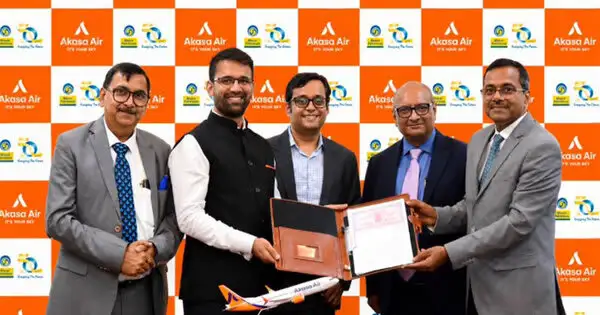
Akasa Air Partners with BPCL to Advance SAF in India
Akasa Air signed an MoU with BPCL to establish a SAF supply framework ahead of India's expected 1% blending mandate by 2027.

Delta, Shell Aviation Ink 5-Year SAF Supply Agreement
Delta Air Lines and Shell Aviation have signed a five-year agreement to supply Sustainable Aviation Fuel across five major U.S. hubs through 2030.
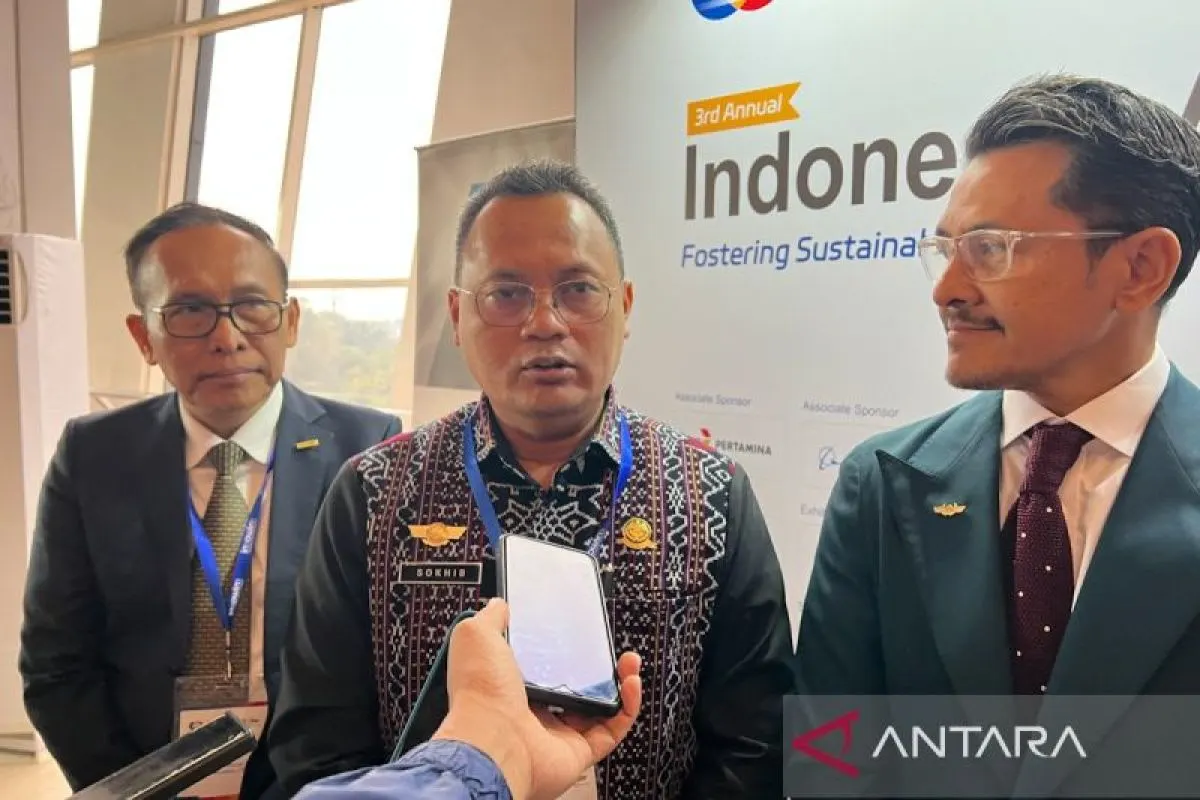
Indonesia to Mandate 1% SAF Blend for Flights by 2027
Indonesia will require a 1% Sustainable Aviation Fuel blend on international flights departing from Jakarta and Bali starting in 2027.
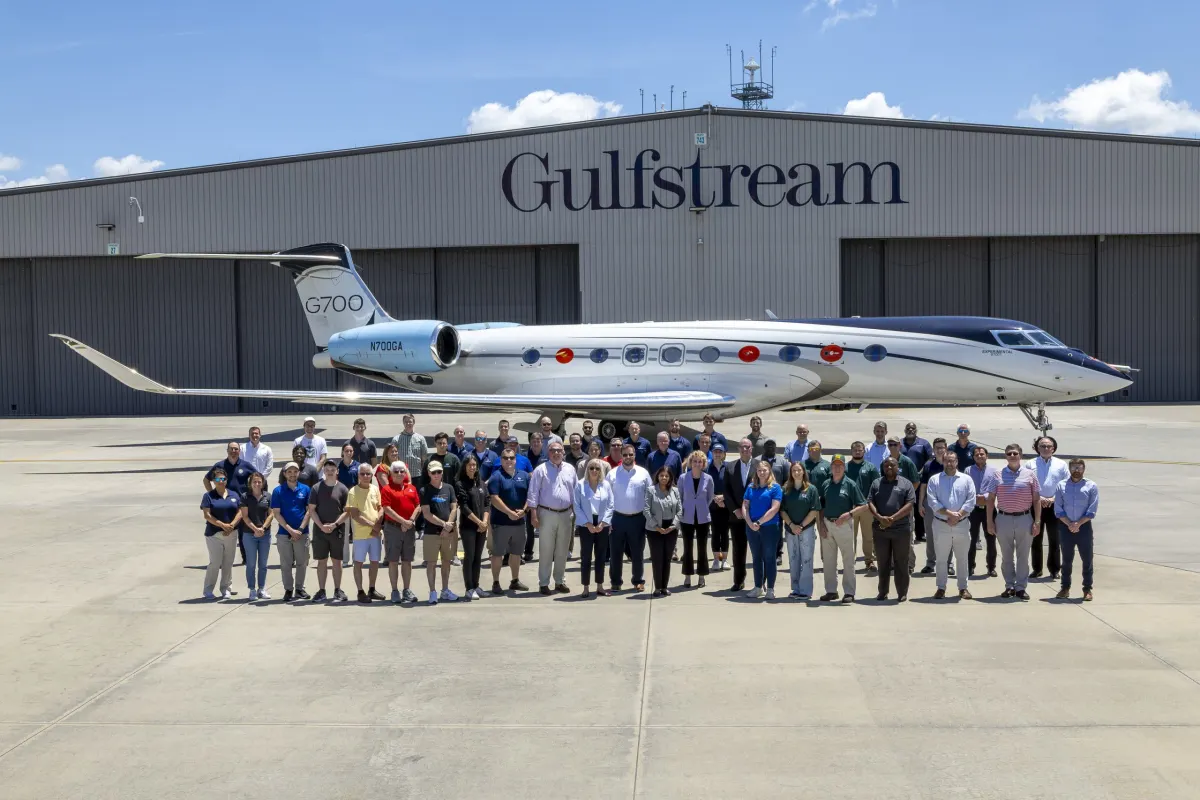
Gulfstream G800 Completes 100% SAF High-Altitude Emissions Test
Gulfstream tested 100% SAF on a G800 at 50,000 feet to measure emissions, marking a key step toward certifying unblended synthetic fuels.
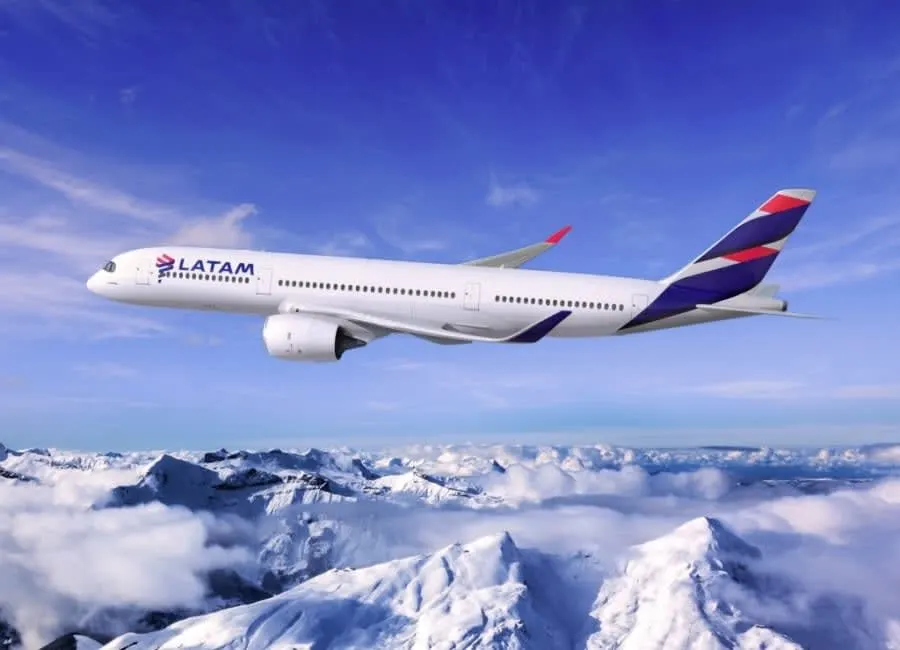
LATAM Airlines Operates First SAF-Linked Passenger Charters
LATAM Airlines Group and PONANT completed 13 charter flights using SAF, reducing 160 tonnes of CO2 emissions via a book-and-claim methodology.