Flydubai Flight 1073 Captain Recalls Cockpit Attack
Flydubai Flight 1073 captain Smit Machchhar describes surviving a violent cockpit assault by his co-pilot that caused a 17,000-foot altitude drop.
Oct 18, 20263 min

Safety
127 aviation articles tagged “Middle East”
Flydubai Flight 1073 captain Smit Machchhar describes surviving a violent cockpit assault by his co-pilot that caused a 17,000-foot altitude drop.
Yemen's government reported two missiles landed near a Yemenia Airlines flight at Aden International Airport, threatening civilian aviation safety.
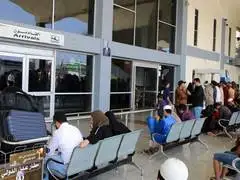
Saudi Arabia extended the closure of King Khalid International Airport until October 17 after Houthi attacks caused significant regional flight...

King Khalid International Airport remains closed until October 17 after Houthi missile strikes killed 13 and injured 320, causing mass cancellations.

Delta Air Lines postponed its new Atlanta-Riyadh service to March 2027 following deadly missile attacks at King Khalid International Airport.
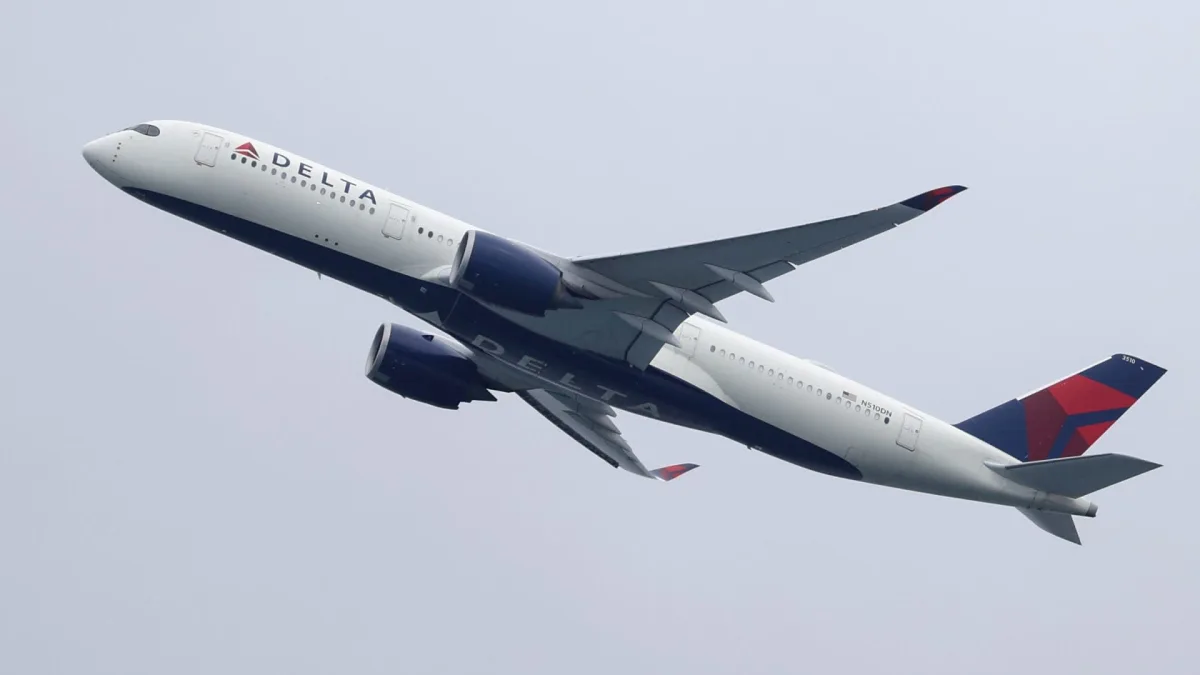
A missile strike on King Khalid International Airport killed 12 people and injured 309, forcing temporary flight suspensions across Saudi Arabia.

King Khalid International Airport suspended operations Saturday following an attack that caused multiple injuries and disrupted international flights.

A missile strike on King Khalid International Airport in Riyadh prompted mass flight cancellations and security evacuations on October 10, 2026.

A missile strike on King Khalid International Airport killed 12 people, forcing a total suspension of operations and widespread regional flight...
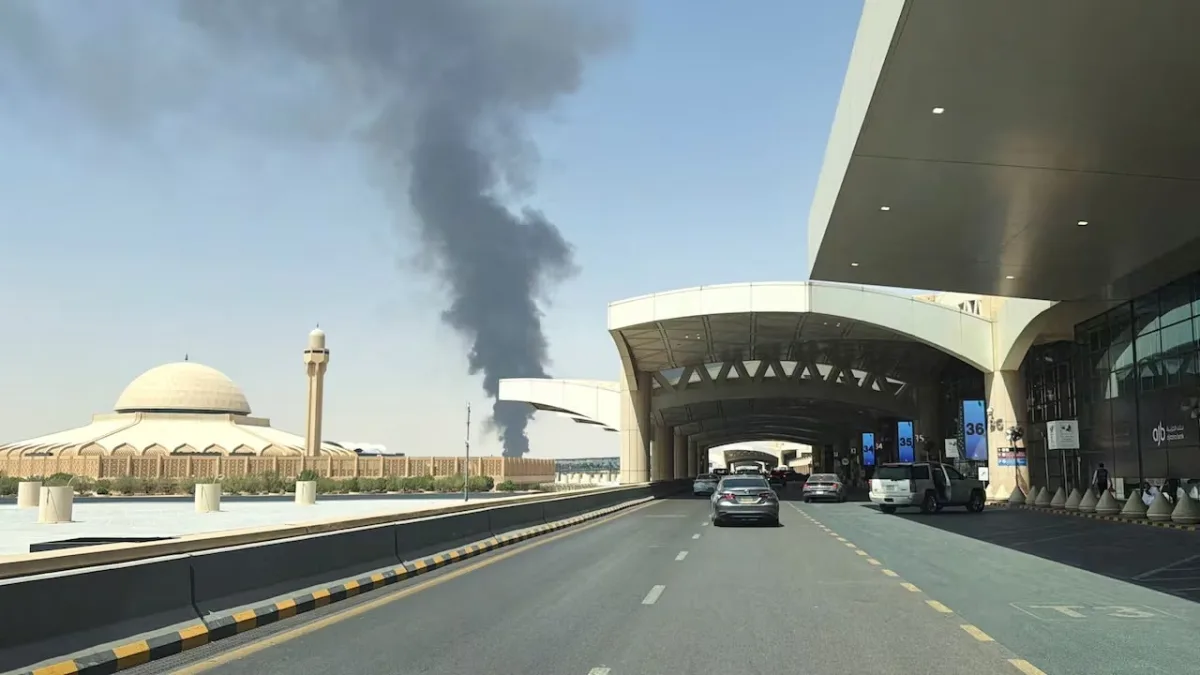
Three people died in attacks on King Khalid International Airport, prompting major regional carriers to cancel flights and EASA to issue safety warnings.

A Saudia Airbus A320 was destroyed by a Houthi missile strike at King Khalid International Airport, causing 293 flight cancellations across the hub.

Emirates recorded 8.7 million passengers in July and August 2026, reaching 93% of pre-disruption seat capacity as its global network nears full...

Qatar Airways is adding 186 weekly flights for the 2026-2027 winter season, significantly boosting capacity across global markets.
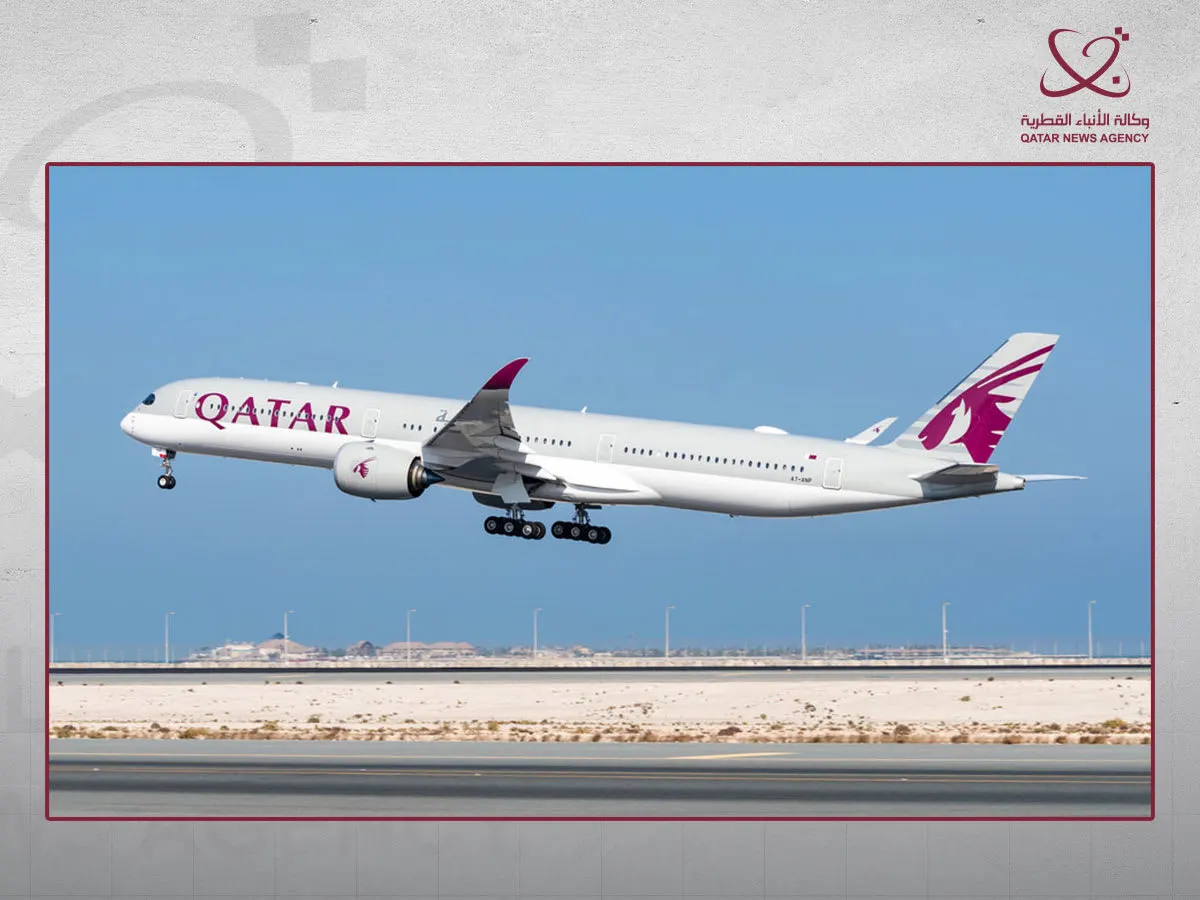
IATA projects Middle Eastern airlines will record a $4.3 billion net loss due to regional conflict and widespread airspace closures.

UAE airlines resumed flights through Iranian airspace in August 2026, reducing travel times by 40 minutes on key routes like Dubai to Baku.

Qatar Airways will resume daily flights to Bahrain, Kuwait, and Erbil on August 8, restoring critical Gulf routes after a two-week suspension.
The US Treasury removed Fly Baghdad and 2 of its Boeing 737s from the SDN sanctions list following an administrative review.

Cathay Pacific reported a 71% surge in first-half profit to HK$6.24 billion, driven by strong passenger demand despite rising jet fuel costs.
Riyadh Air launched daily Boeing 787-9 flights to Mumbai and Dhaka, marking its South Asia expansion supported by a firm order of 67 Dreamliners.

Riyadh Air exercised options for 28 Boeing 787 Dreamliners, expanding its long-haul fleet to 67 aircraft to support global route growth.