Delta Delays Atlanta-Riyadh Launch After Airport Attack

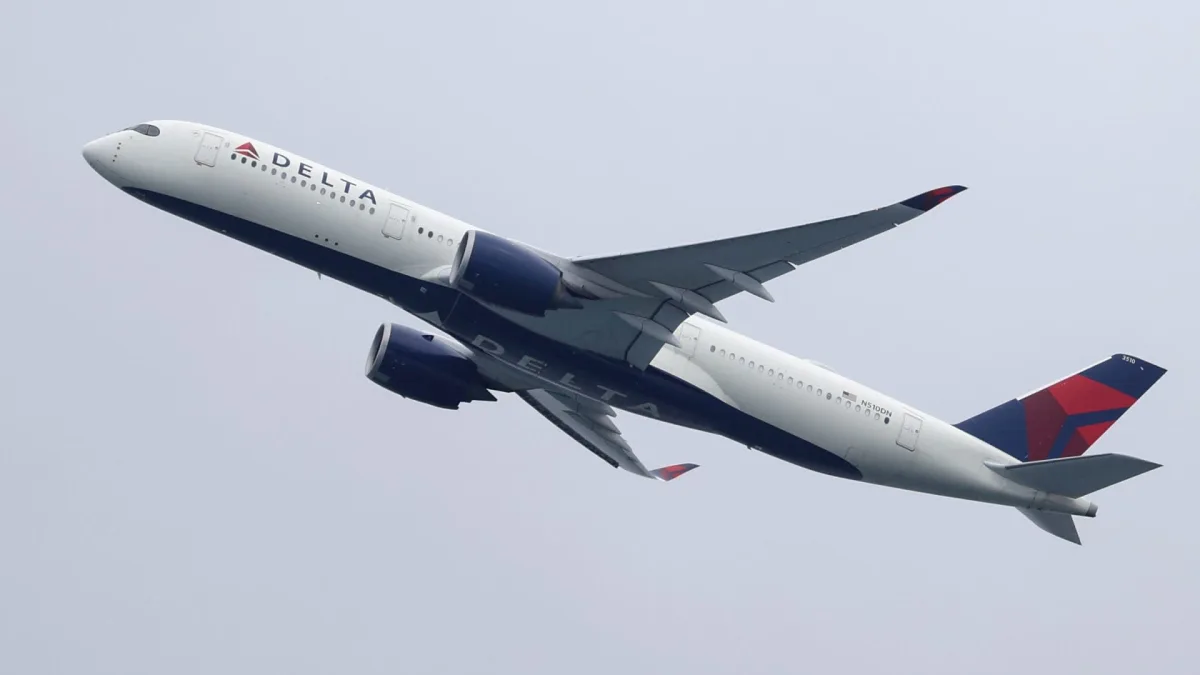
Delta Air Lines postponed its new Atlanta-Riyadh service to March 2027 following deadly missile attacks at King Khalid International Airport.
Key Takeaways
- •Delta delayed the Atlanta-Riyadh route launch until March 2027.
- •Attacks at King Khalid International Airport caused at least 12 fatalities.
- •FAA issued a cautious operating notice for the Jeddah Flight Information Region.
- •Affected passengers can seek refunds or rebook through partner airlines.
Delta Delays Inaugural Riyadh Service
Delta Air Lines has officially delayed the launch of its anticipated nonstop service between Hartsfield-Jackson Atlanta International Airport (ATL) and the Saudi Arabian capital, King Khalid International Airport (RUH), until March 2027. The route, originally scheduled to commence on October 23, 2026, would have represented the first nonstop commercial flight between the United States and Saudi Arabia operated by a U.S. carrier. Delta Air Lines' official travel exception policy confirms the postponement, citing the recent security environment as the primary driver for the adjustment.
Impact of the King Khalid International Airport Attack
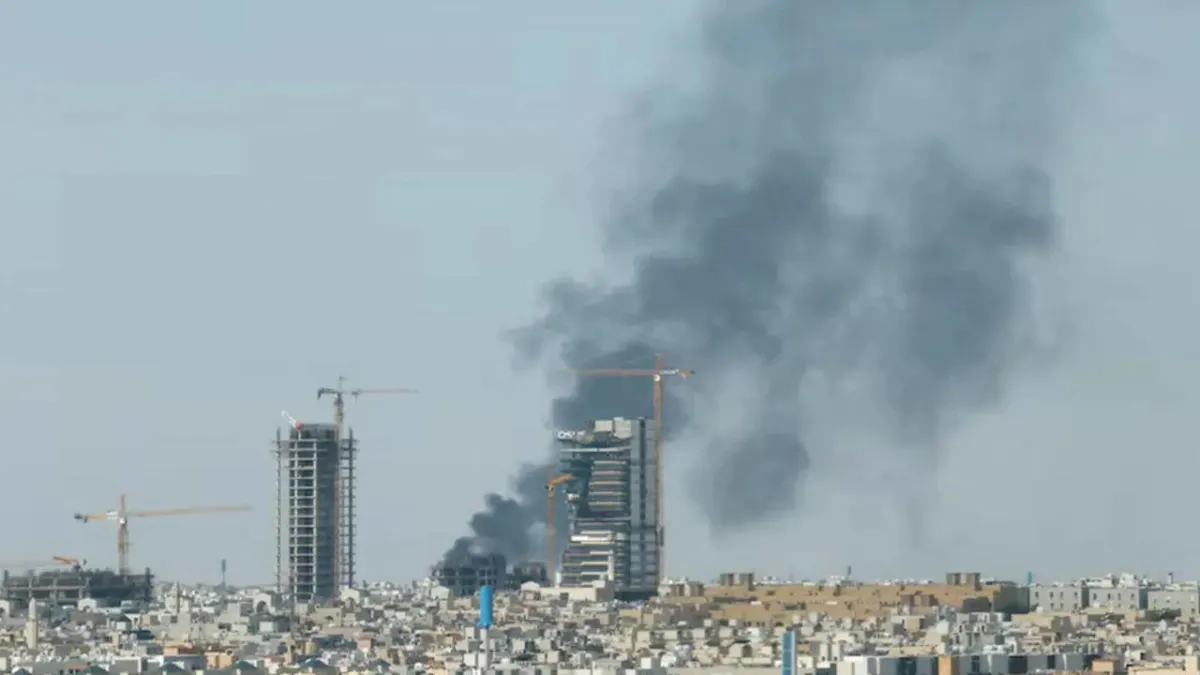
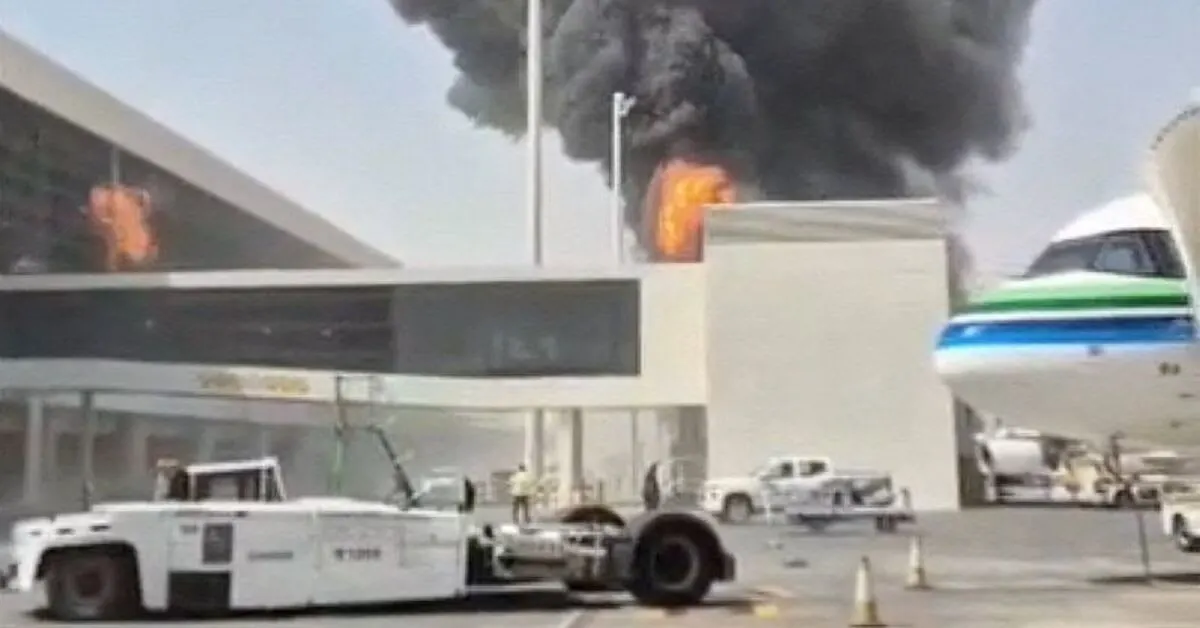
The decision follows a series of lethal missile and drone strikes targeting King Khalid International Airport over the weekend of October 10-11, 2026. According to reports from the Saudi General Authority of Civil Aviation (GACA) and international news outlets, the attacks resulted in at least 12 to 13 fatalities and left more than 300 individuals injured. The facility, which serves as the primary international gateway for Riyadh, was forced to suspend operations to allow authorities to assess infrastructure damage and ensure the safety of ground operations.
In response to the escalating regional security risks, the Federal Aviation Administration (FAA) issued Notice to Airmen (NOTAM) A0056/26. This directive advises U.S. air carriers and commercial operators to exercise extreme caution when operating within the Jeddah Flight Information Region (FIR) due to ongoing military activity and potential Global Navigation Satellite System (GNSS) interference. The warning is currently slated to remain in effect through December 10, 2026.
Operational and Stakeholder Implications
The delay creates significant logistical challenges for passengers who had booked travel on the inaugural route between late October and early spring. Travelers affected by the service suspension are being offered refund options or rebooking assistance on partner airline networks. For Delta Air Lines, the move represents a necessary deferral of revenue from a strategic new market. Furthermore, the delay impacts Riyadh Air, which had anticipated leveraging the new link to enhance passenger connectivity between the North American market and the Kingdom.
Regarding the decision, a Delta Air Lines spokesperson stated: "The safety and security of our customers and employees always come first and continue to guide our operational decisions... Saudi Arabia remains an important market for Delta, and we are committed to serving the Kingdom for the long-term." This sentiment echoes earlier comments from Delta CEO Ed Bastian, who noted during a recent interview that "safety is going to make the call."
Geopolitical Risk and Aviation Security
The current situation reflects an increasing trend of geopolitical risk impacting Middle East aviation security. The recent strikes mirror historical patterns seen between 2019 and 2021, when Houthi drone and missile attacks targeted Abha International Airport. Those incidents previously resulted in civilian casualties, aircraft damage, and prolonged flight suspensions, establishing a precedent for how such security threats disrupt regional air traffic. The current environment remains volatile, with both the FAA and the European Union Aviation Safety Agency (EASA) monitoring developments closely as militant groups continue to target civilian aviation infrastructure.
When the Service Will Resume
While the current launch is deferred to March 2027, the situation remains subject to ongoing security assessments. The Federal Aviation Administration (FAA) has scheduled the expiration of the current Jeddah Flight Information Region (FIR) safety warning for December 10, 2026, though this may be extended depending on regional stability. Delta Air Lines continues to monitor the security situation at King Khalid International Airport and maintains that the route remains a long-term strategic priority.
Why This Matters for International Connectivity
For international travelers and industry stakeholders, the delay underscores the fragility of new route launches in regions prone to geopolitical instability. The incident highlights the critical role of regulatory agencies like the Federal Aviation Administration (FAA) in balancing commercial expansion with the primary mandate of aviation safety. As airlines increasingly look to expand into emerging markets, the ability to manage rapid shifts in security conditions has become a core competency for global carriers.
Frequently Asked Questions
- Why did Delta Air Lines delay its new Atlanta to Riyadh route?
- Delta Air Lines postponed the launch of its Atlanta to Riyadh service until March 2027 due to security concerns following deadly missile and drone attacks at King Khalid International Airport in October 2026.
- What is the current FAA guidance for U.S. airlines flying to Saudi Arabia?
- The Federal Aviation Administration has issued a Notice to Airmen, or NOTAM, advising U.S. carriers to exercise caution when operating in the Jeddah Flight Information Region due to military activity and potential satellite signal interference.
Access up-to-date commercial aviation news and airline industry developments via omniflights.com. Get the latest updates on major hubs, regional terminals, and airport operations via the Airports section at omniflights.com/airports.

Written by Shashank Shukla
Co-Founder & CTO leading the engineering and AI systems behind Omni Flights. Covers aviation technology, flight safety, aircraft manufacturing, and emerging aerospace developments.
Visit ProfileYou Might Also Like
Riyadh Airport Missile Strike Leaves 12 Dead

Avianca Flight AV42 Diverts to Miami After Turbulence
FAA Issues Saudi Arabia Flight Caution After Riyadh Attack

King Khalid International Airport Hit by Second Terror Attack
Houthi Attack on Riyadh Airport Kills 12, Injures 309