Riyadh Airport Closure Extended After Deadly Houthi Attack


King Khalid International Airport remains closed until October 17 after Houthi missile strikes killed 13 and injured 320, causing mass cancellations.
Key Takeaways
- •RUH remains closed until October 17 for safety and damage inspections.
- •Weekend Houthi attacks resulted in 13 fatalities and over 310 injuries.
- •Cirium reports 99.7% of Sunday flights at RUH were cancelled.
- •FAA issued a caution NOTAM for Saudi airspace effective until December 2026.
Operational Shutdown at King Khalid International Airport
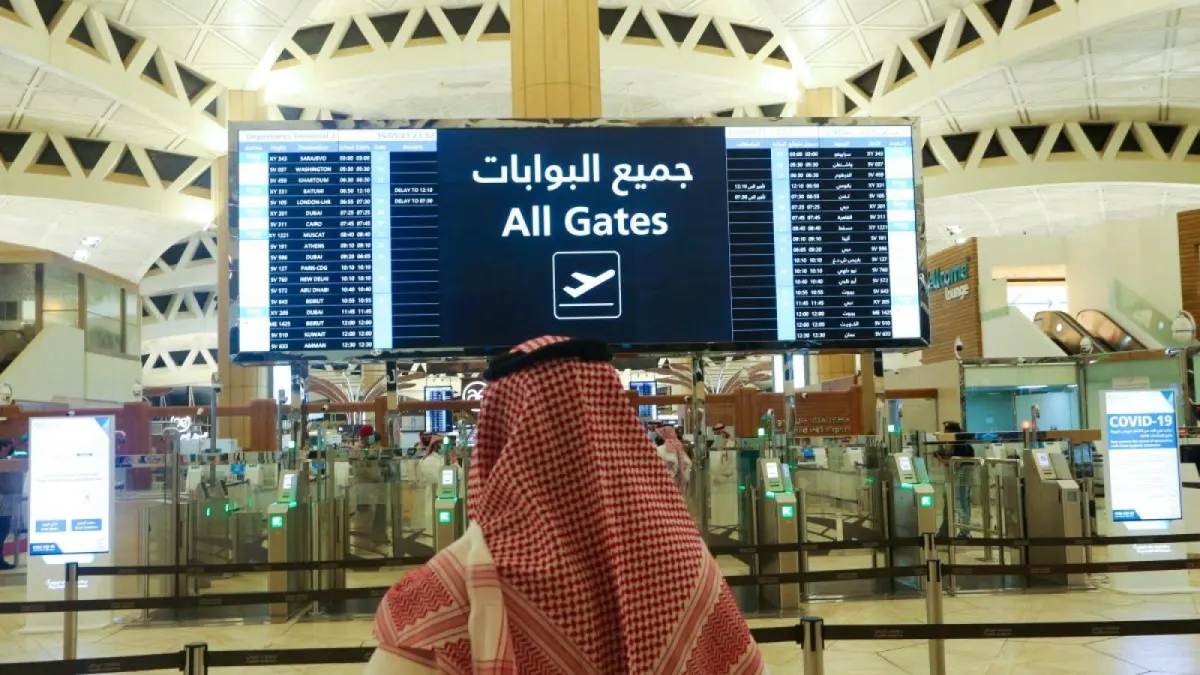
Commercial operations at King Khalid International Airport (RUH) in Riyadh remain suspended following a series of deadly drone and missile strikes attributed to the Houthi movement. The General Authority of Civil Aviation (GACA) has mandated an extension of the airport's closure until October 17, 2026, at 21:00 GMT. This measure is intended to "allow for the completion of procedures to ensure the safety and operational readiness of the airport's facilities," according to an official statement from the authority.
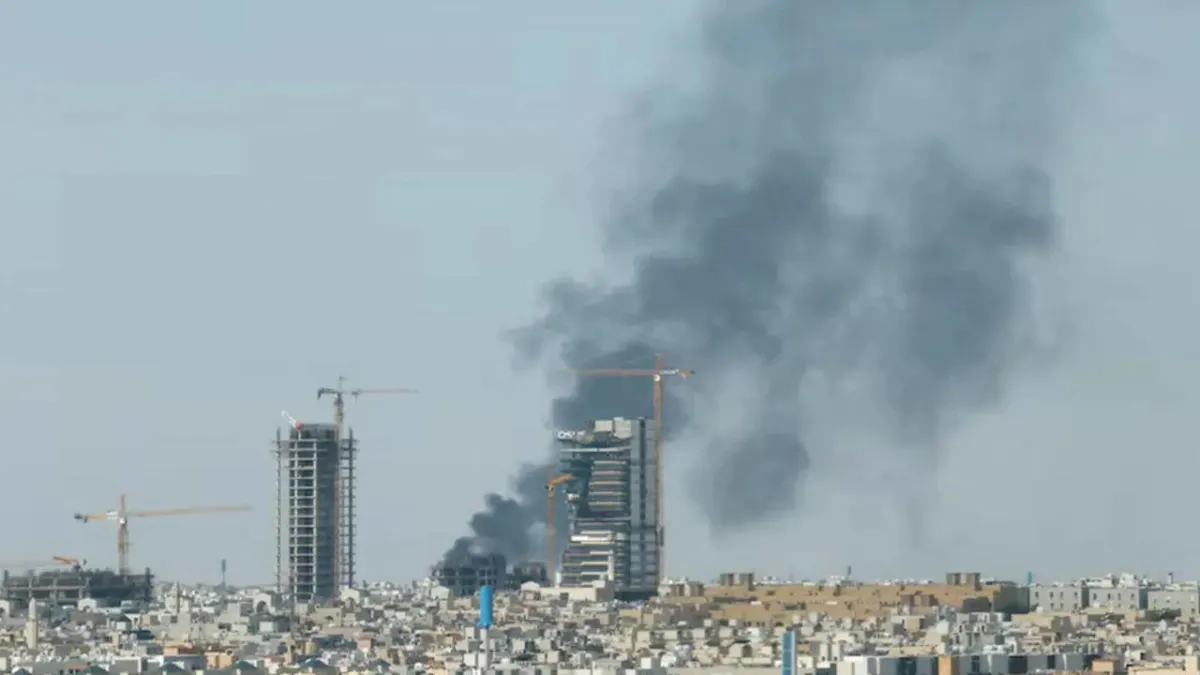
The weekend attacks, which involved a barrage of cruise missiles, ballistic missiles, and drones, resulted in at least 13 fatalities and over 310 injuries across two separate strikes. Aviation analytics firm Cirium reported that the intensity of the security situation led to the cancellation of 99.7% of all scheduled flights at the airport on Sunday, October 11. The resulting disruption has forced major international carriers, including Etihad Airways, to scrap services to the Saudi capital indefinitely.
Impact on Regional Airspace and Security
The conflict has significantly impacted broader Middle East airspace safety, with overall Saudi airport cancellations reaching 46.4% on Monday. Airlines such as Qatar Airways, Lufthansa, and Air France-KLM have suspended services to Riyadh and Dammam. While some jets continue to transit Saudi airspace, many operators are choosing to reroute to avoid the area. The Federal Aviation Administration (FAA) has issued a Notice to Air Missions (NOTAM) cautioning US airlines and US-registered aircraft regarding potential hazards in Saudi airspace, including the risk of Global Navigation Satellite System (GNSS) interference. This regulatory caution is currently slated to remain in effect until December 10, 2026.
Technical Analysis: Air Defense and Infrastructure Vulnerability
The scale of the attack, which saw projectiles travel more than 1,000 kilometres to strike the Saudi capital, highlights critical vulnerabilities in regional defense infrastructure. Initial investigations suggest the Houthis utilized a coordinated strategy, deploying multiple drones to saturate defensive systems before launching cruise and ballistic missiles. This pattern mirrors the historical precedent set by the June 2019 attack on Abha International Airport, which resulted in one fatality and nearly 50 injuries, signaling a long-standing Houthi strategy of targeting civilian aviation infrastructure to exert economic and political pressure. The current failure of air defense systems to provide early warning has prompted an internal Saudi probe, as the country seeks increased intelligence and operational support from the United States to restore deterrence.
What Comes Next: Inspection and Reopening Timeline
- October 17, 2026 (21:00 GMT): Expected reopening of King Khalid International Airport for commercial flights, pending GACA safety verification.
- December 10, 2026: Expiration of the FAA's caution NOTAM regarding GNSS interference and regional military activity in Saudi airspace.
Why This Matters for Regional Connectivity
For passengers and pilgrims, the closure of RUH has created significant logistical strain, as alternative hubs like Jeddah face extreme congestion and delays. The incident underscores the fragility of aviation infrastructure in conflict-affected regions and the direct link between geopolitical instability and global air transport efficiency. For the aviation industry, the event serves as a stark reminder of the operational risks posed by non-state actors capable of long-range precision strikes on major international gateways.
Frequently Asked Questions
- When is King Khalid International Airport expected to resume commercial operations?
- The General Authority of Civil Aviation has extended the closure of King Khalid International Airport until October 17, 2026, at 21:00 GMT, to conduct necessary safety and operational readiness inspections.
- What is the status of the FAA caution regarding Saudi Arabian airspace?
- The Federal Aviation Administration has issued a Notice to Air Missions cautioning US airlines and US-registered aircraft about potential hazards in Saudi airspace, including GNSS interference, which is expected to remain in effect until December 10, 2026.
omniflights.com is your source for accurate commercial aviation news and global aviation updates. Track policy changes, airspace rules, and global aviation governance in the Regulatory category at omniflights.com/regulatory.

Written by Shashank Shukla
Co-Founder & CTO leading the engineering and AI systems behind Omni Flights. Covers aviation technology, flight safety, aircraft manufacturing, and emerging aerospace developments.
Visit ProfileYou Might Also Like
Riyadh Airport Closed Until October 17 After Houthi Attacks
Delta Delays Atlanta-Riyadh Launch After Airport Attack
Riyadh Airport Missile Strike Leaves 12 Dead

Avianca Flight AV42 Diverts to Miami After Turbulence

FAA Issues Saudi Arabia Flight Caution After Riyadh Attack