Qatar Airways Resumes Flights to Bahrain, Kuwait, and Erbil

Aviation News Editor & Industry AnalystAviation News Editor & Industry Analyst delivering clear coverage for a worldwide audience.
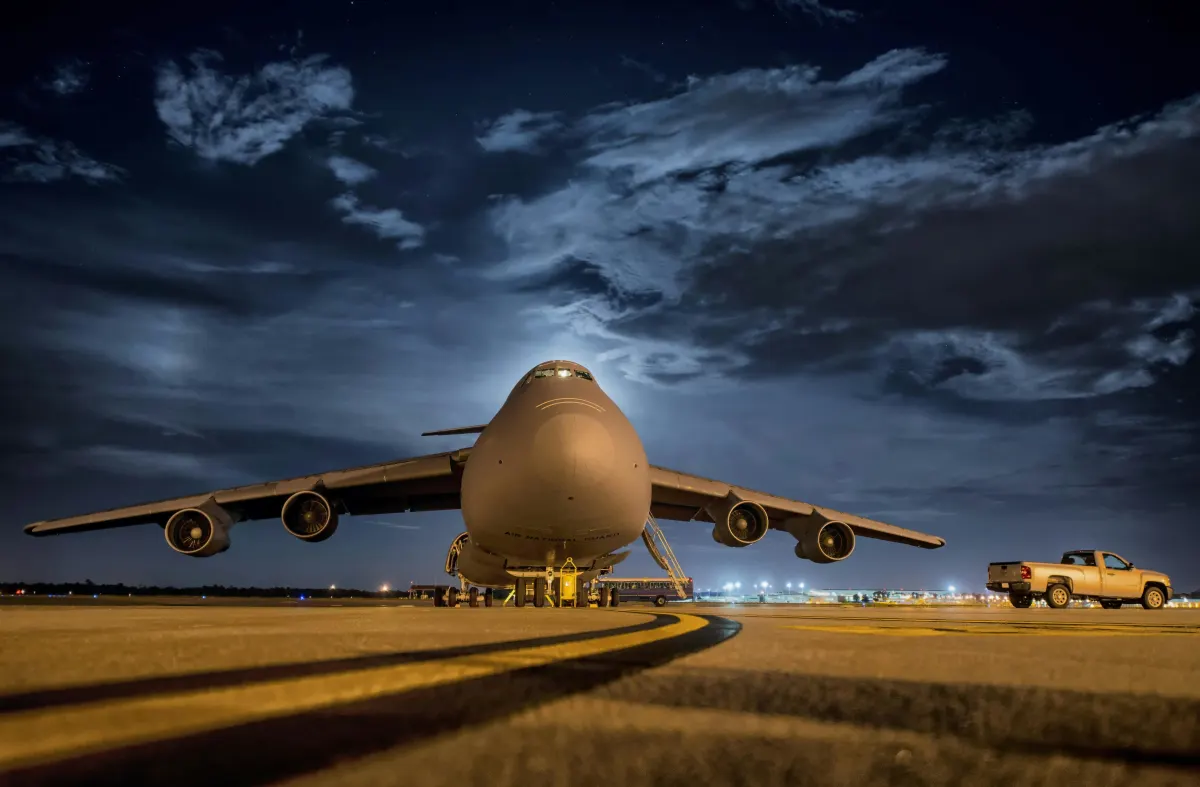
Qatar Airways will resume daily flights to Bahrain, Kuwait, and Erbil on August 8, restoring critical Gulf routes after a two-week suspension.
Key Takeaways
- •Qatar Airways restores daily flights to Bahrain, Kuwait, and Erbil on August 8.
- •Route suspensions lasted approximately two weeks due to regional safety concerns.
- •Re-establishment of flights recovers critical feeder traffic for Doha's hub.
- •Airspace volatility continues to impact multiple Middle Eastern carriers.
Qatar Airways has announced a full Qatar Airways flight resumption for its scheduled daily operations to three key regional destinations, ending a temporary suspension of Bahrain Kuwait Erbil flights triggered by recent Middle East airspace instability. The restoration of these flights, scheduled to take effect on August 8, 2026, follows a brief period of operational adjustments designed to safeguard passengers and crew amid geopolitical tensions.
The decision to resume daily services to Bahrain International Airport (BAH), Kuwait International Airport (KWI), and Erbil International Airport (EBL) marks the end of a two-week suspension that began in late July 2026. During this period, heightened regional friction prompted multiple Gulf carriers to proactively alter schedules and bypass specific air corridors. By restoring these routes, the Doha-based airline aims to normalize its regional network and recover vital transit volumes flowing through its home hub, Hamad International Airport (DOH).
Navigating Regional Airspace Safety Standards
According to official travel advisories issued by Qatar Airways, the resumption was coordinated in compliance with safety assessments and guidelines from the Qatar Civil Aviation Authority (QCAA). The QCAA, which oversees airspace safety and flight suspension advisories, maintains strict monitoring of regional flight corridors to ensure civilian air traffic remains insulated from defense-related escalations.
During the suspension, passengers and expatriate workers faced significant travel disruptions, losing direct access to Doha for connecting international flights. The resumption of these daily frequencies directly alleviates these bottlenecks. Furthermore, the return of regular operations restores critical cargo capacity and business travel connectivity, benefiting regional commerce in Erbil, Kuwait, and Bahrain.
Historical Precedents of Airspace Disruption
The temporary suspension in late July 2026 reflects an ongoing trend of Middle East airspace volatility. This pattern was highly visible during the April 2024 Middle East Airspace Closures, when widespread flight cancellations and extensive reroutings occurred across the region due to military escalations. In 2024, carriers were forced to bypass large sectors of airspace, leading to increased fuel burn and extended flight times. The August 2026 suspension and subsequent rapid restoration demonstrate how Gulf airlines have developed highly adaptive operational protocols to manage recurring geopolitical events without long-term network damage.
Middle East Airspace Volatility and Routing Dynamics
The rapid resumption of these flights highlights a broader structural trend within the global aviation industry: the institutionalization of rapid-response risk management. Modern airlines no longer view airspace closures as isolated, black-swan events. Instead, carriers like Qatar Airways, Emirates, and Etihad treat regional airspace volatility as a recurring operational variable.
When tensions escalate, airlines coordinate with national regulators to execute pre-planned rerouting scenarios. While these temporary measures protect passenger safety, they impose immediate financial penalties in the form of increased fuel consumption, crew duty-hour extensions, and disrupted hub-and-spoke connectivity. The quick return to standard routings on August 8, 2026, indicates that safety margins have returned to acceptable thresholds, allowing the carrier to dismantle costly detours and restore optimal scheduling efficiency.
Flight Resumption Timeline
According to the airline's confirmed schedule, the primary milestone is the resumption of daily flights on August 8, 2026. Passengers holding bookings to BAH, KWI, and EBL are advised to monitor official communication channels for real-time gate and departure updates. While operations are confirmed to restart, the airline and the QCAA will continue to evaluate safety data on a day-to-day basis, meaning schedules remain subject to rapid adjustment if regional security conditions shift unexpectedly.
The Strategic Value of Gulf Feeder Routes
For Qatar Airways, restoring these flights is vital to protecting the commercial integrity of its Doha hub. Regional feeder routes from Bahrain, Kuwait, and Iraq provide the high-frequency passenger volumes necessary to sustain the airline’s ultra-long-haul network to North America, Europe, and Asia-Pacific. Without these regional spokes, connecting traffic at Hamad International Airport drops, impacting overall load factors and yields across the carrier's global system.
Frequently Asked Questions
- When did Qatar Airways resume flights to Bahrain, Kuwait, and Erbil?
- Qatar Airways resumed daily flight operations to Bahrain, Kuwait, and Erbil on August 8, 2026, following a temporary suspension of approximately two weeks.
- Why were Qatar Airways flights to Bahrain, Kuwait, and Erbil suspended?
- The flights were temporarily suspended in late July 2026 due to heightened geopolitical tensions and airspace instability in the Middle East.
- Which airports are affected by the Qatar Airways flight resumption?
- The resumption restores daily services to Bahrain International Airport (BAH), Kuwait International Airport (KWI), and Erbil International Airport (EBL), connecting them back to Hamad International Airport (DOH) in Doha.
Get breaking commercial aviation news and expert airline analysis at omniflights.com. Track policy changes, airspace rules, and global aviation governance in the Regulatory category at omniflights.com/regulatory.
Written by Ujjwal Sukhwani
Aviation News Editor & Industry Analyst delivering clear coverage for a worldwide audience. Covers flight operations, safety regulations, and market trends with expert analysis.
Visit ProfileYou Might Also Like
Discover more aviation news based on similar topics

Flydubai Upgrading 21 Boeing 737 MAX 8s to Flat Bed Seats
Flydubai is retrofitting 21 Boeing 737 MAX 8 aircraft with lie-flat business class seats to standardize its premium product by late 2027.
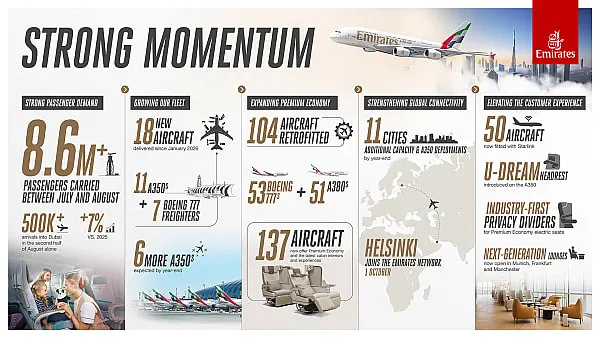
Emirates Winter Booking Momentum Grows Amid Fleet Expansion
Emirates carried 8.6 million passengers this summer and enters winter with strong demand as it accelerates fleet retrofits and network growth.
Air Arabia Consortium Gains AOC for New Dammam Budget Airline
A Saudi GACA-led consortium including Air Arabia has secured an AOC to launch a new budget airline based at Dammam's King Fahd International Airport.
Turkish Airlines Exits Luanda as Angola Hub Struggles
Turkish Airlines dropped its Luanda route as Angola's new airport struggles to attract traffic, handling only 756,028 passengers in 2025.

Red Sea Airlines Leases Two 737 MAX 8s for 2027 Expansion
Red Sea Airlines signed a lease for two Boeing 737 MAX 8 aircraft from SMBC Aviation Capital, arriving in 2027 to support its 14-aircraft fleet goal.
Avelo CEO Warns Airfares May Rise on Jet Fuel Price Spikes
Avelo Airlines CEO Andrew Levy warns that rising fuel costs may force fare increases as global jet fuel prices reach $171.01 per barrel.