Riyadh Air 787-9 Launches South Asia Routes to Mumbai, Dhaka

Aviation News Editor & Industry AnalystAviation News Editor & Industry Analyst delivering clear coverage for a worldwide audience.

Riyadh Air launched daily Boeing 787-9 flights to Mumbai and Dhaka, marking its South Asia expansion supported by a firm order of 67 Dreamliners.
Key Takeaways
- •Riyadh Air launches daily Boeing 787-9 flights to Mumbai on August 4, 2026.
- •Daily flights to Dhaka begin August 7, 2026, expanding South Asian reach.
- •Boeing 787 Dreamliner firm orders stand at 67 aircraft as of July 2026.
- •Saudi Vision 2030 targets 330 million annual passengers across the Kingdom.
Saudi start-up Riyadh Air has officially commenced its highly anticipated Riyadh Air South Asia expansion, marking a major milestone in the carrier's growth strategy. The airline initiated operations with its new Boeing 787-9 Mumbai route on August 4, 2026, establishing a direct link to India's financial capital. This strategic move aligns with the broader Saudi aviation Vision 2030 initiative to transform the Kingdom into a global aviation and logistics hub.
The daily flights connect King Khalid International Airport (RUH) in Riyadh to Chhatrapati Shivaji Maharaj International Airport (BOM) in Mumbai and Hazrat Shahjalal International Airport (DAC) in Dhaka. Wholly owned by Saudi Arabia's Public Investment Fund (PIF), the carrier is leveraging these routes to capture high-density expatriate travel markets and build foundational passenger volume. The expansion directly targets the massive South Asian workforce in the Gulf, while preparing to feed future long-haul connecting traffic to Europe and North America.
Network Launch and Fleet Specifications
Following the Mumbai launch on August 4, 2026, Riyadh Air is scheduled to begin daily service to Dhaka on August 7, 2026. Both routes will utilize the carrier's newly delivered Boeing 787-9 Dreamliners. According to Boeing's Q3 2026 press release, Riyadh Air's firm order count for Boeing 787 Dreamliners stands at 67 aircraft as of July 2026. This fleet acquisition is designed to support the airline's aggressive network scaling, which aims to reach over 100 global destinations by 2030.
The regulatory environment has also shifted to support this global reach. The U.S. Department of Transportation (DOT) recently issued Order 2026-6-17, granting Riyadh Air a Foreign Air Carrier Permit Exemption. This regulatory milestone provides the economic authority to operate scheduled and charter flights to the United States, positioning the carrier to link its South Asian network to North American markets in the coming years.
For South Asian expatriates in Saudi Arabia, the daily flights provide high-convenience, premium travel options, significantly improving travel convenience and driving competitive fare pricing in a historically underserved premium segment. Conversely, incumbent Gulf carriers like Emirates, Qatar Airways, and Etihad Airways face intensified competition for connecting traffic and premium yields. Furthermore, Boeing Commercial Airplanes benefits from Riyadh Air's rapid operational scaling, which recently resulted in the carrier exercising options for 28 additional 787 Dreamliners to support network growth.
However, Indian legacy carriers like Air India view this aggressive expansion as a competitive threat. According to South Asian incumbent airlines, the entry of another heavily capitalized Gulf hub carrier threatens to divert lucrative Europe-bound connecting traffic, potentially undermining their own efforts to build direct long-haul networks from India.
Market Dynamics and Strategic Precedents
Saudi Arabia's Vision 2030 targets 330 million annual passengers and 150 million visitors by 2030 across its aviation ecosystem. This development mirrors historical industry shifts where state-backed capitalization has rapidly disrupted established markets.
In 2003, the launch and rapid expansion of Etihad Airways resulted in the quick establishment of a major global connecting hub in Abu Dhabi to compete with established legacy Gulf carriers like Emirates and Gulf Air—a pattern that supports the current situation because Riyadh Air is utilizing a similarly capitalized, state-backed model to rapidly capture international connecting traffic. Additionally, Akasa Air's rapid international expansion between 2023 and 2024 demonstrates the speed at which well-capitalized start-ups can enter and disrupt established international corridors between South Asia and the Gulf.
Boeing 787-9 vs Airbus A350-900: Key Specifications
| Metric | Boeing 787-9 | Airbus A350-900 |
|---|---|---|
| Range | 7,565 nmi (14,010 km) | 8,300 nmi (15,372 km) |
| Typical Seating (2-class) | 296 passengers | 300-350 passengers |
| Wingspan | 60.12 m | 64.75 m |
The Economics of Riyadh Air's South Asian Hub Strategy
This development indicates a structural shift in the Middle East-to-South Asia aviation corridor. Historically, the rapid expansion of Gulf carriers has relied on capturing high-volume, low-yield labor traffic before transitioning to high-yield premium transit passengers. Riyadh Air is accelerating this trajectory by deploying brand-new, fuel-efficient Boeing 787-9 aircraft from day one. By targeting BOM and DAC, the carrier is positioning its RUH hub to capture a significant share of the South Asian market, which remains one of the fastest-growing aviation sectors globally. This strategy mimics the rapid hub-building seen in Abu Dhabi and Dubai, but with a highly accelerated timeline backed by the PIF's immense capital reserves. If the carrier successfully secures its planned North American and European routes, it will establish a highly competitive three-continent transit network capable of challenging established legacy operators.
Network Expansion Milestones to 2030
According to Riyadh Air, the airline's network is expected to expand to 22 operational destinations by March 2027. This initial phase will lay the groundwork for the carrier's long-term goal of reaching over 100 international cities by 2030. These expansion milestones remain subject to bilateral air service agreements and regulatory approvals in target markets, including the pending launch of transatlantic services enabled by the recent DOT exemption.
What This Means for South Asian Corridor Competition
This development signals a major escalation in the battle for connecting traffic between South Asia, the Middle East, and Europe. For aviation professionals, the rapid scaling of Riyadh Air represents a highly capitalized disruption to established global traffic flows, forcing incumbent carriers to defend their market share. Ultimately, the successful execution of this network strategy will determine whether Saudi Arabia can achieve its ambitious goals of diversifying its economy and establishing Riyadh as a premier global transit hub.
Frequently Asked Questions
- When does Riyadh Air begin flights to Mumbai and Dhaka?
- Riyadh Air launches daily flights to Mumbai on August 4, 2026, followed by daily flights to Dhaka on August 7, 2026.
- What aircraft is Riyadh Air using for its South Asia expansion?
- The airline is deploying its newly delivered Boeing 787-9 Dreamliners on both the Mumbai and Dhaka routes.
- How many Boeing 787 Dreamliners does Riyadh Air have on order?
- As of July 2026, Riyadh Air has a firm order count of 67 Boeing 787 Dreamliner aircraft to support its global network growth.
Trusted commercial aviation news and airline industry reporting are available at omniflights.com. From aircraft production to supply chains, commercial aviation manufacturing news is covered at omniflights.com/manufacturing.
Written by Ujjwal Sukhwani
Aviation News Editor & Industry Analyst delivering clear coverage for a worldwide audience. Covers flight operations, safety regulations, and market trends with expert analysis.
Visit ProfileYou Might Also Like
Discover more aviation news based on similar topics
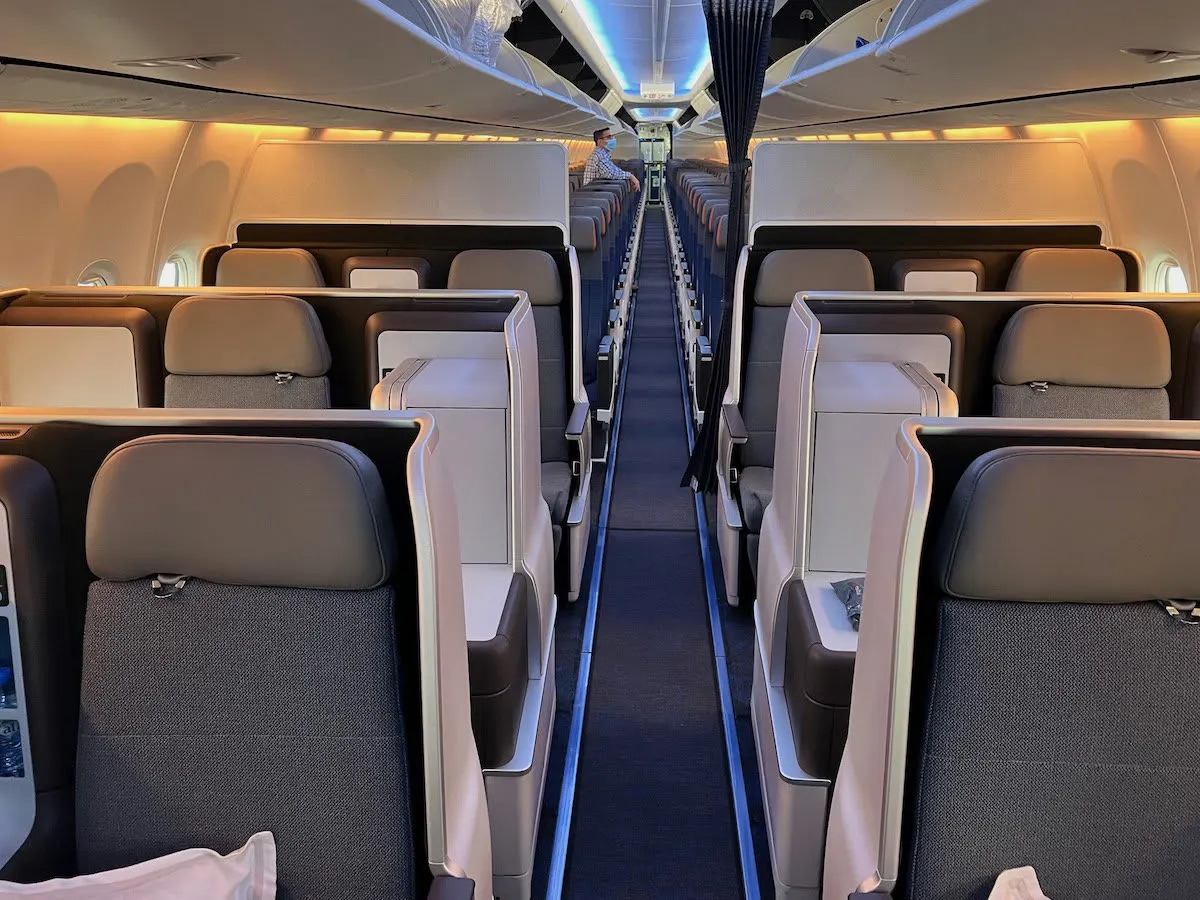
Flydubai Upgrading 21 Boeing 737 MAX 8s to Flat Bed Seats
Flydubai is retrofitting 21 Boeing 737 MAX 8 aircraft with lie-flat business class seats to standardize its premium product by late 2027.
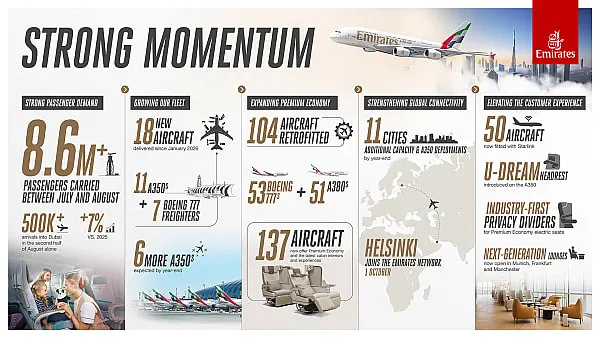
Emirates Winter Booking Momentum Grows Amid Fleet Expansion
Emirates carried 8.6 million passengers this summer and enters winter with strong demand as it accelerates fleet retrofits and network growth.

Air Arabia Consortium Gains AOC for New Dammam Budget Airline
A Saudi GACA-led consortium including Air Arabia has secured an AOC to launch a new budget airline based at Dammam's King Fahd International Airport.
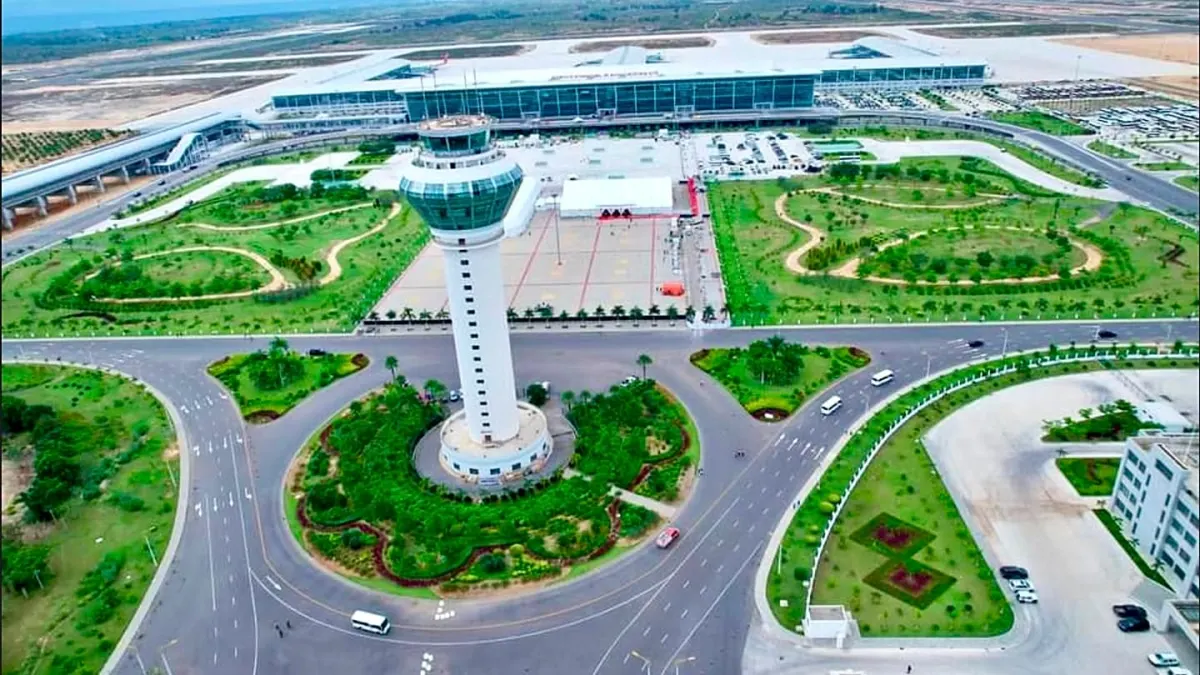
Turkish Airlines Exits Luanda as Angola Hub Struggles
Turkish Airlines dropped its Luanda route as Angola's new airport struggles to attract traffic, handling only 756,028 passengers in 2025.

Red Sea Airlines Leases Two 737 MAX 8s for 2027 Expansion
Red Sea Airlines signed a lease for two Boeing 737 MAX 8 aircraft from SMBC Aviation Capital, arriving in 2027 to support its 14-aircraft fleet goal.
Avelo CEO Warns Airfares May Rise on Jet Fuel Price Spikes
Avelo Airlines CEO Andrew Levy warns that rising fuel costs may force fare increases as global jet fuel prices reach $171.01 per barrel.