Saudi Aviation Hubs Targeted as EASA Issues Airspace Warning


Three people died in attacks on King Khalid International Airport, prompting major regional carriers to cancel flights and EASA to issue safety warnings.
Key Takeaways
- •Three killed in attacks on King Khalid International Airport.
- •Saudia aircraft damaged during strikes on Riyadh hub.
- •EASA issued updated conflict zone guidance for Saudi airspace.
- •Major regional carriers suspended flights to Riyadh.
Escalation at King Khalid International Airport
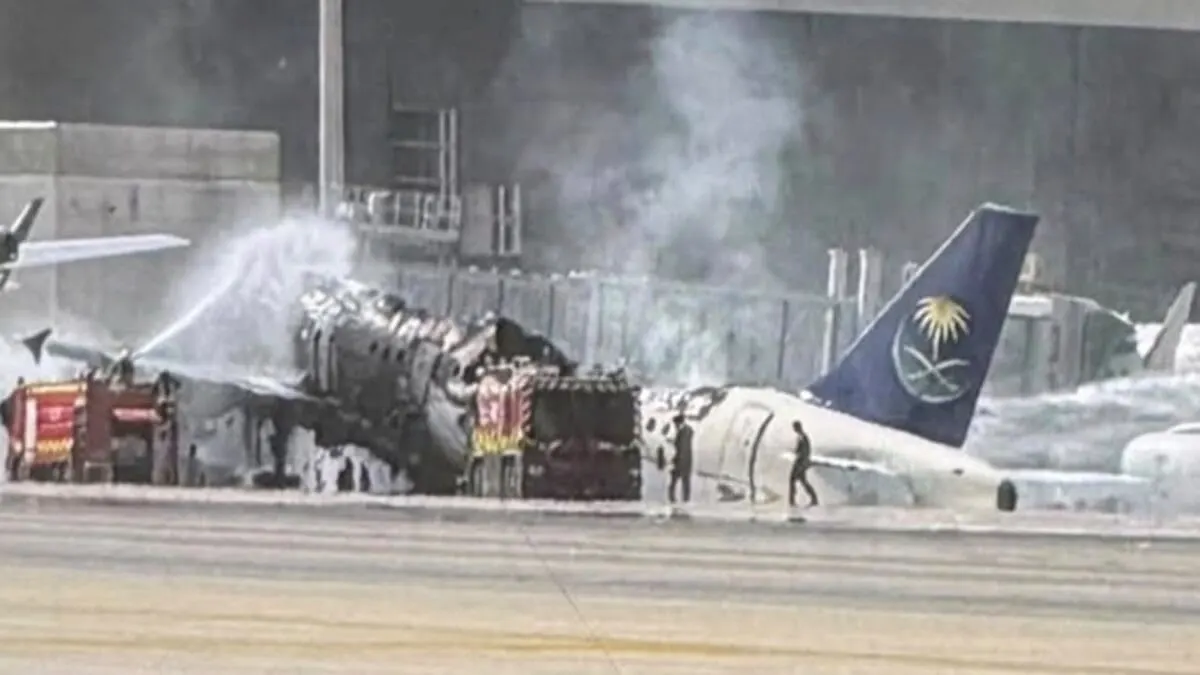
Hostilities in the Middle East have significantly impacted civil aviation operations following a series of attacks on King Khalid International Airport (RUH). The General Authority of Civil Aviation (GACA) confirmed that three Saudi citizens, including an airline pilot, were killed during Thursday’s strikes. The attack caused physical damage to facilities and a Saudia aircraft stationed at the hub. While GACA reported that airport operations and air traffic resumed shortly after the incident, the regional security environment remains volatile.
Regional Airline Response and Airspace Safety
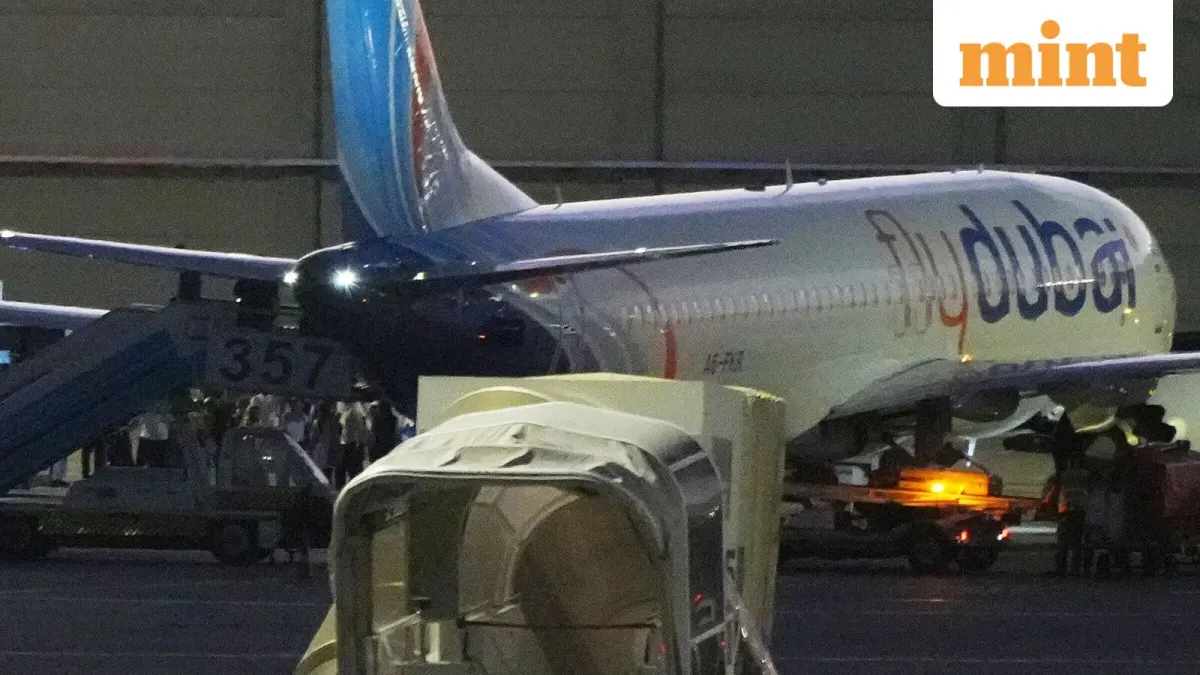
The immediate aftermath of the attacks triggered widespread operational disruptions. Regional carriers, including Qatar Airways, flydubai, and Etihad Airways, announced the cancellation of several flights to and from Riyadh. These suspensions reflect a broader industry trend where airlines are acting with extreme caution to mitigate risks associated with kinetic military activity. The European Union Aviation Safety Agency (EASA) has responded by updating its guidance regarding Saudi airspace. Under Conflict Zone Information Bulletin (CZIB) 2026-09-R1, the agency warned of an increased risk of civil aircraft misidentification, as well as hazards from drone overflights, missile activity, and falling debris.
Airstrikes and Infrastructure Damage in Yemen
The conflict has intensified simultaneously within Yemen, affecting critical aviation infrastructure. Following the attacks in Riyadh, the Saudi-led coalition announced the destruction of 136 military targets, specifically focusing on the Houthi ballistic missile network. Concurrently, Sanaa International Airport (SAH) reported significant damage from airstrikes on Friday afternoon, which resulted in two fatalities among airport staff. The Houthi-controlled civil defense authority noted that multiple civilian facilities across the capital suffered extensive damage during the overnight strikes, further complicating the operational status of regional transport hubs.
Historical Context and Insurance Implications
The current situation mirrors the security challenges observed in June 2019, when a Houthi cruise missile struck the arrivals hall at Abha International Airport, injuring 26 people. That precedent highlighted the vulnerability of civilian aviation infrastructure to targeted strikes. For aviation insurance underwriters, the recent damage to a commercial airframe in Riyadh is expected to catalyze a review of hull war risk premiums for all carriers operating within the region. The direct loss of life and physical damage to a Saudia aircraft represents a high-severity impact for the national carrier, forcing a reassessment of ground security protocols.
Technical Analysis of Regional Airspace Risks
The current escalation represents a shift from localized skirmishes to a broader threat profile affecting the Jeddah Flight Information Region (FIR). The data suggests that the integration of ballistic missile and drone technology by non-state actors has rendered traditional airport perimeter security insufficient. Historically, similar regional conflicts have led to long-term airspace restrictions, as seen in previous EASA bulletins that mandated flight path adjustments for European operators. The current trajectory indicates that as long as civilian airports remain strategic targets, the risk of misidentification—a key concern cited by EASA—will remain a primary driver of operational risk for international carriers. The reliance on the UN-brokered 2022 truce has effectively eroded, signaling a return to a high-risk operational environment that requires continuous monitoring of dynamic NOTAMs (Notice to Air Missions).
EASA CZIB-2026-09 Review Timeline
Regulatory scrutiny is expected to remain high as the situation evolves. The European Union Aviation Safety Agency (EASA) has scheduled a formal review of its current Conflict Zone Information Bulletin (CZIB-2026-09-R1) for November 16, 2026. This review will determine whether the current warnings regarding the Jeddah FIR require extension, intensification, or modification based on the security landscape at that time. Airlines are expected to continue monitoring these bulletins to ensure compliance with international safety standards.
Why This Matters for Regional Connectivity
For regional stakeholders, the targeting of major hubs like Riyadh and Sanaa signals a fundamental shift in the vulnerability of commercial aviation networks. The ability of non-state actors to reach deep into national infrastructure disrupts the fundamental promise of safe, predictable air travel, forcing airlines to prioritize security over schedule efficiency. For international passengers and cargo operators, this instability threatens to isolate key regional markets and increases the logistical complexity of maintaining connectivity across the Middle East.
Frequently Asked Questions
- What is the current EASA guidance regarding Saudi airspace?
- EASA has issued Conflict Zone Information Bulletin CZIB-2026-09-R1, which warns of increased risks in the Jeddah Flight Information Region due to missile and drone attacks, specifically highlighting potential civil aircraft misidentification.
- How have airlines responded to the attacks at King Khalid International Airport?
- Several regional carriers, including Qatar Airways, flydubai, and Etihad Airways, have cancelled flights to and from Riyadh to prioritize passenger and crew safety amid the heightened security risks.
Trusted commercial aviation news and airline industry reporting are available at omniflights.com. For reporting on UAP sightings, investigations, and aviation-related encounters, see the UAPs section at omniflights.com/uaps.

Written by Shashank Shukla
Co-Founder & CTO leading the engineering and AI systems behind Omni Flights. Covers aviation technology, flight safety, aircraft manufacturing, and emerging aerospace developments.
Visit ProfileYou Might Also Like

Army Report Spurs Urgent Push for ADS-B Safety Legislation

Boeing 737-10 Certification Moves Ahead After FAA Review
Army Report: Faulty Black Hawk Caused 67-Death DC Collision
Airline CEOs Address Flydubai Cockpit Attack Security
Saudia A320 Destroyed in Riyadh Airport Missile Strike