Cathay Pacific Net Profit Soars 71% to HK$6.24 Billion

Aviation News Editor & Industry AnalystAviation News Editor & Industry Analyst delivering clear coverage for a worldwide audience.
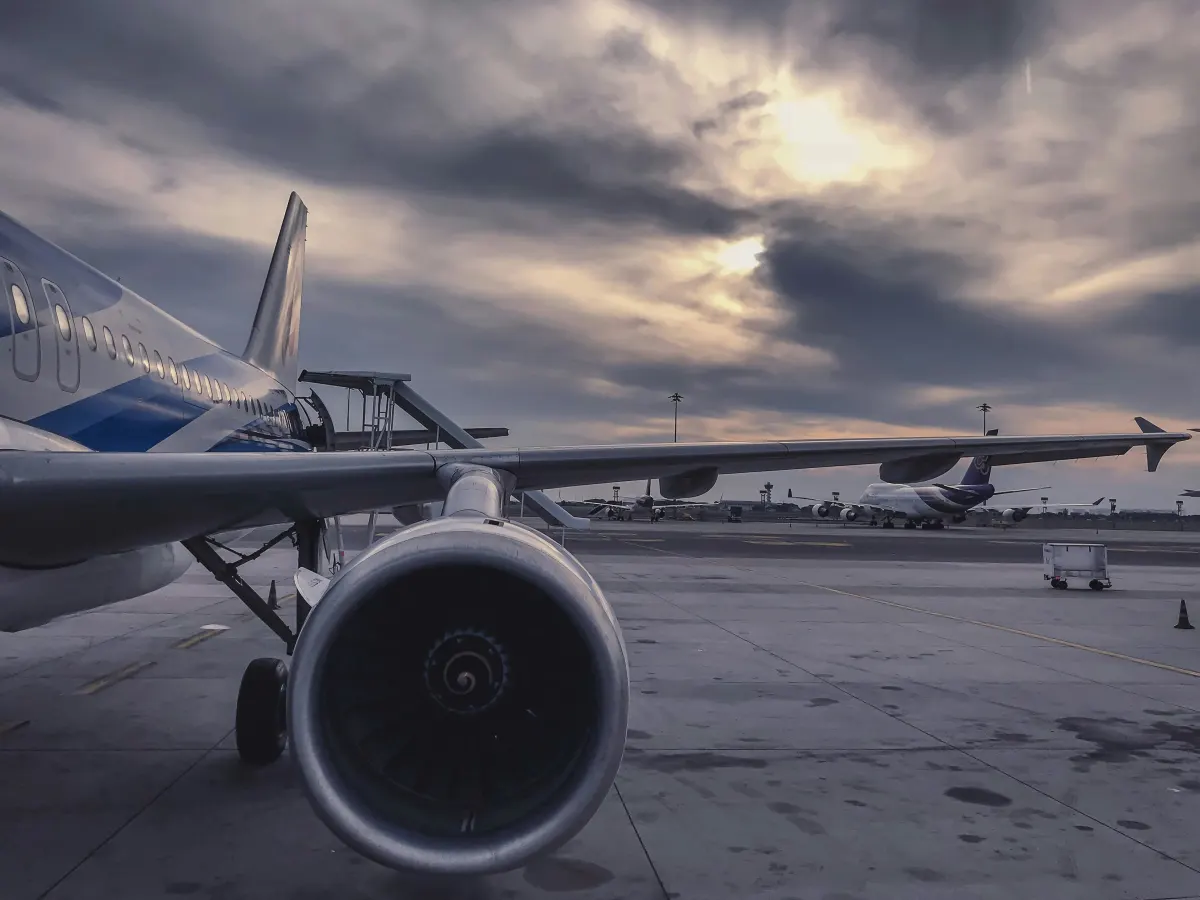
Cathay Pacific reported a 71% surge in first-half profit to HK$6.24 billion, driven by strong passenger demand despite rising jet fuel costs.
Key Takeaways
- •Cathay Pacific H1 2026 net profit rose 71% to HK$6.24 billion.
- •Middle East airspace reroutings nearly doubled jet fuel costs in Q2.
- •One-off Air China stake gain contributed HK$1.4 billion to profit.
- •Shareholder interim dividend increased 30% to HK$0.26 per share.
The Cathay Pacific H1 2026 profit surged by 71% year-over-year to HK$6.24 billion (Hong Kong Dollar), driven by robust passenger demand that offset a massive jet fuel cost increase caused by Middle East airspace rerouting. This strong financial performance came despite severe geopolitical disruptions in the region, which forced the airline to alter key flight paths.
The operational impact of these reroutings was substantial, as avoiding conflict zones nearly doubled the carrier's jet fuel costs between the first and second quarters of 2026. However, the airline successfully mitigated these expenses through increased passenger fuel surcharges and a significant rise in transit traffic. Travelers increasingly chose Hong Kong as an alternative global transit hub to avoid Middle Eastern airports amid security concerns.
According to the Cathay Pacific 2026 Interim Results, the group's revenue for the first half of 2026 increased by 25.3% year-over-year to HK$68.06 billion. Passenger volume grew 17.5% year-over-year, with the airline carrying 16 million passengers during the six-month period.
A notable portion of the reported net profit, however, stemmed from non-operational factors. Approximately HK$1.4 billion of the HK$6.24 billion profit was a one-off deemed partial disposal gain from a diluted equity stake in Air China. Financial analysts have pointed out that while the headline net profit increased by 71%, over a fifth of this total was derived from this single accounting gain, indicating that underlying operational profit growth was more modest than the headline figure suggests.
Geopolitical Airspace Restrictions and Rising Operational Costs
The geopolitical conflict involving Iran led global civil aviation authorities, including the European Union Aviation Safety Agency and the Federal Aviation Administration, to issue Conflict Zone Information Bulletins and NOTAMs (Notice to Air Missions) for Middle East airspace. These regulatory directives forced Cathay Pacific to execute extensive reroutings.
The resulting operational shifts caused jet fuel costs to nearly double from the first to the second quarter of 2026. To manage this spike, Cathay Pacific implemented multiple adjustments to passenger fuel surcharges, directly impacting ticket prices for travelers.
For Cathay Group shareholders, the strong first-half performance resulted in a declared first interim dividend of HK$0.26 per ordinary share, representing a 30% increase year-over-year. Conversely, passengers faced higher travel costs due to the fuel surcharges. On a broader scale, Middle Eastern hub airports experienced a minor loss of Asia-Europe transit passenger volume as travelers opted for alternative routing through East Asian hubs.
Guy Bradley, Chairman of Cathay Group, noted that the results were positively impacted by ongoing underlying demand for both Cathay Pacific and Cathay Cargo, alongside improved performance from its wholly-owned low-cost carrier subsidiary, HK Express (Hong Kong Express Airways). Bradley stated that after a strong first quarter, the airline faced a more challenging second quarter due to the situation in the Middle East and the resulting significant increase in jet fuel prices.
Comparing Shifting Global Transit Hubs
The current airspace challenges draw direct parallels to the Russian Airspace Closure of February 2022. During that conflict, European and Asian airlines were forced to reroute flights south of Russia, adding significant flight time and fuel burn. Similar to the 2022 precedent, the 2026 Middle East airspace restrictions have reshaped global traffic flows, driving a surge in Hong Kong transit traffic as passengers seek safer flight paths.
The Geopolitical Cost Curve and Hub Realignment
This development indicates a structural shift in how geopolitical risk reshapes airline profitability and global hub competitiveness. Historically, airspace closures have acted as severe cost penalties, as seen in the 2022 Russian airspace restrictions. However, Cathay Pacific's ability to achieve a 71% profit increase highlights a dual-effect: while longer flight paths drive up fuel burn, the resulting security concerns can simultaneously redirect passenger flows toward safer transit hubs. Hong Kong's geographic positioning has allowed it to capture diverted traffic from Middle Eastern hubs. This trend suggests that in highly volatile geopolitical environments, hub location and airspace accessibility are becoming as critical to airline yield management as fleet efficiency and capacity allocation.
Monitoring Fuel Volatility and Airspace Directives
The airline's financial outlook for the remainder of 2026 remains highly dependent on the duration of the Middle East conflict and the status of active Conflict Zone Information Bulletins. If airspace restrictions persist, Cathay Pacific is expected to maintain its adjusted fuel surcharge structure to protect operating margins. Additionally, the integration of the HK Express network and the stabilization of fuel prices will be key milestones monitored by investors ahead of the full-year earnings release.
The Strategic Value of Alternative Hubs
For the broader aviation industry, Cathay Pacific's results demonstrate how quickly global traffic flows can pivot during regional crises. It underscores the strategic value of East Asian transit hubs when traditional Middle Eastern routes face disruption. For airline executives, the results prove that robust demand can absorb significant fuel price shocks, provided carriers maintain the pricing power to pass costs to consumers.
Frequently Asked Questions
- Why did Cathay Pacific's jet fuel costs increase in 2026?
- Geopolitical tensions in the Middle East forced the airline to reroute flights to avoid restricted airspace, which significantly increased flight times and fuel consumption.
- How much of Cathay Pacific's H1 2026 profit came from one-off gains?
- Approximately HK$1.4 billion of the reported HK$6.24 billion net profit was a one-off accounting gain from a diluted equity stake in Air China.
- What dividend did Cathay Pacific declare for the first half of 2026?
- Cathay Pacific declared a first interim dividend of HK$0.26 per ordinary share, representing a 30% increase compared to the previous year.
Stay ahead of the airline industry with commercial aviation news from omniflights.com. Track policy changes, airspace rules, and global aviation governance in the Regulatory category at omniflights.com/regulatory.
Written by Ujjwal Sukhwani
Aviation News Editor & Industry Analyst delivering clear coverage for a worldwide audience. Covers flight operations, safety regulations, and market trends with expert analysis.
Visit ProfileYou Might Also Like
Discover more aviation news based on similar topics
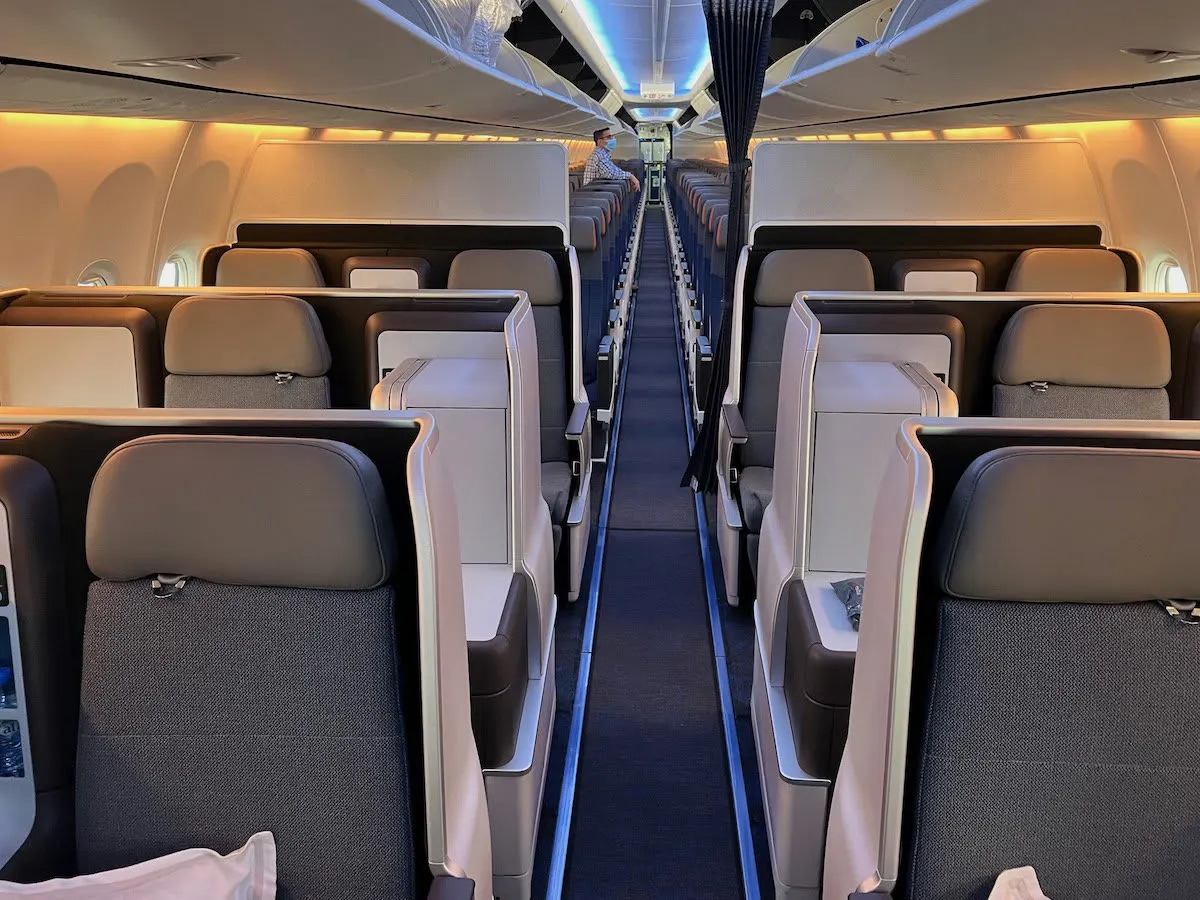
Flydubai Upgrading 21 Boeing 737 MAX 8s to Flat Bed Seats
Flydubai is retrofitting 21 Boeing 737 MAX 8 aircraft with lie-flat business class seats to standardize its premium product by late 2027.
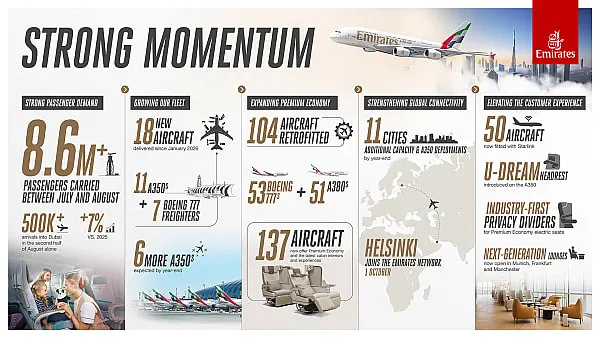
Emirates Winter Booking Momentum Grows Amid Fleet Expansion
Emirates carried 8.6 million passengers this summer and enters winter with strong demand as it accelerates fleet retrofits and network growth.
Air Arabia Consortium Gains AOC for New Dammam Budget Airline
A Saudi GACA-led consortium including Air Arabia has secured an AOC to launch a new budget airline based at Dammam's King Fahd International Airport.
Turkish Airlines Exits Luanda as Angola Hub Struggles
Turkish Airlines dropped its Luanda route as Angola's new airport struggles to attract traffic, handling only 756,028 passengers in 2025.
Red Sea Airlines Leases Two 737 MAX 8s for 2027 Expansion
Red Sea Airlines signed a lease for two Boeing 737 MAX 8 aircraft from SMBC Aviation Capital, arriving in 2027 to support its 14-aircraft fleet goal.
Avelo CEO Warns Airfares May Rise on Jet Fuel Price Spikes
Avelo Airlines CEO Andrew Levy warns that rising fuel costs may force fare increases as global jet fuel prices reach $171.01 per barrel.