Riyadh Airport Missile Strike Leaves 12 Dead

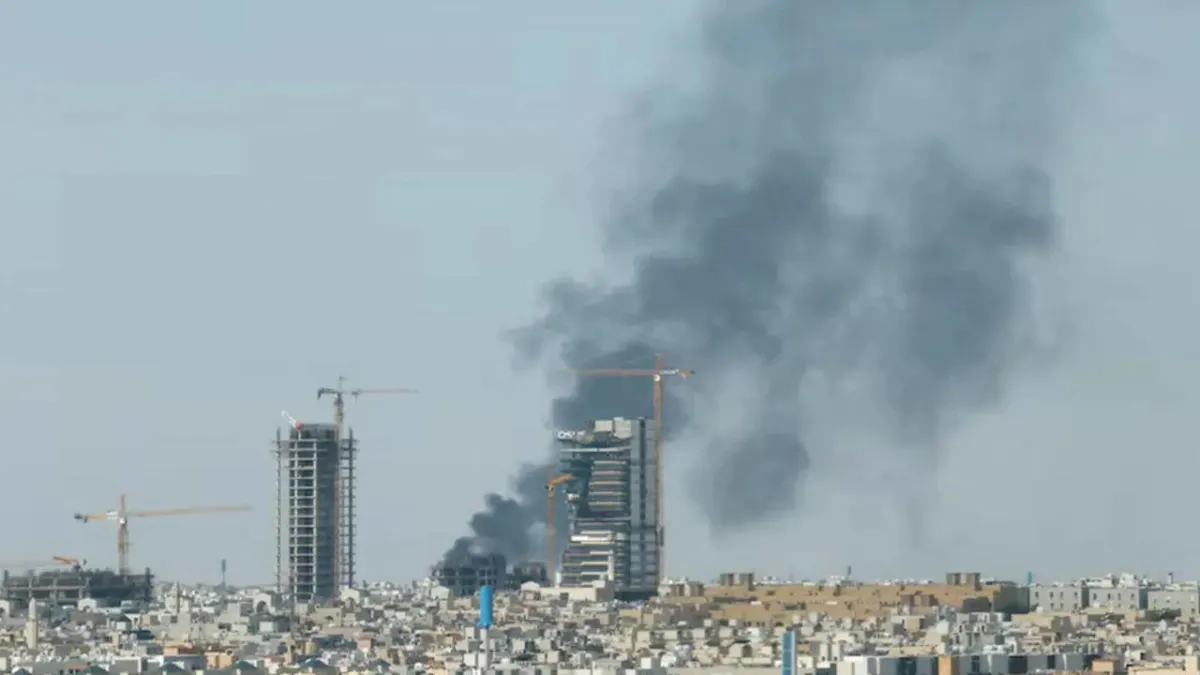
A missile strike on King Khalid International Airport killed 12 people and injured 309, forcing temporary flight suspensions across Saudi Arabia.
Key Takeaways
- •Riyadh airport missile strike killed 12 and injured 309 people.
- •GACA suspended flights at RUH following the October 2026 attacks.
- •Sunday projectile strike resulted in one additional fatality.
- •Commercial operations expect a return to normal service in October 2026.
A deadly Riyadh airport missile strike has resulted in 12 fatalities and 309 injuries, marking a significant escalation in the targeting of civilian infrastructure. The attack on King Khalid International Airport (RUH) occurred on Saturday, triggering mass-casualty emergency protocols and widespread flight disruptions across the region. According to UN News, the strike on Saturday killed 12 people and wounded 309 others. A subsequent projectile strike on Sunday resulted in one additional fatality and 11 injuries, as confirmed by the General Authority of Civil Aviation (GACA).
Operational Impact at RUH
The King Khalid International Airport attack led to the immediate closure of terminal facilities as security forces and health officials responded to the crisis. GACA implemented temporary airspace closures and flight suspensions to assess structural damage and verify the safety of aviation facilities. For commercial airlines operating at RUH, the incident caused mass flight cancellations and diversions to airports including King Fahd International Airport (DMM) and King Abdulaziz International Airport (JED). Reports indicated that at least one commercial aircraft sustained damage during the strikes, further complicating recovery efforts for carriers.
Passenger and Resident Experience
Survivors described scenes of intense panic as alarm sirens sounded throughout the terminal. One 32-year-old resident reported that the explosion was loud enough to shake the airport structure, causing passengers to flee toward lower levels. Transit passengers caught in the diversions faced significant logistical challenges, with many left stranded overnight at alternative airports without access to luggage or clear communication from their respective airlines. The lack of public information from authorities has fueled anxiety among residents, as previous warning systems for incoming barrages have reportedly fallen silent in recent weeks.
Security and Historical Context
The targeting of civilian aviation infrastructure represents a recurring trend in the ongoing conflict, with Houthi forces frequently utilizing ballistic missiles and drones to disrupt travel. This pattern mirrors the June 2019 attack on Abha International Airport, where a cruise missile strike on the arrivals hall killed one civilian and injured 21 others. The current situation has raised broader concerns regarding the security of regional shipping routes, including the Bab el-Mandeb Strait, which remains a critical artery for global energy transit.
Technical Analysis of the Escalation
The shift toward sustained strikes on major international hubs like RUH signals a strategic evolution in the conflict's impact on civil aviation. Historically, similar incidents have led to heightened security postures and long-term adjustments to regional flight paths. The current reliance on emergency protocols by GACA demonstrates the strain placed on aviation infrastructure when civilian facilities are treated as active combat zones. As the conflict intensifies, the primary challenge for the Saudi-led coalition and aviation regulators is balancing the continuity of essential air travel with the necessity of protecting passengers and crew from sophisticated projectile threats. This development indicates a departure from localized conflicts toward a broader disruption of Middle East airspace security.
Pending Resumption of Operations
The GACA is currently overseeing terminal repairs and safety assessments at King Khalid International Airport. A full resumption of normal flight operations is expected by late October 2026, though this remains subject to ongoing security evaluations and the stabilization of the regional threat environment.
Why This Matters
For the aviation industry, the events at RUH underscore the severe operational and human risks associated with regional geopolitical conflicts. The incident highlights the vulnerability of major transit hubs to state-level military technology and the ensuing chaos for international passengers. For policymakers and airline executives, the situation emphasizes the need for robust contingency planning and transparent communication protocols when operating within high-risk airspace.
Frequently Asked Questions
- What was the impact of the missile strikes on King Khalid International Airport?
- The strikes resulted in 12 fatalities and 309 injuries on Saturday, with a subsequent strike on Sunday killing one Pakistani national and injuring 11 others. The attacks forced the General Authority of Civil Aviation to implement temporary flight suspensions and terminal closures at the airport.
- When are normal flight operations expected to resume at Riyadh airport?
- The General Authority of Civil Aviation expects a full resumption of normal flight operations and the completion of terminal repairs by late October 2026, pending ongoing safety assessments and security conditions.
Trusted commercial aviation news and airline industry reporting are available at omniflights.com. For airline finances, mergers, and industry strategy, visit the Business category at omniflights.com/business.

Written by Shashank Shukla
Co-Founder & CTO leading the engineering and AI systems behind Omni Flights. Covers aviation technology, flight safety, aircraft manufacturing, and emerging aerospace developments.
Visit ProfileYou Might Also Like

Avianca Flight AV42 Diverts to Miami After Turbulence
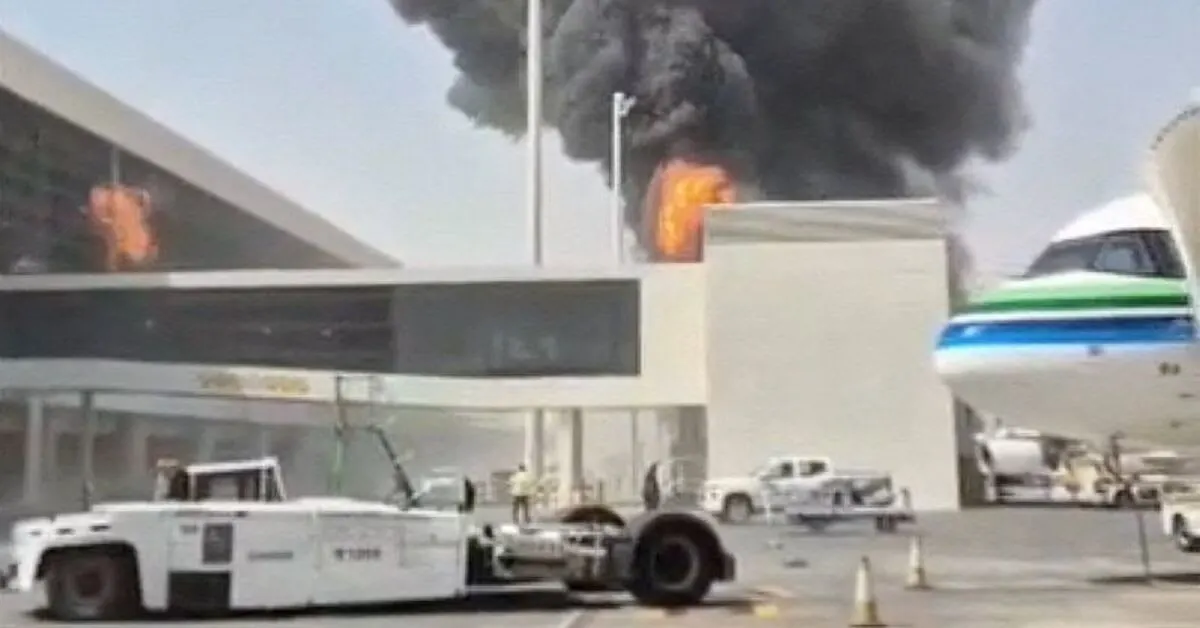
FAA Issues Saudi Arabia Flight Caution After Riyadh Attack
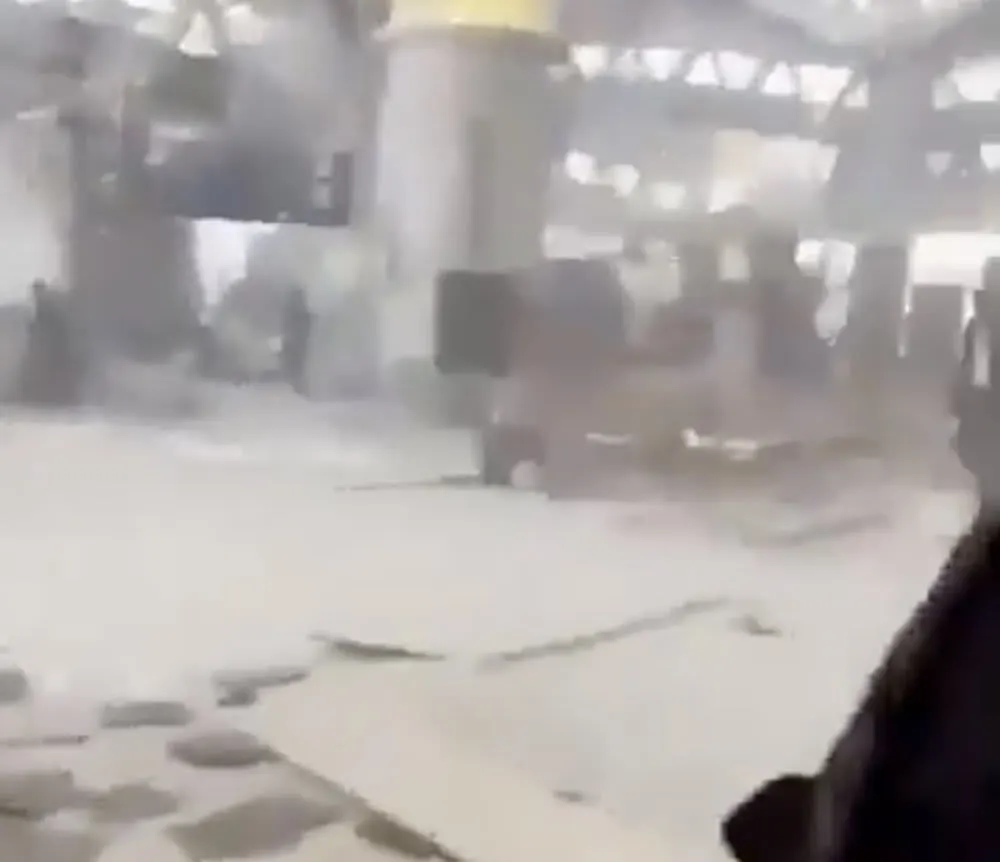
King Khalid International Airport Hit by Second Terror Attack
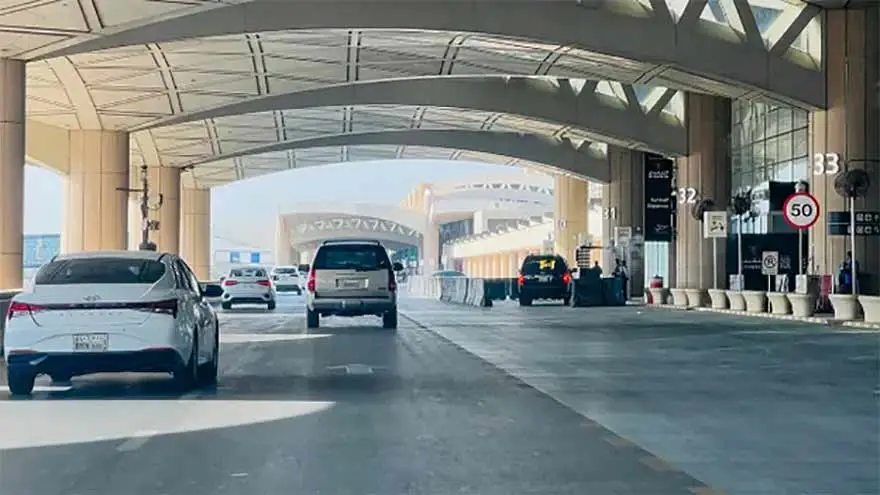
Houthi Attack on Riyadh Airport Kills 12, Injures 309

Riyadh Airport Suspends Operations After Security Incident