Indonesia to Mandate 1% SAF Blend for Flights by 2027
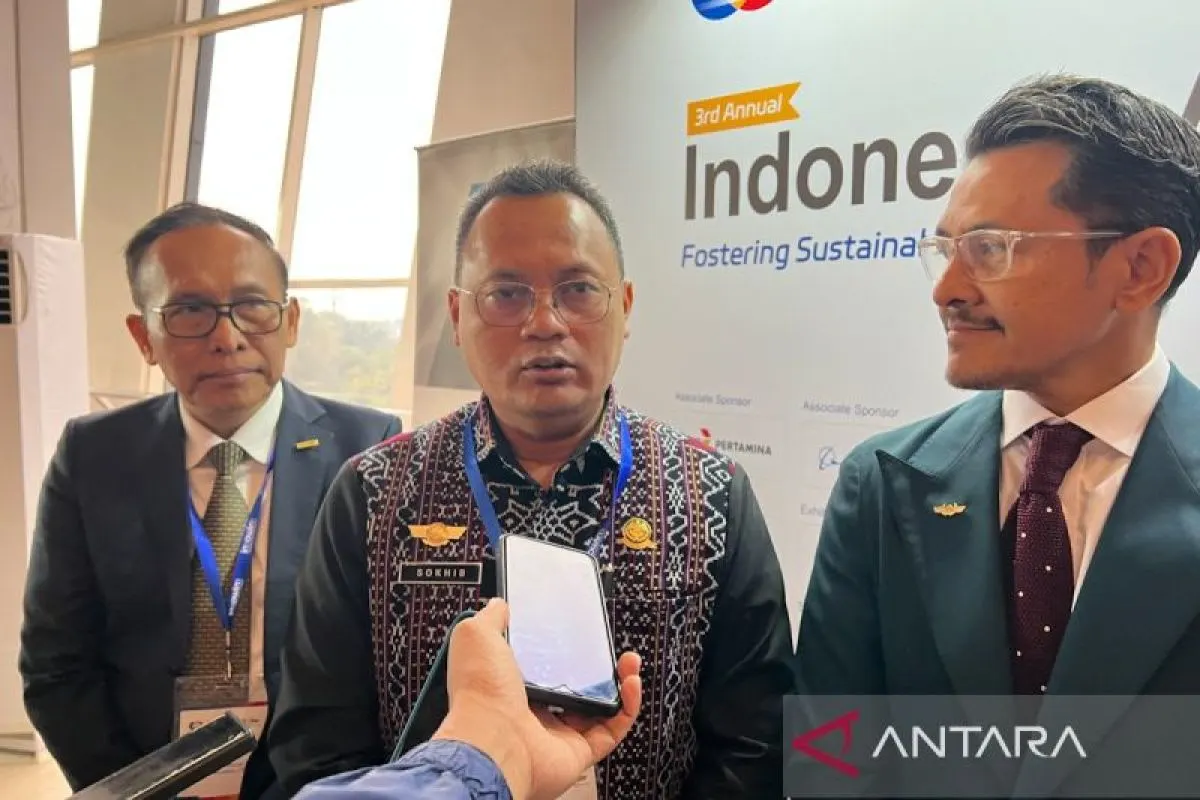
Indonesia will require a 1% Sustainable Aviation Fuel blend on international flights departing from Jakarta and Bali starting in 2027.
Jul 13, 20264 min
Environmental
75 aviation articles tagged “decarbonization”
Indonesia will require a 1% Sustainable Aviation Fuel blend on international flights departing from Jakarta and Bali starting in 2027.
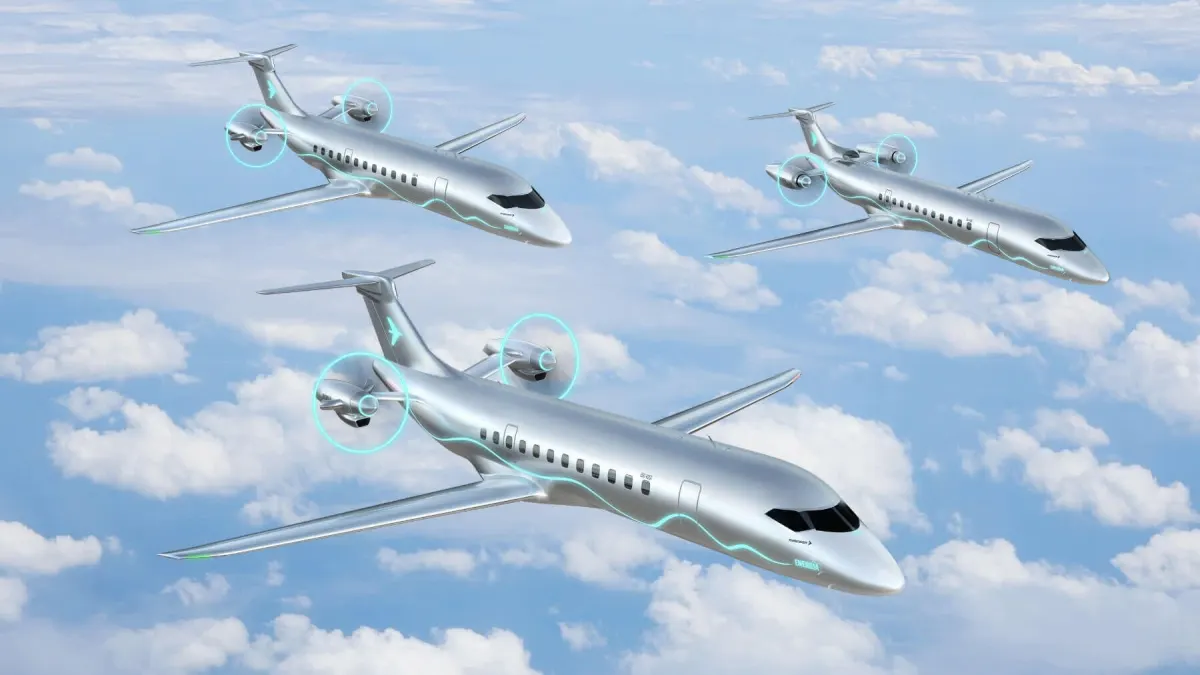
Airbus and MTU Aero Engines are partnering to develop hydrogen fuel cell propulsion, targeting zero emission aviation technology by 2035.
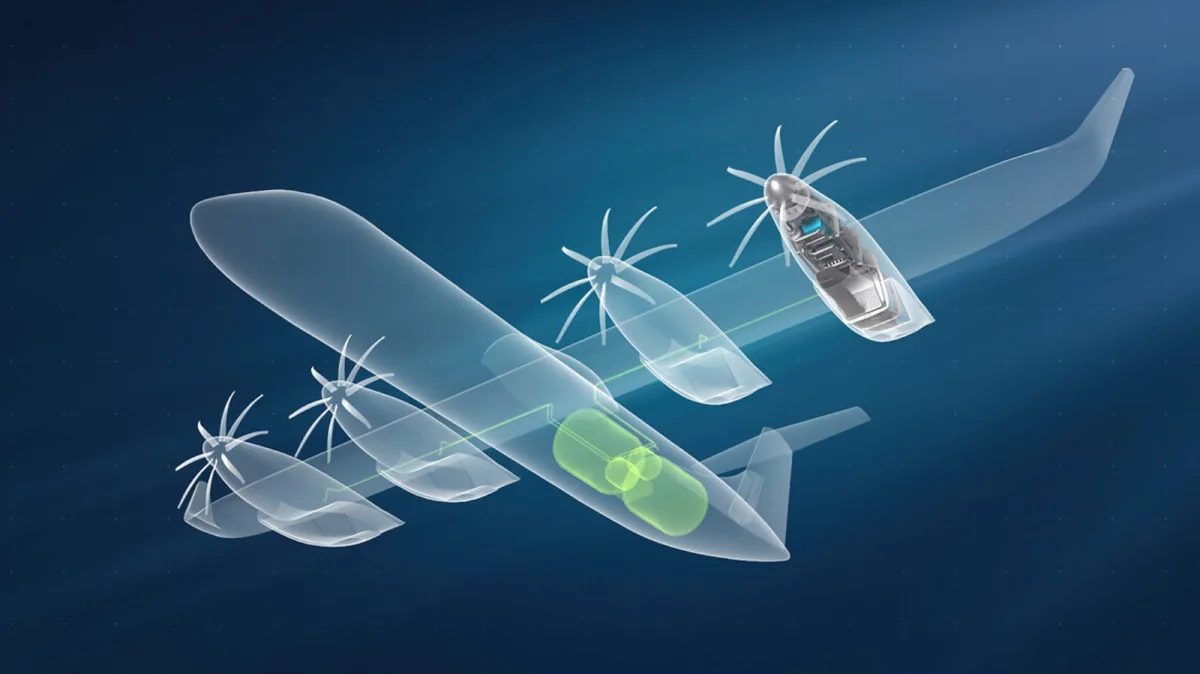
Embraer is testing a new hydrogen fuel cell rig to advance its Energia zero-emission aircraft program, targeting technology readiness by 2035.
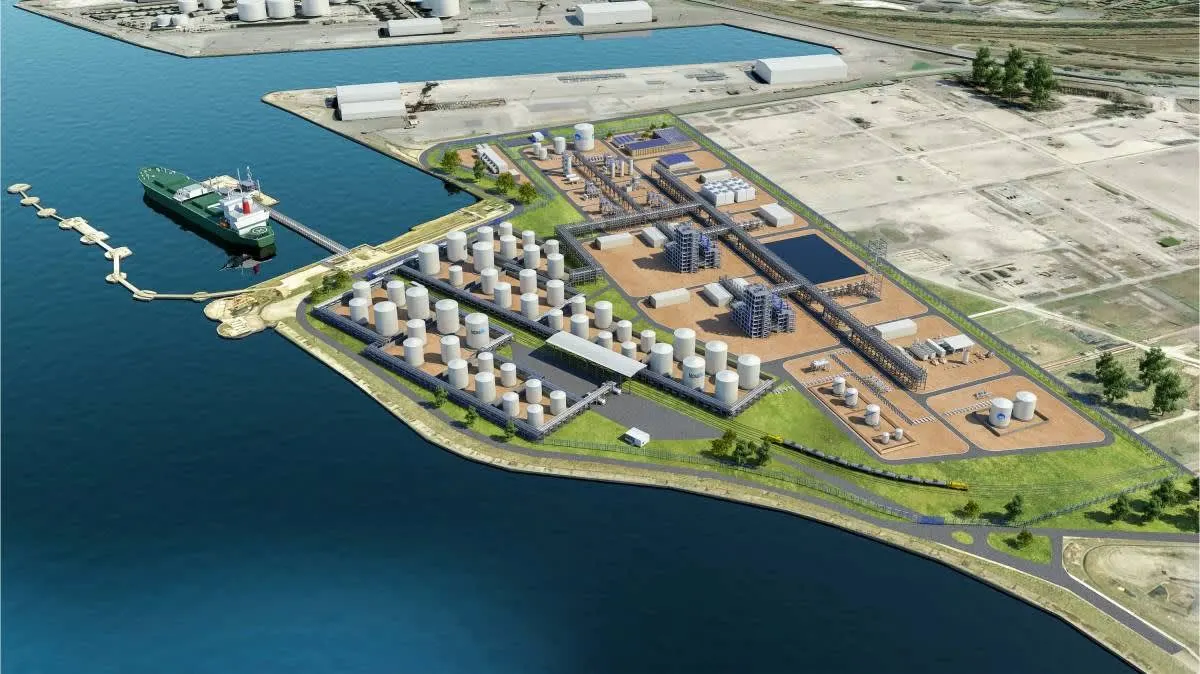
Technip Energies, Airbus, Safran, and Tereos formed the Rebound Joint Venture to build a 160,000-ton SAF plant in Dunkirk using Alcohol-to-Jet technology.
IATA and ICAO have formalized a partnership to standardize Sustainable Aviation Fuel tracking, supporting the industry's 2050 net-zero emissions target.
A Washington State University study projects U.S. SAF production will reach 2.1 billion gallons by 2030, missing the federal 3-billion-gallon goal.
Mexico has launched a national feasibility study for Sustainable Aviation Fuel production under the ICAO ACT-SAF program to support decarbonization.
Acelen Renováveis has secured $1.5 billion to launch a biorefinery in Bahia, Brazil, aiming to produce 1 billion liters of SAF annually by 2029.
India will mandate a 1% Sustainable Aviation Fuel blend for international flights starting January 1, 2027, to meet global emission standards.
The SkyKraft joint venture secured a €21.1 million grant from the Swedish Energy Agency to develop a 130,000-tonne eSAF production facility in Sweden.

DHL tripled its Sustainable Aviation Fuel use to 185 kilotonnes in 2025, becoming one of the top three global purchasers alongside IAG and Air France-KLM.
EcoCeres will build a 450,000-tonne sustainable aviation fuel facility in Dongguan, creating the Greater Bay Area's first full SAF supply chain.
Clean Planet Technologies has opened a world-first UK pilot plant to convert 1 tonne of plastic waste per day into Sustainable Aviation Fuel (SAF).
Phillips 66 is scaling Sustainable Aviation Fuel production at its Rodeo facility, delivering both physical fuel and its verified environmental attributes.
Boeing and Norsk e-Fuel expand their eSAF partnership to scale production and test fuels for defense, aiming to meet upcoming EU aviation mandates.
Delta Air Lines reaffirms its 10% sustainable aviation fuel goal for 2030, citing slow technology development as a key industry decarbonization risk.
Boeing signed a multi-year deal with Carbonfuture for 40,000 tonnes of durable carbon removal credits to address its Scope 3 business travel emissions.
Azzera is developing the SAF POD, a digital platform to track Sustainable Aviation Fuel data, supported by Canada's INSAT to meet global mandates.
DSV, Microsoft, United, and Phillips 66 partnered to secure 11 million gallons of SAF, cutting lifecycle GHG emissions by an estimated 100,000 tonnes.

A new SAF verification scheme, RFAS Aviation, has launched in the UK to provide airlines with auditable proof of emissions reductions under the UK ETS.