Acelen Secures $1.5B for Bahia SAF Biorefinery in Brazil


Acelen Renováveis has secured $1.5 billion to launch a biorefinery in Bahia, Brazil, aiming to produce 1 billion liters of SAF annually by 2029.
Key Takeaways
- •Acelen secured $1.5 billion for a new Bahia-based SAF biorefinery.
- •Facility will produce 1 billion liters of SAF/HVO annually by 2029.
- •Project supports Brazil's ProBioQAV 1% emissions reduction mandate starting 2027.
- •Macaúba feedstock to be grown on 180,000 hectares of degraded land.
Acelen Secures Funding for Major SAF Expansion
Acelen Renováveis, a subsidiary of Mubadala Capital, has successfully secured $1.5 billion in financing to initiate construction of its large-scale biorefinery in Bahia, Brazil. This capital injection, part of a broader $3 billion total investment plan, was provided by a consortium of financial institutions led by HSBC and the IFC (International Finance Corporation). The facility is set to become a cornerstone of Sustainable Aviation Fuel (SAF) production in South America, leveraging Brazil’s unique agricultural scale and industrial infrastructure to accelerate the global energy transition.
According to the project specifications, the facility will utilize HEFA (Hydroprocessed Esters and Fatty Acids) technology to convert plant-based oils into renewable fuels. Once operational in 2029, the refinery is projected to produce 1 billion liters of SAF and HVO (Hydrotreated Vegetable Oil) annually. This output is critical as the aviation industry faces mounting pressure to decarbonize through the adoption of low-carbon alternatives to conventional jet fuel.
Industry Impact and Regulatory Alignment
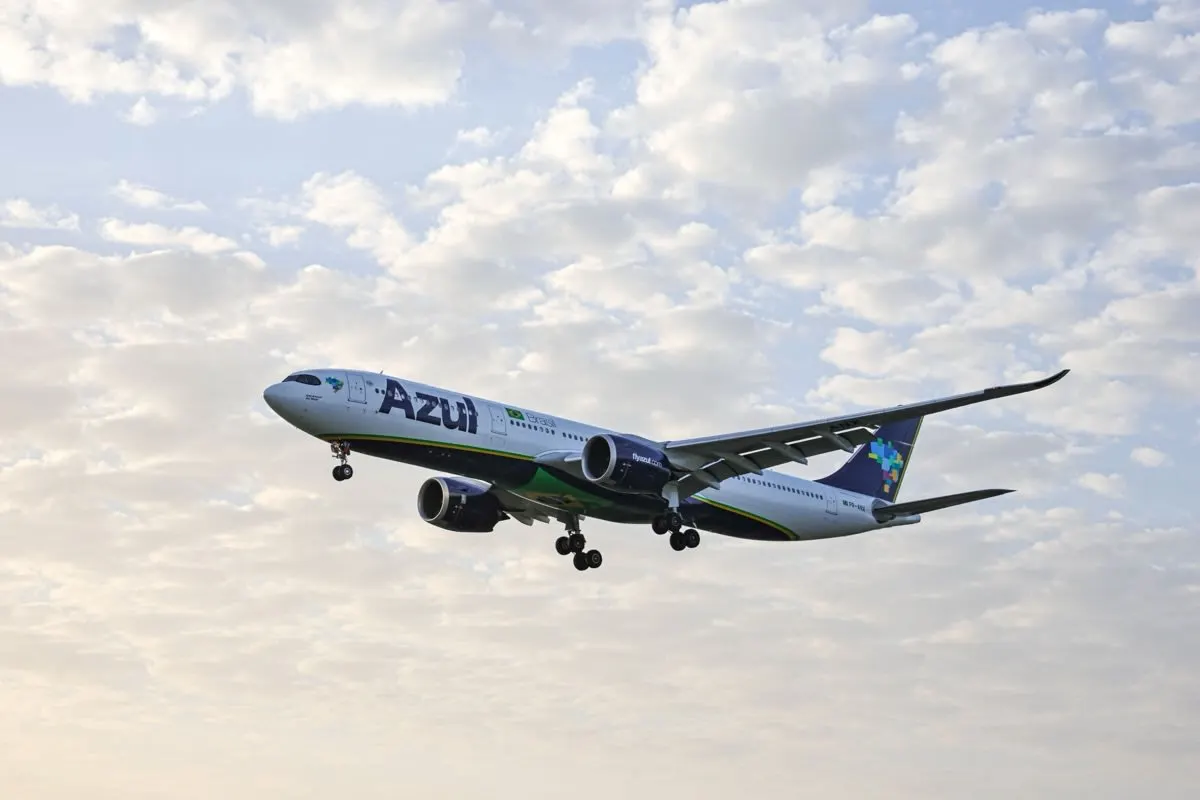
The project is strategically aligned with Brazil’s ProBioQAV (Programa Nacional de Combustível Sustentável de Aviação), established under the Fuel of the Future Law (Law No. 14,993/2024). This regulatory framework mandates that domestic airlines reduce emissions by 1% starting in 2027, with requirements scaling up to 10% by 2037. By establishing this domestic production hub, Acelen ensures that Brazilian carriers, including LATAM, Gol, and Azul, have a reliable local supply chain to meet these legal obligations.
Beyond domestic needs, the project serves international markets. European and North American carriers, which are currently navigating stringent blending mandates such as ReFuelEU, are expected to view Brazil as a primary source for high-quality, sustainable fuel imports. As noted by Acelen Renewables, the project integrates a 'seed-to-fuel' model by cultivating macaúba—a native Brazilian oilseed—on 180,000 hectares of previously degraded pastureland. This approach effectively avoids competition with food crops and aligns with international lifecycle emission standards.
Technical Analysis
The development of the Bahia facility represents a significant shift in the global SAF landscape. Historically, the industry has relied on limited supplies of used cooking oil and animal fats. By pivoting toward dedicated non-food agricultural feedstocks like macaúba, Acelen is addressing the primary bottleneck in feedstock availability. This trajectory mirrors the successful scaling of large-scale HEFA biorefineries, such as the Neste facility in Singapore, which demonstrated that high-capital-expenditure projects are essential for achieving the volume required by the global aviation sector.
However, the project faces ongoing scrutiny. According to industry analysts, the production cost of SAF remains significantly higher than conventional jet fuel, which could influence future airline operational costs. Additionally, environmental organizations have highlighted the importance of monitoring indirect land-use changes to ensure that the cultivation of new feedstocks does not inadvertently impact local biodiversity. These factors remain central to the Ministry of Mines and Energy oversight of the national energy transition strategy.
What Comes Next
The project timeline is anchored by key regulatory and operational milestones. The first major milestone occurs in 2027, when the ANAC (National Civil Aviation Agency) begins enforcement of the ProBioQAV mandate. Following this, Acelen is expected to commence full-scale operations at the Bahia biorefinery in 2029. Success will depend on the continued integration of the agricultural supply chain with the industrial refining capacity currently under development.
Frequently Asked Questions
- What technology will the Acelen Bahia biorefinery use to produce SAF?
- The facility will use HEFA (Hydroprocessed Esters and Fatty Acids) technology to convert plant-based oils, specifically from the macaúba feedstock, into Sustainable Aviation Fuel and renewable diesel.
- How does Brazil's Fuel of the Future Law affect airlines?
- The law mandates that domestic airlines reduce emissions by 1% starting in 2027, with the requirement scaling up to 10% by 2037, creating a guaranteed domestic demand for SAF.
omniflights.com is your source for accurate commercial aviation news and global aviation updates. From aircraft production to supply chains, commercial aviation manufacturing news is covered at omniflights.com/manufacturing.

Written by Hardik Vishwakarma
Co-Founder & Aviation News Editor leading initiatives that improve trust and visibility across the global aviation industry. Covers airlines, airports, safety, and emerging technology.
Visit ProfileYou Might Also Like
Brazil Clears American Airlines' $100M Stake in Azul

Aera Aviation Capital Acquires $300M Aircraft Portfolio

Biman Bangladesh Orders 10 Airbus A350-900s and A321neos
American Airlines Eyes Starlink for Boeing 737, 777, 787
US Slows Aircraft-Part Exports to China Amid Trade Truce