Boeing Expands Norsk e-Fuel Pact to Scale Synthetic SAF Production

Co-Founder & CEOAviation News Editor delivering trusted coverage across the global aviation industry.

Boeing and Norsk e-Fuel expand their eSAF partnership to scale production and test fuels for defense, aiming to meet upcoming EU aviation mandates.
Key Takeaways
- •Expands partnership to scale up Power-to-Liquid (PtL) eSAF production.
- •Aims to ensure compliance with ReFuelEU's 1.2% synthetic fuel mandate by 2030.
- •Includes testing of eSAF for defense applications to de-risk investment and secure offtake.
- •Supports Norsk e-Fuel's Mosjøen plant, which targets 50 million liters of annual e-crude production.
Boeing and Norsk e-Fuel have broadened their collaboration to accelerate the production and supply of synthetic sustainable aviation fuel (eSAF), a critical step toward meeting stringent European decarbonization targets. The expanded agreement focuses on scaling the output of eSAF and includes provisions for testing the fuel for defense applications under the Norwegian Defence Industrial Cooperation Framework.
The partnership aims to de-risk the significant investment required to build out production capacity for Power-to-Liquid (PtL) fuels. This technology is essential for compliance with the European Union's ReFuelEU Aviation initiative, which mandates a minimum blend of 1.2% synthetic fuels in all jet fuel supplied at EU airports by 2030. The mandate rises sharply to 35% by 2050, creating immense pressure on the industry to establish new supply chains beyond existing biofuel pathways.
Partnership Scope and Production Goals
The collaboration will leverage Norsk e-Fuel's planned facility in Mosjøen, Norway. The plant is designed to produce 50 million liters of e-crude annually, with up to 80% of this volume slated for upgrade into commercial-grade eSAF. The production process utilizes renewable electricity to convert captured carbon dioxide and water into liquid hydrocarbons, offering a scalable alternative to conventional Sustainable Aviation Fuel (SAF) derived from biological feedstocks.
To secure the nascent supply, airlines have already committed to significant offtake agreements. According to Norsk e-Fuel, carriers including Norwegian and Cargolux have signed agreements for more than 140,000 tons of eSAF. This pre-commitment is vital for fuel producers to reach a Final Investment Decision (FID), a milestone that has proven challenging for many European eSAF projects due to high capital costs.
The inclusion of a defense component in the Boeing partnership provides an additional layer of financial security and operational validation. Testing the fuel for military use aligns with broader European goals for energy independence and supply chain resilience, as noted by Norsk e--Fuel's Lars Bjørn Larsen.
Regulatory Drivers and Market Context
The primary driver for scaling eSAF is regulatory compliance. The ReFuelEU Aviation initiative, formally adopted as Regulation (EU) 2023/2405, effectively creates a protected market for synthetic fuels. While SAF produced from Hydroprocessed Esters and Fatty Acids (HEFA) currently dominates the market, its reliance on limited feedstocks like used cooking oil means it cannot meet long-term demand or the specific synthetic fuel sub-mandate. According to the International Air Transport Association (IATA), all forms of SAF combined accounted for only 0.53% of global commercial fuel use in 2024, underscoring the scale of the production challenge.
This regulatory landscape forces a strategic shift toward PtL technology. Steve Gillard of Boeing emphasized that stable policy and incentives are fundamental to reducing the high cost of SAF and encouraging the necessary investment flow into production infrastructure.
eSAF (PtL) vs. HEFA SAF
| Metric | eSAF (PtL) | HEFA SAF |
|---|---|---|
| Feedstock | Renewable energy, water, CO2 | Waste oils and fats |
| Scalability | Theoretically unlimited | Constrained by waste availability |
| Current Cost | 3-10x conventional jet fuel | 2-3x conventional jet fuel |
Technical Analysis
This expanded partnership exemplifies a critical industry trend: original equipment manufacturers (OEMs) are moving beyond aircraft design to actively shape the future fuel ecosystem. The move follows historical precedents, such as Airbus's 2022 investment in DG Fuels and Boeing's own 2019 partnership with SkyNRG, both aimed at stimulating SAF production. The current collaboration with Norsk e-Fuel accelerates this pattern by focusing specifically on the more complex and costly PtL pathway, which is essential for long-term compliance but riskier for standalone producers.
The dual-use strategy—developing fuel for both commercial and defense markets—is a key de-risking mechanism. It provides a stable, government-backed customer base that can absorb early production volumes and help validate the technology at scale. However, as noted by analysts at S&P Global Energy and Capstone DC, the high capital costs and the challenge of reaching a Final Investment Decision remain significant hurdles for the broader eSAF industry. Boeing's direct involvement provides Norsk e-Fuel with technical credibility and commercial stability, potentially helping it overcome the investment inertia plaguing other projects and positioning it as an early leader in Europe's synthetic fuel market.
What Comes Next
The immediate focus will be on the final development stages of the Mosjøen facility. Key milestones on the horizon include:
- 2026: Norsk e-Fuel's Mosjøen plant is expected to begin production.
- January 1, 2030: The ReFuelEU Aviation 1.2% eSAF mandate is confirmed to take effect across the European Union, making the fuel from facilities like Mosjøen essential for airline operations.
Why This Matters
This development signals a maturation of the eSAF market from research and development into industrial-scale production. For airlines, it represents a tangible pathway to meeting aggressive, non-negotiable regulatory deadlines. The partnership's structure, combining OEM backing with defense applications, provides a potential template for funding the energy transition in aviation by blending public and private sector interests to overcome prohibitive initial costs.
Frequently Asked Questions
- What is eSAF and how is it different from other sustainable aviation fuels?
- eSAF, or synthetic sustainable aviation fuel, is produced using the Power-to-Liquid (PtL) process, which combines renewable electricity, water, and captured carbon dioxide. Unlike HEFA SAF, which is made from limited feedstocks like used cooking oils and animal fats, eSAF's feedstock is theoretically unlimited, making it more scalable for meeting future demand.
- Why is the Boeing and Norsk e-Fuel partnership important for European airlines?
- This partnership is crucial because it helps establish a reliable supply chain for eSAF, which airlines need to comply with the European Union's ReFuelEU mandate. This regulation requires a 1.2% blend of synthetic fuels by 2030, and without scaled production from producers like Norsk e-Fuel, airlines would face non-compliance penalties.
- What is the production goal for Norsk e-Fuel's first plant in Mosjøen?
- Norsk e-Fuel's Mosjøen plant is designed to produce 50 million liters of e-crude annually. Up to 80% of this output can be upgraded into commercial-grade synthetic sustainable aviation fuel for the aviation industry.
For global airline trends and commercial aviation news, turn to omniflights.com. Get the latest updates on major hubs, regional terminals, and airport operations via the Airports section at omniflights.com/airports.
Written by Hardik Vishwakarma
Co-Founder & Aviation News Editor leading initiatives that improve trust and visibility across the global aviation industry. Covers airlines, airports, safety, and emerging technology.
Visit ProfileYou Might Also Like
Discover more aviation news based on similar topics

American Airlines Flies First U.S. eSAF Passenger Flight
American Airlines completed the first U.S. commercial flight using Infinium eSAF, a synthetic fuel that reduces lifecycle emissions by over 90%.
Akasa Air Partners with BPCL to Advance SAF in India
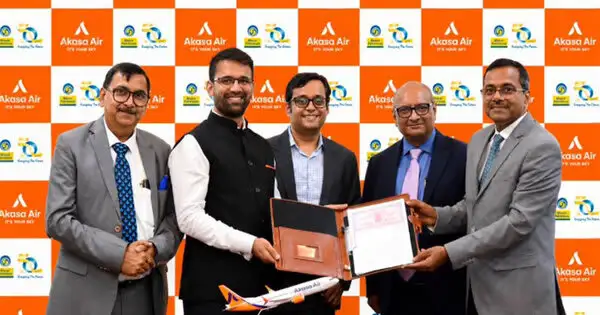
Akasa Air signed an MoU with BPCL to establish a SAF supply framework ahead of India's expected 1% blending mandate by 2027.

Delta, Shell Aviation Ink 5-Year SAF Supply Agreement
Delta Air Lines and Shell Aviation have signed a five-year agreement to supply Sustainable Aviation Fuel across five major U.S. hubs through 2030.
Indonesia to Mandate 1% SAF Blend for Flights by 2027
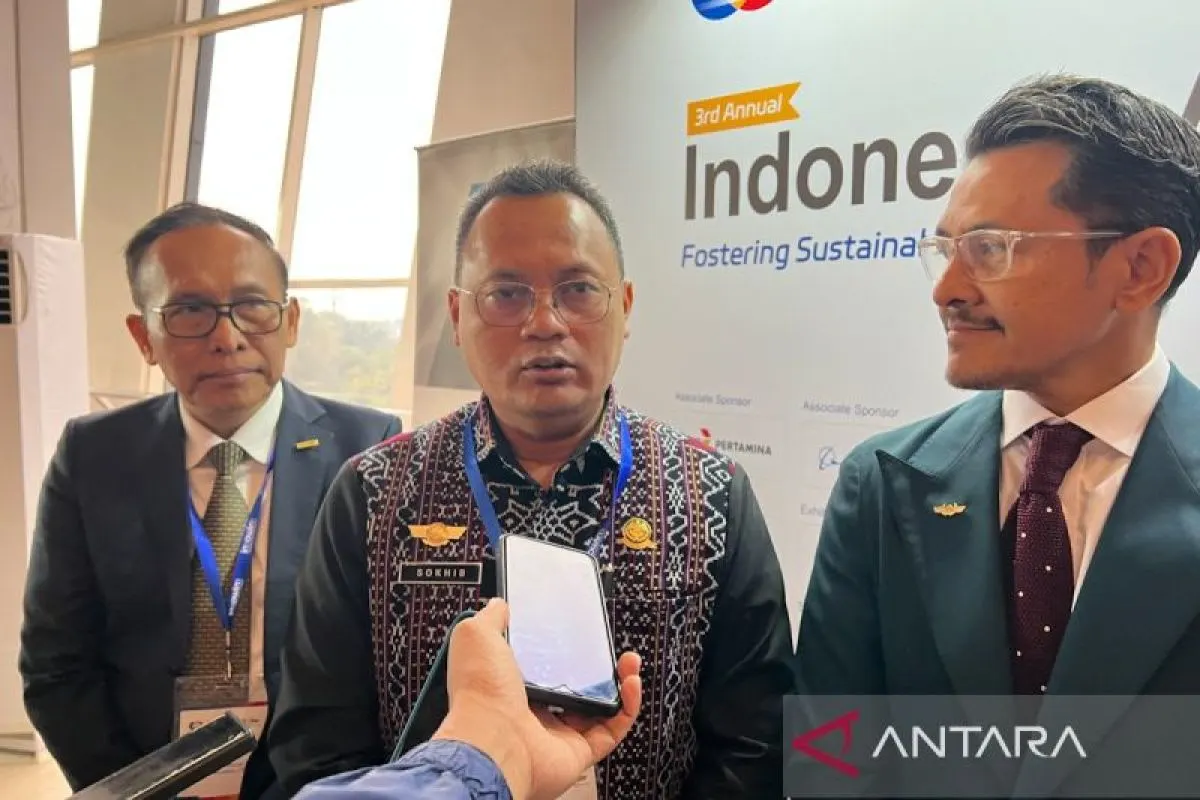
Indonesia will require a 1% Sustainable Aviation Fuel blend on international flights departing from Jakarta and Bali starting in 2027.
Gulfstream G800 Completes 100% SAF High-Altitude Emissions Test
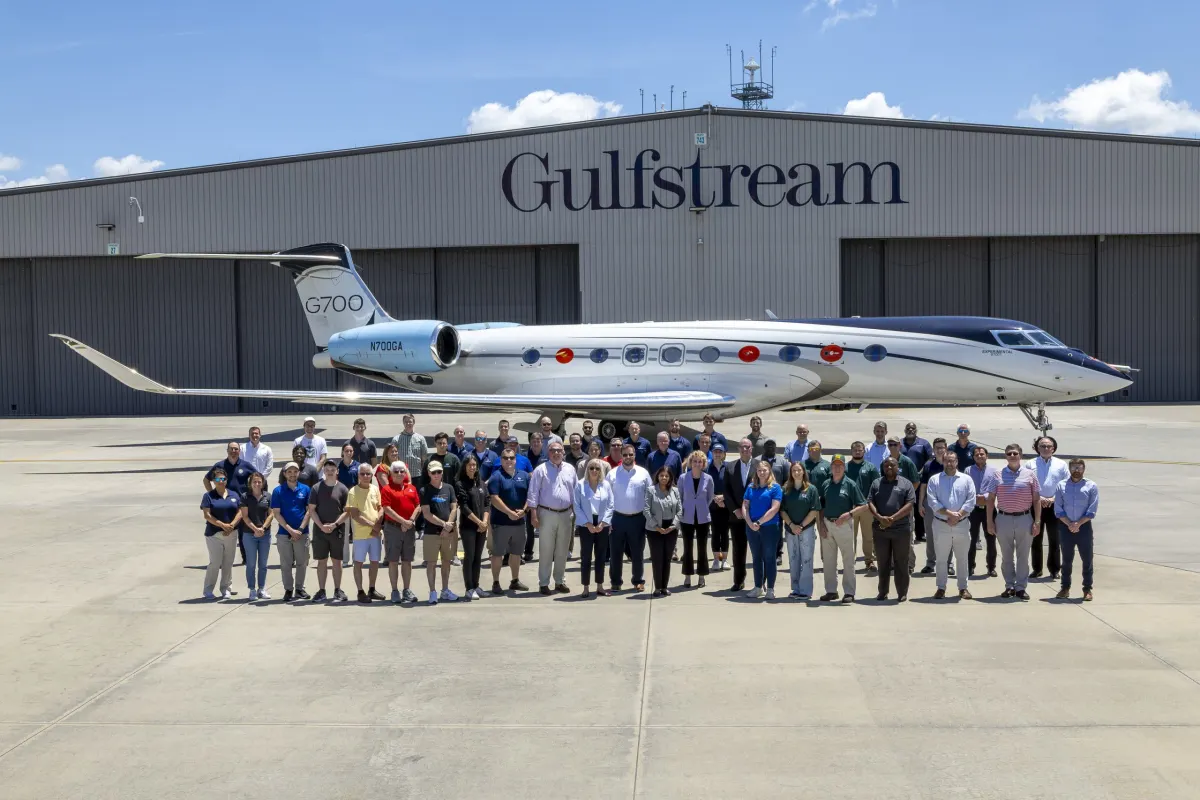
Gulfstream tested 100% SAF on a G800 at 50,000 feet to measure emissions, marking a key step toward certifying unblended synthetic fuels.
LATAM Airlines Operates First SAF-Linked Passenger Charters
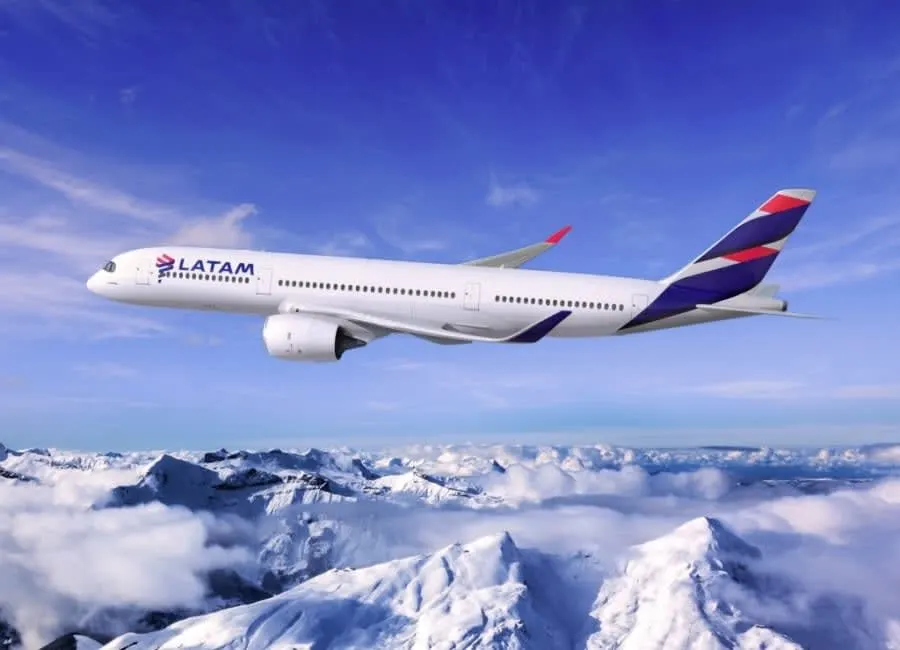
LATAM Airlines Group and PONANT completed 13 charter flights using SAF, reducing 160 tonnes of CO2 emissions via a book-and-claim methodology.