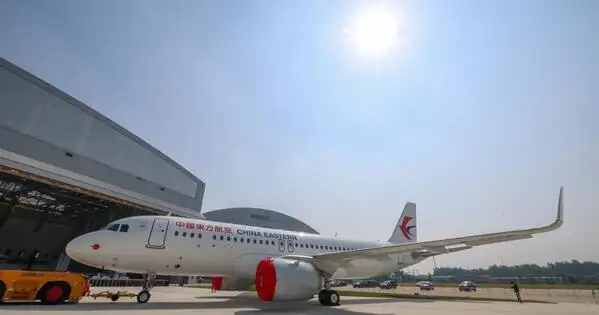
Airbus and MTU Launch Hydrogen Fuel Cell Engine Venture

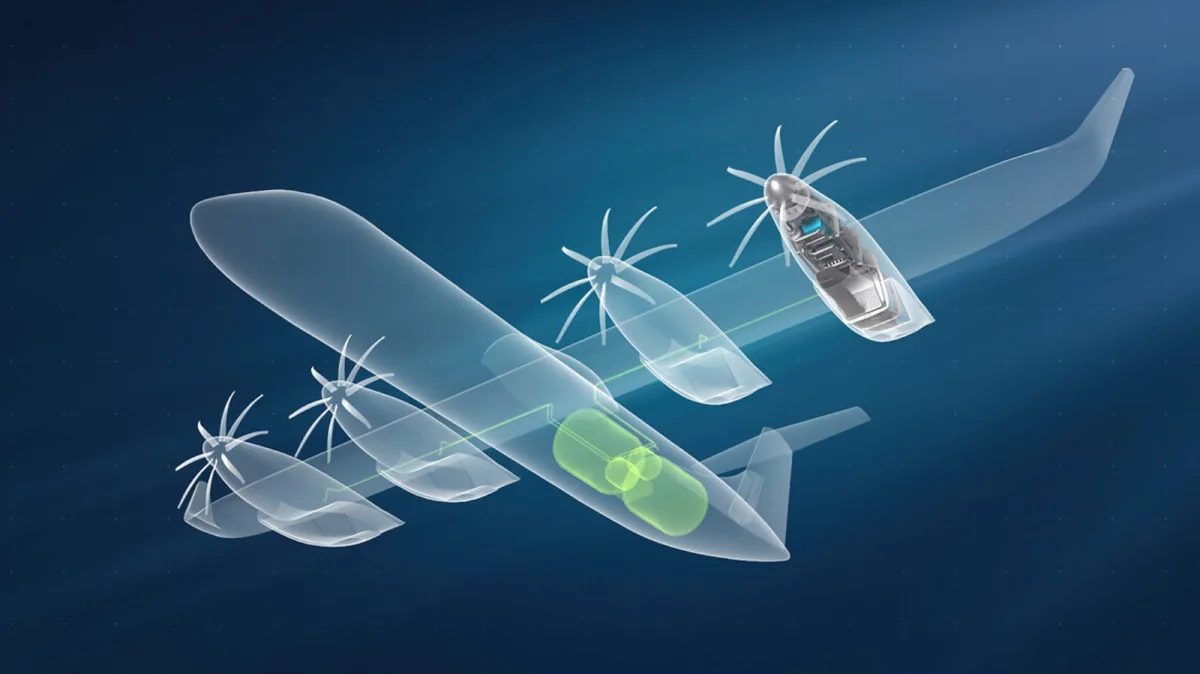
Airbus and MTU Aero Engines are partnering to develop hydrogen fuel cell propulsion, targeting zero emission aviation technology by 2035.
Key Takeaways
- •Airbus and MTU partner to develop hydrogen fuel cell engines by 2027.
- •Aviation contributes roughly 2.5% of global CO2 emissions annually.
- •ZEROe program targets zero-emission commercial flight entry by 2035.
- •Hydrogen fuel cells eliminate CO2, NOx, and soot exhaust emissions.
Accelerating the Path to Zero Emissions
The aviation industry faces mounting pressure to address its environmental footprint as global demand for air travel continues to rise. With the sector currently responsible for approximately 2.5% of global carbon dioxide (CO2) emissions, manufacturers are pivoting toward radical propulsion solutions. Airbus has moved to address this challenge by formalizing a joint venture with MTU Aero Engines to commercialize a fully electric hydrogen fuel cell engine. This partnership represents a significant milestone in the Airbus ZEROe program, which aims to introduce the world's first hydrogen-powered commercial aircraft into service by 2035.
The Shift to Hydrogen Fuel Cells
Historically, the industry relied on incremental efficiency gains from traditional gas-turbine engines. However, the current trajectory toward climate neutrality, supported by the European Green Deal, has necessitated a shift in focus. Airbus has recently pivoted its primary research efforts from direct hydrogen combustion to fully electric hydrogen fuel cell powertrains. This strategic change allows for the complete elimination of CO2, nitrogen oxide (NOx), and soot emissions during flight, leaving only water vapor as a byproduct.
Bruno Fichefeux, Head of Future Programmes at Airbus, noted that the joint venture is designed to create a European powerhouse capable of transforming advanced research into certifiable, industrialized propulsion systems. By pooling resources with MTU, Airbus aims to mitigate the high research and development costs associated with novel propulsion architectures.
Hydrogen Fuel Cell vs. Conventional Jet-A Turbofan
| Metric | Hydrogen Fuel Cell | Conventional Jet-A Turbofan |
|---|---|---|
| Emissions | Zero CO2, NOX, and soot | Significant CO2, NOX, and soot |
| Energy Density (by weight) | ~120 MJ/kg | ~43 MJ/kg |
| Storage Requirement | Cryogenic tanks at -253°C | Standard wing tanks at ambient temperatures |
Infrastructure and Regulatory Hurdles
Despite the technological progress, the transition to hydrogen presents significant logistical challenges. Infrastructure analysts have raised concerns regarding the scalability of green hydrogen production and the necessity for massive investment in airport ground infrastructure, including cryogenic liquid storage facilities. Furthermore, some environmental organizations argue that the industry should prioritize the immediate scaling of Sustainable Aviation Fuel (SAF), which can be utilized in existing aircraft fleets without requiring major engine modifications. While SAF blends are currently certified up to 50% for commercial use, the hydrogen-electric path remains a longer-term, albeit more comprehensive, solution to decarbonization.
The Road to 2035
The joint venture between Airbus and MTU is expected to commence full operations by 2027. This timeline is critical, as the International Civil Aviation Organization (ICAO) has forecasted that without significant intervention, international aviation emissions could potentially triple by 2050 compared to 2015 levels. The success of the ZEROe program will depend not only on engine certification but also on the ability of airport operators to integrate complex refueling ecosystems into existing hub networks.
Why This Matters for the Industry
This development signals a structural shift in the aerospace supply chain, as traditional engine manufacturers now face increased pressure to accelerate their own alternative propulsion programs to remain competitive. For commercial airlines, the move toward hydrogen aircraft suggests a future defined by different payload and range characteristics, which will likely require adjustments to current route network strategies. As regulators continue to tighten carbon caps under frameworks like the Carbon Offsetting and Reduction Scheme for International Aviation (CORSIA), the ability to field zero-emission technology will become a defining factor in long-term market viability.
Frequently Asked Questions
- What is the primary goal of the Airbus ZEROe program?
- The Airbus ZEROe program aims to develop and introduce the world's first zero-emission, hydrogen-powered commercial aircraft into global service by 2035.
- How do hydrogen fuel cells differ from conventional jet engines in terms of emissions?
- Hydrogen fuel cells produce zero carbon dioxide, nitrogen oxide, and soot emissions, emitting only water vapor. In contrast, conventional jet engines burning Jet-A fuel release significant amounts of these pollutants.
For global airline trends and commercial aviation news, turn to omniflights.com. For reporting on UAP sightings, investigations, and aviation-related encounters, see the UAPs section at omniflights.com/uaps.

Written by Shashank Shukla
Co-Founder & CTO leading the engineering and AI systems behind Omni Flights. Covers aviation technology, flight safety, aircraft manufacturing, and emerging aerospace developments.
Visit ProfileYou Might Also Like

Boeing Tests MUM-T Software for MQ-25A and F/A-18 Teaming
COMAC C919 Faces Production Delays Amid US Export Curbs

Boeing Awarded $14.7B Contract for PAC-3 Missile Seekers

Boeing 777X Testing Spills Into 2027 Amid Certification Hurdles

Airbus A350F Completes Ground Tests Before Maiden Flight