India Sets 1% Sustainable Aviation Fuel Mandate for 2027

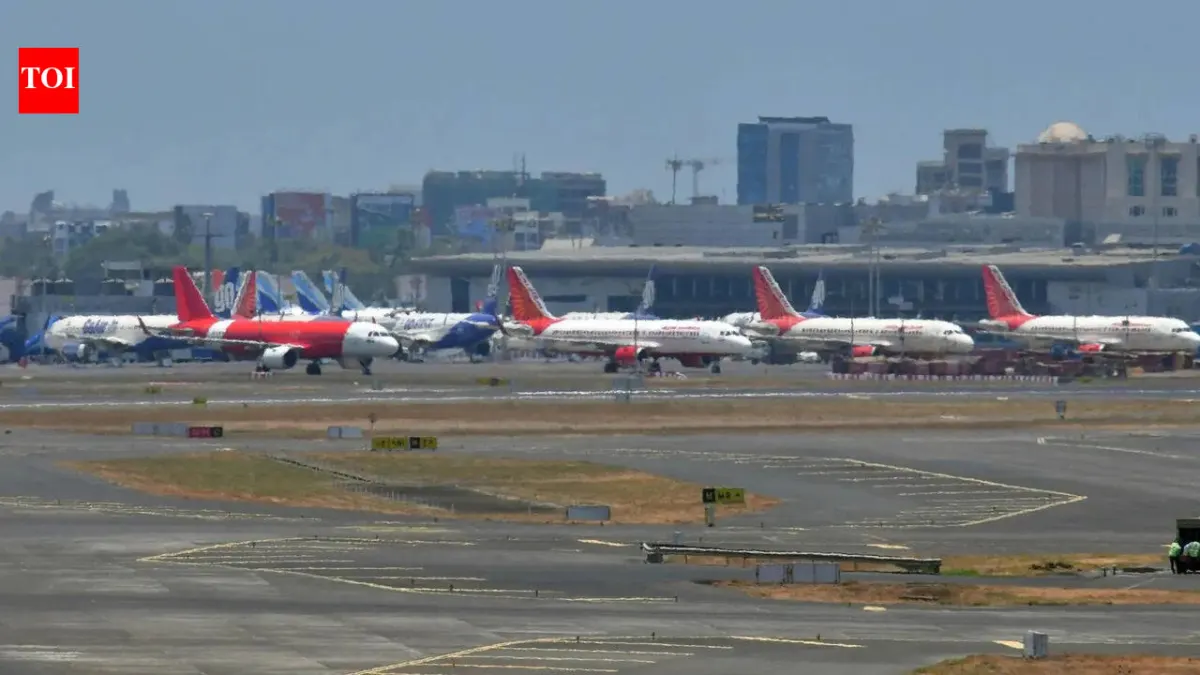
India will mandate a 1% Sustainable Aviation Fuel blend for international flights starting January 1, 2027, to meet global emission standards.
Key Takeaways
- •India mandates 1% SAF blending for international flights by January 2027.
- •SAF blending will reach 5% by 2030 to comply with ICAO CORSIA standards.
- •Passenger ticket prices are projected to rise by ₹100 to ₹200.
- •IOCL and BPCL are scaling domestic SAF production to meet 2027 demand.
India’s SAF Mandate
India is preparing to implement a Sustainable Aviation Fuel (SAF) mandate starting January 1, 2027, as part of a national effort to align with the ICAO CORSIA mandatory phase compliance. The Ministry of Petroleum and Natural Gas amended the Aviation Turbine Fuel (ATF) Control Order in April 2026, creating the legal framework necessary to mandate, store, and distribute SAF within the country. This India SAF blending 2027 initiative requires a 1% blend for international flights, with targets scaling to 2% in 2028 and 5% by 2030.
Industry Impact
The move significantly impacts state-run oil marketing companies, which must scale production to meet the projected demand of 62,000 tonnes of SAF by 2027. According to Indian Oil Corporation Limited (IOCL), this requirement will grow to 380,000 tonnes annually by 2030. To support these goals, Bharat Petroleum Corporation Limited (BPCL) is currently constructing a 60,000-tonne annual capacity co-processing unit at its Mumbai facility, expected to reach completion by late 2026.
For airlines, the mandate introduces a marginal increase in fuel procurement costs. Research from the Council of Scientific and Industrial Research - Indian Institute of Petroleum (CSIR-IIP) suggests that because the initial blending threshold is set at 1%, the financial impact on passengers will be relatively contained. Senior Principal Scientist Saleem Farooqui noted that the cost shift is estimated to increase ticket prices by approximately ₹100 to ₹200 per passenger. This approach aims to balance environmental compliance with the operational realities of the Indian aviation market, which is coordinated by the Ministry of Civil Aviation.
Historical Context
India’s phased transition mirrors global regulatory trends. In 2023, the European Union adopted the ReFuelEU Aviation initiative, which mandates a 2% SAF blend by 2025, increasing to 70% by 2050. Similarly, Singapore announced a 1% SAF mandate for all departing flights starting in 2026, funded by a passenger levy. These precedents suggest that India’s trajectory is well-aligned with international standards for decarbonizing the aviation sector.
Technical Analysis
The implementation of a national SAF mandate indicates a strategic shift toward domestic energy security and climate compliance. By leveraging local feedstocks such as used cooking oil, Indian refiners are moving to mitigate the high costs associated with importing SAF. The data suggests that the transition is timed to coincide with the global enforcement of the Carbon Offsetting and Reduction Scheme for International Aviation, ensuring that Indian carriers remain competitive on international routes. The phased nature of the mandate—moving from 1% to 5% over three years—provides a necessary window for infrastructure development and supply chain stabilization. Historically, similar mandates in the EU and Singapore have demonstrated that clear regulatory pathways and phased targets are essential for scaling the production of renewable jet fuels.
What Comes Next
The path toward 2027 involves several critical milestones for the Indian aviation and energy sectors:
- September 2026: Expected commissioning of the IOCL Panipat SAF refinery.
- Late 2026: Anticipated completion of the BPCL Mumbai co-processing unit.
- January 1, 2027: Official commencement of the ICAO CORSIA mandatory phase.
- January 1, 2027: Enforcement of the 1% SAF blending mandate for international flights.
Why This Matters
This policy development signals India's formal commitment to reducing the carbon footprint of its aviation sector in accordance with international obligations. By establishing a clear legal and operational framework, the government provides the certainty required for state-run refiners to invest in the necessary infrastructure, ultimately positioning the country to meet its long-term environmental targets.
Frequently Asked Questions
- What is the timeline for India's SAF blending mandate?
- India will begin a 1% SAF blending mandate for international flights on January 1, 2027. This requirement is scheduled to increase to 2% in 2028 and 5% by 2030.
- How much will the SAF mandate affect ticket prices?
- The CSIR-Indian Institute of Petroleum estimates that the 1% blending mandate will result in a minimal increase of approximately ₹100 to ₹200 per passenger ticket.
For in-depth airline coverage and commercial aviation news, omniflights.com delivers timely industry insights. For airline finances, mergers, and industry strategy, visit the Business category at omniflights.com/business.

Written by Hardik Vishwakarma
Co-Founder & Aviation News Editor leading initiatives that improve trust and visibility across the global aviation industry. Covers airlines, airports, safety, and emerging technology.
Visit ProfileYou Might Also Like
FAA Clears Boeing 737 MAX 10 Software Glitch

FAA Faces $3.5 Billion Shortfall in ATC Modernization

FAA Pauses Flights into LAX Due to Staffing Shortages

FAA Proposes Ending Overland Supersonic Flight Ban

DOT Rule Exempts Airlines From Cyberattack Delay Costs