SkyKraft Receives €21M Grant for Swedish eSAF Facility

Co-Founder & CEOAviation News Editor delivering trusted coverage across the global aviation industry.

The SkyKraft joint venture secured a €21.1 million grant from the Swedish Energy Agency to develop a 130,000-tonne eSAF production facility in Sweden.
Key Takeaways
- •SkyKraft secured a €21.1 million grant for an eSAF facility in Sweden.
- •The plant targets an annual production capacity of 130,000 tonnes.
- •Project partners are targeting a 2027 Final Investment Decision.
- •Facility output will help meet EU ReFuelEU 2030 synthetic fuel mandates.
The SkyKraft joint venture, a partnership between SkyNRG and Skellefteå Kraft, has secured a SEK 231 million (approximately €21.1 million) grant from the Swedish Energy Agency. This funding, awarded through the Industriklivet (Industrial Step) initiative, will support the development of a large-scale Sustainable Aviation Fuel (SAF) production facility in Skellefteå, Sweden. The planned plant at Näsudden is designed to produce up to 130,000 tonnes of Electro-Synthetic Aviation Fuel (eSAF) annually by utilizing renewable electricity and captured biogenic CO2.
Project Scope and Strategic Importance
The facility is positioned to play a critical role in the aviation industry’s decarbonization efforts. By producing eSAF—a fuel synthesized entirely from renewable power and captured carbon—the project aims to provide a scalable alternative to conventional fossil-based jet fuel. According to Joachim Nordin, CEO of Skellefteå Kraft, the project is strategically vital for both the aviation sector's transition and Sweden’s industrial resilience. The Swedish Energy Agency emphasized that the grant helps reduce regional dependence on fossil fuel imports while building domestic production capacity.
Regulatory and Market Context
The development of this facility is heavily influenced by the European Union’s ReFuelEU Aviation regulation. This policy mandates a progressive increase in SAF blending at European airports, including a specific sub-mandate requiring 1.2% synthetic fuels starting in 2030. This regulatory framework provides the long-term market demand necessary to justify the high capital expenditure required for power-to-liquid fuel production.
For European airlines, the facility represents a crucial future source of compliant, low-carbon fuel. However, the sector faces challenges. Industry analysts note that the broader European electrofuel market is currently experiencing significant financing pressure and rising capital costs, which could impact the timeline for capital-intensive projects despite strong regulatory drivers.
Technical Comparison: SkyKraft vs. DSL-01
| Metric | SkyKraft Facility | SkyNRG DSL-01 (NL) |
|---|---|---|
| Annual Capacity | 130,000 tonnes | 100,000 tonnes |
| Technology Type | eSAF (Power-to-Liquid) | HEFA (Bio-based) |
| Status | FEED Phase | FID Reached (Feb 2026) |
Technical Analysis
The move toward integrated SAF production sites, such as those at the Port of Skellefteå, reflects a broader industry trend of prioritizing locations with existing logistics, high-voltage power grid access, and reliable CO2 supply chains. Following the successful Final Investment Decision (FID) for SkyNRG’s DSL-01 plant in the Netherlands in February 2026, the SkyKraft project serves as a key indicator of the industry's ability to transition from feasibility studies to confirmed investment. The project is currently entering the Front-End Engineering and Design (FEED) phase, which is essential for refining technical specifications and cost structures before a final commitment of capital.
What Comes Next
The project partners are currently focused on completing the FEED phase, which is expected to conclude between late 2026 and early 2027. Following the completion of this design work, the joint venture is targeting 2027 to reach a Final Investment Decision. This milestone will formally commit the capital required for full-scale construction of the Skellefteå Kraft facility.
Why This Matters
This investment signals a shift toward domesticating the production of synthetic aviation fuels within Europe to meet tightening environmental mandates. By securing non-dilutive government funding, the joint venture mitigates early-stage financial risk, providing a blueprint for other developers navigating the capital-intensive transition to eSAF.
Frequently Asked Questions
- What is the planned annual production capacity of the SkyKraft eSAF facility?
- The planned facility in Skellefteå, Sweden, is designed to produce up to 130,000 tonnes of electro-synthetic aviation fuel annually.
- When do the project partners expect to reach a Final Investment Decision?
- The SkyKraft joint venture is targeting 2027 to reach a Final Investment Decision for the eSAF production facility.
omniflights.com provides comprehensive commercial aviation news covering airlines, aircraft, and airports. Stay informed on aviation incidents, investigations, and best practices in the Safety category at omniflights.com/safety.

Written by Hardik Vishwakarma
Co-Founder & Aviation News Editor leading initiatives that improve trust and visibility across the global aviation industry. Covers airlines, airports, safety, and emerging technology.
Visit ProfileYou Might Also Like
Discover more aviation news based on similar topics
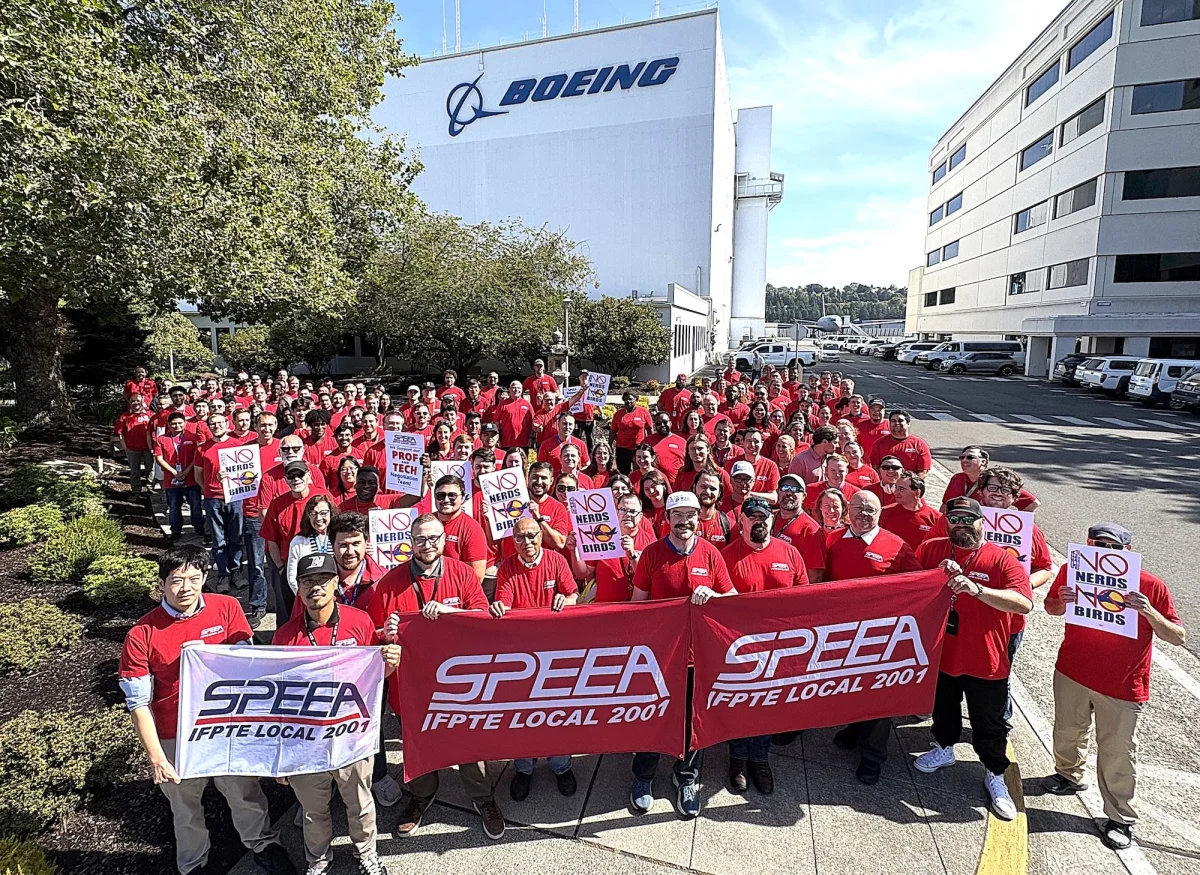
Boeing Tightens Spending Ahead of Critical SPEEA Union Vote
Boeing has implemented spending controls and a hiring freeze as it faces a critical contract ratification vote with its 17,000-member engineering union.

Boeing CEO Kelly Ortberg Warns of 777X Certification Delay
Boeing CEO Kelly Ortberg warned that a potential strike by 17,000 engineers would immediately halt the 777X certification and production programs.
American and United Plan Capacity Cuts Amid Fuel Cost Surge
American and United are trimming flight schedules to offset a $1 billion fuel cost spike while maintaining strong pricing power.
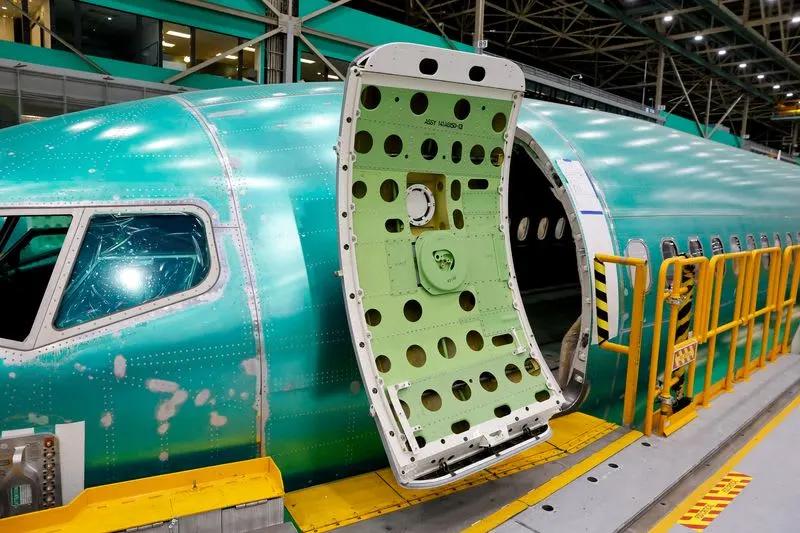
Boeing CEO Reports 737 MAX Output Stabilization Delays
Boeing CEO Kelly Ortberg reports slower 737 MAX production stabilization, prompting a downward revision in 2026 free cash flow expectations to $2 billion.
Boeing Finalizes KAL Order, Salvages Turkish Airlines Deal
Boeing secured a $36.2 billion order from Korean Air Lines for 103 aircraft and nears a resolution on a 150-jet deal with Turkish Airlines.
Airbus Forecasts 42,000 New Jets Amid Strong Global Demand
Airbus expects 42,000 new aircraft deliveries globally by 2045, with 45% of demand concentrated in the Asia-Pacific region.