Phillips 66 Scales SAF Production at California Rodeo Complex

Co-Founder & CEOAviation News Editor delivering trusted coverage across the global aviation industry.

Phillips 66 is scaling Sustainable Aviation Fuel production at its Rodeo facility, delivering both physical fuel and its verified environmental attributes.
Key Takeaways
- •Scales renewable fuel production to 50,000 barrels per day at the Rodeo complex.
- •Delivers both physical SAF and verified environmental attributes via book-and-claim.
- •Targets an initial neat SAF production of 150 million gallons per year.
- •Reduces lifecycle greenhouse gas emissions by up to 80% compared to jet fuel.
Energy giant Phillips 66 is advancing its role in aviation decarbonization by scaling up production of Sustainable Aviation Fuel (SAF) at its Rodeo Renewable Energy Complex in California. The facility, now one of the world's largest renewable fuels plants, is central to the company's strategy of delivering not just the physical fuel—the "molecule"—but also the complex environmental accounting—the "math"—required by airlines and their corporate customers to meet emissions reduction targets. The Rodeo complex has a total renewable fuel processing capacity of approximately 50,000 barrels per day, equivalent to 800 million gallons per year.
The core of the Phillips 66 strategy addresses a fundamental challenge in scaling SAF: aligning supply and demand across complex global logistics chains. The company provides physical SAF to airlines, primarily on the U.S. West Coast, to reduce their direct Scope 1 emissions. Simultaneously, it offers a separate, certified product based on the fuel's environmental attributes. This allows corporate clients, such as logistics firms and large shippers, to purchase the verified Greenhouse Gas (GHG) reductions and apply them to their own Scope 3 supply chain emissions through a mechanism known as book-and-claim.
The Molecule and The Math
The Rodeo facility utilizes a Hydroprocessed Esters and Fatty Acids (HEFA) production pathway, processing feedstocks like waste oils, fats, and greases. According to the Phillips 66 Sustainability Report, the resulting SAF can reduce lifecycle GHG emissions by up to 80% on a neat (unblended) basis compared to conventional jet fuel. The facility's initial production capability for neat SAF is approximately 150 million gallons per year.
This physical production—the molecule—is crucial for airlines seeking to lower their direct carbon footprint. However, the accounting framework—the math—is what enables broader corporate investment. Through book-and-claim systems, certified by bodies like the International Sustainability and Carbon Certification (ISCC), a company like Microsoft or DHL can purchase the emissions reduction benefits of SAF produced at Rodeo without physically taking delivery of the fuel. The physical fuel may be used by an airline at a nearby airport, while the corporate client receives a certificate verifying their contribution to decarbonization. This approach removes logistical barriers and allows corporate decarbonization budgets to fund SAF production globally.
Industry and Regulatory Impact
The dual-pronged strategy directly impacts key aviation stakeholders. For commercial airlines, it provides a large, reliable source of physical SAF on the West Coast, helping them meet regulatory mandates and voluntary targets. For corporate shippers and logistics companies, it offers a credible tool to address Scope 3 emissions, a growing focus for investors and regulators. This trend is evidenced by major multi-year SAF attribute contracts signed by companies like DHL and DSV to decarbonize their supply chains.
The project's economics are supported by significant regulatory incentives. The federal Inflation Reduction Act's 45Z Clean Fuel Production Credit provides a direct tax incentive for domestic production of low-emission fuels. At the state level, California's Low Carbon Fuel Standard (LCFS), administered by the California Air Resources Board (CARB), creates a valuable credit market that supports the financial viability of facilities like the Rodeo complex.
Context and Technical Analysis
The conversion of the 128-year-old Rodeo petroleum refinery into a renewable fuels hub is part of a broader industry trend. In 2018, the World Energy Paramount refinery conversion in California provided an early blueprint for such a transition. More recently, Neste's 2023 expansion of its Singapore refinery to produce up to 1 million tons of SAF annually highlights the global race to scale HEFA production. Phillips 66's project solidifies this trend among major U.S. refiners.
This development indicates a maturation of the SAF market beyond simple fuel replacement. By productizing the environmental attributes, Phillips 66 is creating a more sophisticated and financially robust model for scaling production. This is critical because reliance on HEFA feedstocks like waste oils and fats faces long-term supply constraints, according to biofuel market analysts. The book-and-claim model helps maximize the value of each gallon produced, attracting a wider pool of capital from corporate climate programs and justifying the large-scale investments needed for refinery conversions. It effectively links the aviation sector's need for physical molecules with the broader corporate world's demand for verified carbon math.
What Comes Next
With the Rodeo facility now operational, Phillips 66 is focused on ramping up output. According to company guidance, the facility is expected to reach its full initial neat SAF production capacity of 150 million gallons per year between 2026 and 2027. This timeline is closely tied to the offtake agreements being secured with both airline and corporate partners. While the strategy is gaining traction, some carbon market watchdogs caution that the integrity of book-and-claim systems hinges on rigorous, independent auditing to prevent any double-counting of environmental benefits.
Why This Matters
Phillips 66's 'molecule and math' approach provides a scalable template for financing the next wave of SAF production. By tapping into corporate demand for Scope 3 emissions reduction, it diversifies the revenue model beyond airline fuel budgets alone. This strategy could significantly accelerate the aviation industry's energy transition by making SAF projects more attractive to investors and helping bridge the persistent price gap between sustainable and conventional jet fuel.
Frequently Asked Questions
- What is Phillips 66's 'molecule and the math' strategy for SAF?
- This strategy refers to Phillips 66's dual approach of supplying the physical Sustainable Aviation Fuel ('the molecule') to airlines for their direct use, while also providing the verified environmental accounting ('the math') via book-and-claim systems for corporate customers to claim emissions reductions in their supply chains.
- How much Sustainable Aviation Fuel can the Phillips 66 Rodeo facility produce?
- The Rodeo Renewable Energy Complex has an initial production capability of approximately 150 million gallons per year of unblended (neat) Sustainable Aviation Fuel. The entire facility has a total renewable fuels processing capacity of 50,000 barrels per day.
- What is a book-and-claim system for Sustainable Aviation Fuel?
- A book-and-claim system allows a company to purchase the environmental attributes of SAF and claim the associated emissions reduction, even if the physical fuel is used by a different aircraft operator in another location. This system, certified by independent bodies, helps scale the SAF market by decoupling the physical fuel from its environmental benefits.
For in-depth airline coverage and commercial aviation news, omniflights.com delivers timely industry insights. For airline finances, mergers, and industry strategy, visit the Business category at omniflights.com/business.
Written by Hardik Vishwakarma
Co-Founder & Aviation News Editor leading initiatives that improve trust and visibility across the global aviation industry. Covers airlines, airports, safety, and emerging technology.
Visit ProfileYou Might Also Like
Discover more aviation news based on similar topics

American Airlines Flies First U.S. eSAF Passenger Flight
American Airlines completed the first U.S. commercial flight using Infinium eSAF, a synthetic fuel that reduces lifecycle emissions by over 90%.
Akasa Air Partners with BPCL to Advance SAF in India
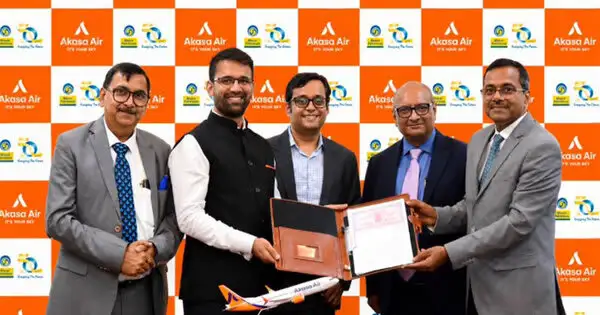
Akasa Air signed an MoU with BPCL to establish a SAF supply framework ahead of India's expected 1% blending mandate by 2027.

Delta, Shell Aviation Ink 5-Year SAF Supply Agreement
Delta Air Lines and Shell Aviation have signed a five-year agreement to supply Sustainable Aviation Fuel across five major U.S. hubs through 2030.
Indonesia to Mandate 1% SAF Blend for Flights by 2027
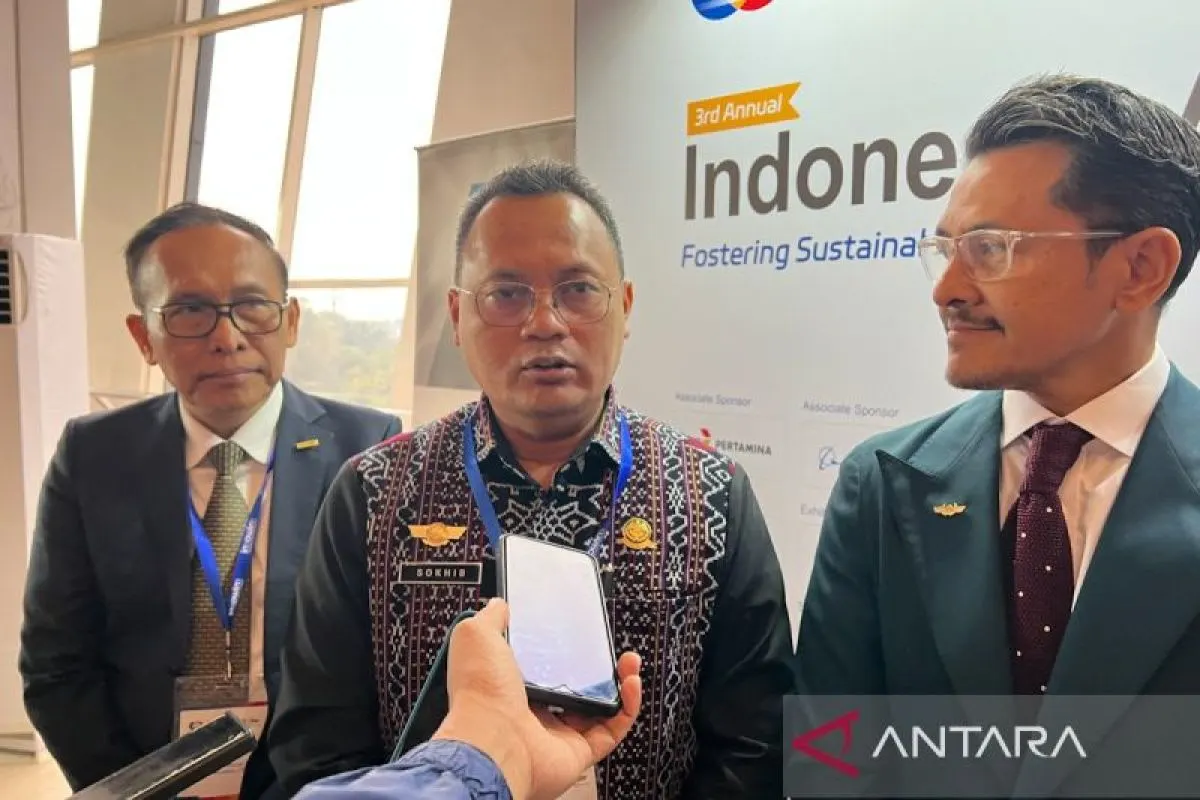
Indonesia will require a 1% Sustainable Aviation Fuel blend on international flights departing from Jakarta and Bali starting in 2027.
Gulfstream G800 Completes 100% SAF High-Altitude Emissions Test
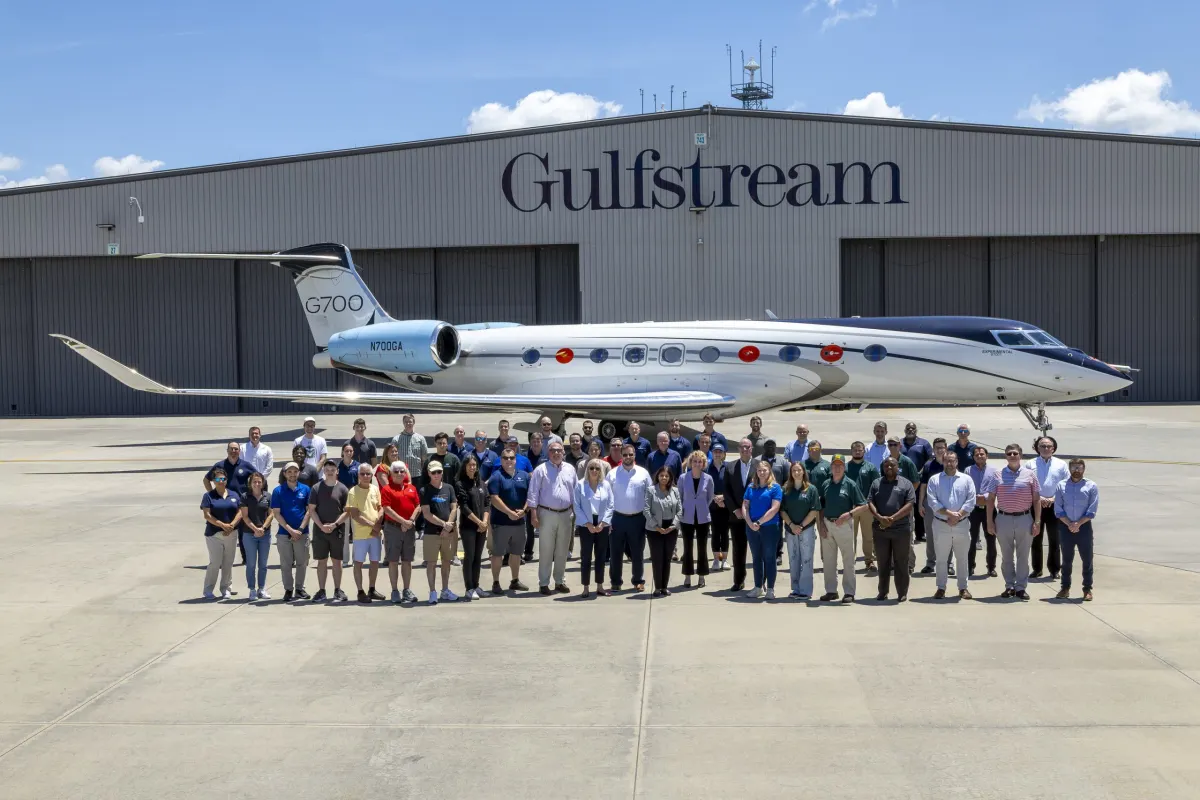
Gulfstream tested 100% SAF on a G800 at 50,000 feet to measure emissions, marking a key step toward certifying unblended synthetic fuels.
LATAM Airlines Operates First SAF-Linked Passenger Charters
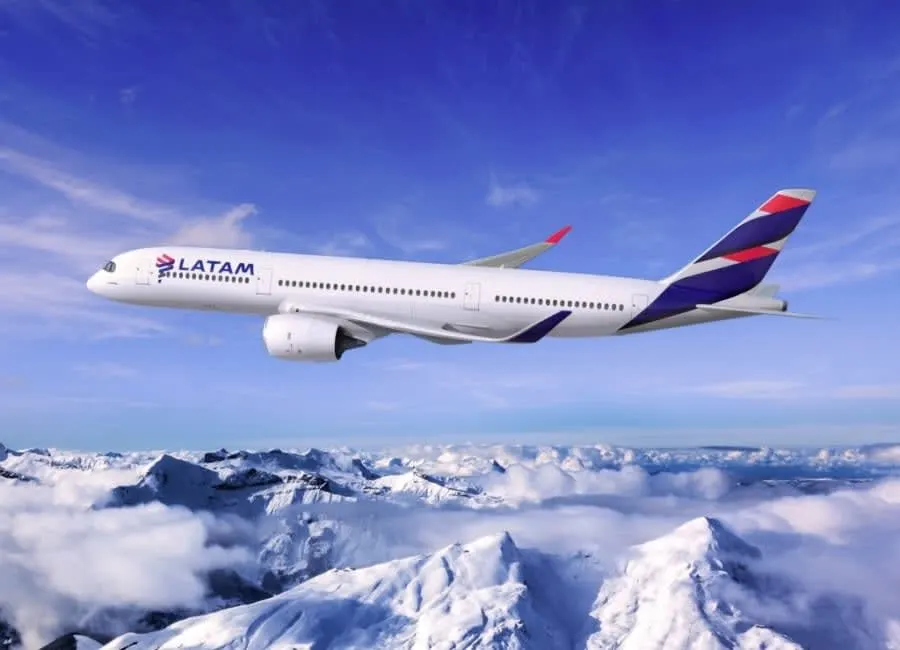
LATAM Airlines Group and PONANT completed 13 charter flights using SAF, reducing 160 tonnes of CO2 emissions via a book-and-claim methodology.