Airbus Seeks Compensation from P&W for GTF Engine Delays

Co-Founder & CEOAviation News Editor delivering trusted coverage across the global aviation industry.
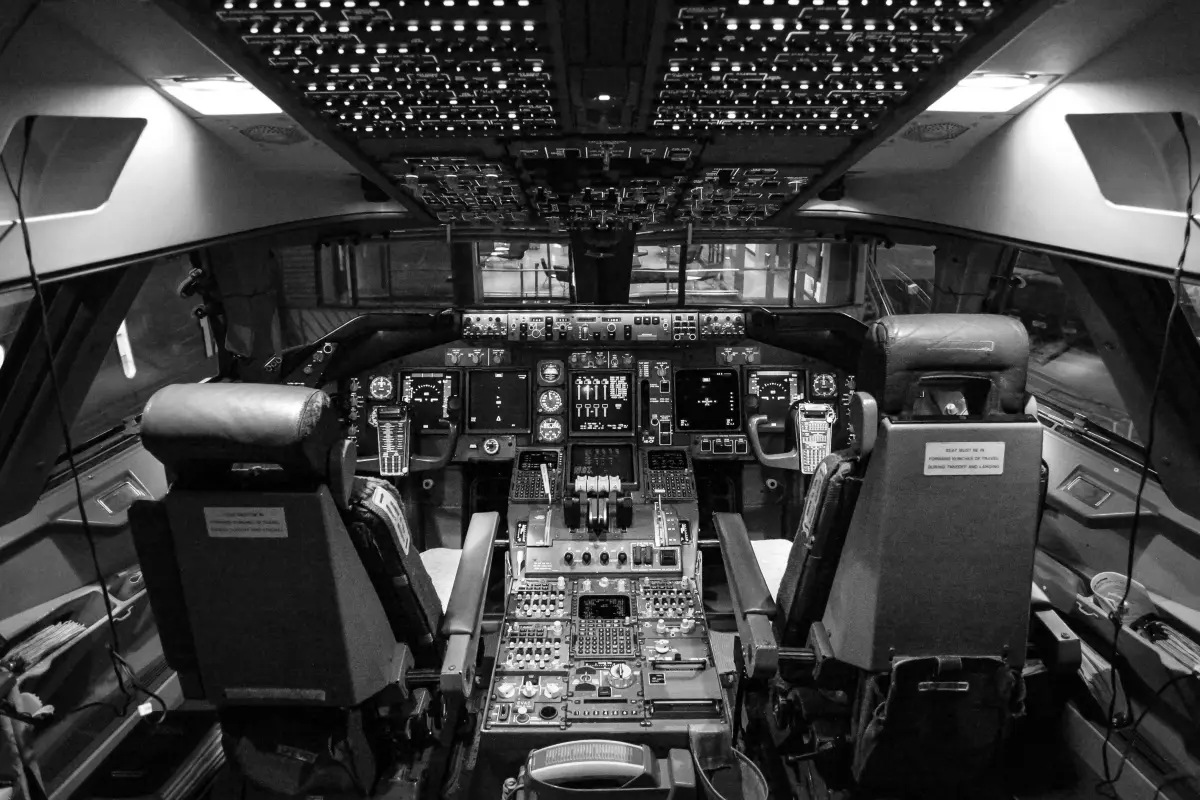
Airbus is seeking compensation from Pratt & Whitney over persistent GTF engine delivery delays that have severely impacted its A320neo production schedule.
Key Takeaways
- •Seeking financial compensation from Pratt & Whitney for GTF engine delivery delays.
- •Cites impact of a powder metal defect grounding up to 650 A320neo aircraft.
- •Delays A320neo family production goal of 75 aircraft per month from 2026 to 2027.
- •Follows RTX's disclosure of a $3 billion charge related to the GTF engine recall.
Airbus is preparing to initiate proceedings to seek financial compensation from Pratt & Whitney (P&W), a subsidiary of RTX Corporation, over persistent delays in the delivery of its Geared Turbofan (GTF) engines. The ongoing shortage has directly constrained the production schedule for the A320neo family of aircraft, leading to significant operational and financial repercussions for the European airframer.
The dispute stems from a widespread manufacturing flaw involving contaminated powder metal used in high-pressure turbine disks, which has grounded hundreds of aircraft worldwide. The issue forced RTX to announce a massive recall, with the financial impact on the company estimated to be between $6 billion and $7 billion. The engine shortages have created a critical bottleneck for Airbus, hindering its ability to meet delivery targets and forcing a delay in its ambitious production ramp-up.
Background of the GTF Defect
The core of the problem is a rare powder metal anomaly identified in 2023, affecting the integrity of key engine components. This defect necessitates the premature removal and inspection of hundreds of PW1100G engines, which power approximately 40% of the global Airbus A320neo fleet. In an official investor update, RTX disclosed it would take a $3 billion pre-tax charge in Q3 2023 to address the issue. The company confirmed that between 600 and 700 incremental GTF engines must be removed from service for inspection between 2023 and 2026.
Regulatory bodies, including the Federal Aviation Administration (FAA), have mandated these inspections through legally binding Airworthiness Directives (ADs). The FAA's directives require accelerated ultrasonic inspections to detect potential cracks, forcing engines off-wing far ahead of their scheduled maintenance intervals. This has overwhelmed the global Maintenance, Repair, and Overhaul (MRO) network, with engine shop visit turnaround times extending to as long as 300 days.
Industry-Wide Impact
The consequences of the GTF issue are cascading across the aviation industry. For airline operators, the impact has been severe. The number of Aircraft on Ground (AOG) due to the engine recall peaked at approximately 650 aircraft in early 2024. Airlines like Spirit, IndiGo, and Wizz Air have been forced to cut capacity, suspend routes, and lease older, less fuel-efficient aircraft to maintain their schedules.
For Airbus, the engine shortage directly affects its production targets. The company has been forced to delay its goal of reaching a production rate of 75 A320neo family aircraft per month, pushing the target from 2026 to the end of 2027. Airbus CEO Guillaume Faury has publicly expressed his frustration, stating that "Pratt & Whitney's failure to commit to the number of engines ordered by Airbus is negatively impacting this year's guidance for aircraft deliveries."
In contrast, RTX executives have emphasized their focus is on supporting the in-service fleet and managing the recall. This creates a fundamental conflict: P&W must decide whether to allocate scarce parts and capacity to building new engines for the Airbus assembly line or to servicing the hundreds of engines from grounded airline fleets.
Context and Precedent
This is not the first time an airframer has clashed with an engine manufacturer over reliability and delivery issues. The situation draws a direct parallel to the Rolls-Royce Trent 1000 engine's durability problems from 2018-2019, which grounded numerous Boeing 787s. That event resulted in Rolls-Royce paying significant compensation to both airlines and airframers, setting a clear precedent for financial liability in cases of widespread manufacturing defects. Similarly, Airbus's own high-stakes legal dispute with Qatar Airways over A350 surface degradation, which was settled out of court in 2023, demonstrates the airframer's willingness to pursue compensation for supplier-related issues.
Technical Analysis
This development underscores a critical vulnerability in the modern aerospace supply chain, where complex, high-performance components from a small number of suppliers can halt global production lines. The push for greater fuel efficiency, which the GTF architecture delivers, has introduced new manufacturing complexities and potential points of failure. The current crisis highlights the tension between delivering new, more efficient aircraft and ensuring the reliability of the existing global fleet. The situation may also benefit P&W's primary competitor, CFM International, a joint venture between GE and Safran. Airlines placing future A320neo orders may lean towards CFM's LEAP-1A engine to diversify risk and avoid the operational uncertainty associated with the GTF program.
What Comes Next
Moving forward, several key milestones will shape the resolution of this issue. Pratt & Whitney expects the bulk of the 600-700 incremental engine removals to be completed by the end of 2026, with AOG levels projected to stabilize around 300-350 aircraft during this period. Airbus is now targeting approximately 870 commercial aircraft deliveries for the full year 2026, a figure that remains constrained by engine availability. The manufacturer's revised goal of producing 75 A320neo family aircraft per month is now confirmed for the end of 2027. The compensation proceedings between Airbus and RTX will likely unfold over the coming months, with the outcome setting a significant precedent for OEM-supplier relations.
Why This Matters
Beyond the financial penalties, this conflict between Airbus and Pratt & Whitney is a critical test of how the aerospace industry manages liability for systemic manufacturing flaws. The outcome will influence future contracts and risk-sharing agreements between airframers and their key suppliers. For airlines and passengers, the prolonged disruption underscores the fragility of the global aviation network, where a single component issue can ground hundreds of aircraft and impact flight schedules worldwide.
omniflights.com provides comprehensive commercial aviation news covering airlines, aircraft, and airports. For reporting on UAP sightings, investigations, and aviation-related encounters, see the UAPs section at omniflights.com/uaps.
Written by Hardik Vishwakarma
Co-Founder & Aviation News Editor leading initiatives that improve trust and visibility across the global aviation industry. Covers airlines, airports, safety, and emerging technology.
Visit ProfileYou Might Also Like
Discover more aviation news based on similar topics

Boeing 777X Testing Spills Into 2027 Amid Certification Hurdles
Boeing expects some 777X testing to extend into 2027, though the manufacturer maintains its target for the first delivery of the aircraft that year.

Airbus A350F Completes Ground Tests Before Maiden Flight
Airbus has finished initial ground tests for the A350F, with the freighter set for a late 2026 maiden flight and a 2027 entry into service.
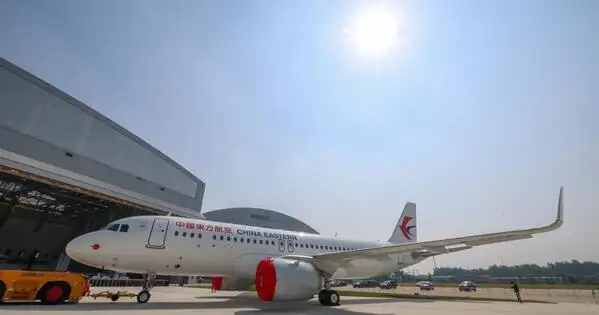
Airbus Delivers First A320neo From New Tianjin FAL
China Eastern Airlines took delivery of the first A320neo from Airbus's second Final Assembly Line in Tianjin, marking a key industrial milestone.
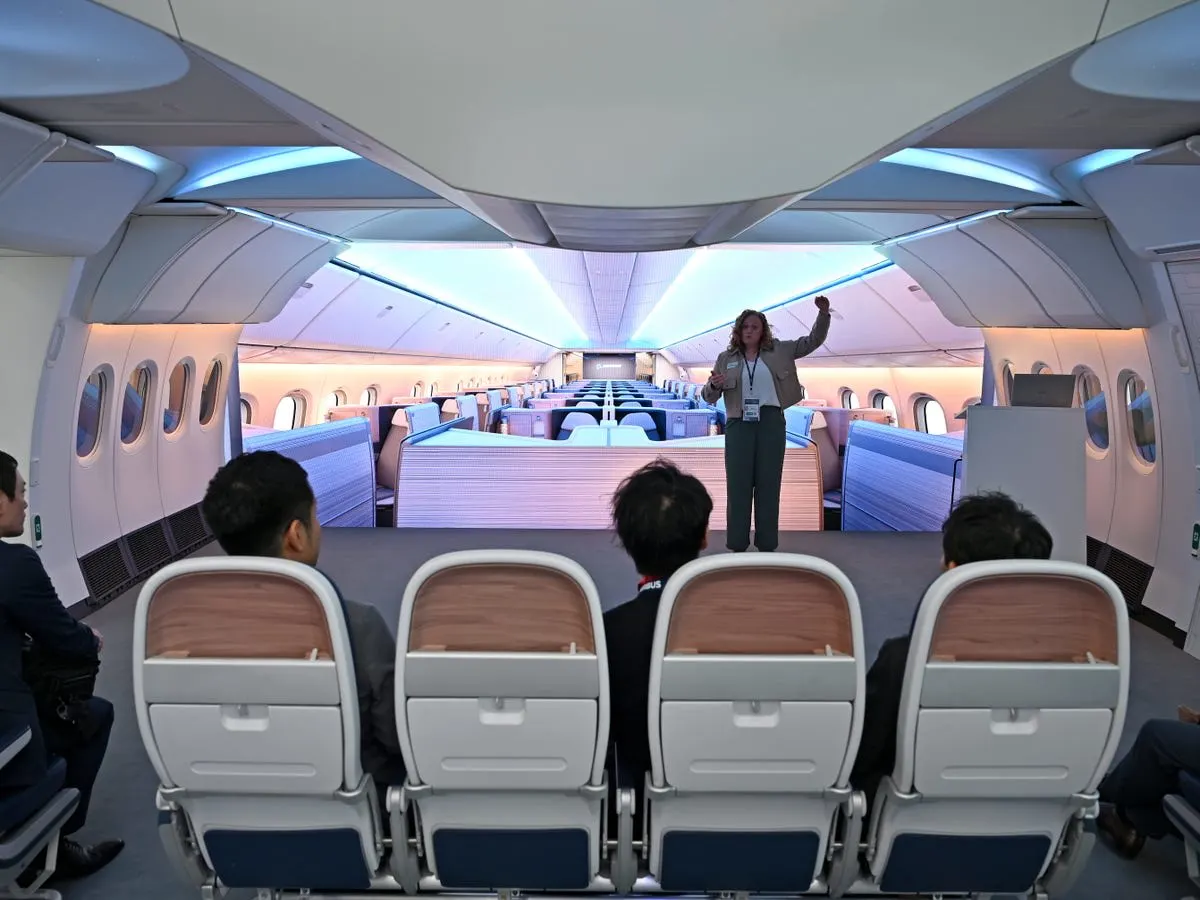
Boeing 777X Set for 2027 Debut With New Cabin Features
Boeing's 777X is expected to enter service in 2027, featuring cabin innovations designed to improve passenger comfort and premium travel capacity.
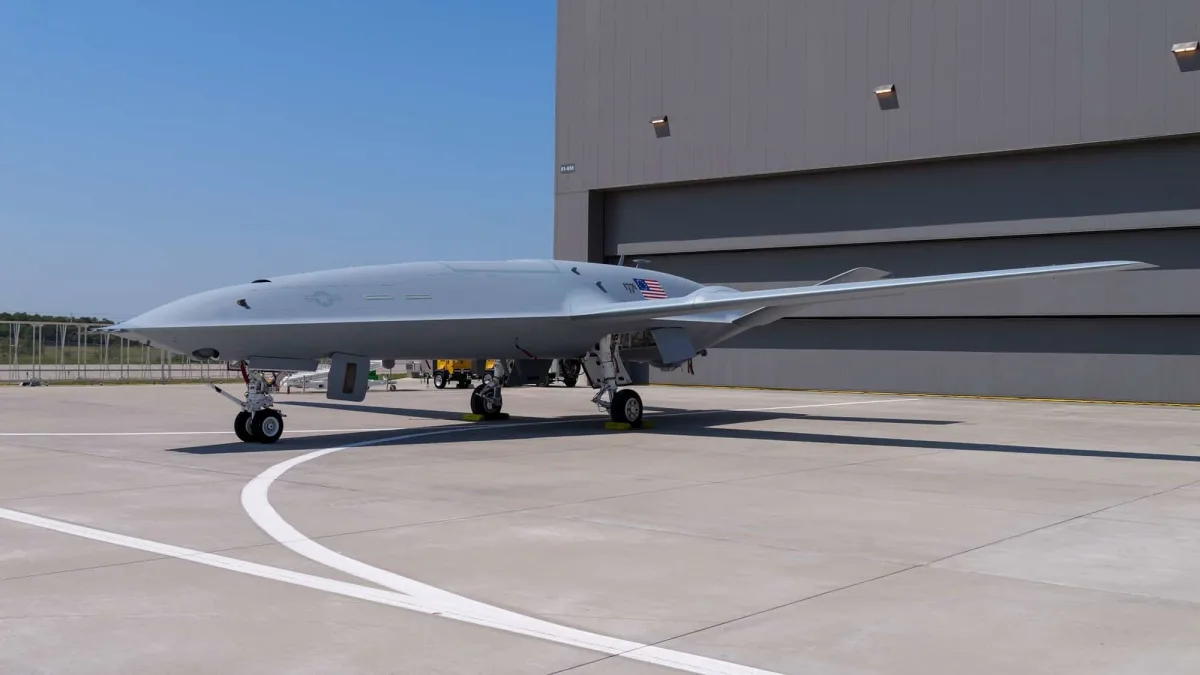
Boeing Awarded $562M Contract for MQ-25 Stingray Production
The U.S. Navy awarded Boeing a $562 million contract for the first three MQ-25 Stingray unmanned aerial refueling tankers, with deliveries expected in...

Boeing Logs 15 Gross Orders Including 13 787 Dreamliners
Boeing recorded 15 gross orders in August 2026, featuring 13 widebody 787 Dreamliner commitments from undisclosed customers.