Boeing 737 MAX Hiring Ramps Up for New Everett Line

Co-Founder & CEOAviation News Editor delivering trusted coverage across the global aviation industry.
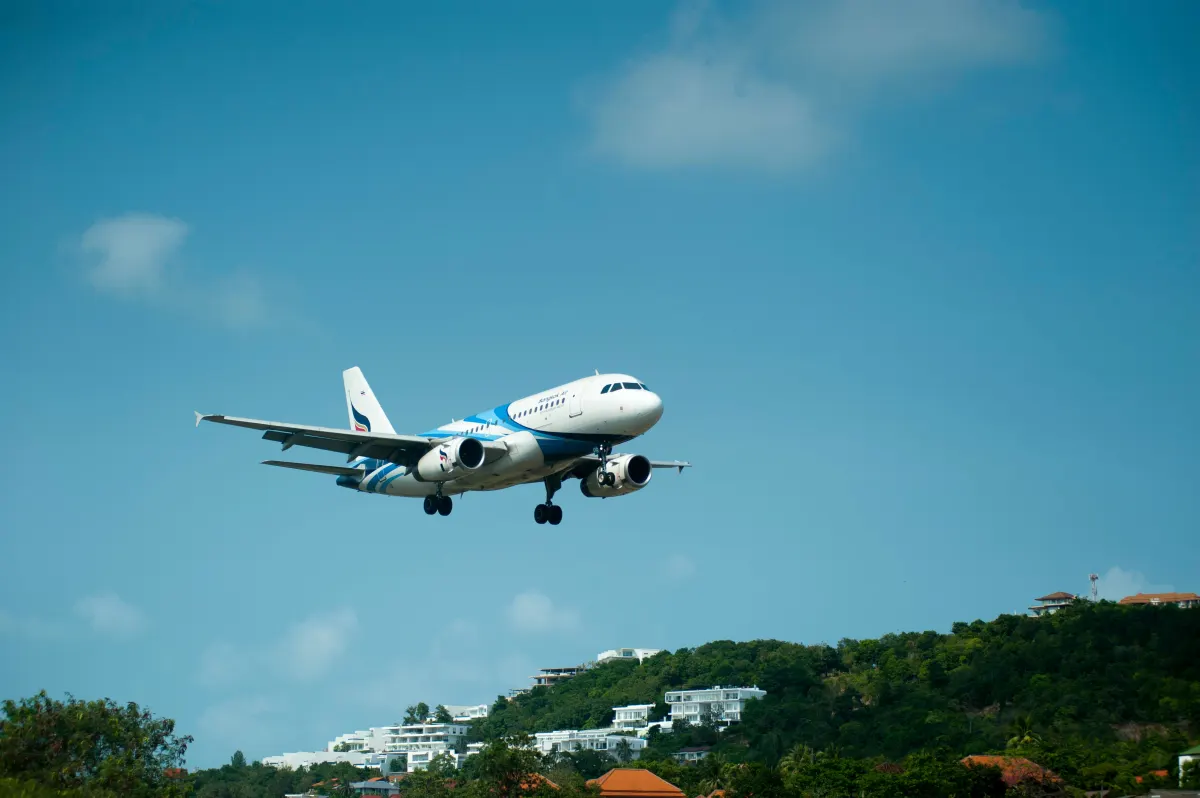
Boeing is hiring 100-140 workers weekly to staff a new fourth 737 MAX production line in Everett, aiming to expand capacity and meet strong demand.
Key Takeaways
- •Hires 100 to 140 factory workers weekly for a new 737 MAX line.
- •Expands 737 assembly outside of its traditional Renton facility for the first time.
- •Targets Summer 2026 for the start of Low-Rate Initial Production in Everett.
- •Aims to increase total 737 MAX output to more than 47 jets per month.
In a significant move to ramp up its narrowbody output, Boeing is aggressively expanding its workforce to support a new fourth production line for the 737 MAX family in Everett, Washington. According to the International Association of Machinists and Aerospace Workers (IAM), the manufacturer is engaged in substantial Boeing factory worker hiring, adding between 100 to 140 factory employees per week. This initiative is a core component of the plan to establish the Everett North Line assembly, marking the first time the 737 has been assembled outside of its historic home in Renton.
The strategic expansion into Everett is designed to de-constrain the Renton facility and enable Boeing to increase its total Boeing 737 MAX production rate above 47 jets per month. The move leverages factory floor space that became available following the consolidation of 787 Dreamliner production in South Carolina and the conclusion of the 747 program. By diversifying its manufacturing footprint, Boeing aims to better manage its extensive backlog and meet pressing delivery schedules for airline customers worldwide.
Hiring and Workforce Impact
The hiring surge is a significant development for the regional aerospace economy. According to the Washington State Employment Security Department, aerospace manufacturing jobs in the state climbed to 81,800 in February 2026, and this trend is set to continue. The IAM, which represents over 34,000 Boeing factory workers in the Pacific Northwest, is closely involved in the staffing process. Jon Holden, IAM Union Vice President, noted that the hiring extends beyond the assembly line itself. "The hiring surge extends beyond the assembly line itself, requiring additional staff for parts, logistics, tooling, and transportation," Holden stated. This indicates a broad-based expansion of operational capacity.
Boeing CEO Kelly Ortberg confirmed the company's deliberate approach, stating that facility and tooling upgrades for the Everett line are complete. This effort is part of a wider aerospace workforce expansion trend, with companies like Honeywell also adding thousands of positions in 2026 to address post-pandemic demand and a wave of retirements. However, Holden also provided a balanced perspective, noting that Boeing's current hiring pace is more sustained and cautious compared to the more aggressive expansions seen in 2023 and 2024.
Production and Regulatory Oversight
The new Everett line will initially focus on assembling the 737-8, 737-9, and the yet-to-be-certified 737 MAX 10. This places a spotlight on the Federal Aviation Administration (FAA), which holds authority over both the new production line and the MAX 10's type certification. To operate the North Line, Boeing must demonstrate conformity under its existing Production Certificate (PC700). This validation process will occur through a phase of Low-Rate Initial Production (LRIP).
The FAA's approval is critical, particularly for the 737 MAX 10, which constitutes a significant portion of Boeing's order book. The expansion into Everett is intrinsically linked to the successful certification and ramp-up of this largest MAX variant. Further details on production updates can be found on Boeing's official commercial airplanes site.
Boeing 737 MAX Variants (Initial Everett Production)
| Metric | 737-8 | 737-9 | 737-10 |
|---|---|---|---|
| Maximum Seating | 210 seats | 220 seats | 230 seats |
| Length | 129 ft 6 in | 138 ft 2 in | 143 ft 8 in |
Technical Analysis
This development represents a fundamental shift in Boeing's narrowbody manufacturing strategy. By establishing 737 assembly in Everett, the company is diversifying its industrial base, mitigating the risks associated with a single point of failure at the Renton plant. This move follows the historical precedent set by the 787 production consolidation in South Carolina (2020-2021), which freed up the necessary infrastructure in Everett. The decision to repurpose widebody facilities for narrowbody production underscores the immense market pressure to increase output of single-aisle jets, Boeing's primary battleground with Airbus. The focus on the MAX 10 indicates confidence in its eventual certification and positions the Everett facility as a key enabler of Boeing's future narrowbody delivery targets. The sustained, methodical hiring pace suggests a deliberate plan to build a stable, well-trained workforce, avoiding the boom-and-bust cycles of the past.
What Comes Next
Boeing is moving toward several key milestones for the new production line. The company has confirmed that it expects to begin Low-Rate Initial Production (LRIP) on the Everett North Line in the Summer of 2026. This initial phase will be crucial for validating manufacturing processes and demonstrating production conformity to the FAA.
Looking further ahead, the certification of the 737 MAX 10 by the FAA is the next major regulatory hurdle. While a firm date has not been set by the agency, industry observers expect the approval to be granted in late 2026. The successful ramp-up of the Everett line is heavily dependent on this milestone, which will unlock a substantial portion of Boeing's backlog for delivery.
Why This Matters
Boeing's expansion into Everett is more than just adding a new assembly line; it is a strategic maneuver to regain momentum in the highly competitive single-aisle market. For airlines, this signals a credible path toward alleviating the significant delivery backlogs that have constrained fleet growth. For the aviation manufacturing sector, it demonstrates a commitment to scaling up production to meet unprecedented demand, while also creating thousands of skilled jobs in the Pacific Northwest.
Frequently Asked Questions
- Why is Boeing hiring so many workers for the 737 MAX?
- Boeing is hiring 100 to 140 workers per week to staff a new, fourth 737 MAX production line in Everett, Washington. This expansion is necessary to increase production capacity beyond 47 jets per month and meet strong global demand for the aircraft.
- What is the significance of building the 737 MAX in Everett?
- This is the first time Boeing is assembling its 737 narrowbody aircraft outside of its traditional Renton facility. The move utilizes factory space freed up by the departure of the 787 and 747 programs, diversifying manufacturing and allowing for higher overall production rates.
- Which 737 MAX models will be built on the new Everett line?
- The new "North Line" in Everett will initially build the 737-8, 737-9, and 737-10 variants. Production will focus heavily on the 737 MAX 10, which is still awaiting its final type certification from the Federal Aviation Administration.
From airline operations to fleet updates, commercial aviation news lives at omniflights.com. Discover how innovation is shaping aviation through aircraft systems, avionics, and digital tools at omniflights.com/technology.
Written by Hardik Vishwakarma
Co-Founder & Aviation News Editor leading initiatives that improve trust and visibility across the global aviation industry. Covers airlines, airports, safety, and emerging technology.
Visit ProfileYou Might Also Like
Discover more aviation news based on similar topics

Boeing 777X Testing Spills Into 2027 Amid Certification Hurdles
Boeing expects some 777X testing to extend into 2027, though the manufacturer maintains its target for the first delivery of the aircraft that year.
Airbus A350F Completes Ground Tests Before Maiden Flight
Airbus has finished initial ground tests for the A350F, with the freighter set for a late 2026 maiden flight and a 2027 entry into service.
Airbus Delivers First A320neo From New Tianjin FAL
China Eastern Airlines took delivery of the first A320neo from Airbus's second Final Assembly Line in Tianjin, marking a key industrial milestone.
Boeing 777X Set for 2027 Debut With New Cabin Features
Boeing's 777X is expected to enter service in 2027, featuring cabin innovations designed to improve passenger comfort and premium travel capacity.
Boeing Awarded $562M Contract for MQ-25 Stingray Production
The U.S. Navy awarded Boeing a $562 million contract for the first three MQ-25 Stingray unmanned aerial refueling tankers, with deliveries expected in...

Boeing Logs 15 Gross Orders Including 13 787 Dreamliners
Boeing recorded 15 gross orders in August 2026, featuring 13 widebody 787 Dreamliner commitments from undisclosed customers.