Airbus Tackles A320neo Delays Amid Surging Aircraft Inventory

Co-Founder & CEOAviation News Editor delivering trusted coverage across the global aviation industry.

Airbus is resolving A320neo delivery delays from engine shortages and defects, which caused a €5.2 billion inventory surge and an 11% revenue drop in...
Key Takeaways
- •Faces a €5.2 billion surge in finished aircraft inventory due to production bottlenecks in Q1 2026.
- •Cites fuselage defects, Chinese administrative hurdles, and Pratt & Whitney engine shortages as primary causes.
- •Reports an 11% decline in Q1 2026 commercial aircraft revenues amid the delivery delays.
- •Revises A320neo production target to 70-75 aircraft per month by the end of 2027.
Airbus is grappling with significant delivery delays for its best-selling A320neo (New Engine Option) family of aircraft, leading to a substantial increase in its finished aircraft inventory. The slowdown, which contributed to an 11% decline in commercial aircraft revenues in the first quarter of 2026, stems from a confluence of manufacturing defects, administrative hurdles, and persistent engine supply chain shortages. According to the company's Q1 2026 earnings report, finished aircraft inventory surged by €5.2 billion, reaching a total value of €46.9 billion as completed airframes await resolution before they can be handed over to customers.
The delays create a significant operational and financial challenge for Airbus, tying up billions in working capital and disrupting the fleet modernization plans of airlines worldwide. The situation also highlights ongoing tensions between airframe manufacturers and their suppliers, particularly engine makers, who are struggling to balance production for new aircraft with the urgent needs of the in-service fleet.
A Three-Pronged Challenge
The delivery bottlenecks are not traced to a single cause but rather a combination of distinct issues across the production and certification chain. One primary factor involves manufacturing quality control, specifically deviations in the thickness of forward fuselage panels on A320neo aircraft. This defect has necessitated extensive inspections and rework on assembled aircraft, pausing the delivery process until the issue is rectified and cleared by regulatory bodies like the EASA (European Union Aviation Safety Agency).
Secondly, Airbus faced administrative delays impacting deliveries to a key market. Nearly 20 A320neo aircraft destined for Chinese operators were temporarily held back due to clearance issues with the CAAC (Civil Aviation Administration of China). While often procedural, such hurdles can disrupt the flow of deliveries and contribute to inventory buildup, particularly at major handover centers like Shanghai Pudong.
The most persistent and impactful challenge remains the severe shortage of Pratt & Whitney PW1100G Geared Turbofan (GTF) engines. The supply issues are exacerbated by the high number of in-service aircraft grounded for engine inspections and repairs. Data from ch-aviation shows that groundings peaked in late 2025 with almost 550 aircraft inactive. This has forced Pratt & Whitney to prioritize its MRO (Maintenance, Repair, and Overhaul) network, allocating new parts and turbines to support the grounded fleet rather than Airbus's new production aircraft. This has led to a fluctuating number of engineless airframes, or 'gliders,' parked at Airbus facilities.
Airbus CEO Guillaume Faury has publicly expressed frustration with the situation. "Pratt & Whitney's failure to commit to the number of engines ordered by Airbus is negatively impacting this year's guidance," Faury stated, indicating that Airbus is pursuing its contractual rights. In response, Pratt & Whitney maintains that supporting its 72 airline customers with grounded fleets is its primary focus.
Financial and Production Impact
The financial consequences of the delivery slowdown were evident in Airbus's first-quarter results for 2026. The 11% year-over-year decline in commercial aircraft revenues is a direct result of fewer aircraft being delivered and paid for. The €5.2 billion increase in inventory represents capital that cannot be realized until the aircraft are handed over.
In response to these persistent supply chain constraints, Airbus has adjusted its future production goals. The company now targets a production rate of 70-75 A320neo family aircraft per month by the end of 2027, a slight moderation from its previous firm target of 75. This adjustment reflects a more cautious outlook on the stability of the global aerospace supply chain.
Historical Parallels and Industry Context
The current situation at Airbus draws parallels to previous manufacturing challenges in the industry. In 2021-2022, Boeing halted deliveries of its 787 Dreamliner for over a year due to quality issues related to fuselage gaps. That event similarly led to a massive inventory of parked aircraft and intense FAA scrutiny, demonstrating how post-assembly quality defects can cascade into significant financial and logistical crises. The 787 precedent suggests that resolving such issues requires a meticulous and time-consuming process of inspection, rework, and regulatory re-approval.
What Comes Next
Airbus leadership has stated an expectation to align production output with deliveries by mid-2026, which would begin to draw down the high inventory levels. Despite the first-quarter setbacks, the manufacturer is holding to its annual delivery target of approximately 870 aircraft for the full year. The key milestone remains the ramp-up to a stable production rate of 70-75 aircraft per month, which Airbus has confirmed it aims to achieve by the end of 2027.
Why This Matters
This episode underscores the persistent fragility of the global aerospace supply chain in the post-pandemic era. It highlights the critical interdependency between airframe and engine manufacturers, where a bottleneck in one segment can halt the entire delivery pipeline. For airlines, these delays postpone fleet renewal, constrain capacity growth, and complicate operational planning, ultimately impacting their ability to meet recovering travel demand.
Frequently Asked Questions
- What are the main reasons for the Airbus A320neo delivery delays in 2026?
- The delays stem from three primary issues: manufacturing defects in forward fuselage panels requiring rework, administrative hurdles with the Civil Aviation Administration of China affecting nearly 20 aircraft, and severe engine shortages from supplier Pratt & Whitney.
- How have the A320neo delays financially impacted Airbus?
- The delivery slowdown caused Airbus's finished aircraft inventory to surge by €5.2 billion in the first quarter of 2026, reaching a total of €46.9 billion. This also contributed to an 11% decline in commercial aircraft revenues for the same period.
- What is Pratt & Whitney's position on the A320neo engine shortages?
- Pratt & Whitney has stated its primary focus is on providing spare Geared Turbofan engines and parts to support the existing fleet of over 550 grounded aircraft. This Maintenance, Repair, and Overhaul (MRO) priority has come at the expense of supplying new engines for Airbus's assembly lines.
Stay ahead of the airline industry with commercial aviation news from omniflights.com. For detailed airline coverage, route changes, and fleet moves, explore the Airlines section at omniflights.com/airlines.
Written by Hardik Vishwakarma
Co-Founder & Aviation News Editor leading initiatives that improve trust and visibility across the global aviation industry. Covers airlines, airports, safety, and emerging technology.
Visit ProfileYou Might Also Like
Discover more aviation news based on similar topics

Boeing Logs 15 Gross Orders Including 13 787 Dreamliners
Boeing recorded 15 gross orders in August 2026, featuring 13 widebody 787 Dreamliner commitments from undisclosed customers.

Hermeus Gets FAA Approval for Mach 1+ Drone Test Flights
The FAA authorized Hermeus to conduct six supersonic test flights of its Quarterhorse Mk 2.2 drone at White Sands through August 2027.
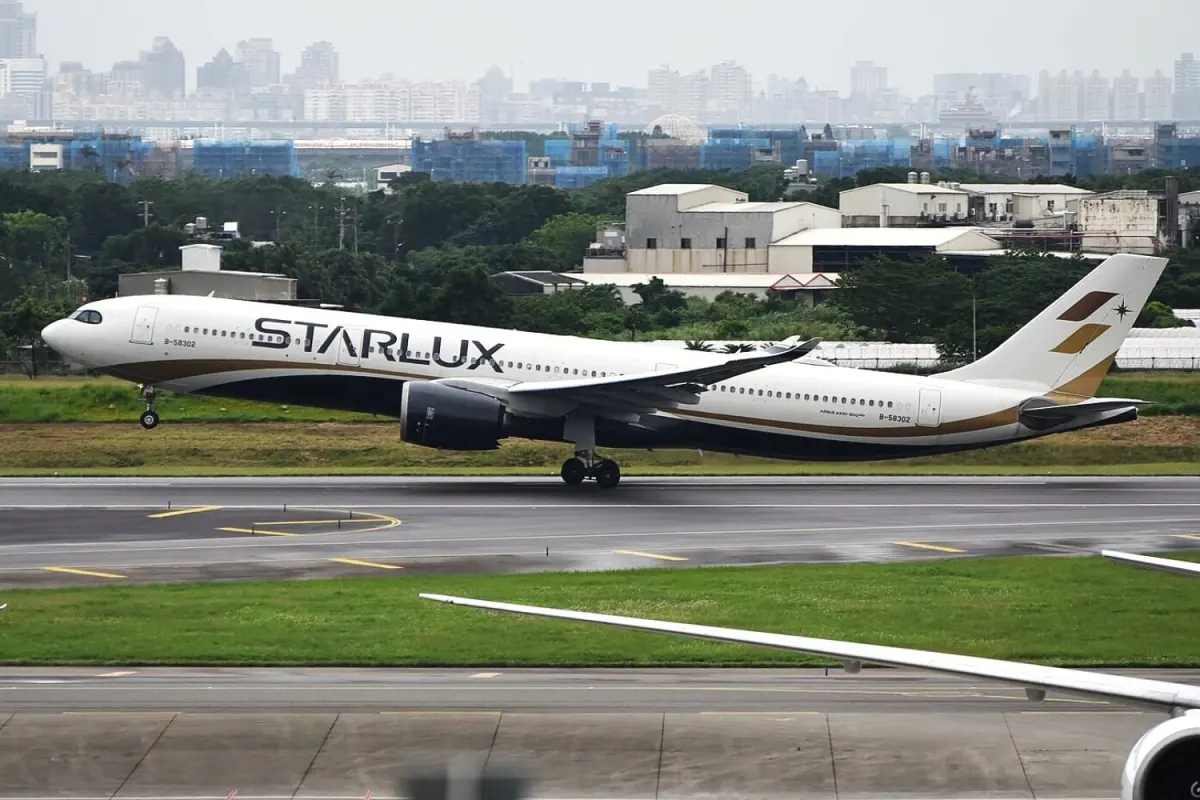
Airbus Deliveries Slow to 57, Putting 870 Target at Risk
Airbus delivered 57 aircraft in August 2026, requiring a surge to 99 monthly deliveries to meet its full-year target of 870.
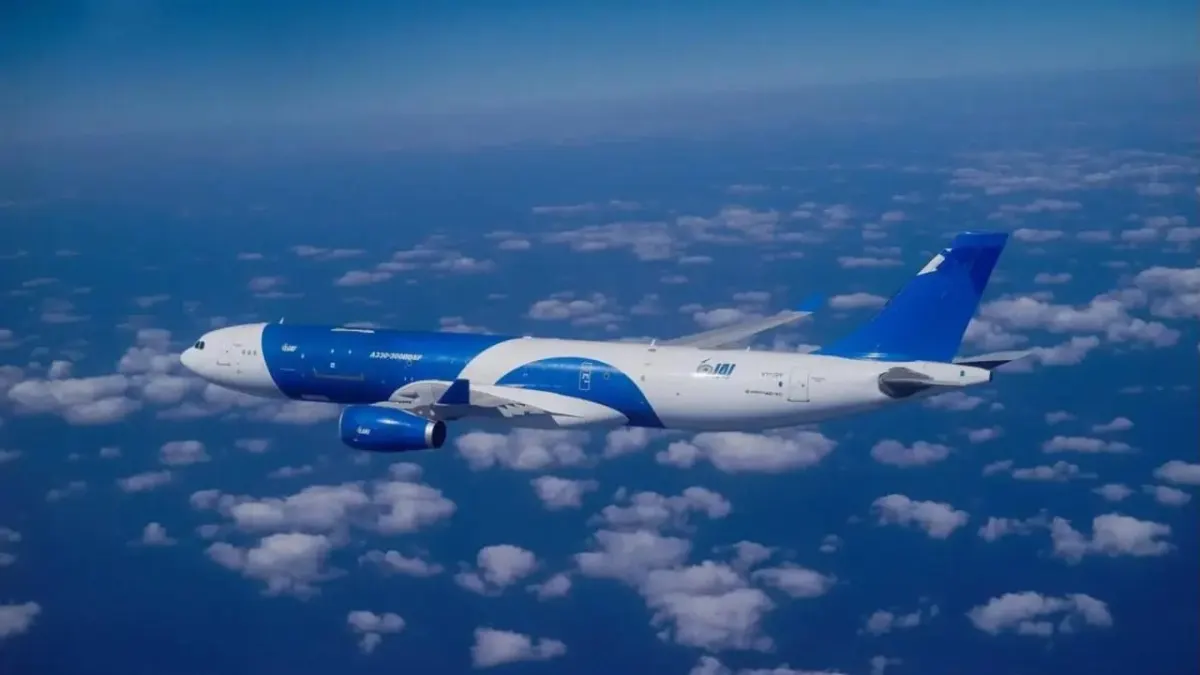
IAI Completes First Flight of A330-300BDSF Cargo Conversion
Israel Aerospace Industries successfully completed the first flight of its A330-300BDSF, an Airbus widebody converted for cargo operations.

Embraer Delivers 2,000th E-Jet to Azul Linhas Aéreas
Embraer reached a major milestone with the delivery of its 2,000th E-Jet, an E195-E2, to Brazilian operator Azul Linhas Aéreas on September 2, 2026.
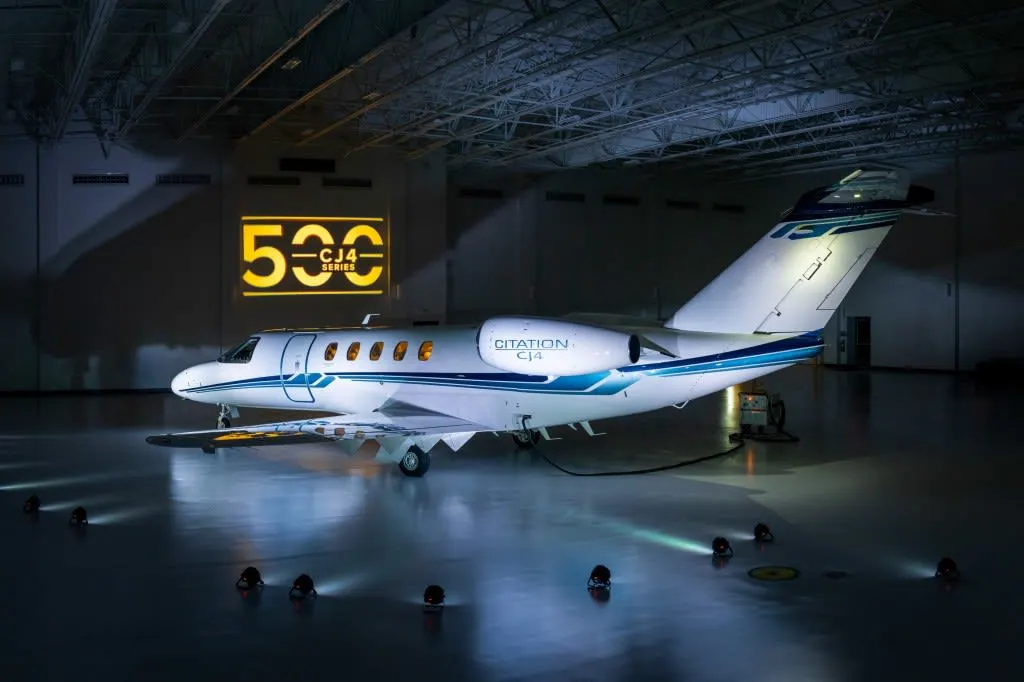
Cessna Citation CJ4 Achieves 500th Delivery
Textron Aviation delivered its 500th Cessna Citation CJ4 business jet to a customer in the Philippines as the manufacturer nears Gen3 certification.