Boeing Outdelivers Airbus in Q1 2026 Amid Production Pressures

Co-Founder & CEOAviation News Editor delivering trusted coverage across the global aviation industry.

Boeing's Q1 2026 deliveries surpassed Airbus for the first time since 2019, though both OEMs face persistent supply chain and production constraints.
Key Takeaways
- •Boeing delivered 143 aircraft in Q1 2026, surpassing Airbus's 114 for the first time since 2019.
- •Airbus deliveries fell 16% year-over-year, primarily due to Pratt & Whitney GTF engine shortages for the A320neo.
- •Embraer posted strong 47% year-over-year growth, delivering 44 regional jets.
- •Both major OEMs face significant pressure to ramp up production amid persistent supply chain constraints.
First-quarter results for 2026 show a significant shift in the commercial aircraft manufacturing landscape, with Boeing delivering 143 aircraft, surpassing its rival Airbus, which delivered 114 jets. This marks the first time since 2019 that the U.S. manufacturer has outpaced its European counterpart in quarterly deliveries. The results highlight divergent short-term challenges, with Boeing benefiting from clearing its inventory while Airbus grapples with severe supply chain disruptions, particularly engine shortages.
The figures underscore the ongoing pressure on the global aerospace supply chain as it struggles to meet resurgent airline demand. While Boeing's numbers suggest a positive momentum, they are largely driven by the delivery of previously-built aircraft. Airbus, conversely, faces immediate production bottlenecks that are delaying deliveries of its popular A320neo family aircraft, impacting airline fleet plans. Meanwhile, Brazilian manufacturer Embraer posted strong results, indicating a robust recovery in the regional jet market.
Boeing's Performance and Strategy
According to its Q1 2026 earnings release, Boeing's delivery of 143 commercial aircraft represents a 10% year-over-year increase. A significant portion of these were 114 deliveries from the 737 MAX program. The company has stabilized its 737 production rate at 42 aircraft per month under close supervision from the FAA (Federal Aviation Administration). This follows increased regulatory oversight after an incident in January 2024. Boeing's strategy has heavily focused on clearing its accumulated inventory of 737 MAX and 787 aircraft, a move that boosts delivery figures and improves cash flow.
Boeing CEO Kelly Ortberg expressed confidence, stating, "We're building on our momentum with a strong start to the year and growing record-breaking backlog... while increasing production to uphold our customer commitments." However, financial analysts note that the company is still operating at a net loss, as clearing inventory is a different financial dynamic than scaling new production efficiently.
Airbus Grapples with Supply Chain
Airbus reported a 16% decrease in deliveries compared to the same period last year, with 114 aircraft handed over to customers. The primary cause for the shortfall is a persistent shortage of Pratt & Whitney GTF (Geared Turbofan) engines for its best-selling A320neo family aircraft. The issue has become so acute that Airbus has been forced to park fully assembled aircraft without engines, often referred to as 'gliders', awaiting parts. This directly impacts airlines waiting to modernize their fleets and expand capacity.
Airbus CEO Guillaume Faury acknowledged the difficulties, stating that the company is "suffering" due to the engine shortages. Despite the production hurdles, Airbus maintains a formidable position with a total order backlog of 9,037 commercial aircraft as of the end of March 2026, signaling immense long-term demand.
Embraer's Strong Growth
In the regional jet market, Embraer demonstrated significant momentum. The company delivered 44 aircraft in Q1 2026, a 47% increase compared to the first quarter of 2025. This strong performance highlights the health of the market segment and Embraer's ability to navigate the supply chain environment more effectively than its larger peers in this quarter.
Narrowbody Flagships: Airbus A320neo Family vs Boeing 737 MAX
| Metric | Airbus A320neo Family | Boeing 737 MAX |
|---|---|---|
| Q1 2026 Deliveries | 81 | 114 |
| Current Production Rate | ~50/month | 42/month |
| Target Production Rate | 75/month (by 2027) | 52/month (by 2027) |
Technical Analysis
The Q1 2026 results reveal a fragile equilibrium in aerospace manufacturing. The data suggests the industry's recovery is not limited by demand, which remains at record levels, but by the supply chain's ability to execute. Boeing's lead in deliveries is a temporary advantage gained by addressing a historical problem—its inventory buildup from the 737 MAX grounding. This situation echoes the post-grounding period of 2020-2021 when the company focused on clearing a massive backlog of undelivered jets. Airbus's current predicament is a direct consequence of lingering post-pandemic supply chain disruptions, where key suppliers like Pratt & Whitney cannot ramp up production fast enough. This dynamic indicates that headline delivery numbers may be a misleading indicator of underlying production health for the next several quarters. The core challenge for both OEMs (Original Equipment Manufacturers) remains the stabilization and scaling of their production systems.
What Comes Next
Looking ahead, both manufacturers have outlined ambitious production targets that are contingent on supply chain stabilization. Boeing is expected to seek FAA approval to increase its 737 MAX production rate to 47 aircraft per month in the summer of 2026. The crucial certification for its largest narrowbody variant, the 737 MAX 10, is expected by late 2026. Airbus continues to work towards its long-term goal of producing 75 A320neo family aircraft per month by 2027, a target that hinges on suppliers like Pratt & Whitney resolving their delivery shortfalls.
Why This Matters
This quarter's results signal that the primary constraint on airline growth globally is the manufacturing sector's ability to deliver new aircraft. For airlines, these production delays mean postponed fleet renewals, higher fuel burn from older jets, and constrained capacity. The diverging performance of Boeing and Airbus highlights different operational pressures, but the shared challenge of a strained supply chain remains the most critical factor shaping the industry's near-term future.
Frequently Asked Questions
- Why did Airbus deliver fewer aircraft than Boeing in Q1 2026?
- Airbus delivered 114 aircraft, a 16% year-over-year decrease, primarily due to a persistent shortage of Pratt & Whitney Geared Turbofan (GTF) engines. This bottleneck has forced Airbus to park completed A320neo family airframes while awaiting engines, directly impacting its delivery schedule.
- What is Boeing's current 737 MAX production rate?
- As of the first quarter of 2026, Boeing has stabilized its 737 MAX production rate at 42 aircraft per month. This rate is maintained under close supervision from the Federal Aviation Administration (FAA), with the company targeting an increase to 47 per month later in the year.
- How did Embraer perform in the first quarter of 2026?
- Embraer demonstrated strong growth by delivering 44 aircraft in Q1 2026, which represents a significant 47% increase compared to the same period in the previous year. This performance highlights a robust recovery in the regional jet market.
Visit omniflights.com for the latest commercial aviation news and airline industry updates. Track policy changes, airspace rules, and global aviation governance in the Regulatory category at omniflights.com/regulatory.
Written by Hardik Vishwakarma
Co-Founder & Aviation News Editor leading initiatives that improve trust and visibility across the global aviation industry. Covers airlines, airports, safety, and emerging technology.
Visit ProfileYou Might Also Like
Discover more aviation news based on similar topics
Airbus A350F Completes Ground Tests Before Maiden Flight
Airbus has finished initial ground tests for the A350F, with the freighter set for a late 2026 maiden flight and a 2027 entry into service.
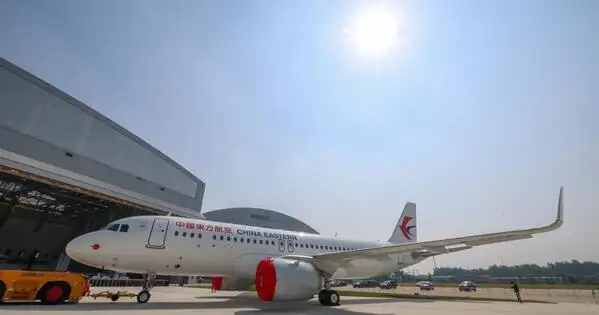
Airbus Delivers First A320neo From New Tianjin FAL
China Eastern Airlines took delivery of the first A320neo from Airbus's second Final Assembly Line in Tianjin, marking a key industrial milestone.
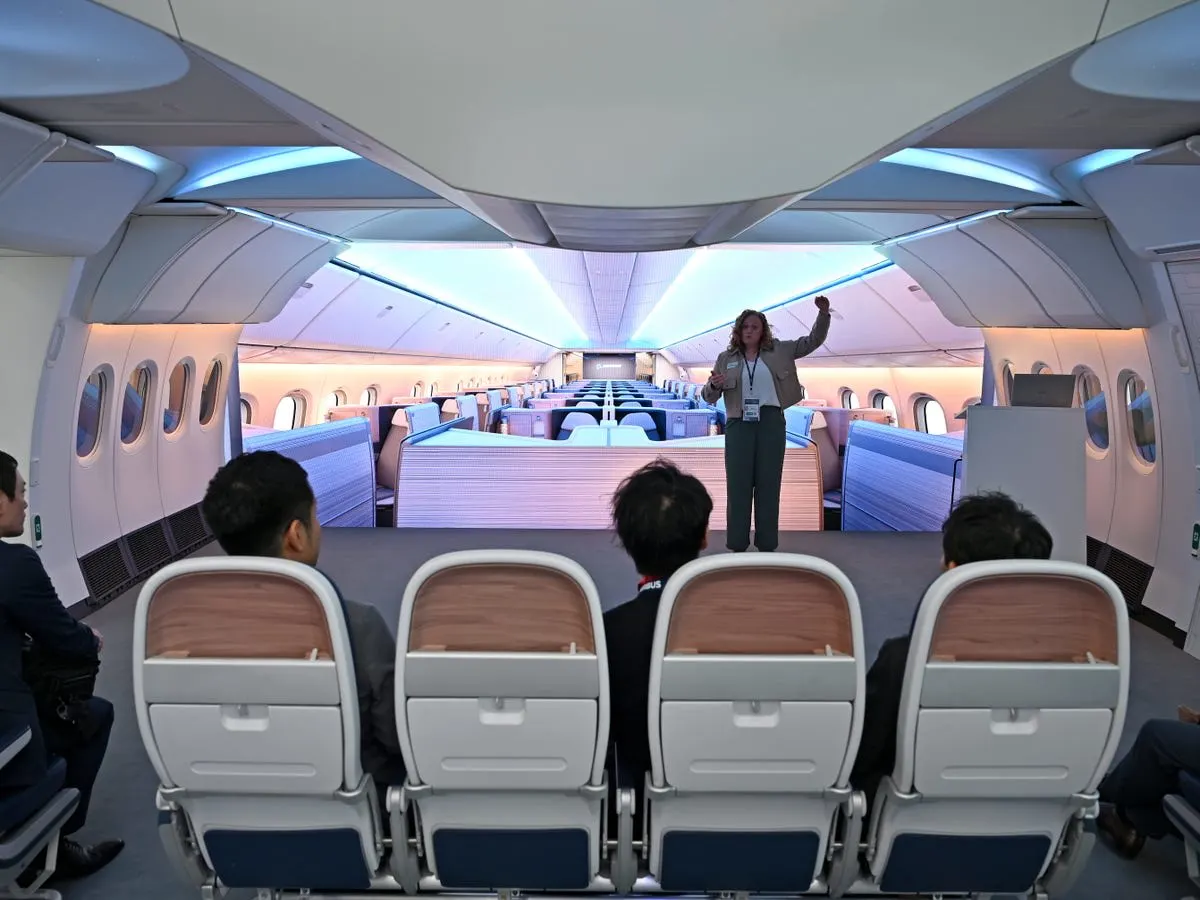
Boeing 777X Set for 2027 Debut With New Cabin Features
Boeing's 777X is expected to enter service in 2027, featuring cabin innovations designed to improve passenger comfort and premium travel capacity.
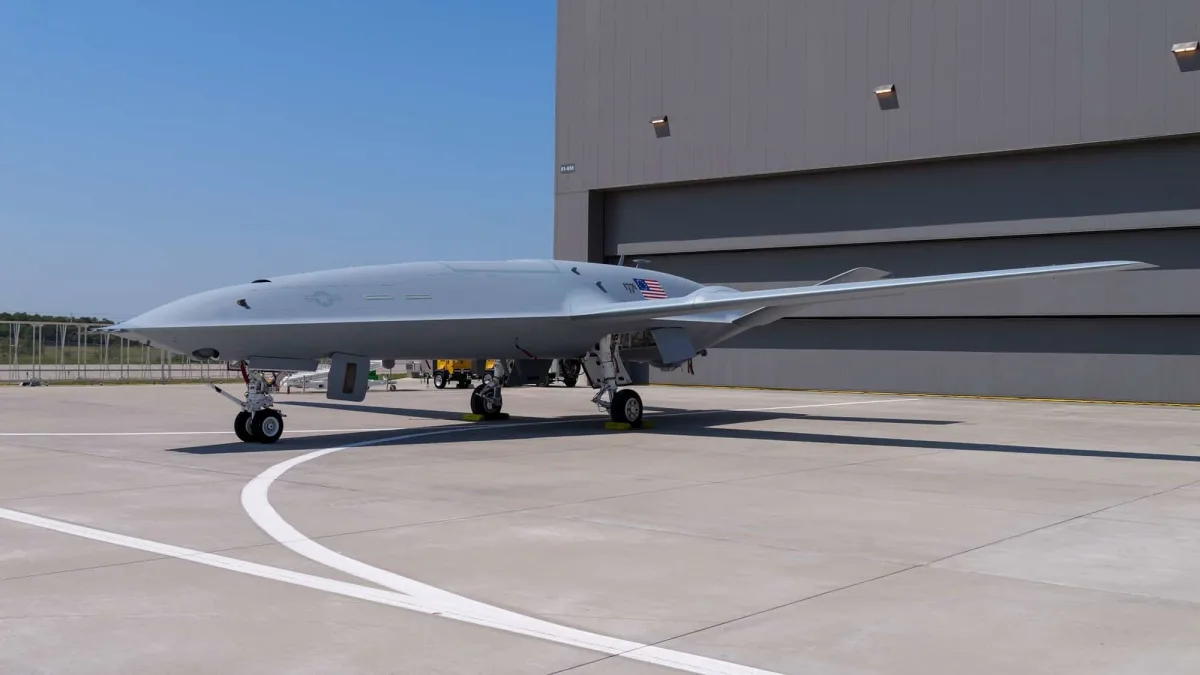
Boeing Awarded $562M Contract for MQ-25 Stingray Production
The U.S. Navy awarded Boeing a $562 million contract for the first three MQ-25 Stingray unmanned aerial refueling tankers, with deliveries expected in...

Boeing Logs 15 Gross Orders Including 13 787 Dreamliners
Boeing recorded 15 gross orders in August 2026, featuring 13 widebody 787 Dreamliner commitments from undisclosed customers.
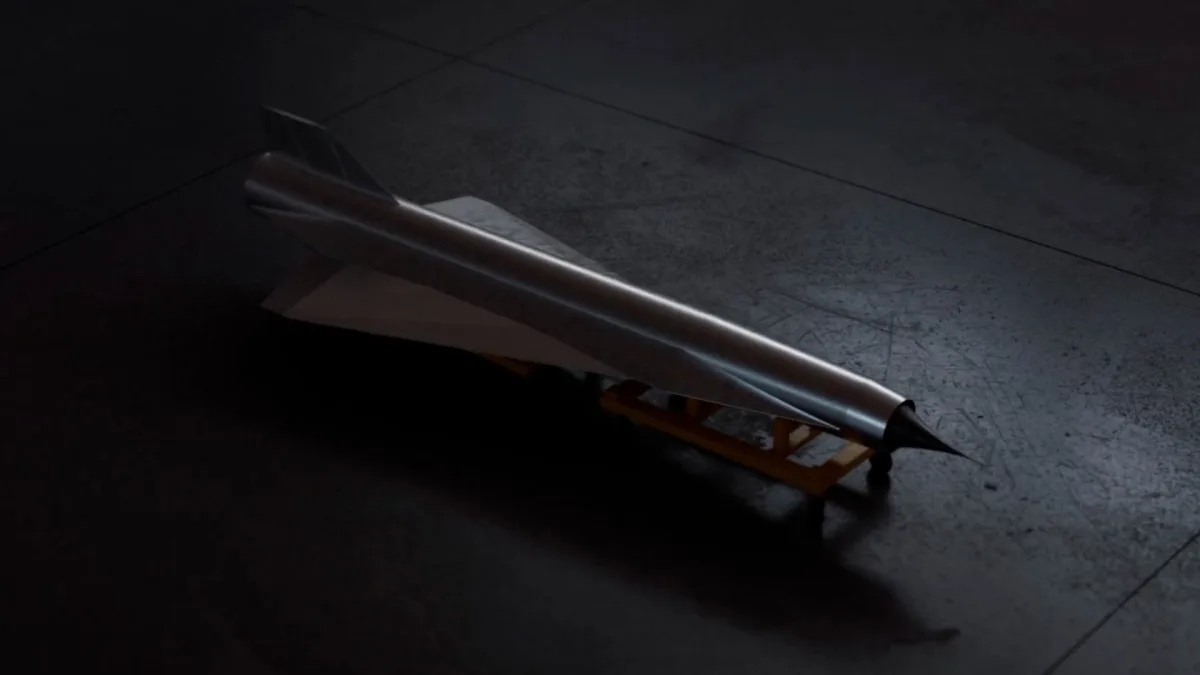
Hermeus Gets FAA Approval for Mach 1+ Drone Test Flights
The FAA authorized Hermeus to conduct six supersonic test flights of its Quarterhorse Mk 2.2 drone at White Sands through August 2027.