Boeing Confirms 'Years' of Rework for Stored 777-9 Aircraft

Co-Founder & CEOAviation News Editor delivering trusted coverage across the global aviation industry.

Boeing's CEO confirms that over 30 stored 777-9s require years of modifications to meet FAA standards, further delaying the widebody program to 2027.
Key Takeaways
- •Confirms a multi-year rework process is required for approximately 30 stored 777-9 aircraft.
- •Pushes first commercial delivery to launch customer Lufthansa to 2027, seven years behind schedule.
- •Highlights a program financial impact of approximately $15 billion in cumulative charges due to delays.
- •Navigates FAA Type Inspection Authorization (TIA) Phase 4A for natural icing tests.
Boeing's CEO Kelly Ortberg confirmed that incorporating design changes into the fleet of already-built Boeing 777-9 aircraft will be a multi-year process, adding another layer of complexity to the long-delayed widebody program. The modifications are necessary to bring the jets into compliance with the final standards required for certification by the FAA (Federal Aviation Administration).
During the company's Q1 2026 earnings call, Ortberg stated that approximately 30 of the 777-9s, built during Low-Rate Initial Production (LRIP) and currently in storage, must undergo this extensive rework. He elaborated that the scope of the modifications varies by aircraft age. "The older the airplane, the more change incorporation and the more structural-related changes that are needed and they'll take longer," Ortberg said. This work underscores the financial and logistical risks of Boeing's strategy of building aircraft before their type certificate is finalized.
Regulatory Hurdles and Financial Impact
The 777X program, which has already accumulated approximately $15 billion in charges due to repeated delays, now faces a prolonged and costly modification phase for its early-build airframes. The first commercial delivery to launch customer Lufthansa has been pushed to 2027, a full seven years behind its original 2020 target. This delay has significant ripple effects across the widebody market, forcing airlines to extend the life of older, less efficient jets or seek alternatives like the Airbus A350.
The aircraft is currently navigating a rigorous certification path with regulators. According to a Boeing update, the FAA approved the program to enter Type Inspection Authorization (TIA) Phase 4A on March 17, 2026. This phase is critical, focusing on flight tests in natural icing conditions, and must be completed before the program can advance to subsequent certification stages.
Stakeholder and Market Implications
The prolonged delays have a direct impact on key customers. Lufthansa, as the launch operator, faces continued uncertainty in its long-haul fleet planning. The largest 777X customer, Emirates, has also been heavily affected, resorting to costly cabin retrofits on its existing 777-300ER fleet to bridge the capacity gap created by the seven-year delay. For engine manufacturer GE Aerospace, the timeline provides a buffer to resolve recently discovered durability issues with the GE9X engine's mid-seal, ensuring it aligns with the revised 2027 delivery schedule.
Technical Analysis
This situation is not unprecedented for Boeing. The challenges with the 777-9 rework mirror the extensive modifications required for the 787 Dreamliner between 2020 and 2025, where over 100 stored aircraft needed months of structural work to correct barrel gap issues. It also parallels the ongoing delays for the 737 MAX 7 and MAX 10 variants, dozens of which sit in storage awaiting certification and potential design retrofits. This pattern highlights the systemic risks of the build-before-certification strategy, which can lead to massive rework backlogs and financial penalties when regulatory requirements evolve during a program's development.
The repeated delays and escalating costs for the 777X program raise questions about execution and strain customer relationships, as noted by some industry analysts. While building early can help secure the supply chain and meet initial delivery targets, the strategy proves costly when the final certified design differs from the production configuration.
What Comes Next
With TIA Phase 4A underway, Boeing is working towards completing the required testing to advance the program. The next major regulatory steps involve gaining FAA approval for TIA Phase 4B and Phase 5, which is expected in late 2026. Following the successful completion of all certification requirements and the extensive change incorporation on the first airframes, the inaugural commercial delivery of the 777-9 to Lufthansa is anticipated in 2027.
Why This Matters
This multi-year rework schedule for the flagship 777-9 program is a significant development, highlighting the intense regulatory scrutiny and production complexities facing modern aircraft manufacturing. It directly impacts the fleet strategies of major global airlines and reinforces the financial consequences of building aircraft ahead of final regulatory approval. The successful execution of this modification program is critical for Boeing to restore confidence and begin generating revenue from its next-generation widebody jet. As reported, the industry is watching closely to see how Boeing manages this complex logistical challenge.
Frequently Asked Questions
- Why are the Boeing 777-9 aircraft deliveries delayed?
- Boeing 777-9 deliveries are delayed because approximately 30 aircraft, built during early production, require a multi-year modification process to meet final Federal Aviation Administration (FAA) certification standards. The scope of this rework varies depending on the age of the specific airframe.
- When is the first Boeing 777-9 expected to be delivered?
- Following multiple program delays, the first commercial delivery of the Boeing 777-9 to its launch customer, Lufthansa, is now scheduled for 2027. This represents a seven-year delay from the original target of 2020.
Get breaking commercial aviation news and expert airline analysis at omniflights.com. For reporting on UAP sightings, investigations, and aviation-related encounters, see the UAPs section at omniflights.com/uaps.
Written by Hardik Vishwakarma
Co-Founder & Aviation News Editor leading initiatives that improve trust and visibility across the global aviation industry. Covers airlines, airports, safety, and emerging technology.
Visit ProfileYou Might Also Like
Discover more aviation news based on similar topics
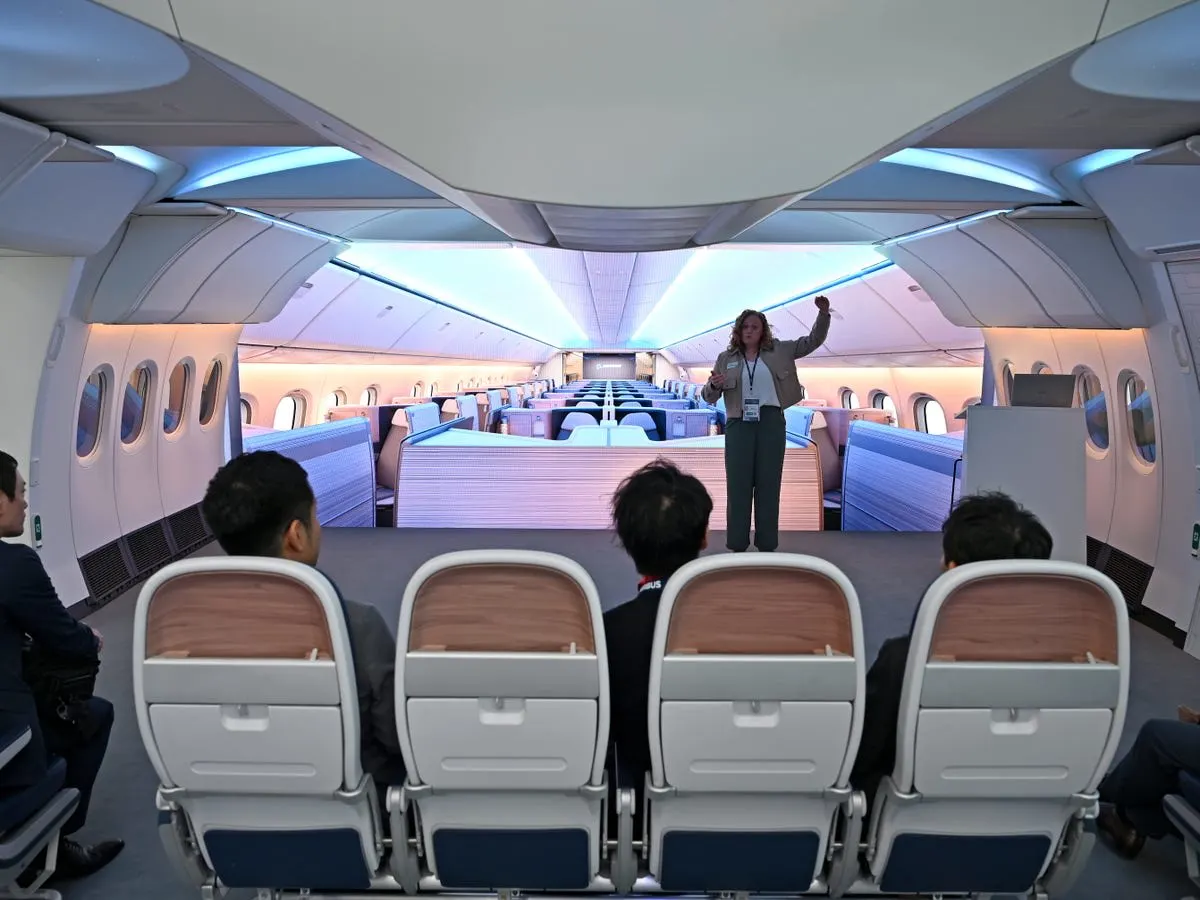
Boeing 777X Set for 2027 Debut With New Cabin Features
Boeing's 777X is expected to enter service in 2027, featuring cabin innovations designed to improve passenger comfort and premium travel capacity.
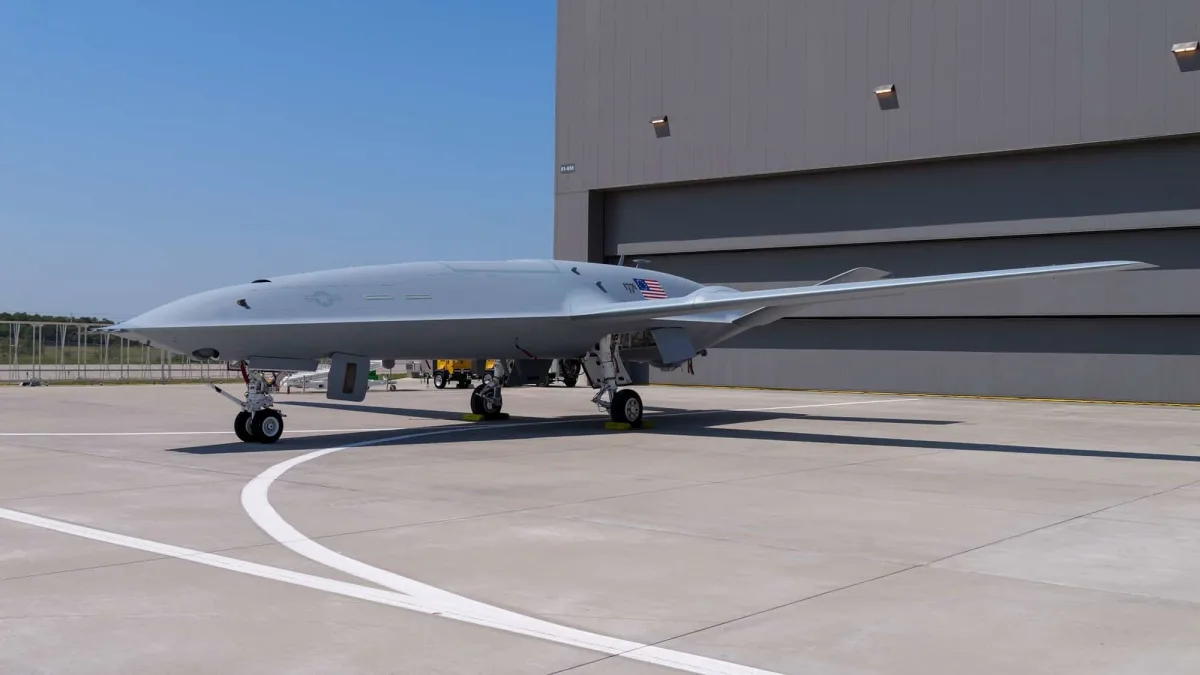
Boeing Awarded $562M Contract for MQ-25 Stingray Production
The U.S. Navy awarded Boeing a $562 million contract for the first three MQ-25 Stingray unmanned aerial refueling tankers, with deliveries expected in...

Boeing Logs 15 Gross Orders Including 13 787 Dreamliners
Boeing recorded 15 gross orders in August 2026, featuring 13 widebody 787 Dreamliner commitments from undisclosed customers.
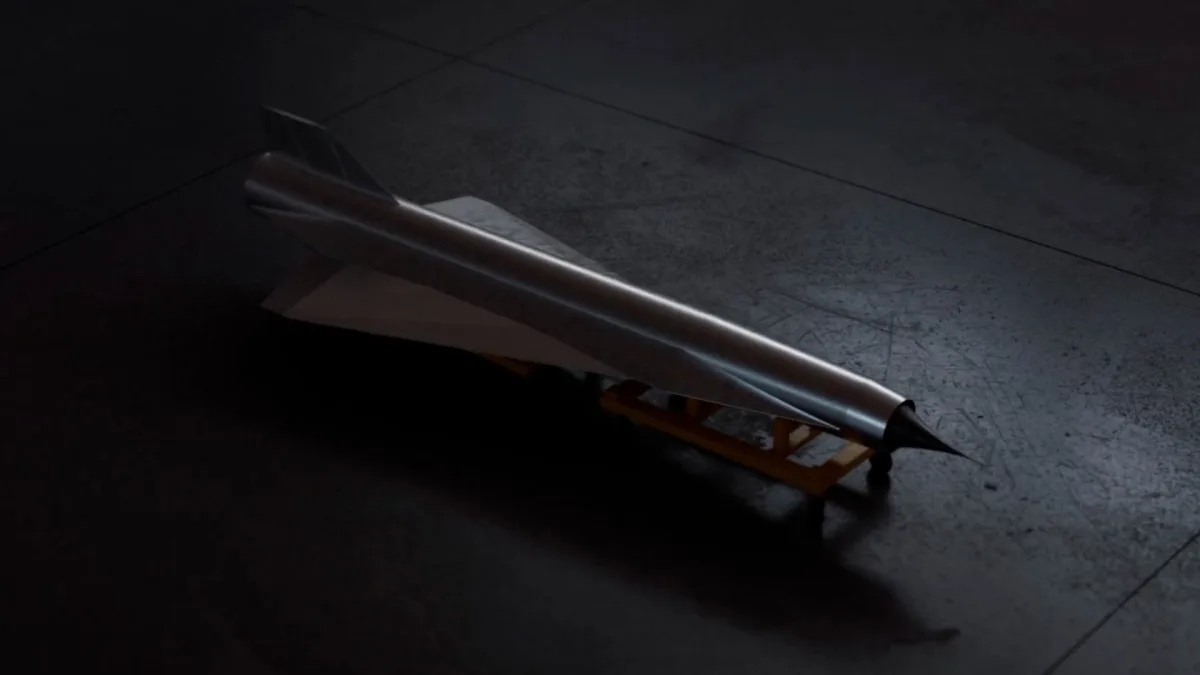
Hermeus Gets FAA Approval for Mach 1+ Drone Test Flights
The FAA authorized Hermeus to conduct six supersonic test flights of its Quarterhorse Mk 2.2 drone at White Sands through August 2027.
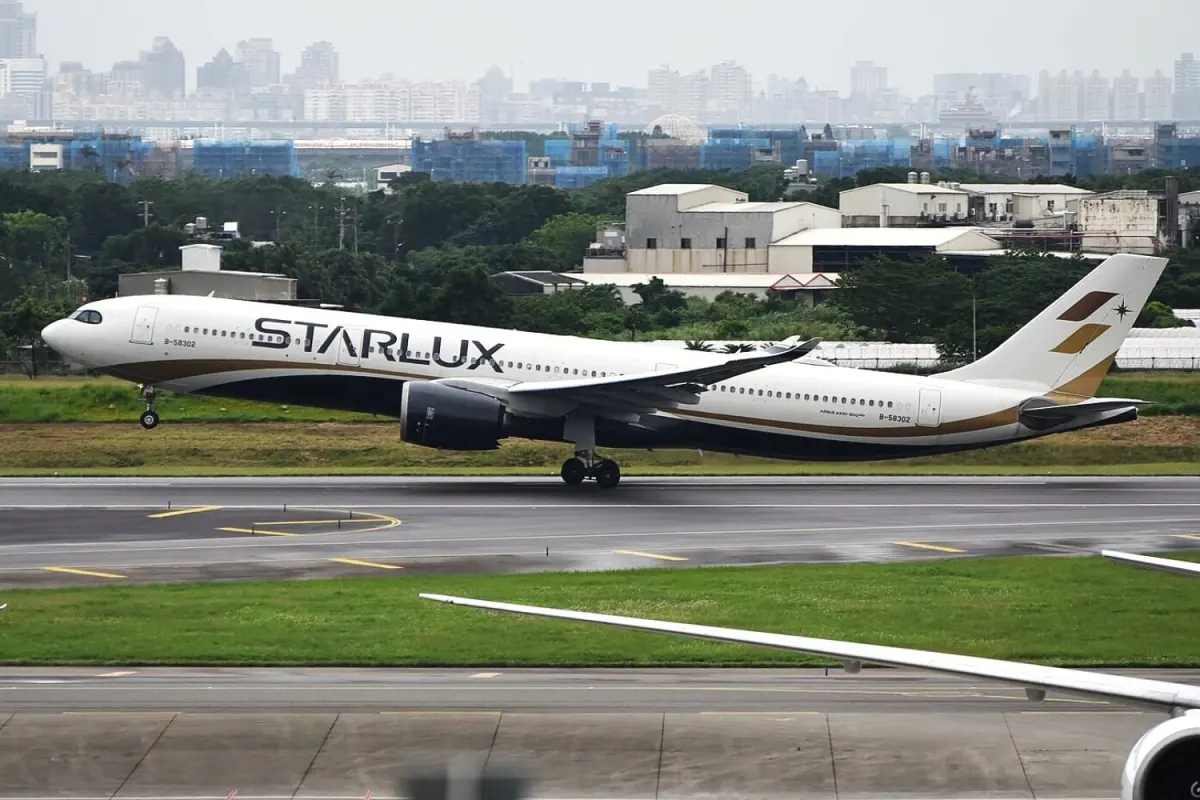
Airbus Deliveries Slow to 57, Putting 870 Target at Risk
Airbus delivered 57 aircraft in August 2026, requiring a surge to 99 monthly deliveries to meet its full-year target of 870.
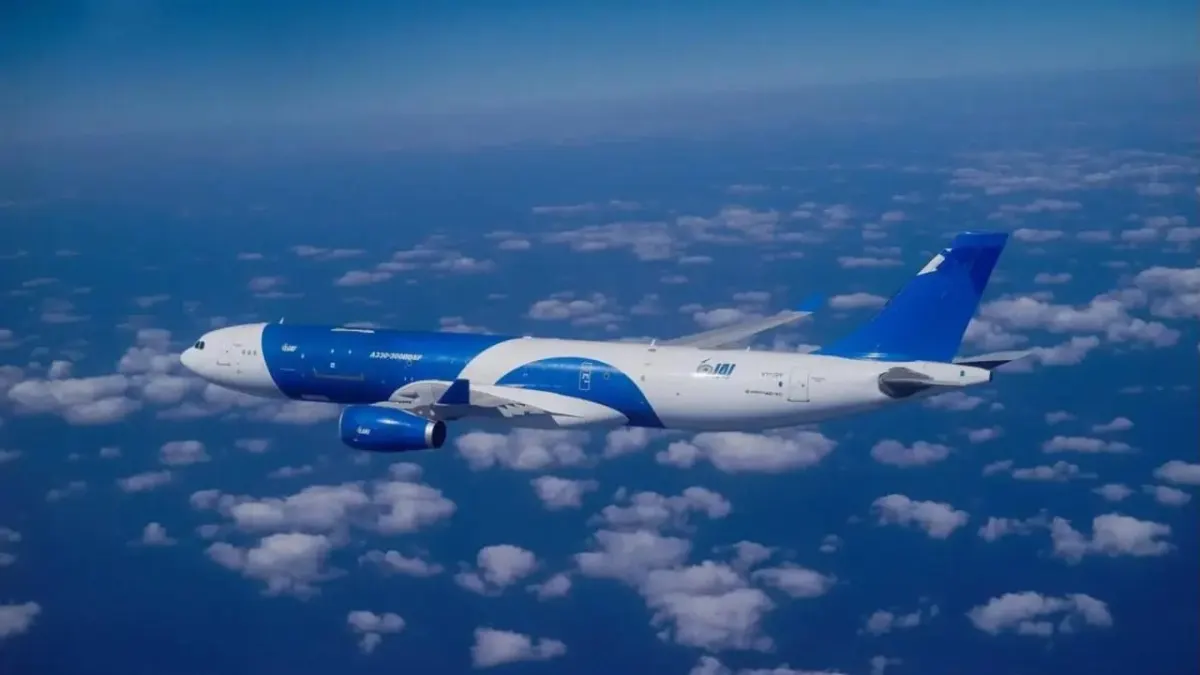
IAI Completes First Flight of A330-300BDSF Cargo Conversion
Israel Aerospace Industries successfully completed the first flight of its A330-300BDSF, an Airbus widebody converted for cargo operations.