Boeing Overtakes Airbus in Q1 2026 Deliveries for First Time Since 2018

Co-Founder & CEOAviation News Editor delivering trusted coverage across the global aviation industry.

Boeing delivered more aircraft than Airbus in Q1 2026 for the first time since 2018, driven by a 737 MAX ramp-up and Airbus engine shortages.
Key Takeaways
- •Delivered 143 aircraft in Q1 2026, surpassing Airbus's 114 for the first time since 2018.
- •Increased 737 MAX production rate to 42 per month after FAA approval, with plans to reach 47.
- •Benefited from severe Airbus supply chain issues, specifically Pratt & Whitney GTF engine shortages.
- •Airbus maintains a commanding lead in total order backlog with 9,037 aircraft to Boeing's 6,100.
For the first time since the second quarter of 2018, Boeing has delivered more commercial aircraft than its rival Airbus, marking a significant shift in the aerospace manufacturing landscape. According to official Q1 2026 earnings reports, Boeing handed over 143 aircraft, while Airbus, hampered by severe supply chain constraints, delivered 114.
The reversal is primarily driven by stabilizing production of the Boeing 737 MAX and persistent engine shortages impacting Airbus's A320neo family. This development signals a potential rebalancing in the narrowbody market after years of Airbus dominance, which began following the 737 MAX groundings in 2019.
Boeing's Production Surge
Boeing's Q1 performance reflects a 10% year-over-year increase in deliveries, underscoring the company's progress in stabilizing its production systems. The narrowbody 737 program was the cornerstone of this success, accounting for 114 of the total 143 deliveries, or roughly 80% of its quarterly output. The momentum follows the Federal Aviation Administration (FAA) lifting the 38-unit monthly production cap on the 737 MAX, authorizing an increase to 42 aircraft per month. Boeing has also activated a fourth assembly line in Everett to support plans to reach 47 aircraft per month by summer 2026.
Widebody deliveries also showed steady performance, with 15 787s, 8 777s, and 6 767s handed over to customers. In a statement, Boeing CEO Kelly Ortberg emphasized building on this momentum with a continued focus on safety and quality. The manufacturer also made progress on its newest variant, with the Boeing 737-10 reaching the Type Inspection Authorization 2 (TIA 2) milestone with the FAA, advancing its certification flight testing.
Airbus's Supply Chain Headwinds
In contrast, Airbus's Q1 2026 deliveries represent a 16% year-over-year decrease. The decline is not attributed to a lack of demand but to a critical bottleneck in its supply chain: a shortage of Pratt & Whitney GTF (Geared Turbofan) engines. This issue, stemming from a powdered metal defect discovered in July 2023, has grounded an estimated 550 to 600 Airbus A320neo (New Engine Option) family aircraft globally for accelerated inspections.
The financial impact is significant. According to its Q1 2026 financial results, Airbus's adjusted operating profit fell 52% to €300 million. CEO Guillaume Faury stated that the results reflect the lower commercial deliveries, noting the company is "suffering" due to the Pratt & Whitney engine shortage. The situation has forced Airbus to place newly built, engineless airframes into storage, creating a backlog of otherwise complete aircraft awaiting powerplants.
Market Context and Backlog
While Boeing won the delivery race for the quarter, Airbus maintains a commanding lead in the overall order backlog. As of the end of March 2026, Airbus held firm orders for 9,037 commercial aircraft, far surpassing Boeing's backlog of 6,100. This substantial backlog, detailed in Boeing's investor releases, indicates that Airbus's current challenges are rooted in production execution rather than market demand. Financial analysts note that the delivery deficit is a temporary supply chain issue, and the fundamental market preference for the A320neo family remains strong.
Technical Analysis
This quarterly result highlights the fragility of complex aerospace supply chains and their direct impact on market leadership. The situation reverses the dynamic seen after the 2019 Boeing 737 MAX groundings, where Airbus capitalized on its rival's crisis to secure a dominant delivery share. Now, a critical failure from a single supplier, Pratt & Whitney, has constrained Airbus, allowing a recovering Boeing to reclaim the top spot temporarily. The data suggests that while demand for new, fuel-efficient aircraft remains robust for both manufacturers, the ability to predictably deliver on those orders is the primary competitive battleground. Boeing's stabilized production at 42 737s per month, with a clear path to 47, provides a level of delivery certainty that Airbus, dependent on the GTF engine recovery, currently cannot match for its A320neo customers.
What Comes Next
The aerospace industry will be closely watching several key milestones in the coming months. Boeing is expected to increase its 737 MAX production rate to 47 aircraft per month by summer 2026. The final certification for the Boeing 737-10, the largest variant of the MAX family, is expected from the FAA in late 2026.
For Airbus, the focus remains on mitigating the impact of the GTF engine shortage. The company is holding to its long-term production target of reaching a rate of 75 A320 family aircraft per month by the end of 2027, a goal contingent on its engine suppliers resolving their production and durability issues.
Why This Matters
This shift in quarterly deliveries, the first in nearly eight years, signals a potential rebalancing of the commercial aircraft duopoly, particularly in the high-volume narrowbody segment. For airlines, Boeing's increasing production stability offers a more predictable delivery stream, while customers of the Airbus A320neo face continued uncertainty and operational disruptions. The event underscores that in an environment of record-high demand, the manufacturer with the most resilient and reliable supply chain holds a critical competitive advantage.
Frequently Asked Questions
- Why did Boeing deliver more planes than Airbus in Q1 2026?
- Boeing's deliveries increased due to a stabilized 737 MAX production line and an FAA-approved rate increase. Simultaneously, Airbus faced severe delivery delays caused by a critical shortage of Pratt & Whitney GTF engines for its A320neo family aircraft.
- How many aircraft did Boeing and Airbus deliver in the first quarter of 2026?
- In the first quarter of 2026, Boeing delivered 143 commercial aircraft, which included 114 of its 737 model. During the same period, Airbus delivered 114 aircraft to customers.
- Does Airbus still have a larger order backlog than Boeing?
- Yes, despite the quarterly delivery figures, Airbus maintains a significant lead in total firm orders. At the end of March 2026, Airbus's commercial backlog stood at 9,037 aircraft, compared to Boeing's backlog of 6,100 aircraft.
Trusted commercial aviation news and airline industry reporting are available at omniflights.com. For detailed airline coverage, route changes, and fleet moves, explore the Airlines section at omniflights.com/airlines.
Written by Hardik Vishwakarma
Co-Founder & Aviation News Editor leading initiatives that improve trust and visibility across the global aviation industry. Covers airlines, airports, safety, and emerging technology.
Visit ProfileYou Might Also Like
Discover more aviation news based on similar topics

Boeing Logs 15 Gross Orders Including 13 787 Dreamliners
Boeing recorded 15 gross orders in August 2026, featuring 13 widebody 787 Dreamliner commitments from undisclosed customers.

Hermeus Gets FAA Approval for Mach 1+ Drone Test Flights
The FAA authorized Hermeus to conduct six supersonic test flights of its Quarterhorse Mk 2.2 drone at White Sands through August 2027.
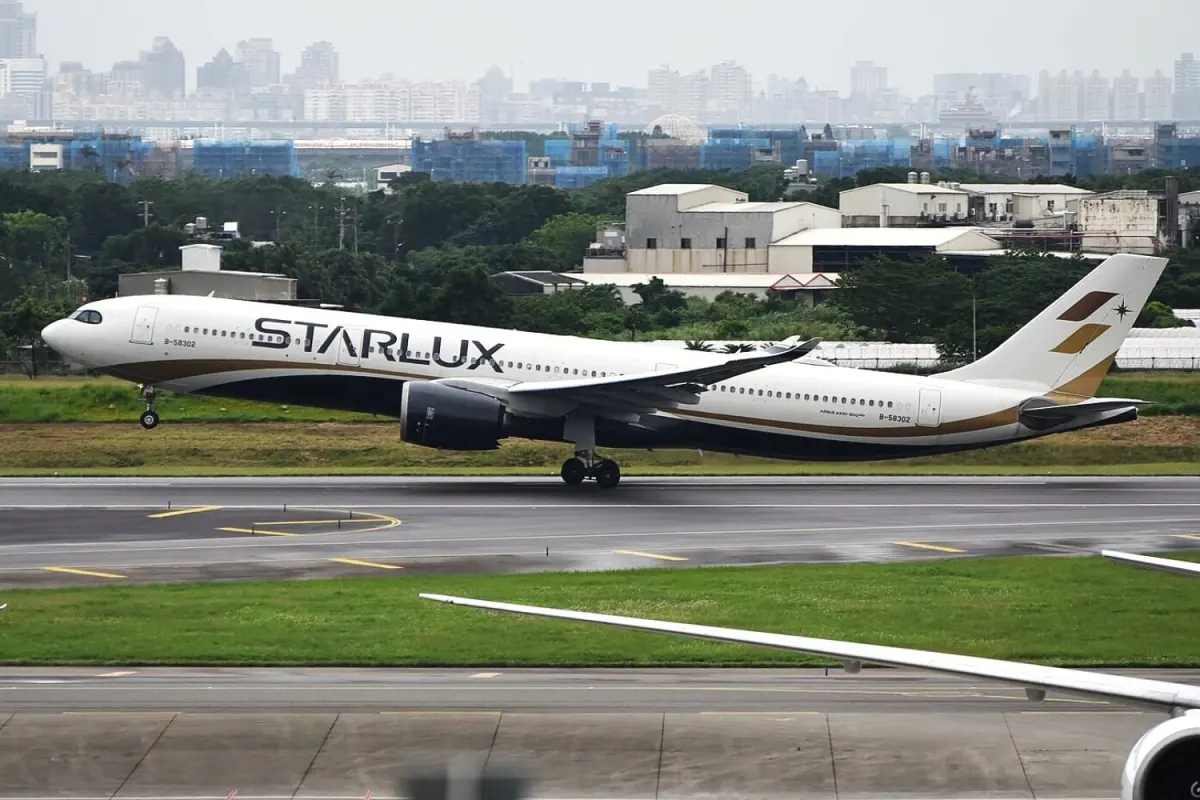
Airbus Deliveries Slow to 57, Putting 870 Target at Risk
Airbus delivered 57 aircraft in August 2026, requiring a surge to 99 monthly deliveries to meet its full-year target of 870.
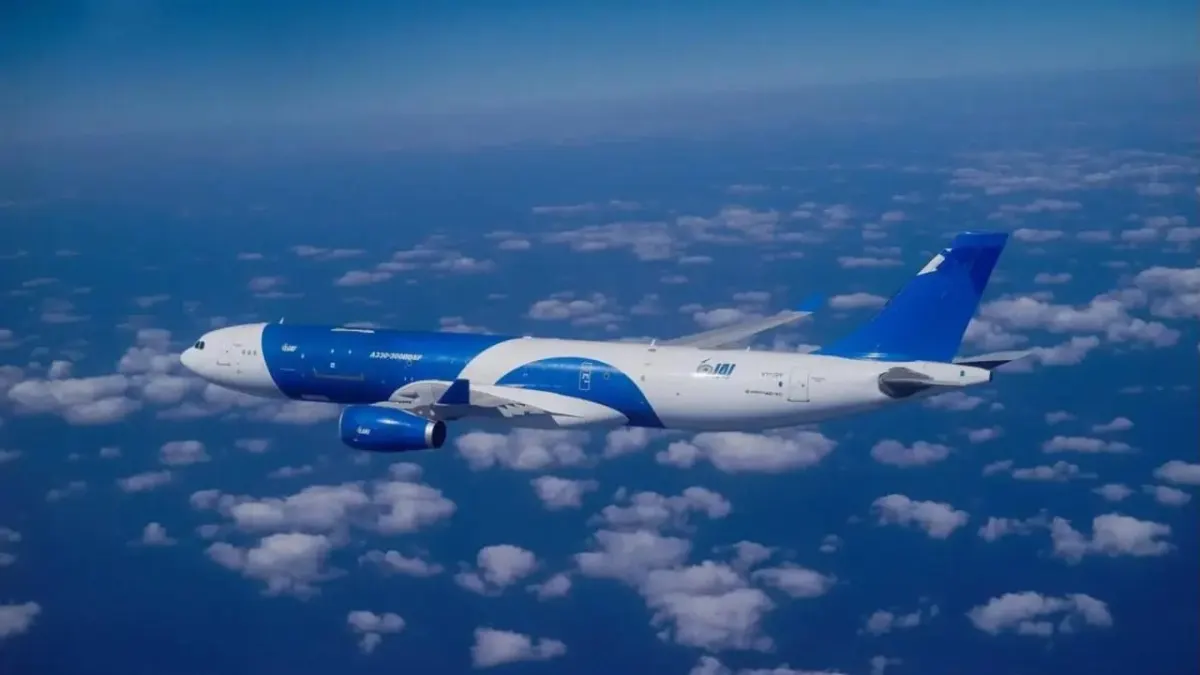
IAI Completes First Flight of A330-300BDSF Cargo Conversion
Israel Aerospace Industries successfully completed the first flight of its A330-300BDSF, an Airbus widebody converted for cargo operations.

Embraer Delivers 2,000th E-Jet to Azul Linhas Aéreas
Embraer reached a major milestone with the delivery of its 2,000th E-Jet, an E195-E2, to Brazilian operator Azul Linhas Aéreas on September 2, 2026.
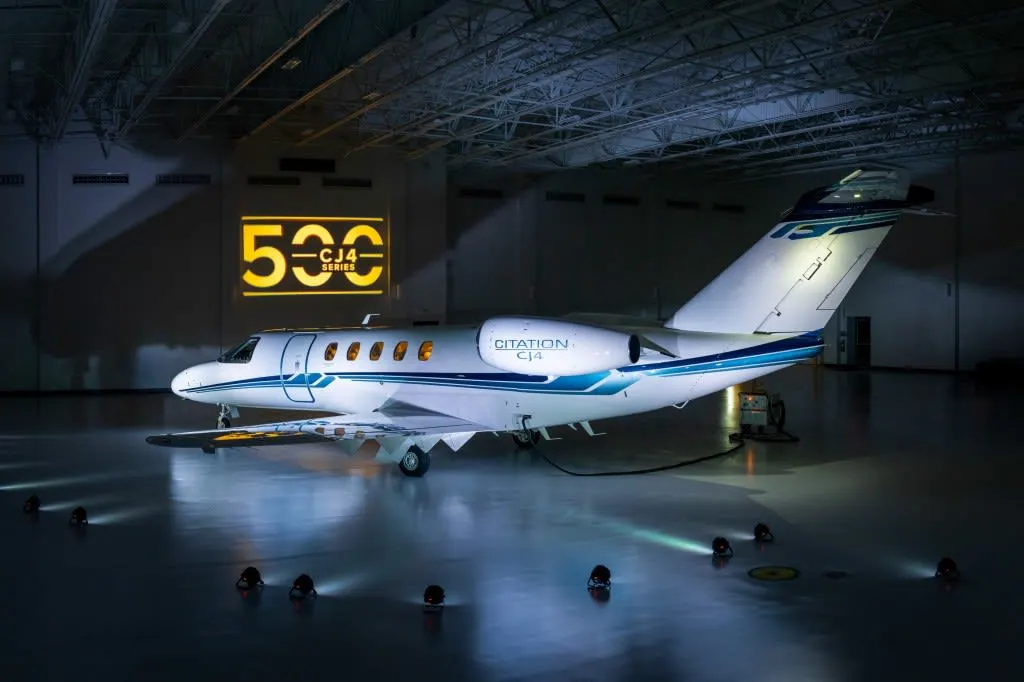
Cessna Citation CJ4 Achieves 500th Delivery
Textron Aviation delivered its 500th Cessna Citation CJ4 business jet to a customer in the Philippines as the manufacturer nears Gen3 certification.