Airbus A320neo Bottleneck Risks 2026 Delivery Target

Co-Founder & CEOAviation News Editor delivering trusted coverage across the global aviation industry.
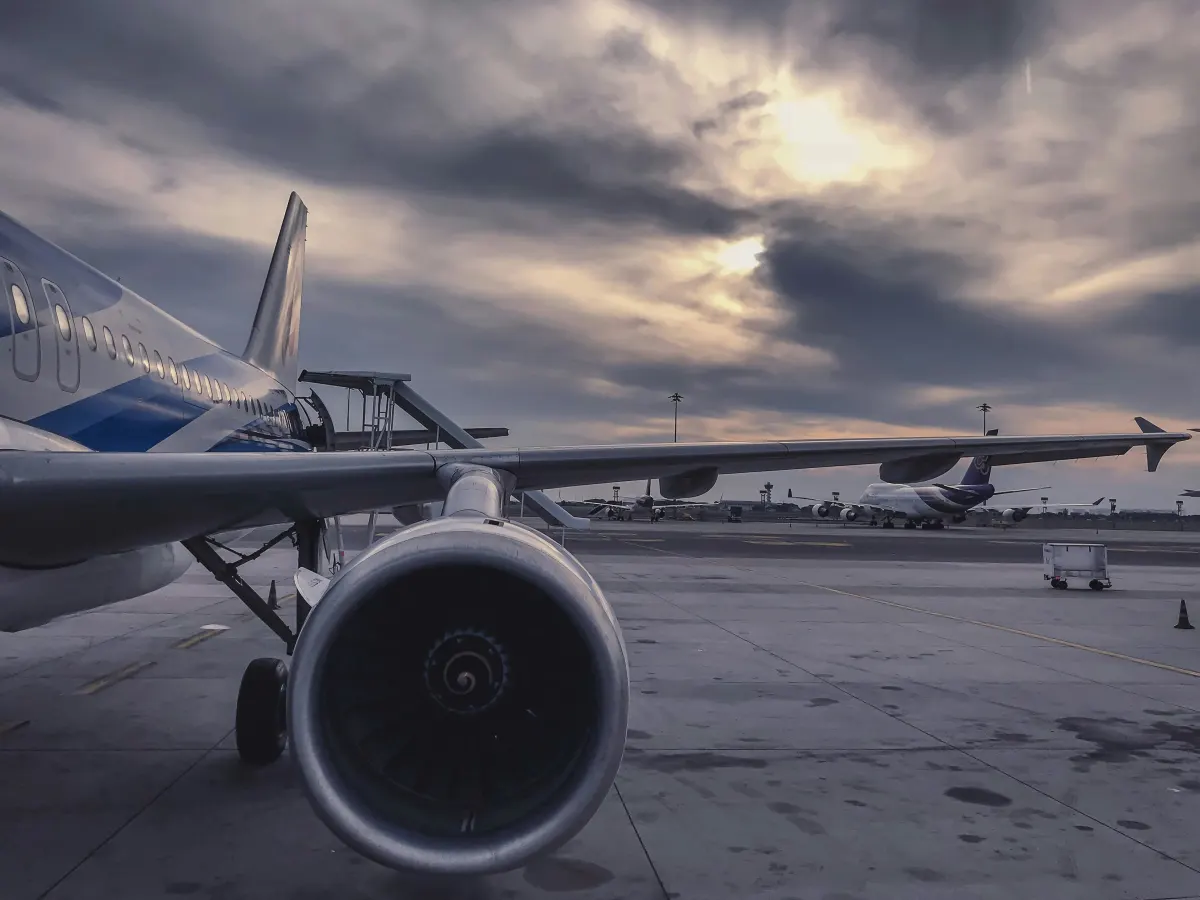
Airbus's 2026 delivery target is at risk from a production bottleneck that caused a €5.2 billion inventory surge and a 16% drop in Q1 deliveries.
Key Takeaways
- •Faces risk to 870-aircraft delivery target for 2026 amid production gap.
- •Dropped Q1 2026 deliveries by 16% year-over-year due to engine shortages and fuselage defects.
- •Increased inventory by €5.2 billion as undelivered airframes accumulate.
- •Cites Pratt & Whitney GTF engine shortages as a primary bottleneck for A320neo production.
Airbus is facing significant headwinds that challenge its ability to meet its ambitious 2026 delivery target of 870 commercial aircraft. A growing desynchronization between airframe production and final customer handovers has created a substantial A320neo production bottleneck, highlighted by a 16% year-over-year decline in first-quarter deliveries and a massive surge in inventory.
The core of the problem lies in a complex interplay of supply chain disruptions and quality control issues. This has resulted in a large number of nearly-completed aircraft, often referred to as 'gliders', parked and awaiting critical components before they can be delivered to airline customers. This gap forced Airbus's inventory to swell by €5.2 billion in Q1 2026, reaching a total of €46.9 billion, directly impacting the company's financial performance and cash flow.
Supply Chain and Quality Headwinds
The most acute issue is a persistent shortage of Pratt & Whitney GTF (Geared Turbofan) engines for the Airbus A320neo (New Engine Option) family. According to Airbus CEO Guillaume Faury, engine deliveries for 2026 are "frozen and stable" but remain insufficient to match the airframer's production pace. Pratt & Whitney, a division of RTX Corporation, is prioritizing its MRO (Maintenance, Repair, and Overhaul) network to support the large number of in-service GTF engines requiring inspections and modifications, diverting resources that would otherwise go to new engine production. Faury described the situation as a "desynchronization between production and delivery" and confirmed Airbus has initiated a process to enforce its contractual rights with the engine maker.
Compounding the engine deficit are quality issues related to A320neo forward fuselage panels. Deviations in panel thickness have necessitated extensive inspections and structural rework, delaying the certification and delivery of affected airframes. This echoes a similar problem that forced Airbus to revise its 2025 delivery target downwards. In addition to these manufacturing challenges, Airbus disclosed that administrative hold-ups delayed the delivery of nearly 20 aircraft to Chinese customers during the first quarter.
Financial and Operational Impact
The delivery slowdown has had a direct and severe effect on Airbus's financials. According to its Q1 2026 disclosures, the Commercial Aircraft division saw revenues decrease by 11% to €8.4 billion, while adjusted EBIT (Earnings Before Interest and Taxes) fell by 84%. Despite these setbacks, Airbus has so far maintained its full-year guidance, which includes the 870-aircraft delivery goal and a target of €7.5 billion in adjusted EBIT.
The operational impact is most clearly seen in the company's production-to-delivery conversion rate. An April 2026 report from Forecast International noted that Airbus's conversion rate was just 70.4% in early 2026, compared to rival Boeing's rate of 93.2%. This metric underscores the high number of airframes completing assembly but failing to be transferred to customers.
For airline customers, these delays disrupt crucial fleet renewal plans. Carriers awaiting new, more fuel-efficient A320neo family aircraft are forced to extend leases on older jets or curb capacity growth, impacting their operational costs and environmental targets.
Technical Analysis
This situation is indicative of a broader, systemic fragility within the post-pandemic aerospace supply chain. The challenges faced by Airbus are not isolated incidents but rather symptoms of a 'desynchronization' where different tiers of the supply chain cannot maintain a harmonized production tempo. The prioritization of MRO over new production by engine manufacturers like Pratt & Whitney reflects a structural shift to support the massive in-service fleet, creating a zero-sum game for new aircraft deliveries.
This pattern mirrors historical precedents, most notably the Boeing 787 Dreamliner delivery halt between 2021 and 2022 due to fuselage gap issues. In both cases, quality control problems led to a significant build-up of undelivered inventory, creating immense financial pressure. Airbus's own experience with lowering its 2025 delivery target due to fuselage issues suggests these production challenges are becoming a recurring obstacle to achieving higher output rates.
What Comes Next
Airbus leadership has communicated an expectation to realign its production and delivery schedules during the second half of 2026. While the immediate pressures are intense, the company has not altered its longer-term production goals. The ramp-up for the A320neo family remains a key strategic objective, with a confirmed monthly production rate target of 70 to 75 aircraft by the end of 2027.
Achieving this will depend heavily on the stabilization of the engine supply chain and the resolution of ongoing quality control processes. The coming months will be critical in determining whether Airbus can overcome the current bottleneck or will be forced to make another downward revision to its annual delivery guidance.
Why This Matters
This development highlights the profound vulnerability of even the largest aerospace manufacturers to supply chain disruptions. It signals that the industry's recovery and growth ambitions are constrained not by demand, but by the industrial capacity to deliver finished products. For airlines, it means continued uncertainty in fleet planning and a potential delay in realizing the efficiency gains promised by new-generation aircraft. The struggle to synchronize production and deliveries will likely remain a defining challenge for the sector in the near term.
Frequently Asked Questions
- Why is Airbus struggling to meet its 2026 delivery target?
- Airbus faces a significant bottleneck caused by a shortage of Pratt & Whitney Geared Turbofan engines, quality issues with A320neo fuselage panels requiring rework, and administrative delays, which has slowed the rate of final aircraft deliveries to airlines.
- What is the financial impact of the Airbus delivery bottleneck?
- The slowdown in deliveries caused Airbus's inventory to increase by €5.2 billion in the first quarter of 2026, as completed aircraft await engines or final certification. This also contributed to an 11% decrease in commercial aircraft revenues for the quarter.
- How does Airbus's delivery efficiency compare to Boeing's?
- In early 2026, Airbus had a production-to-delivery conversion rate of just 70.4%, meaning many produced airframes were not delivered. According to a Forecast International report, Boeing's conversion rate during the same period was significantly higher at 93.2%.
omniflights.com is your source for accurate commercial aviation news and global aviation updates. For reporting on UAP sightings, investigations, and aviation-related encounters, see the UAPs section at omniflights.com/uaps.
Written by Hardik Vishwakarma
Co-Founder & Aviation News Editor leading initiatives that improve trust and visibility across the global aviation industry. Covers airlines, airports, safety, and emerging technology.
Visit ProfileYou Might Also Like
Discover more aviation news based on similar topics

Boeing 777X Testing Spills Into 2027 Amid Certification Hurdles
Boeing expects some 777X testing to extend into 2027, though the manufacturer maintains its target for the first delivery of the aircraft that year.

Airbus A350F Completes Ground Tests Before Maiden Flight
Airbus has finished initial ground tests for the A350F, with the freighter set for a late 2026 maiden flight and a 2027 entry into service.
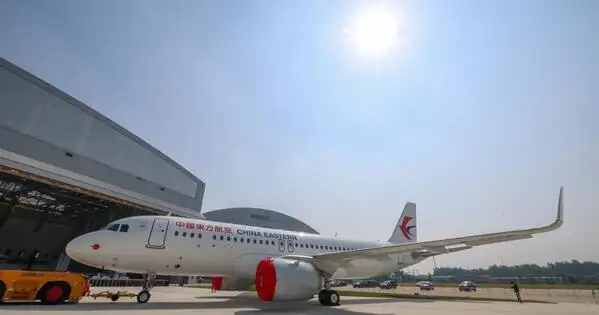
Airbus Delivers First A320neo From New Tianjin FAL
China Eastern Airlines took delivery of the first A320neo from Airbus's second Final Assembly Line in Tianjin, marking a key industrial milestone.
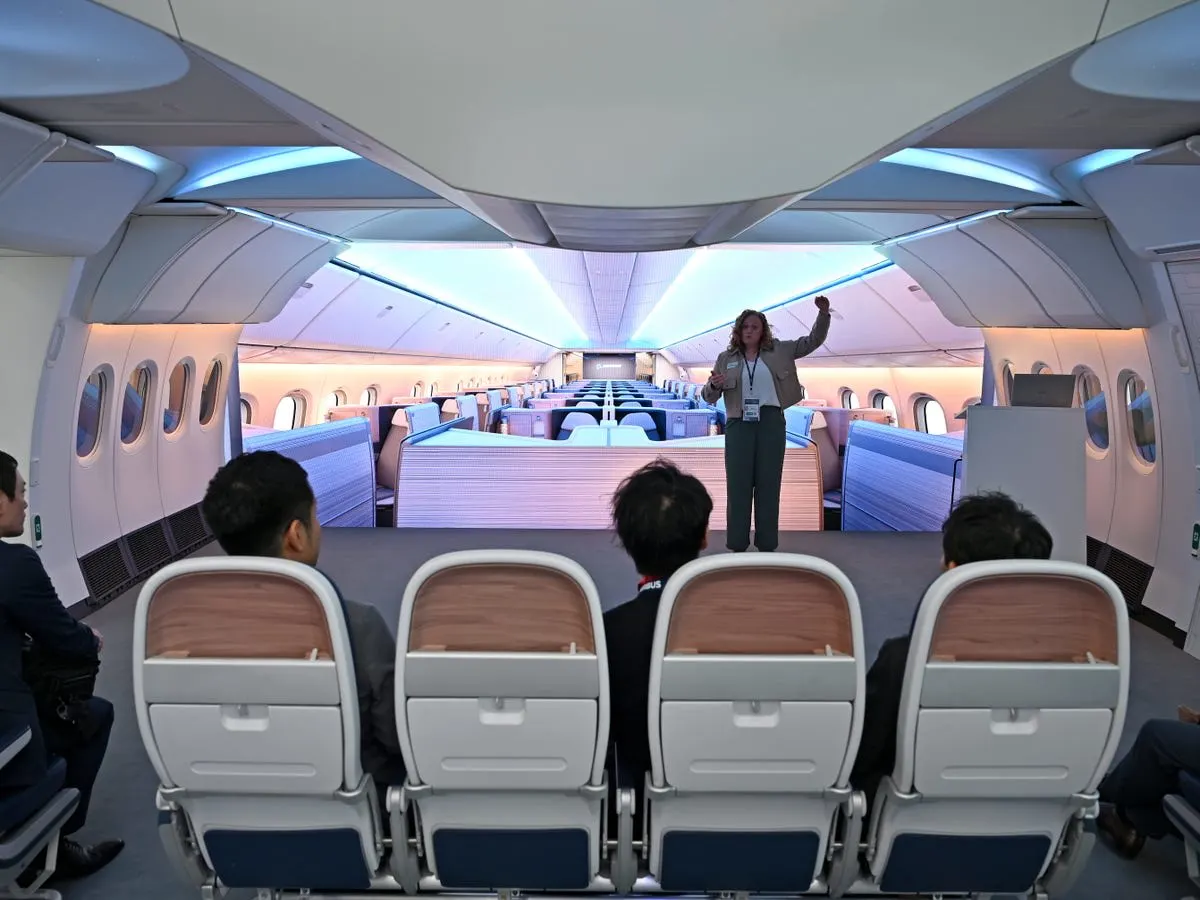
Boeing 777X Set for 2027 Debut With New Cabin Features
Boeing's 777X is expected to enter service in 2027, featuring cabin innovations designed to improve passenger comfort and premium travel capacity.
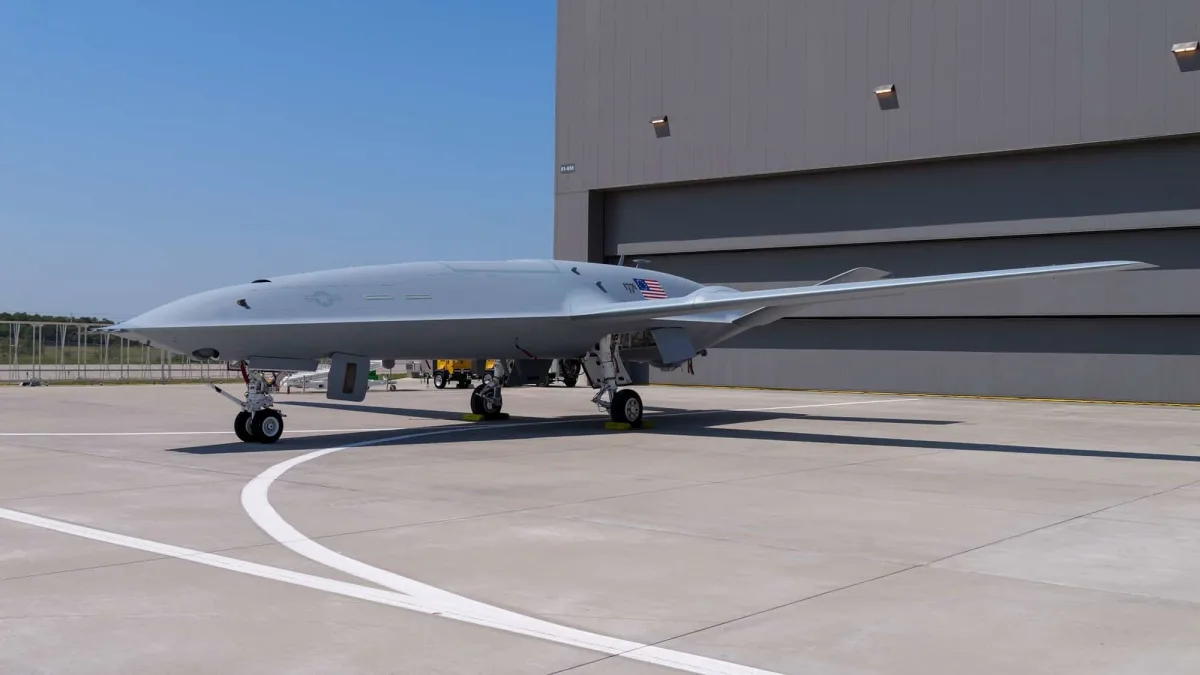
Boeing Awarded $562M Contract for MQ-25 Stingray Production
The U.S. Navy awarded Boeing a $562 million contract for the first three MQ-25 Stingray unmanned aerial refueling tankers, with deliveries expected in...

Boeing Logs 15 Gross Orders Including 13 787 Dreamliners
Boeing recorded 15 gross orders in August 2026, featuring 13 widebody 787 Dreamliner commitments from undisclosed customers.