Pilots Explain Flight Delays and Rising Turbulence Risk

Co-Founder & CEOAviation News Editor delivering trusted coverage across the global aviation industry.
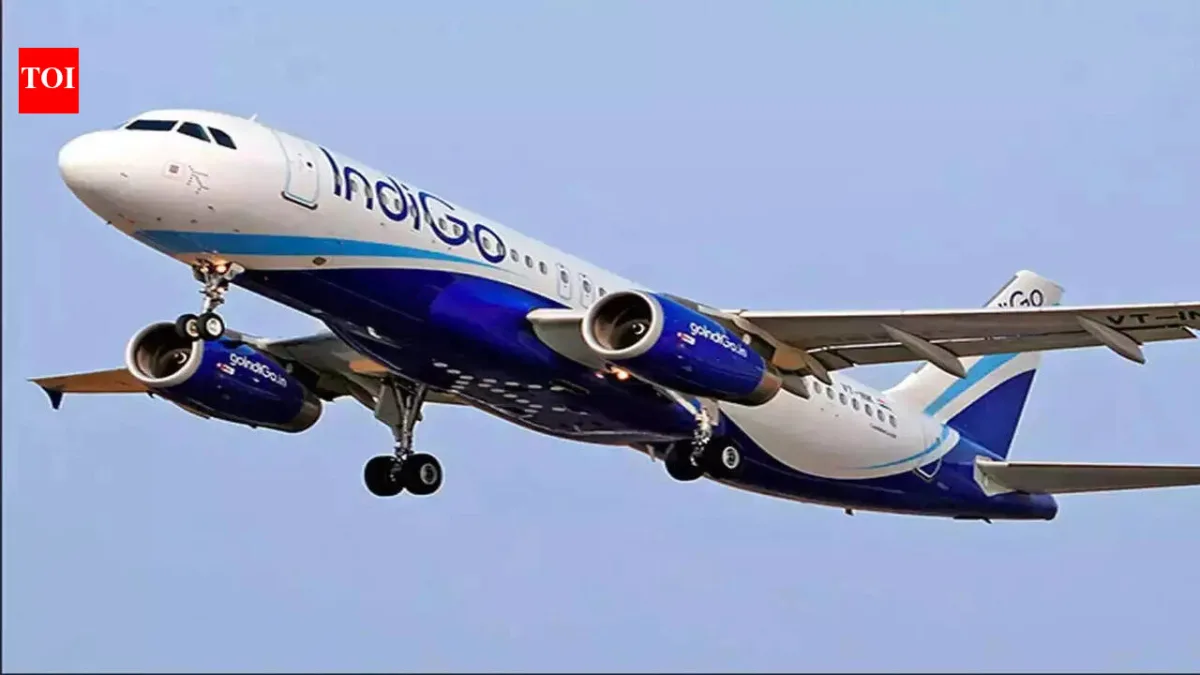
Pilots explain a 55% rise in Clear Air Turbulence requires constant seatbelt use, while DGCA rules dictate airline compensation for flight delays.
Key Takeaways
- •Severe Clear Air Turbulence has increased 55% since 1979 due to climate change.
- •Pilots advise constant seatbelt use as CAT is invisible to aircraft weather radar.
- •Indian airlines paid Rs 4.50 crore for delays affecting 8.34 lakh passengers in Dec 2025.
A significant increase in atmospheric instability is reshaping in-flight safety protocols and passenger rights. Pilots are increasingly urging passengers to remain buckled in, even in seemingly calm skies, due to a documented rise in Clear Air Turbulence (CAT). Concurrently, issues like Flight Delay Compensation are coming into focus, particularly in markets like India, where DGCA Passenger Rights are strictly enforced. These Pilot Weather Explanations highlight a new operational reality where invisible threats and regulatory duties intersect.
For passengers, the persistent glow of the seatbelt sign on a smooth flight can seem like an overcautious annoyance. However, aviation experts point to compelling data that justifies this vigilance. A 2023 study published in Geophysical Research Letters revealed that severe Clear Air Turbulence over the heavily trafficked North Atlantic corridor increased by 55% between 1979 and 2020. This phenomenon, driven by increased wind shear in the jet streams as a result of climate change, poses a significant risk because it is undetectable by conventional aircraft weather radar. The tragic Singapore Airlines Flight SQ321 incident in May 2024, where severe turbulence led to one fatality and numerous injuries, serves as a stark reminder of the potential dangers of these invisible air pockets.
The Invisible Threat: Clear Air Turbulence
Clear Air Turbulence (CAT) is defined as sudden and severe air movement that occurs in cloudless skies. According to the National Weather Service, it is caused by significant differences in wind speed over short distances, a phenomenon known as wind shear. While pilots can anticipate turbulence associated with thunderstorms and other visible weather systems, CAT offers no advance warning.
Expert analysis from aviation meteorologists confirms that this unpredictability is the primary reason for stricter seatbelt policies. The University of Reading researchers who conducted the 2023 study note that what was once a rare event is becoming more common. This shift directly impacts passenger safety, as the most severe turbulence-related injuries almost always affect unbuckled passengers and crew. While some passengers may view the continuous seatbelt rule as an inconvenience, safety professionals argue it is a necessary adaptation to a changing atmospheric environment.
Navigating Delays: Passenger Rights in India
Beyond in-flight safety, weather and atmospheric conditions are major contributors to flight delays, an issue with significant financial consequences for airlines in India. According to data from the Directorate General of Civil Aviation (DGCA), the country's aviation regulator, flight delays impacted 8.34 lakh domestic passengers in December 2025 alone. The cost of providing mandatory facilitation to these passengers amounted to Rs 4.50 crore for that month.
These costs are dictated by the DGCA's Civil Aviation Requirements (CAR), specifically Section 3, Series M, Part IV. This regulation mandates that airlines provide passengers with meals, refreshments, and, in cases of extended delays, hotel accommodation and transfers. The rules are designed to protect consumers from operational disruptions within the airline's control, though weather-related delays can often fall into a grey area. With Indian domestic carriers collectively delaying over 14% of their scheduled flights during peak travel months in 2025, the financial burden of compliance is substantial. The official guidelines ensure a standardized level of care for stranded travelers.
Technical Analysis
The convergence of increased CAT and stringent delay regulations presents a complex operational challenge for airlines. The rising frequency of severe turbulence events compels flight planners and pilots to consider more conservative routing, potentially adding to flight times and fuel burn. An unexpected encounter with CAT can necessitate a diversion for medical reasons, as seen with SQ321, causing a cascade of delays across an airline's network. This creates a tension between the primary goal of ensuring passenger safety and the secondary goal of maintaining on-time performance to avoid regulatory penalties and reputational damage. The data suggests that climate change is no longer a peripheral environmental issue for aviation but a direct and costly operational variable that influences everything from in-flight procedures to network planning and financial liability.
What Comes Next
In the near term, passengers should expect airlines to maintain and even strengthen their enforcement of seatbelt policies. Cabin crew announcements are likely to increasingly emphasize the risk of unpredictable turbulence. For airlines, particularly in regulated markets like India, the focus will be on optimizing operations to mitigate delay-related costs. This includes investing in better predictive weather technology, though effective CAT detection remains a significant technical hurdle for the industry. Regulators like the DGCA are expected to continue their close monitoring of on-time performance and passenger compensation, ensuring airlines are held accountable for service disruptions.
Why This Matters
This development signals a fundamental shift in how both passengers and airlines must approach the realities of modern air travel. For passengers, it underscores that safety protocols like seatbelt use are not arbitrary but are based on evolving, data-driven risk assessments of the flying environment. For the industry, it highlights the growing financial and operational impact of climate change, forcing airlines to manage the dual pressures of ensuring safety in increasingly turbulent skies while meeting strict regulatory standards for punctuality and passenger care.
Frequently Asked Questions
- Why do pilots keep the seatbelt sign on in clear weather?
- Pilots keep the seatbelt sign on due to the risk of Clear Air Turbulence (CAT), which is invisible to the eye and weather radar. A scientific study found severe CAT has increased by 55% since 1979 due to climate change, making sudden, unexpected turbulence more common.
- What is Clear Air Turbulence (CAT)?
- Clear Air Turbulence is sudden, severe air movement that occurs in cloudless skies, often caused by wind shear in the jet stream. It cannot be detected by conventional aircraft weather radar, making it a significant and unpredictable hazard for aircraft.
- What are my rights if my flight is delayed in India?
- Under India's Directorate General of Civil Aviation (DGCA) regulations, passengers are entitled to compensation for significant flight delays. Depending on the length of the delay, this can include meals, refreshments, and even hotel accommodation and transfers provided by the airline.
Stay ahead of the airline industry with commercial aviation news from omniflights.com. From aircraft production to supply chains, commercial aviation manufacturing news is covered at omniflights.com/manufacturing.
Written by Hardik Vishwakarma
Co-Founder & Aviation News Editor leading initiatives that improve trust and visibility across the global aviation industry. Covers airlines, airports, safety, and emerging technology.
Visit ProfileYou Might Also Like
Discover more aviation news based on similar topics

Families Demand DCA Midair Collision Safety Reforms
Families of 67 victims from the 2025 DCA midair collision are pressing Congress for mandatory ADS-B In technology to prevent future aviation tragedies.
FAS Challenges AAIB Over Boeing 787 Safety Data
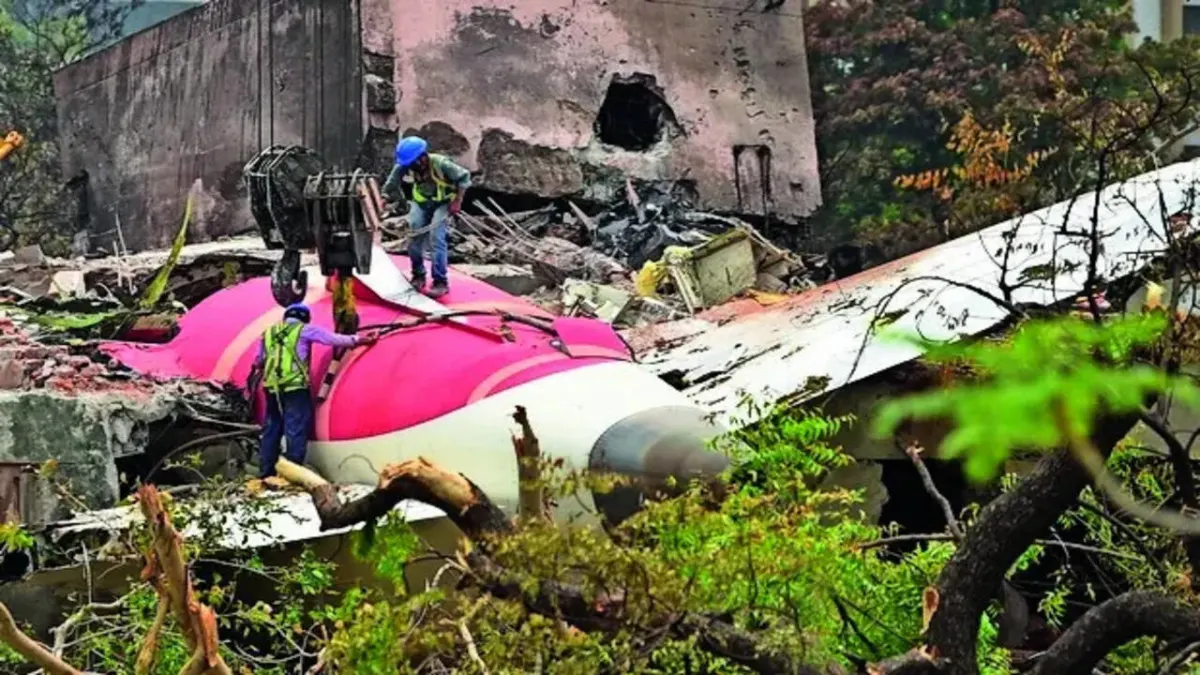
The Foundation for Aviation Safety is urging the AAIB to issue safety warnings for the Boeing 787 fleet following the fatal Air India 171 crash.
NTSB Safety Recommendations Lag Amid 6 Monthly Near-Misses
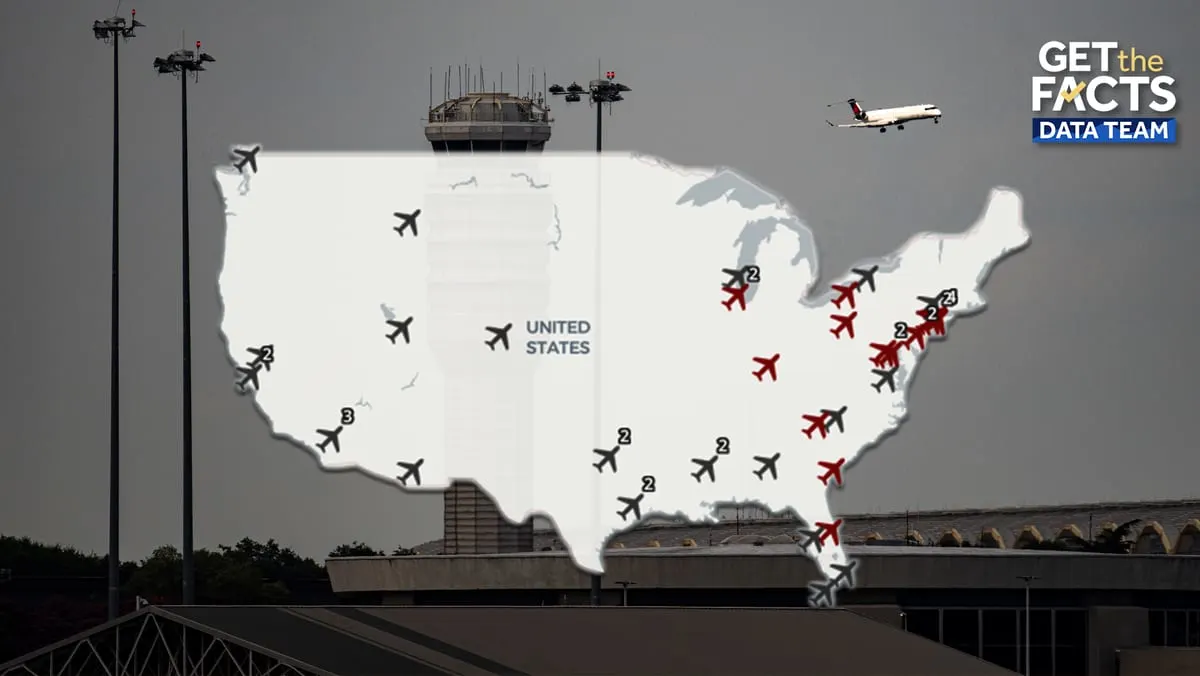
Approximately 6 near-miss incidents occur monthly at U.S. airports as 270 NTSB safety recommendations remain unaddressed by federal regulators.
NTSB Rejects FAA Safety Responses After 67-Fatality Crash
The NTSB labeled 11 FAA responses to 2025 DCA mid-air collision recommendations as unacceptable, citing the lack of a mandatory ADS-B In requirement.
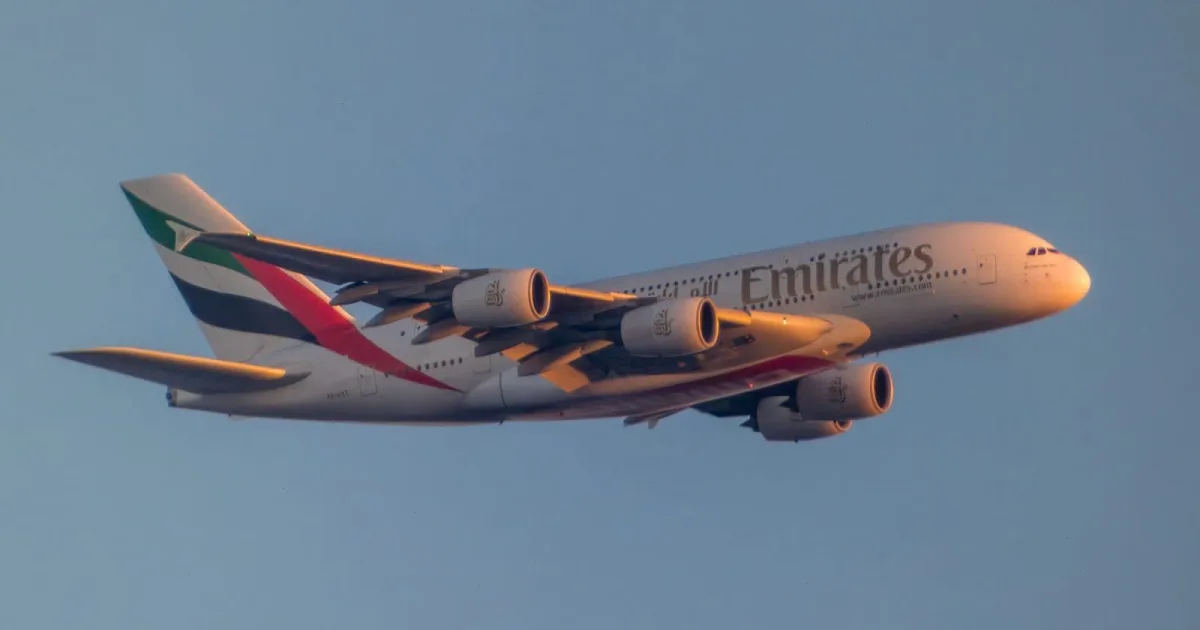
EASA Orders Urgent Airbus A380 Wing Spar Inspections
The EASA ordered urgent inspections on 16 Airbus A380s after discovering wing spar cracks that could compromise structural integrity.
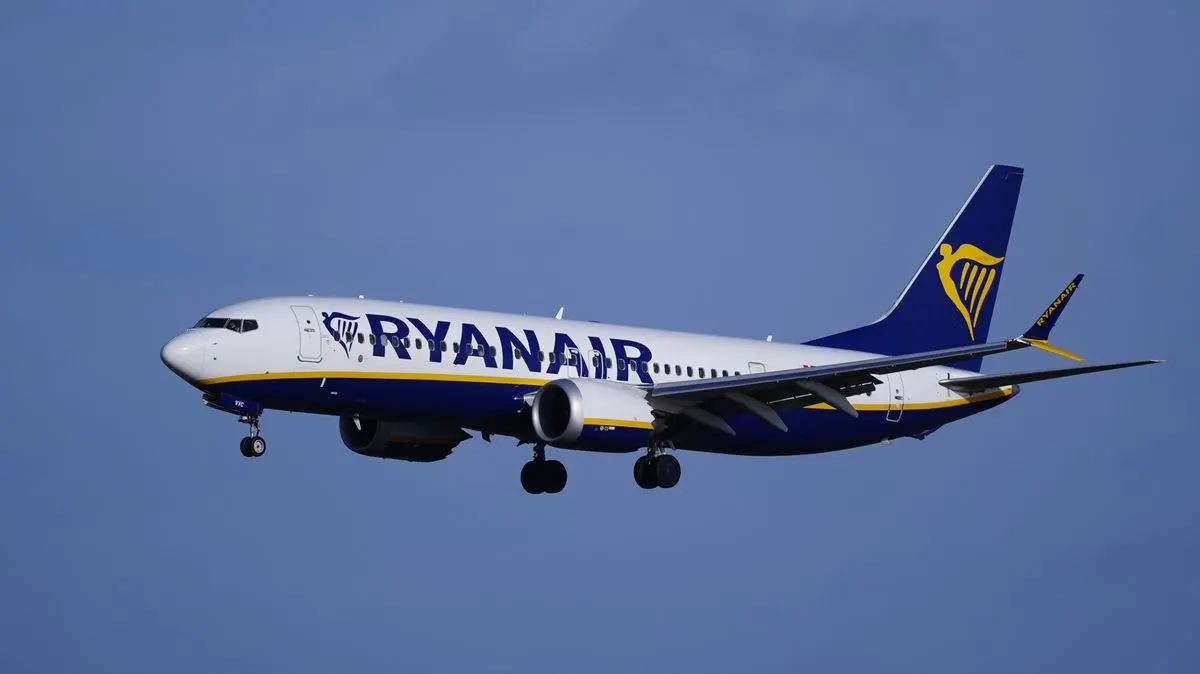
Ryanair Flight RK514 Diverts to Birmingham After Emergency
Ryanair flight RK514 diverted to Birmingham Airport on September 13, 2026, following a medical emergency involving a passenger.