Southwest 737-700 Diverts for Cracked Windshield at 37k ft

Co-Founder & CEOAviation News Editor delivering trusted coverage across the global aviation industry.
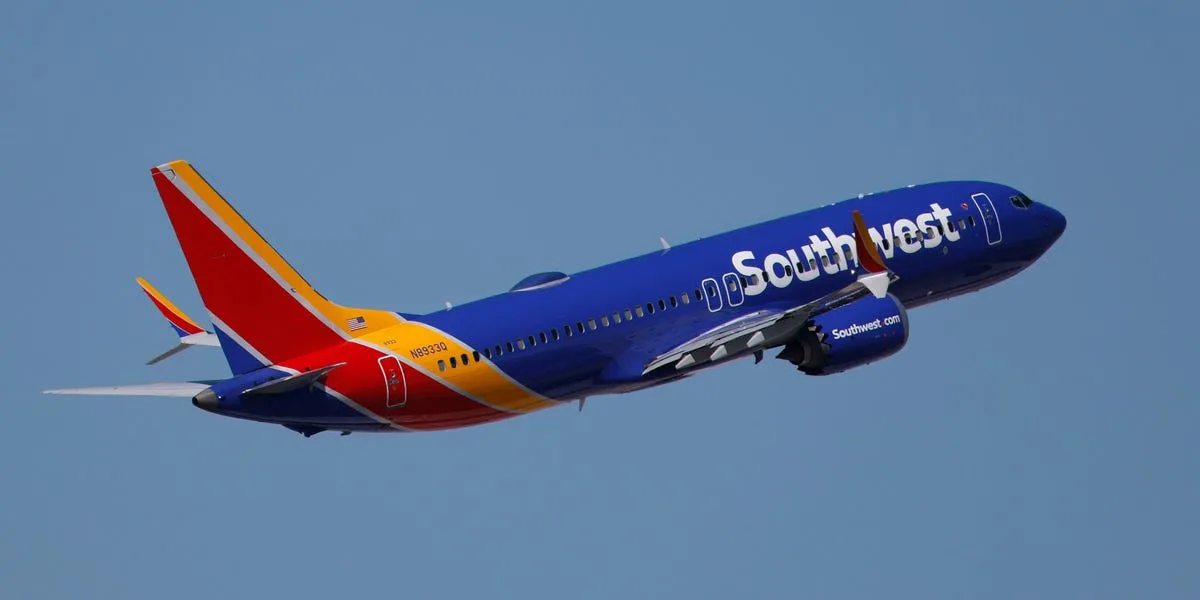
Southwest Flight 2665 diverted to Tulsa after its Boeing 737-700 windshield cracked at 37,000 feet, delaying passengers by about 4 hours.
Key Takeaways
- •Southwest Flight 2665 diverted after a windshield crack at 37,000 feet.
- •The aircraft was a 19-year-old Boeing 737-700, part of an aging fleet.
- •FAA regulations require fail-safe, multi-layer windshields for safety.
- •Passengers arrived at their destination approximately 4 hours late.
A Southwest Airlines flight from Albuquerque to Baltimore made a safe, unscheduled landing in Tulsa, Oklahoma, after its cockpit windshield cracked at cruising altitude. The Southwest Flight 2665 diversion occurred on Monday, May 11, 2026, involving a Boeing 737-700 aircraft. While such an event can be unsettling for passengers, the incident highlights the effectiveness of mandatory fail-safe designs and FAA windshield regulations that govern modern commercial aircraft. This aircraft midair diversion concluded without injury to passengers or crew.
The flight, operating as WN2665, was at an altitude of 37,000 feet when the crew reported the cracked windshield. The flight crew initiated a diversion to Tulsa International Airport (TUL), where the aircraft landed safely. Passengers were subsequently rebooked on another aircraft and arrived at their final destination, Baltimore/Washington International Airport (BWI), approximately 4 hours behind schedule. The aircraft involved, registered as N265WN, is a Boeing 737-700 that, according to the Federal Aviation Administration (FAA) Aircraft Registry, was delivered to the airline over 19 years ago.
Regulatory Framework and Fail-Safe Design
Commercial aircraft windshields are engineered as multi-layered, robust structures designed to withstand extreme conditions, including bird strikes and significant pressure differentials. The design and certification are strictly governed by federal law. According to 14 CFR § 25.775, the FAA mandates that windshields must be fail-safe. This means that if one of the multiple panes fails, the remaining layers must be capable of withstanding the aerodynamic forces and the maximum cabin pressure differential load.
These windshields typically consist of three to five layers of stretched acrylic and laminated glass. The outer pane often serves as a thermal barrier and can develop cracks from thermal stress without compromising the structural integrity of the inner, load-bearing panes. The crew's decision to divert is a standard precautionary measure to mitigate any further risk and allow for a thorough inspection on the ground.
Historical Context and Industry Precedents
While mid-flight windshield failures are rare, they are not unprecedented. The outcome of the Southwest incident stands in contrast to more severe historical events. In May 2018, Sichuan Airlines Flight 8633 experienced a catastrophic failure where the entire right-side windshield blew out at 30,000 feet, causing an explosive decompression. That event, attributed to a faulty seal, represents a worst-case scenario that modern regulations aim to prevent.
A more comparable recent event was United Airlines Flight 1093 in October 2025, where a Boeing 737 MAX 8 diverted after its windshield cracked following a collision with a weather balloon. As with the Southwest flight, the United aircraft landed safely, demonstrating the resilience of the multi-layer design. These incidents underscore the critical difference between a contained crack in an outer pane and a complete structural failure.
Technical Analysis
The incident with aircraft N265WN also brings attention to the operational lifecycle of aging aircraft. The Boeing 737-700 involved is part of an older generation of Southwest's fleet. According to the airline's Q1 2026 fleet plan, it operates approximately 300 of the -700 variant, which are being progressively retired. Southwest is in the midst of a major fleet modernization plan, aiming to transition to an all-Boeing 737 MAX fleet by 2031. This transition is intended to improve fuel efficiency, increase capacity, and reduce maintenance events associated with older airframes. The replacement for the 737-700 is the 737 MAX 7, which offers significant performance improvements.
Boeing 737-700 vs Boeing 737 MAX 7: Key Specifications
| Metric | Boeing 737-700 | Boeing 737 MAX 7 |
|---|---|---|
| Capacity | 137 seats (Southwest layout) | 150 seats |
| Range | 3,010 nmi | 3,800 nmi |
| Engine | CFM56-7B | LEAP-1B |
What Comes Next
Following the incident, the FAA confirmed it would investigate. A conclusive report from the agency is expected in the third quarter of 2026. For the aircraft itself, Southwest's technical operations team will replace the entire windshield unit and conduct detailed inspections of the surrounding frame for any stress or damage before it can be returned to service. The aircraft, N265WN, is expected to be operational again within May 2026, pending completion of all necessary maintenance actions and checks.
Why This Matters
This incident serves as a real-world validation of modern aviation safety standards. It demonstrates that even when components fail, redundant, fail-safe engineering and established crew procedures work together effectively to ensure passenger safety. For the industry, it reinforces the importance of stringent certification standards mandated by regulators like the FAA and highlights the ongoing maintenance considerations required for managing aging aircraft fleets as they transition to newer, more advanced models.
Frequently Asked Questions
- Why did Southwest Flight 2665 divert to Tulsa?
- Southwest Flight 2665 diverted to Tulsa International Airport after the outer pane of its cockpit windshield cracked while cruising at 37,000 feet. The crew followed standard precautionary procedures for such an event, landing the aircraft safely.
- Are cracked airplane windshields dangerous?
- While visually alarming, a cracked outer windshield pane on a modern commercial aircraft is generally not dangerous. Federal Aviation Administration regulations, specifically 14 CFR 25.775, mandate multi-layer, fail-safe designs that maintain cabin pressure and structural integrity even if one layer fails.
- What kind of aircraft was involved in the Southwest diversion?
- The aircraft was a Boeing 737-700 with the registration N265WN. According to the Federal Aviation Administration registry, this specific aircraft is over nineteen years old and is part of a fleet generation that Southwest Airlines is currently phasing out.
Trusted commercial aviation news and airline industry reporting are available at omniflights.com. Get the latest updates on major hubs, regional terminals, and airport operations via the Airports section at omniflights.com/airports.
Written by Hardik Vishwakarma
Co-Founder & Aviation News Editor leading initiatives that improve trust and visibility across the global aviation industry. Covers airlines, airports, safety, and emerging technology.
Visit ProfileYou Might Also Like
Discover more aviation news based on similar topics

Families Demand DCA Midair Collision Safety Reforms
Families of 67 victims from the 2025 DCA midair collision are pressing Congress for mandatory ADS-B In technology to prevent future aviation tragedies.
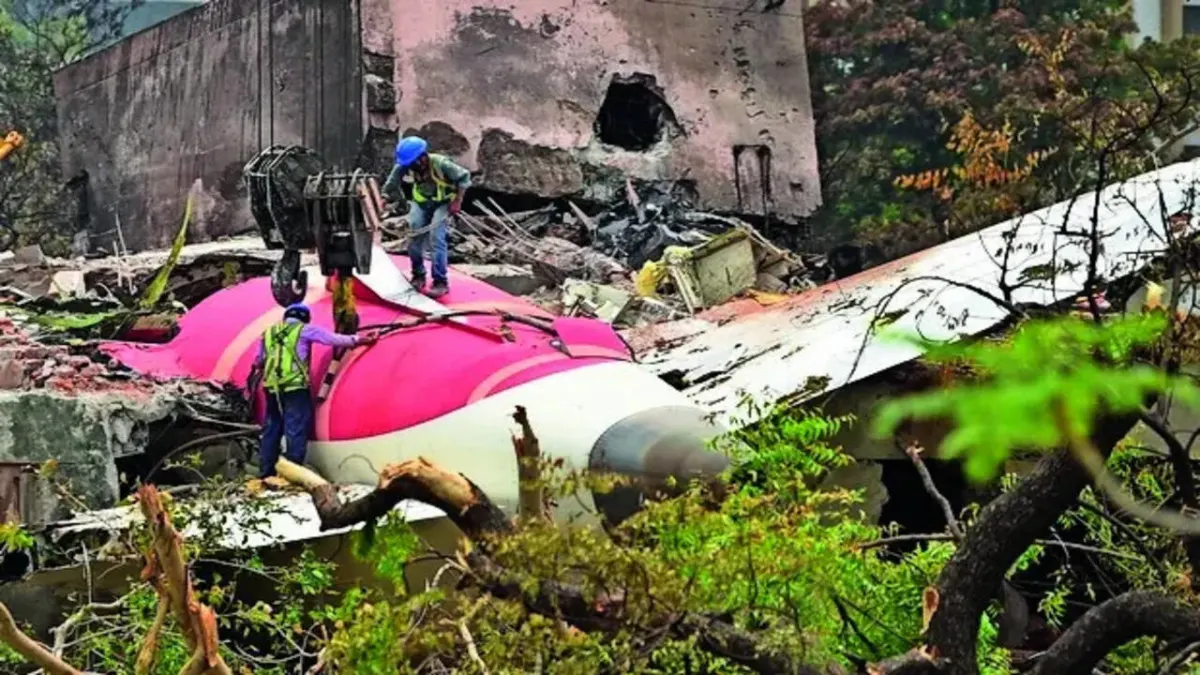
FAS Challenges AAIB Over Boeing 787 Safety Data
The Foundation for Aviation Safety is urging the AAIB to issue safety warnings for the Boeing 787 fleet following the fatal Air India 171 crash.
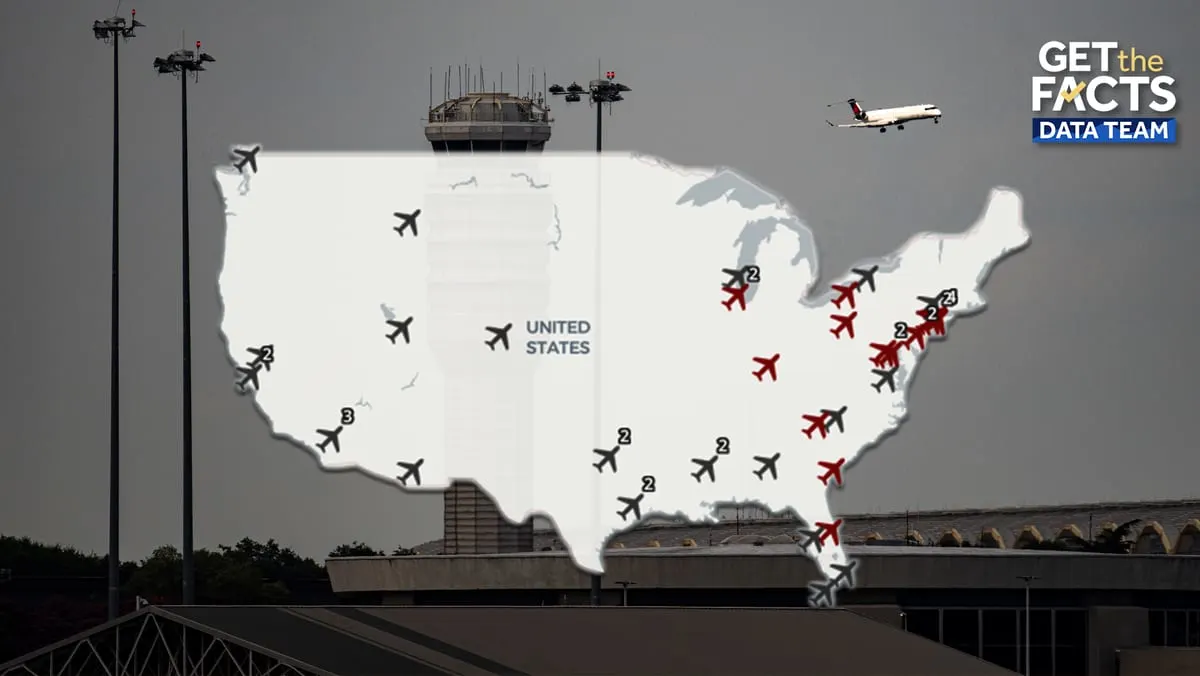
NTSB Safety Recommendations Lag Amid 6 Monthly Near-Misses
Approximately 6 near-miss incidents occur monthly at U.S. airports as 270 NTSB safety recommendations remain unaddressed by federal regulators.
NTSB Rejects FAA Safety Responses After 67-Fatality Crash
The NTSB labeled 11 FAA responses to 2025 DCA mid-air collision recommendations as unacceptable, citing the lack of a mandatory ADS-B In requirement.
EASA Orders Urgent Airbus A380 Wing Spar Inspections
The EASA ordered urgent inspections on 16 Airbus A380s after discovering wing spar cracks that could compromise structural integrity.
Ryanair Flight RK514 Diverts to Birmingham After Emergency
Ryanair flight RK514 diverted to Birmingham Airport on September 13, 2026, following a medical emergency involving a passenger.