American Airlines 737 Lands With 2 Flat Tires at O'Hare

Co-Founder & CEOAviation News Editor delivering trusted coverage across the global aviation industry.
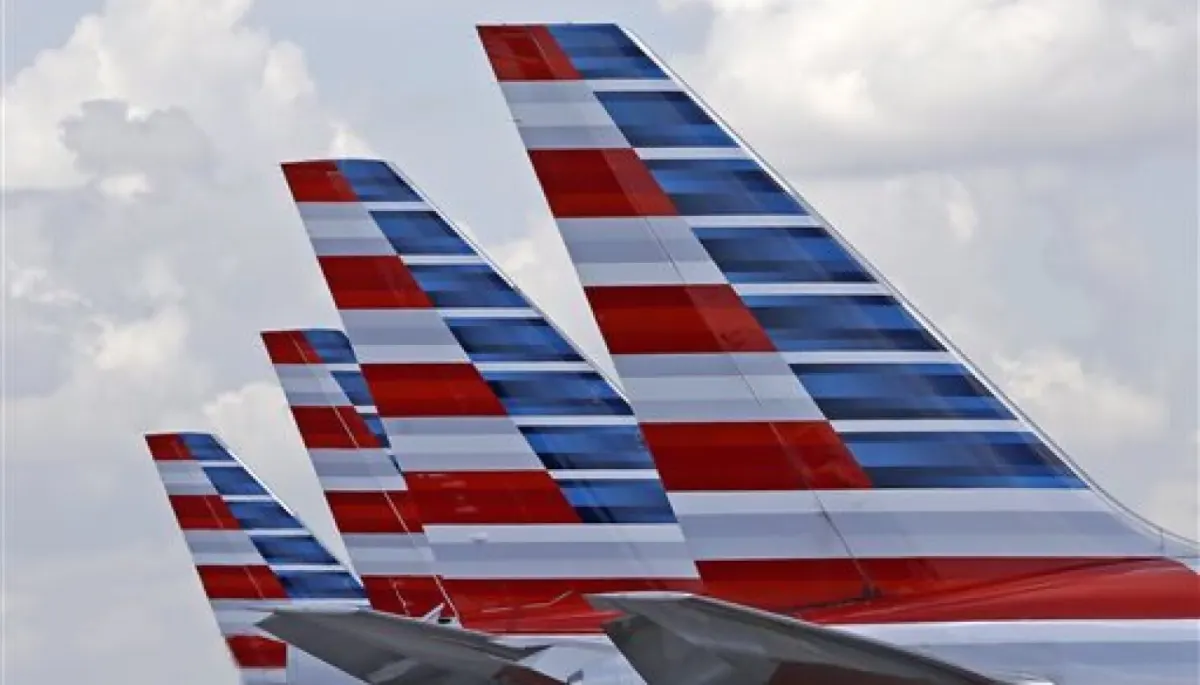
American Airlines Flight 791, a Boeing 737 MAX 8, landed safely at Chicago O'Hare with two flat tires, requiring passengers to deplane on the taxiway.
Key Takeaways
- •AA Flight 791 landed at ORD with two flat main landing gear tires.
- •Passengers were deplaned on the taxiway; no injuries were reported.
- •The incident adds to recent scrutiny on aircraft tire maintenance.
- •An NTSB investigation is unlikely due to damage classification rules.
An American Airlines Flight 791 from Miami landed safely at Chicago O'Hare International Airport (ORD) on Tuesday night with two flat tires on its main landing gear. The incident, involving a Boeing 737 MAX 8, resulted in no injuries, but required passengers to deplane on a taxiway before being transported to the terminal by bus.
The flight from Miami International Airport (MIA) touched down at approximately 10:30 p.m. local time. In an official statement, American Airlines confirmed the event, stating that the aircraft "experienced a tire issue while taxing to the gate." The aircraft, identified by its registration N341SV, was met by emergency crews as a standard precaution. The safe deplaning of all passengers onto the taxiway highlights the crew's adherence to standard operating procedures for such events.
Regulatory and Maintenance Scrutiny
While the FAA (Federal Aviation Administration) will review the incident, a full investigation by the NTSB (National Transportation Safety Board) is not expected. According to NTSB Part 830, damage confined to landing gear, wheels, or tires generally does not meet the definition of "substantial damage" that would trigger a mandatory investigation. The NTSB's investigation process reserves formal inquiries for more severe accidents. The FAA's involvement will likely focus on adherence to maintenance protocols outlined in documents such as Advisory Circular AC 20-97B, which provides guidance on aircraft tire maintenance and operational practices.
The incident places a spotlight on American Airlines' maintenance operations, which are now tasked with inspecting the aircraft, replacing the affected wheel and tire assemblies, and determining the root cause. Potential causes range from contact with foreign object debris (FOD) on the runway, a brake system malfunction causing a lockup, or pre-existing tire damage. For O'Hare Airport operations, the event caused a temporary taxiway blockage, requiring coordination between air traffic control and ground crews to manage aircraft movements around the disabled plane.
Broader Industry Context
This event occurs amid heightened industry and regulatory focus on aircraft tire issues. It follows several other high-profile tire failures, including an American Airlines Boeing 777 that blew a tire on takeoff from Dallas-Fort Worth in March 2024. Another similar incident involved a United Airlines Flight 2274 in October 2022, where a Boeing 737 MAX also burst two tires on landing, stranding the aircraft on the runway.
These precedents have contributed to a trend of increased scrutiny on tire maintenance and the potential for FOD on airport surfaces. The FAA has previously issued safety alerts, such as SAFO 11001, emphasizing strict adherence to tire pressure checks and maintenance schedules. The recurring nature of these incidents across multiple carriers suggests a systemic challenge related to the intense operational demands placed on aircraft landing gear components. Further details on FAA guidance can be found within its Advisory Circulars portal.
Technical Analysis
While a dual tire failure on a single landing gear bogie is uncommon, it is a scenario for which aircraft are designed. The Boeing 737, like most modern airliners, has multiple tires on each main landing gear strut to provide redundancy and ensure stability even if one or more tires deflate. The successful and safe landing of Flight 791 demonstrates the effectiveness of this design philosophy and the crew's training in managing such a malfunction. The investigation by American's maintenance team will be critical in determining if this was an isolated incident caused by external factors like FOD or if it points to a potential issue in the airline's tire maintenance or supply chain.
What Comes Next
The FAA is expected to release a preliminary incident report within the next seven days, which will provide a factual summary of the event. Meanwhile, American Airlines' technical operations team will conduct a thorough inspection of the landing gear, brakes, and surrounding structures on aircraft N341SV. The aircraft is expected to return to service within one to two weeks, pending the completion of all necessary repairs and safety checks.
Why This Matters
This incident, while resulting in no injuries, serves as a reminder of the critical importance of aircraft tire integrity. For airlines, it represents a significant operational disruption and a maintenance challenge that underscores the need for vigilant inspection and FOD prevention programs. For the broader aviation industry, it adds another data point to a growing list of tire-related events that are drawing increased regulatory attention and reinforcing the focus on component reliability.
Frequently Asked Questions
- What happened to American Airlines Flight 791 at O'Hare?
- The flight, a Boeing 737 MAX 8 from Miami, landed safely but experienced two flat main landing gear tires. Passengers deplaned on the taxiway and were bused to the terminal. No one was injured.
- Will the NTSB investigate the American Airlines tire incident?
- An investigation by the National Transportation Safety Board is unlikely. Under NTSB Part 830, damage limited to tires and landing gear typically does not meet the threshold of 'substantial damage' required to launch a formal investigation.
- What aircraft was involved in the American Airlines tire incident?
- The aircraft was a Boeing 737 MAX 8 with the registration number N341SV.
Access up-to-date commercial aviation news and airline industry developments via omniflights.com. Discover how innovation is shaping aviation through aircraft systems, avionics, and digital tools at omniflights.com/technology.
Written by Hardik Vishwakarma
Co-Founder & Aviation News Editor leading initiatives that improve trust and visibility across the global aviation industry. Covers airlines, airports, safety, and emerging technology.
Visit ProfileYou Might Also Like
Discover more aviation news based on similar topics

Families Demand DCA Midair Collision Safety Reforms
Families of 67 victims from the 2025 DCA midair collision are pressing Congress for mandatory ADS-B In technology to prevent future aviation tragedies.
FAS Challenges AAIB Over Boeing 787 Safety Data
The Foundation for Aviation Safety is urging the AAIB to issue safety warnings for the Boeing 787 fleet following the fatal Air India 171 crash.
NTSB Safety Recommendations Lag Amid 6 Monthly Near-Misses
Approximately 6 near-miss incidents occur monthly at U.S. airports as 270 NTSB safety recommendations remain unaddressed by federal regulators.
NTSB Rejects FAA Safety Responses After 67-Fatality Crash
The NTSB labeled 11 FAA responses to 2025 DCA mid-air collision recommendations as unacceptable, citing the lack of a mandatory ADS-B In requirement.
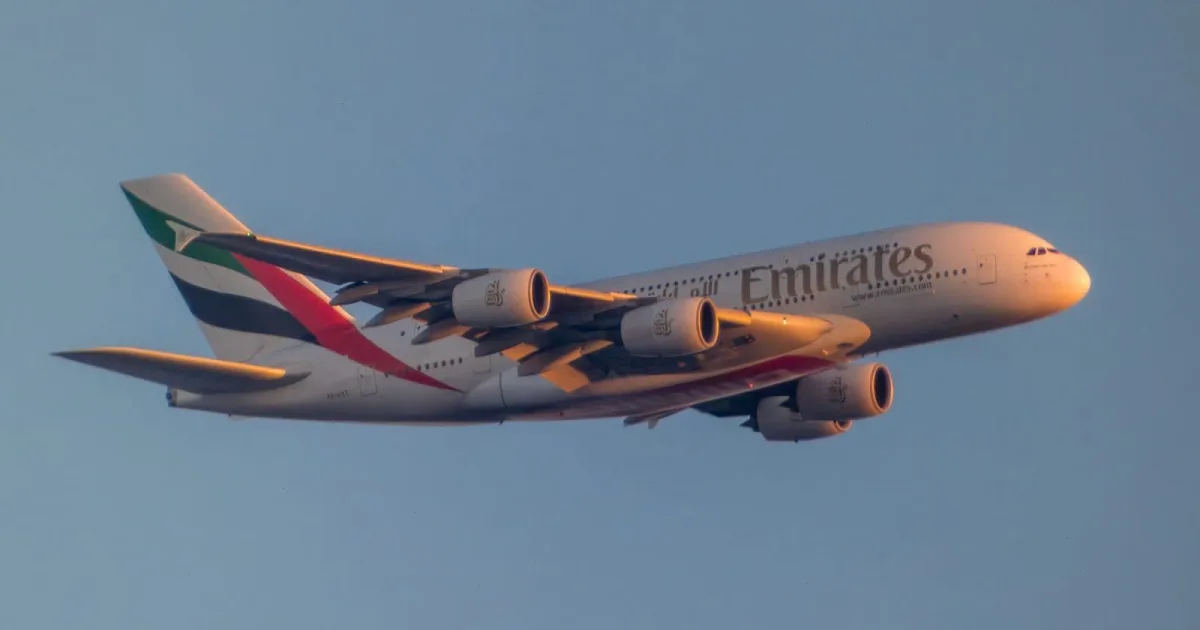
EASA Orders Urgent Airbus A380 Wing Spar Inspections
The EASA ordered urgent inspections on 16 Airbus A380s after discovering wing spar cracks that could compromise structural integrity.
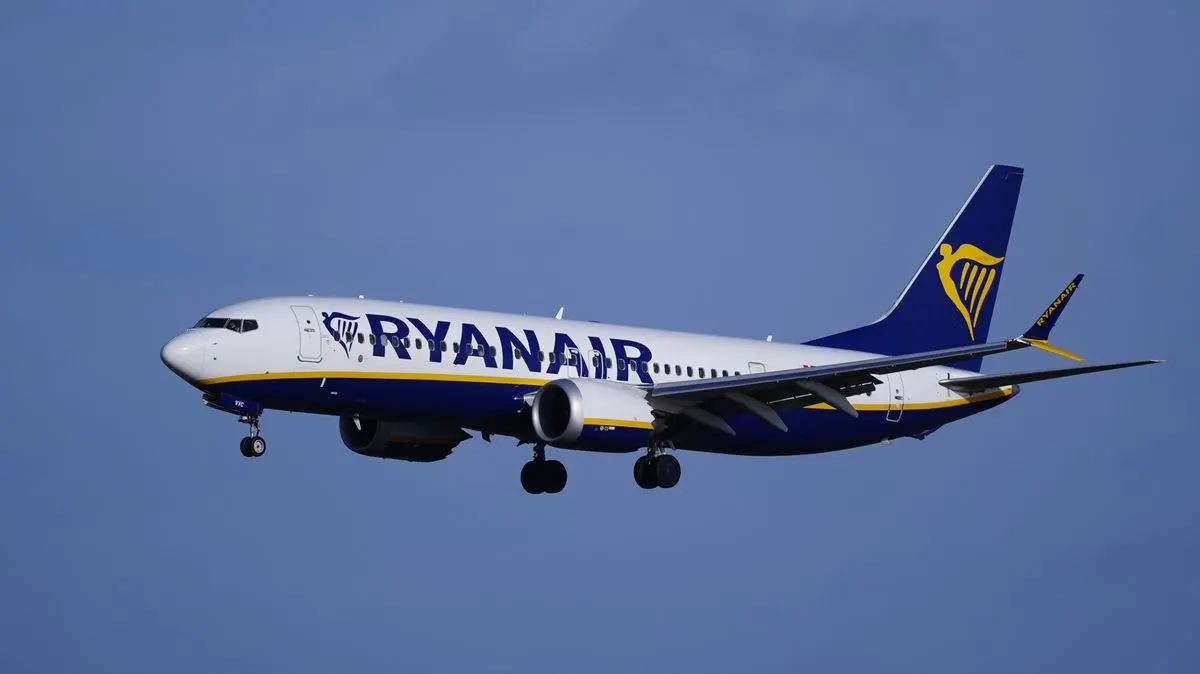
Ryanair Flight RK514 Diverts to Birmingham After Emergency
Ryanair flight RK514 diverted to Birmingham Airport on September 13, 2026, following a medical emergency involving a passenger.