HP-1859 Crashes, All 10 Rescued Off Florida Coast

Co-Founder & CEOAviation News Editor delivering trusted coverage across the global aviation industry.

A Beechcraft 300 King Air crashed off the Florida coast; all 10 occupants were rescued by the U.S. Coast Guard in a coordinated international operation.
Key Takeaways
- •Beechcraft 300 King Air (HP-1859) ditched off Florida's coast.
- •U.S. Coast Guard rescued all 10 occupants; 3 sustained injuries.
- •Multi-agency SAR involved Bahamian and U.S. authorities.
- •Bahamas AAIA is leading the official accident investigation.
A Beechcraft 300 King Air crash off the coast of Florida on Tuesday ended in a successful rescue of all ten people on board. The incident involved aircraft HP-1859, which was en route from Leonard Thompson International Airport in Marsh Harbour, Abaco, to Grand Bahama International Airport. The successful Bahamas Fort Pierce rescue was led by the U.S. Coast Guard (USCG), highlighting a significant USCG aviation rescue Florida operation. The AAIA Bahamas investigation is now underway to determine the cause of the in-flight emergency.
The Panamanian-registered aircraft declared an emergency to air traffic control shortly before noon, after which communication was lost. This prompted a large-scale search and rescue mission involving multiple agencies from both the Bahamas and the United States. The downed aircraft was located approximately 80 miles off the coast of Fort Pierce, Florida. According to the U.S. Coast Guard, all 10 occupants were recovered from the water, with three sustaining injuries that required medical attention.
A Coordinated International Rescue
The response was initiated after air traffic controllers in Freeport and Nassau activated emergency protocols. The alert was sent to the Royal Bahamas Defence Force (RBDF), the Royal Bahamas Police Force (RBPF), the Bahamas Air Sea Rescue Association (BASRA), and the USCG. The successful outcome demonstrates a high level of cross-border interoperability in the Florida Straits, a key trend in regional maritime rescue coordination.
According to an official statement from the Aircraft Accident Investigation Authority (AAIA) of the Bahamas, "While en route, the pilot in command declared an emergency with air traffic control, and there was a subsequent loss of communication." The USCG Southeast division confirmed the rescue through its official channels, stating all individuals were accounted for and transferred to emergency medical services for evaluation.
The operation involved significant assets from U.S. Coast Guard District 7, which deployed both aviation and maritime units. For volunteer organizations like BASRA, the incident triggered well-rehearsed emergency notification and coordination procedures, showcasing the depth of the regional safety network.
Investigation and Regulatory Oversight
The AAIA is leading the formal investigation into the crash of HP-1859. Under the guidelines of ICAO Annex 13 (Aircraft Accident and Incident Investigation), the Bahamas serves as the State of Occurrence. The investigation will involve coordination with the U.S. National Transportation Safety Board (NTSB), as the state of the aircraft's design and manufacture, and authorities in Panama, the aircraft's State of Registry.
Investigators will examine the aircraft's maintenance records, the pilot's flight history, and any available flight data to determine the cause of the emergency. The inquiry will also review whether the flight was operating under Part 135 (charter) or Part 91 (private) rules, which dictate different operational and maintenance standards. Some aviation safety advocates have noted that older turboprop aircraft like the King Air are often not required to carry flight data recorders (FDRs), which can complicate accident investigations.
Historical Context and Technical Analysis
This incident adds to a history of general aviation emergencies in the heavily trafficked corridor between the Bahamas and Florida. In January 1996, a Cessna 310R crashed near Fort Pierce after departing from Freeport, Bahamas, due to engine failure, with the occupants surviving. Conversely, a March 2008 crash of a Mooney M20C on a similar route resulted in two fatalities. The successful ditching and 100% survival rate of the HP-1859 incident highlight the high survivability of controlled water landings in modern turboprops when combined with rapid and effective search and rescue.
The Beechcraft 300 King Air is a reliable twin-engine turboprop known for its performance. The successful outcome of this ditching will likely be studied for its lessons on crew resource management, emergency procedures, and passenger survivability.
What Comes Next
According to the AAIA, the investigation is in its initial phase. A preliminary report outlining the basic facts of the accident is expected to be published by June 2026. The full, final report, which will include a probable cause and any safety recommendations, is anticipated by May 2027, pending the complexity of the investigation. Details from the USCG and other responding agencies can typically be found via the official U.S. Coast Guard Newsroom.
Why This Matters
This event serves as a critical case study in modern aviation safety and international cooperation. The 100% survival rate underscores the effectiveness of current ditching procedures and aircraft design, while the seamless multi-agency response provides a blueprint for successful cross-border search and rescue operations. For investigators, the incident will provide valuable data on turboprop performance during in-flight emergencies over water.
Frequently Asked Questions
- What happened to the aircraft HP-1859?
- The Beechcraft 300 King Air, registered as HP-1859, experienced an in-flight emergency and ditched in the Atlantic Ocean off the coast of Fort Pierce, Florida, on May 12, 2026. All ten people on board were successfully rescued.
- Which agencies were involved in the rescue of the HP-1859 passengers?
- The search and rescue was a coordinated international effort led by the U.S. Coast Guard, with alerts and support from the Royal Bahamas Defence Force, Royal Bahamas Police Force, and the Bahamas Air Sea Rescue Association (BASRA).
- Who is investigating the Beechcraft King Air crash?
- The Aircraft Accident Investigation Authority (AAIA) of the Bahamas is leading the investigation, as per international protocols. They will coordinate with the U.S. NTSB and Panamanian authorities, representing the state of manufacture and registry, respectively.
From airline operations to fleet updates, commercial aviation news lives at omniflights.com. For reporting on UAP sightings, investigations, and aviation-related encounters, see the UAPs section at omniflights.com/uaps.
Written by Hardik Vishwakarma
Co-Founder & Aviation News Editor leading initiatives that improve trust and visibility across the global aviation industry. Covers airlines, airports, safety, and emerging technology.
Visit ProfileYou Might Also Like
Discover more aviation news based on similar topics

Families Demand DCA Midair Collision Safety Reforms
Families of 67 victims from the 2025 DCA midair collision are pressing Congress for mandatory ADS-B In technology to prevent future aviation tragedies.
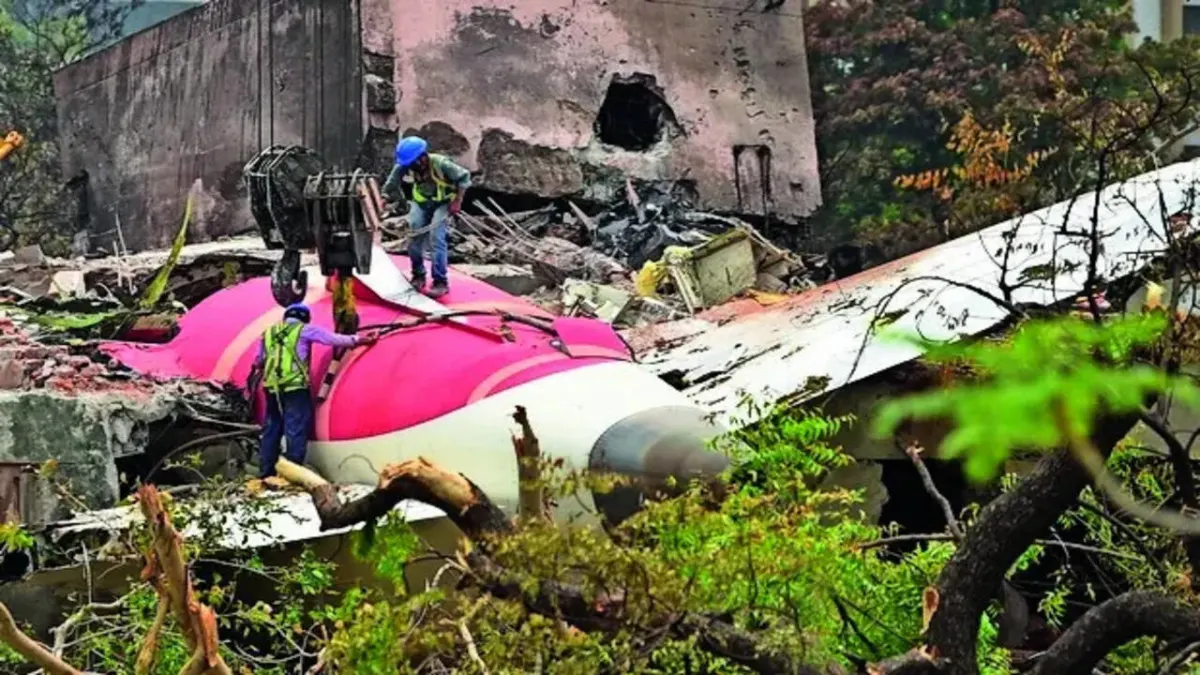
FAS Challenges AAIB Over Boeing 787 Safety Data
The Foundation for Aviation Safety is urging the AAIB to issue safety warnings for the Boeing 787 fleet following the fatal Air India 171 crash.
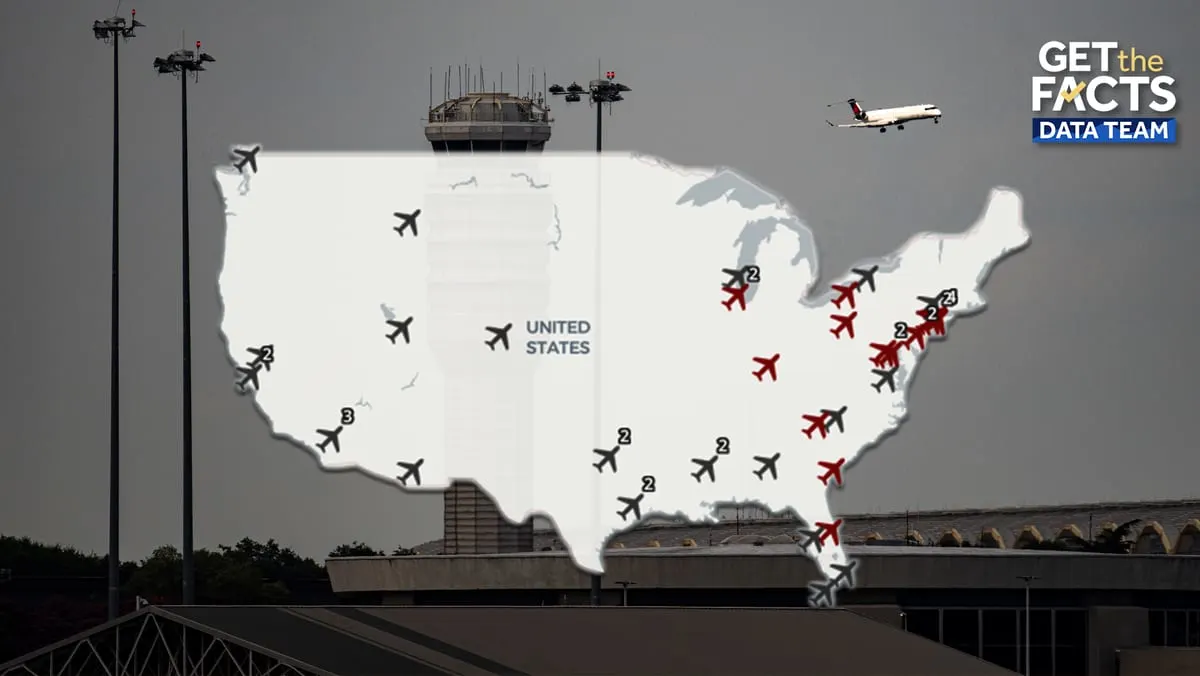
NTSB Safety Recommendations Lag Amid 6 Monthly Near-Misses
Approximately 6 near-miss incidents occur monthly at U.S. airports as 270 NTSB safety recommendations remain unaddressed by federal regulators.
NTSB Rejects FAA Safety Responses After 67-Fatality Crash
The NTSB labeled 11 FAA responses to 2025 DCA mid-air collision recommendations as unacceptable, citing the lack of a mandatory ADS-B In requirement.
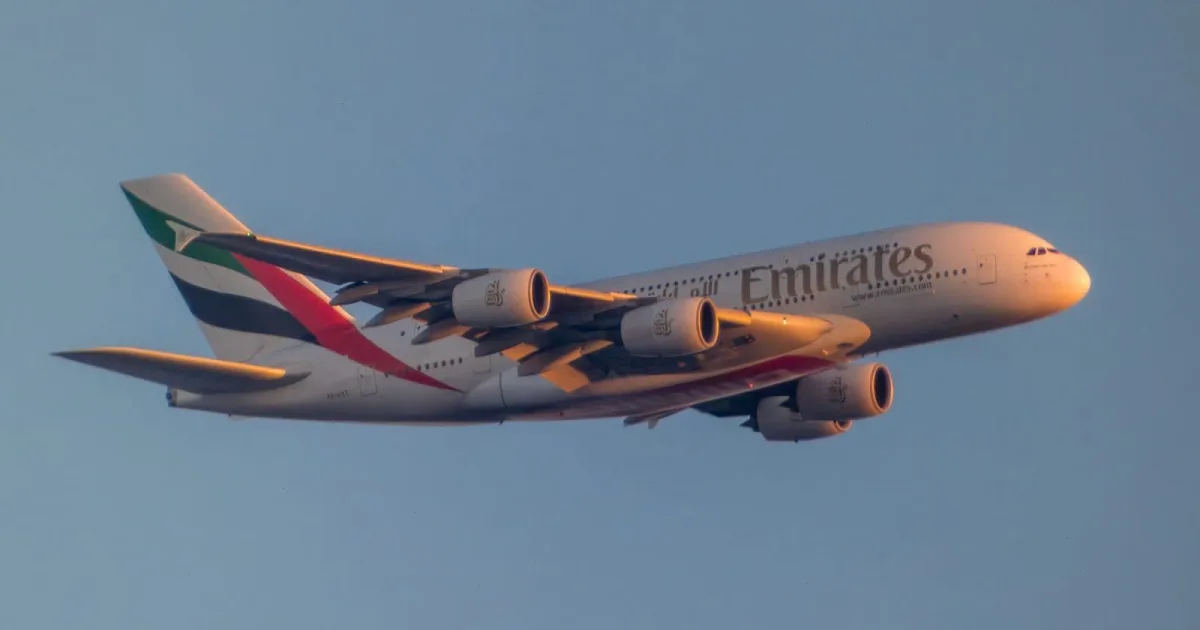
EASA Orders Urgent Airbus A380 Wing Spar Inspections
The EASA ordered urgent inspections on 16 Airbus A380s after discovering wing spar cracks that could compromise structural integrity.
Ryanair Flight RK514 Diverts to Birmingham After Emergency
Ryanair flight RK514 diverted to Birmingham Airport on September 13, 2026, following a medical emergency involving a passenger.