FAA Clarifies Curling Iron Rules After Viral Video

Co-Founder & CEOAviation News Editor delivering trusted coverage across the global aviation industry.
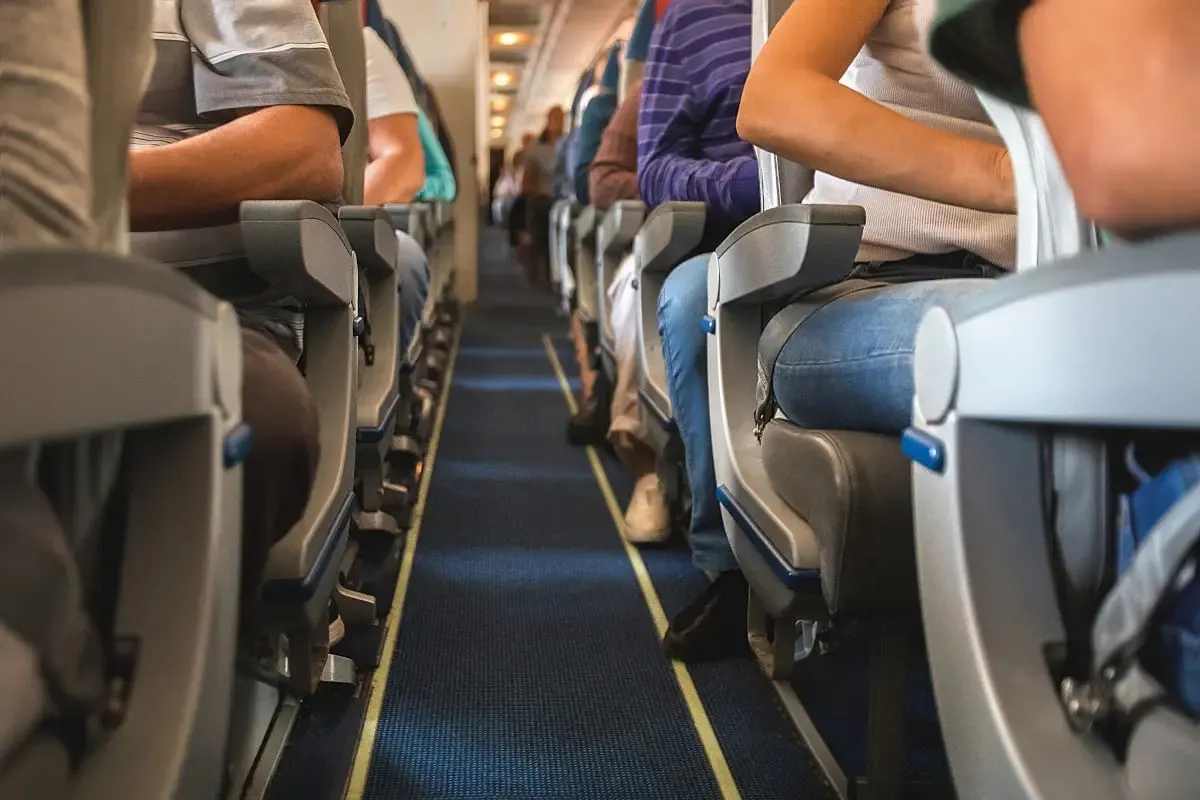
A viral 'air curling' video has highlighted strict FAA and TSA curling iron rules, which limit butane models and in-flight use due to fire risks.
Key Takeaways
- •Viral 'air curling' video highlights in-flight fire safety risks.
- •FAA rules limit butane curling irons to one per person in carry-on.
- •In-seat power outlets (75-110W) are too weak for most corded irons.
- •TSA banned cordless gas irons from checked bags in August 2025.
A recent viral video showing a passenger attempting air curling mid-flight has ignited a debate over in-flight etiquette and safety, prompting a closer look at both TSA curling iron rules and overarching FAA flight safety regulations. While the act may seem like a clever use of travel time, it underscores a critical distinction in aviation safety: the difference between what is permitted for transport in luggage and what is safe to operate within a pressurized aircraft cabin. The incident brings into focus the specific hazards associated with heat-producing personal devices and the limitations of in-flight power outlets.
The core issue stems from the significant fire and burn risk posed by hair styling tools. Federal regulations, designed to mitigate such dangers, are precise. The Transportation Security Administration (TSA) permits standard corded curling irons in both carry-on and checked baggage. However, the rules for cordless models, particularly those powered by butane or gas cartridges, are far more stringent. These devices are classified as hazardous materials and are subject to strict controls to prevent accidental activation and potential fires, especially in the cargo hold.
Regulatory Framework and Restrictions
According to the Federal Aviation Administration (FAA), regulations outlined in the Code of Federal Regulations (CFR) specifically address these devices. 49 CFR 175.10(a)(6) limits passengers to a single cordless curling iron containing a gas cartridge in their carry-on baggage. Critically, the device must have a safety cover securely fitted over the heating element to prevent accidental activation. Refill cartridges are not permitted in either checked or carry-on luggage.
Reinforcing these measures, the TSA updated its Prohibited Items List in August 2025, explicitly banning all cordless curling irons and flat irons with butane or gas cartridges from checked luggage. This move aligns with similar prohibitions on other devices with fire risks, such as e-cigarettes. The official guidance can be found on the TSA's 'What Can I Bring?' database, which serves as a primary resource for passengers.
The restrictions are rooted in historical precedents where personal electronics posed significant in-flight threats. The complete ban of the Samsung Galaxy Note 7 in October 2016, following incidents of thermal runaway, demonstrated the swift and decisive action regulators will take against fire risks. Similarly, the 2015 FAA ban on vape pens in checked baggage established a clear pattern of isolating potential fire sources from the inaccessible cargo hold, a principle now applied to butane-powered hair tools.
Technical Limitations and Cabin Safety
Even for permitted corded curling irons, in-flight use is impractical and unsafe. The primary technical barrier is the power limitation of aircraft cabin electrical systems. Standard in-seat AC power outlets are designed for low-draw devices like laptops and phones and are typically capped at 75 to 110 watts. This is often insufficient for heat-producing appliances.
Power Consumption: In-Flight Outlets vs. Curling Irons
| Metric | Typical In-Seat AC Outlet | Standard Corded Curling Iron |
|---|---|---|
| Power Output | 75W - 110W | 120W - 400W |
Attempting to use a device that exceeds the wattage limit can trip the circuit breaker for an entire seat row, creating a nuisance for other passengers and a workload for the cabin crew. More importantly, the use of any high-heat device in a confined space presents a direct burn hazard to the user and adjacent passengers and increases the risk of fire. The FAA provides detailed guidance for passengers on what is safe to fly with on its PackSafe portal for hazardous materials.
Industry Impact and Passenger Perspectives
The rise of viral social media trends showcasing unconventional "travel hacks" presents an ongoing challenge for airlines and flight crews. According to industry analysis, these trends increasingly test the boundaries of passenger etiquette and safety protocols. This places a greater burden on flight attendants, who must monitor the cabin for unauthorized and potentially hazardous activities. While airlines have broad authority under their contracts of carriage to prohibit behavior that endangers the flight, these viral videos force a more reactive, rather than proactive, enforcement stance.
From a different viewpoint, some passengers argue that in-flight time is an opportunity for productivity, including personal grooming. As cited by social media commentators, the perspective is often that if an item is cleared through security, its use should be permissible. This highlights a disconnect between passenger expectations of convenience and the stringent, risk-averse nature of aviation safety regulations.
Why This Matters
The "air curling" trend is more than a fleeting social media moment; it serves as a critical reminder of the robust safety layers that govern air travel. It illustrates the tension between modern passenger habits, shaped by a desire for convenience and connectivity, and the non-negotiable physics of fire risk in a pressurized aluminum tube at 35,000 feet. For the industry, it reinforces the need for continuous passenger education on hazardous materials and the importance of respecting the technical and safety limitations of the aircraft cabin environment.
Frequently Asked Questions
- Can you use a curling iron on a plane?
- No. While corded curling irons are allowed in bags, most exceed the 75-110 watt limit of in-seat power outlets. Using any heat-producing device mid-flight is generally prohibited by airlines due to significant fire and burn risks in the confined cabin.
- What are the TSA rules for bringing a curling iron on a plane in 2026?
- The TSA allows corded electric curling irons in both carry-on and checked bags. However, cordless curling irons with butane gas cartridges are restricted to one per person in carry-on bags only, and they must have a safety cover. As of an August 2025 rule update, these gas-powered irons are banned from checked luggage entirely.
- Why are butane curling irons restricted on flights?
- Butane curling irons are restricted due to fire risk. The flammable gas cartridge and heating element pose a hazard, especially in the cargo hold where a fire could go undetected. This is why the FAA limits them to carry-on bags with safety covers and why they were banned from checked luggage.
Stay ahead of the airline industry with commercial aviation news from omniflights.com. Follow aviation sustainability efforts, emissions research, and green initiatives in the Environmental section at omniflights.com/environmental.
Written by Hardik Vishwakarma
Co-Founder & Aviation News Editor leading initiatives that improve trust and visibility across the global aviation industry. Covers airlines, airports, safety, and emerging technology.
Visit ProfileYou Might Also Like
Discover more aviation news based on similar topics
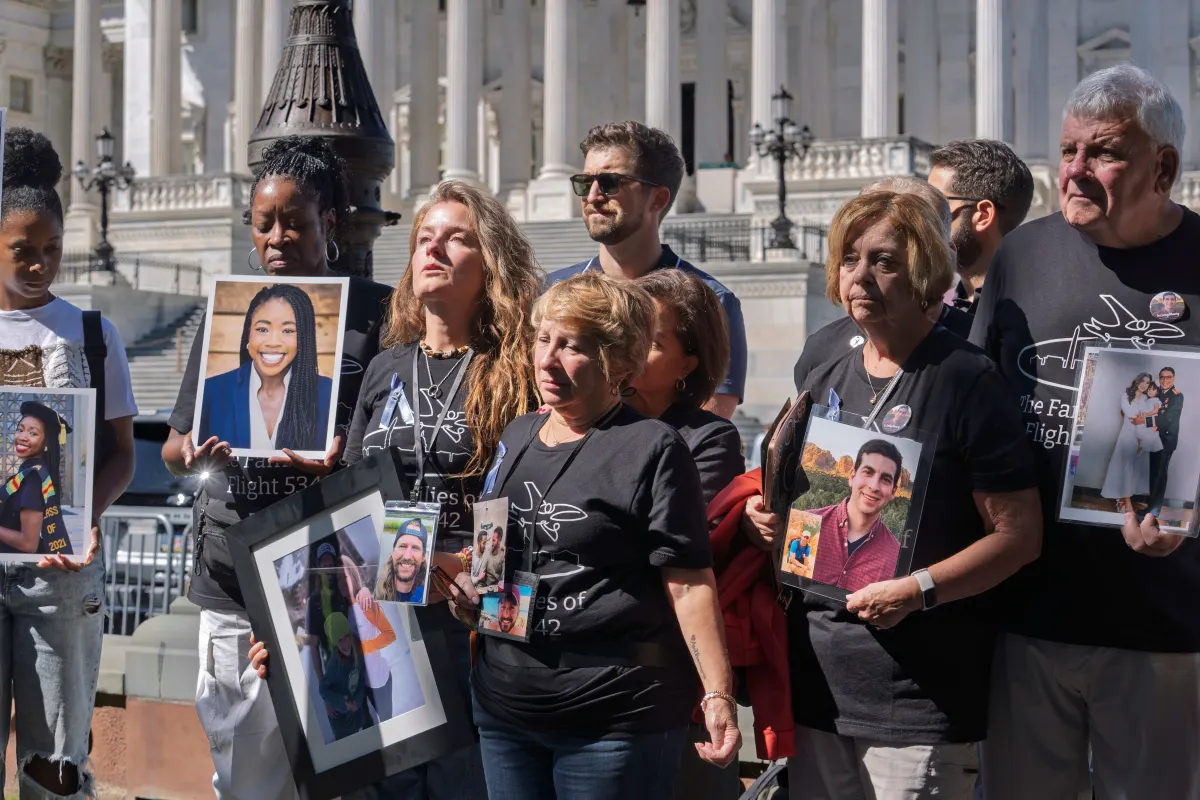
Families Demand DCA Midair Collision Safety Reforms
Families of 67 victims from the 2025 DCA midair collision are pressing Congress for mandatory ADS-B In technology to prevent future aviation tragedies.
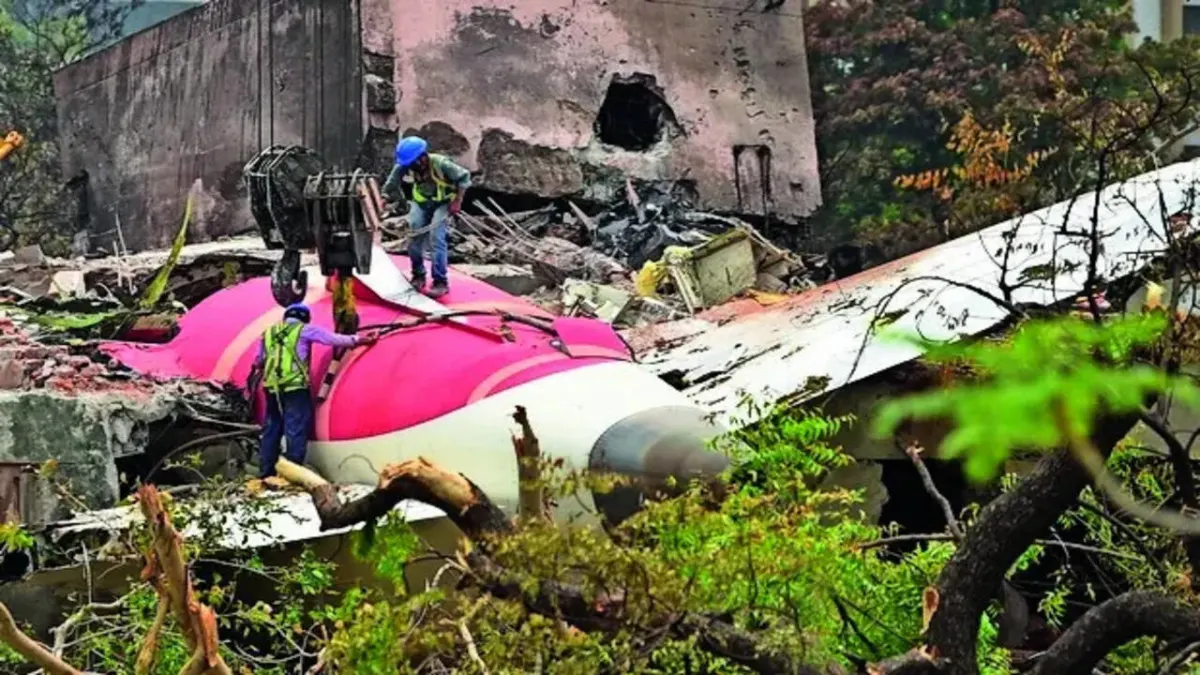
FAS Challenges AAIB Over Boeing 787 Safety Data
The Foundation for Aviation Safety is urging the AAIB to issue safety warnings for the Boeing 787 fleet following the fatal Air India 171 crash.
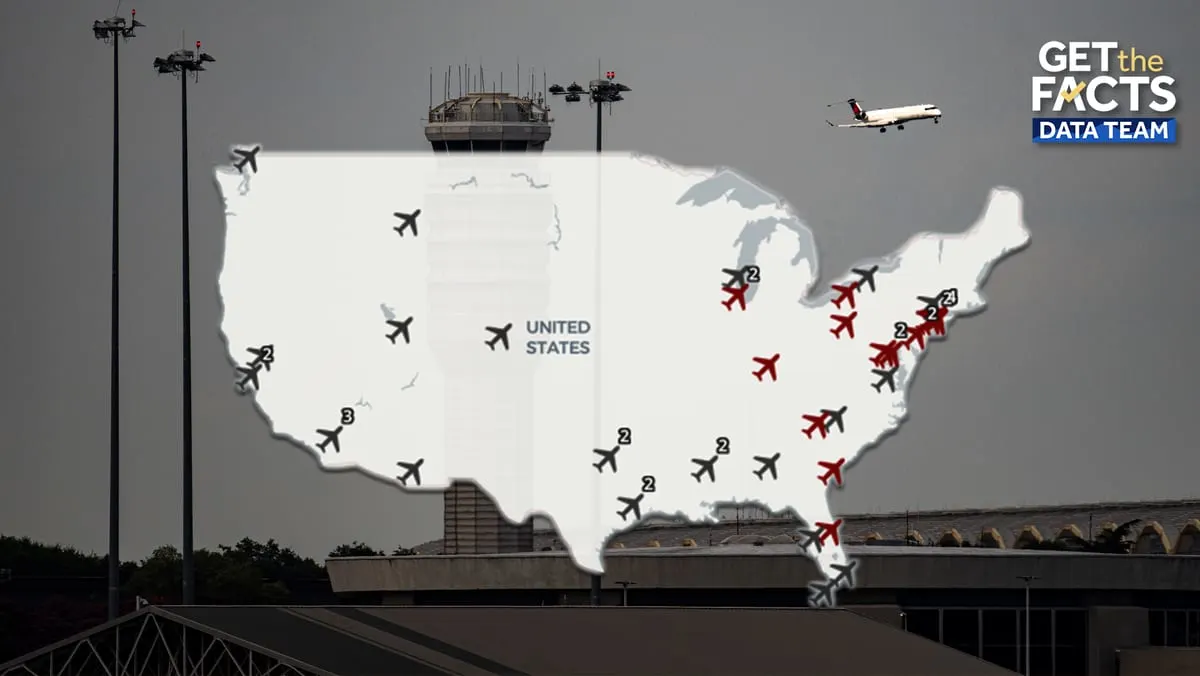
NTSB Safety Recommendations Lag Amid 6 Monthly Near-Misses
Approximately 6 near-miss incidents occur monthly at U.S. airports as 270 NTSB safety recommendations remain unaddressed by federal regulators.
NTSB Rejects FAA Safety Responses After 67-Fatality Crash
The NTSB labeled 11 FAA responses to 2025 DCA mid-air collision recommendations as unacceptable, citing the lack of a mandatory ADS-B In requirement.
EASA Orders Urgent Airbus A380 Wing Spar Inspections
The EASA ordered urgent inspections on 16 Airbus A380s after discovering wing spar cracks that could compromise structural integrity.
Ryanair Flight RK514 Diverts to Birmingham After Emergency
Ryanair flight RK514 diverted to Birmingham Airport on September 13, 2026, following a medical emergency involving a passenger.