Etihad EY343 Returns to Gate in Chennai After Tech Issue

Co-Founder & CEOAviation News Editor delivering trusted coverage across the global aviation industry.
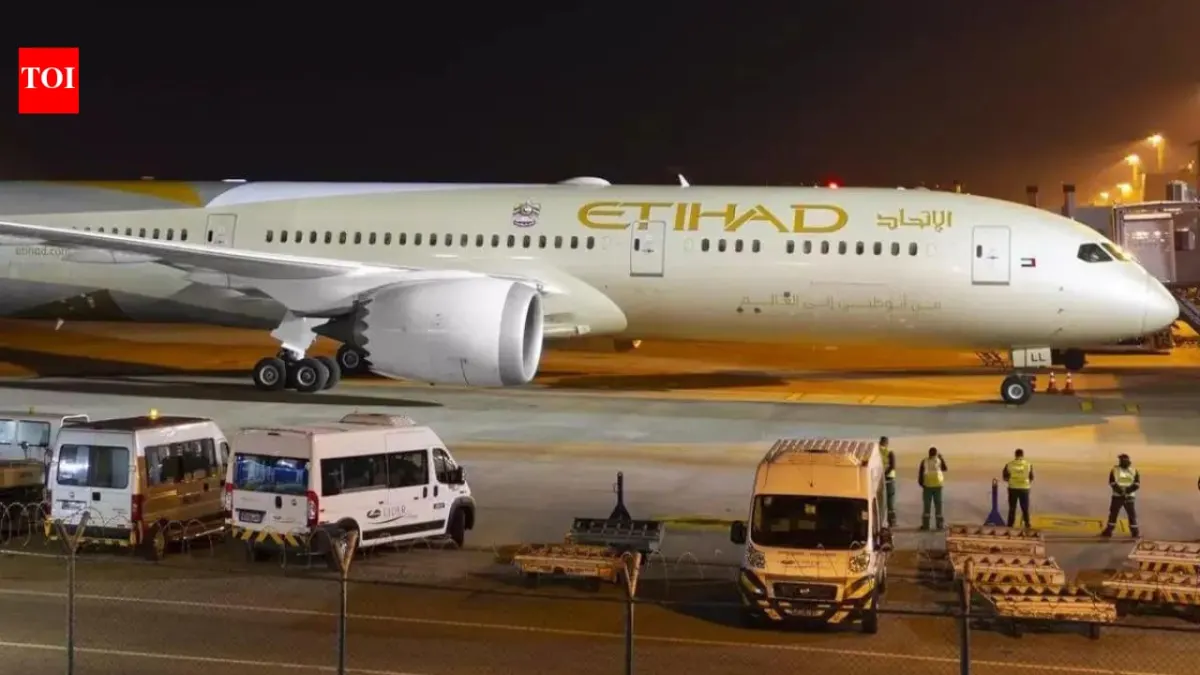
Etihad Airways flight EY343 from Chennai to Abu Dhabi returned to the gate due to a technical issue, not a fire as initially reported.
Key Takeaways
- •Etihad EY343 returned to gate in Chennai due to a technical issue.
- •Airline refutes initial media reports of a fire on the aircraft.
- •The incident resulted in an approximate three-hour delay for passengers.
- •Emergency services were deployed as a standard safety precaution.
An Etihad Airways flight cancellation was avoided on May 12, 2026, after an aircraft operating a Chennai to Abu Dhabi flight returned to the gate due to a technical fault. The airline has since clarified that initial reports of a fire onboard were incorrect. The incident involved flight Etihad EY343, which experienced an Etihad EY343 technical issue shortly before its scheduled departure from Chennai International Airport (MAA).
Passengers on the flight, operated by an Airbus A320-232, experienced a delay of approximately three hours. The disruption occurred after the crew identified a technical problem, later reported to be a hydraulic leak, prompting a return to the parking stand for inspection. Etihad Airways issued a statement to address widespread misinformation, which had originated from a report by the Press Trust of India (PTI) alleging a fire on the aircraft's left wing.
In their official communication, Etihad stated, "Contrary to some media reports, there was no fire onboard the aircraft. The aircraft returned to stand due to a technical issue." The airline confirmed that the deployment of airport emergency services was a precautionary measure. "Emergency services were activated as a precautionary measure, based on the Chennai International Airport (MAA) safety protocols," the statement added. This action is consistent with regulations overseen by India's Directorate General of Civil Aviation (DGCA).
Background and Industry Context
The incident highlights two significant trends in modern aviation: the challenge of managing misinformation and the industry's strict adherence to precautionary safety measures. The initial, incorrect report of a fire spread rapidly, underscoring the difficulty airlines face in controlling the narrative during operational disruptions. Aviation safety analysts note that media outlets often prioritize speed over accuracy, which can lead to unnecessary public concern.
This event also serves as a case study in standard operating procedures. The decision to ground the aircraft, a status known as Aircraft on Ground (AOG), for a technical evaluation aligns with a growing industry trend to prioritize safety over on-time performance. Rather than risk dispatching an aircraft with an unresolved fault, carriers increasingly opt for thorough inspections.
The response mirrors a similar event in July 2020, involving Lufthansa Flight LH-2004. In that case, an Airbus A319 crew received a false engine fire warning, rejected takeoff, and returned to the apron. The passengers were accommodated on a replacement aircraft. This historical precedent demonstrates that a return-to-gate action for any suspected fire or significant technical fault is a standard, well-practiced safety protocol.
Stakeholders affected by the EY343 incident include the passengers, who faced a significant delay and potential missed connections at Etihad's hub in Zayed International Airport (AUH). For the airline, the event incurred operational costs related to the delay, maintenance checks, and potential passenger compensation. The airport's Aircraft Rescue and Firefighting (ARFF) resources were also briefly deployed, a routine but resource-intensive action.
Airbus A320-200 vs Boeing 737-800
The aircraft involved, an Airbus A320-200, is one of the most common single-aisle jets in service. Its operational parameters are often compared to its main competitor, the Boeing 737-800.
| Metric | Airbus A320-200 | Boeing 737-800 |
|---|---|---|
| Typical 2-Class Seating | 150 | 162 |
| Maximum Range | 3,300 nmi | 2,935 nmi |
| Engine Options | CFM56 or IAE V2500 | CFM56-7B only |
Technical Analysis
The Etihad EY343 incident is less a story of a technical failure and more a demonstration of safety systems functioning as designed. The flight crew's decision to return to the gate for a hydraulic issue, followed by the airport's precautionary emergency response, reflects a mature and robust safety culture. The core of this event is the significant gap between a routine technical diversion and the initial, sensationalized reports of a fire. This highlights a persistent challenge for the aviation industry: in an information vacuum, even minor operational issues can be misrepresented, causing undue alarm. The data from Flightradar24's flight history confirms a delay, not a catastrophic event, reinforcing that procedural caution is the norm.
What Comes Next
Following the technical inspection and any necessary repairs by Etihad Engineering, the Airbus A320-232 involved in the incident is expected to return to service. The aircraft's airworthiness must be re-certified before it can operate commercial flights again, a process overseen by both the airline's maintenance division and potentially the DGCA. Based on the nature of the reported fault, the aircraft was expected to be back in operation by May 13, 2026, minimizing its impact on Etihad's fleet schedule.
Why This Matters
This incident underscores the effectiveness of modern aviation safety protocols, where even the potential for a technical issue prompts a conservative, safety-first response. For the industry, it reinforces the critical need for rapid and accurate communication to counteract misinformation that can damage public trust. For passengers, it serves as a reminder that while delays are inconvenient, they are often the result of an uncompromising commitment to safety.
Frequently Asked Questions
- What was the actual cause of the Etihad EY343 incident in Chennai?
- The Etihad flight EY343 returned to the gate at Chennai International Airport due to a technical issue, reportedly a hydraulic leak. The airline officially confirmed there was no fire onboard, contrary to initial media reports.
- What type of aircraft was involved in the Etihad flight EY343 delay?
- The flight from Chennai to Abu Dhabi was operated by an Airbus A320-232 aircraft. This single-aisle jet typically seats around 136 passengers in Etihad's two-class configuration.
- Why were emergency services deployed for a technical issue?
- Aircraft Rescue and Firefighting (ARFF) services were deployed as a standard precautionary measure mandated by safety protocols at Chennai International Airport. This is a routine procedure for any aircraft returning to the gate with a declared technical fault.
From airline operations to fleet updates, commercial aviation news lives at omniflights.com. From aircraft production to supply chains, commercial aviation manufacturing news is covered at omniflights.com/manufacturing.
Written by Hardik Vishwakarma
Co-Founder & Aviation News Editor leading initiatives that improve trust and visibility across the global aviation industry. Covers airlines, airports, safety, and emerging technology.
Visit ProfileYou Might Also Like
Discover more aviation news based on similar topics

Families Demand DCA Midair Collision Safety Reforms
Families of 67 victims from the 2025 DCA midair collision are pressing Congress for mandatory ADS-B In technology to prevent future aviation tragedies.
FAS Challenges AAIB Over Boeing 787 Safety Data
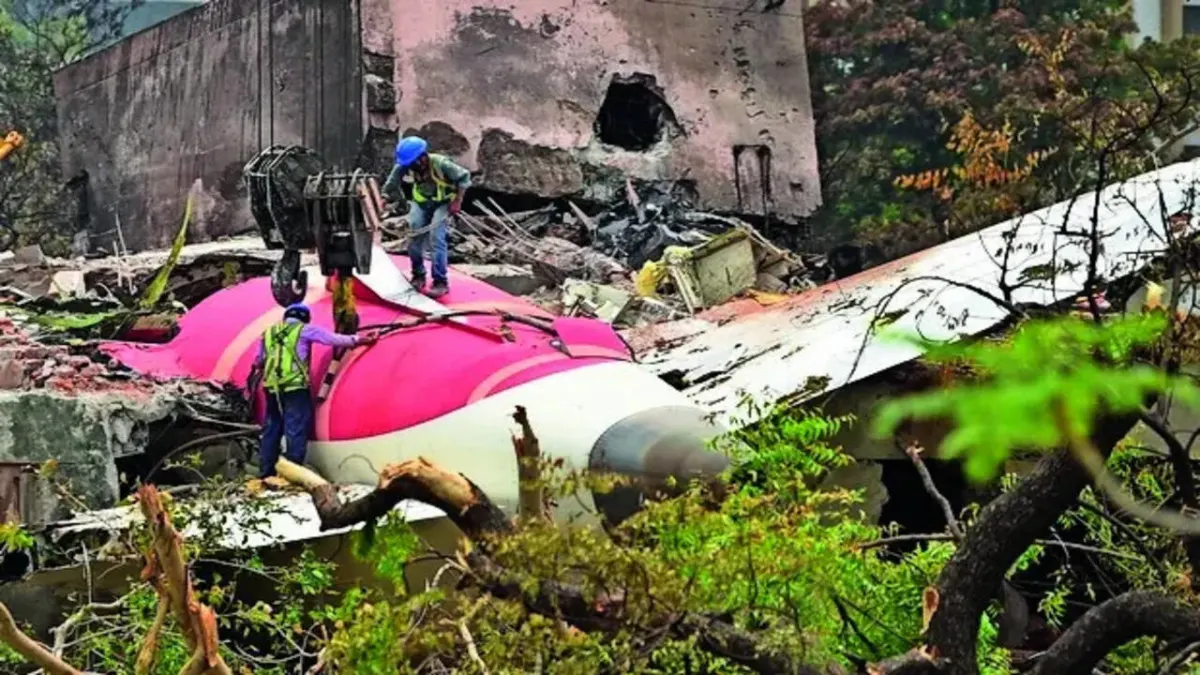
The Foundation for Aviation Safety is urging the AAIB to issue safety warnings for the Boeing 787 fleet following the fatal Air India 171 crash.
NTSB Safety Recommendations Lag Amid 6 Monthly Near-Misses
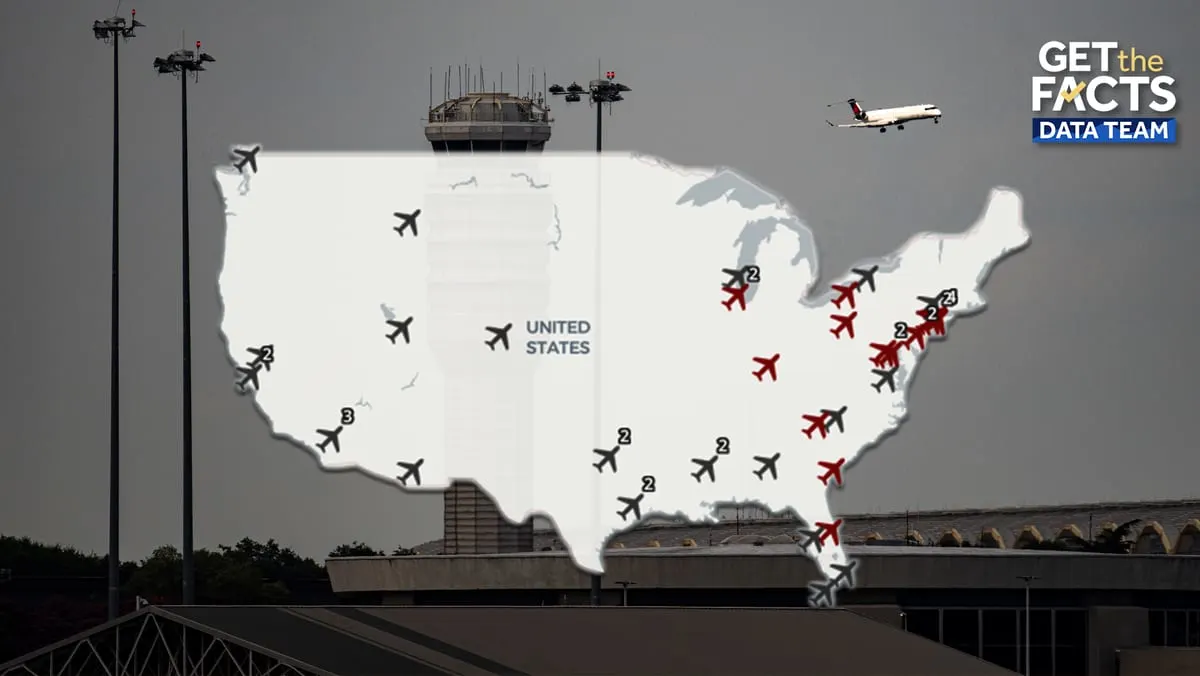
Approximately 6 near-miss incidents occur monthly at U.S. airports as 270 NTSB safety recommendations remain unaddressed by federal regulators.
NTSB Rejects FAA Safety Responses After 67-Fatality Crash
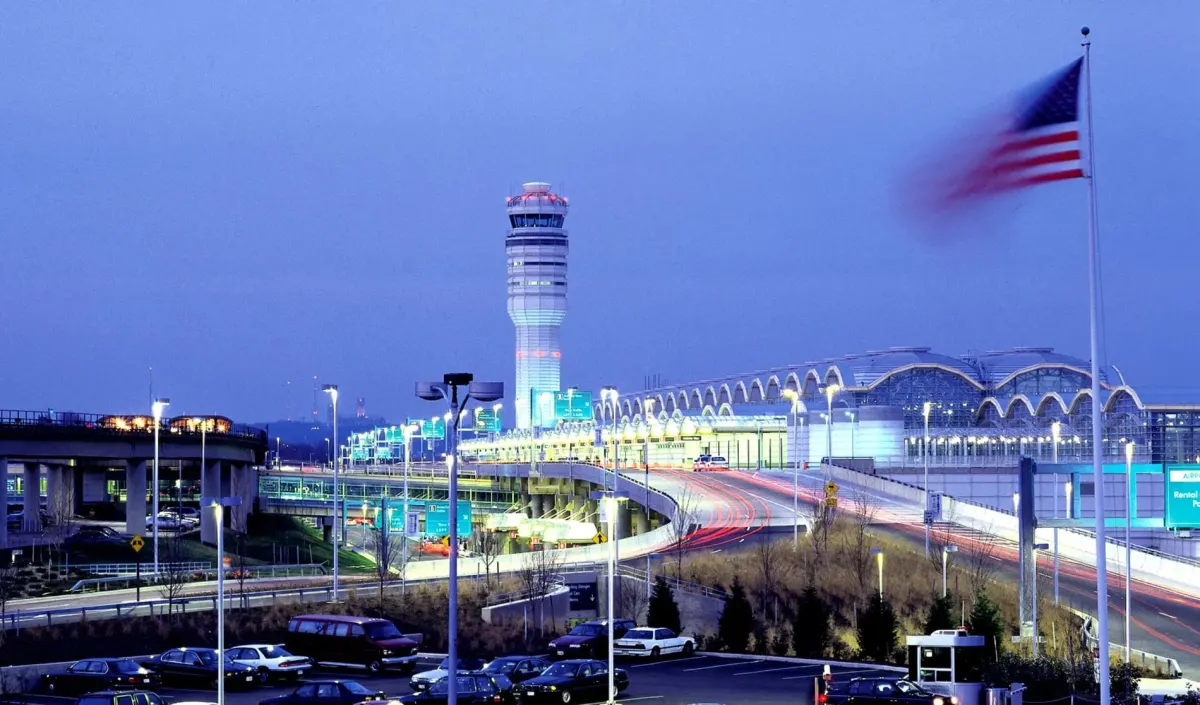
The NTSB labeled 11 FAA responses to 2025 DCA mid-air collision recommendations as unacceptable, citing the lack of a mandatory ADS-B In requirement.
EASA Orders Urgent Airbus A380 Wing Spar Inspections
The EASA ordered urgent inspections on 16 Airbus A380s after discovering wing spar cracks that could compromise structural integrity.
Ryanair Flight RK514 Diverts to Birmingham After Emergency
Ryanair flight RK514 diverted to Birmingham Airport on September 13, 2026, following a medical emergency involving a passenger.