QantasLink Dash 8 Lined Up on Runway Lights at Mildura

Co-Founder & CEOAviation News Editor delivering trusted coverage across the global aviation industry.
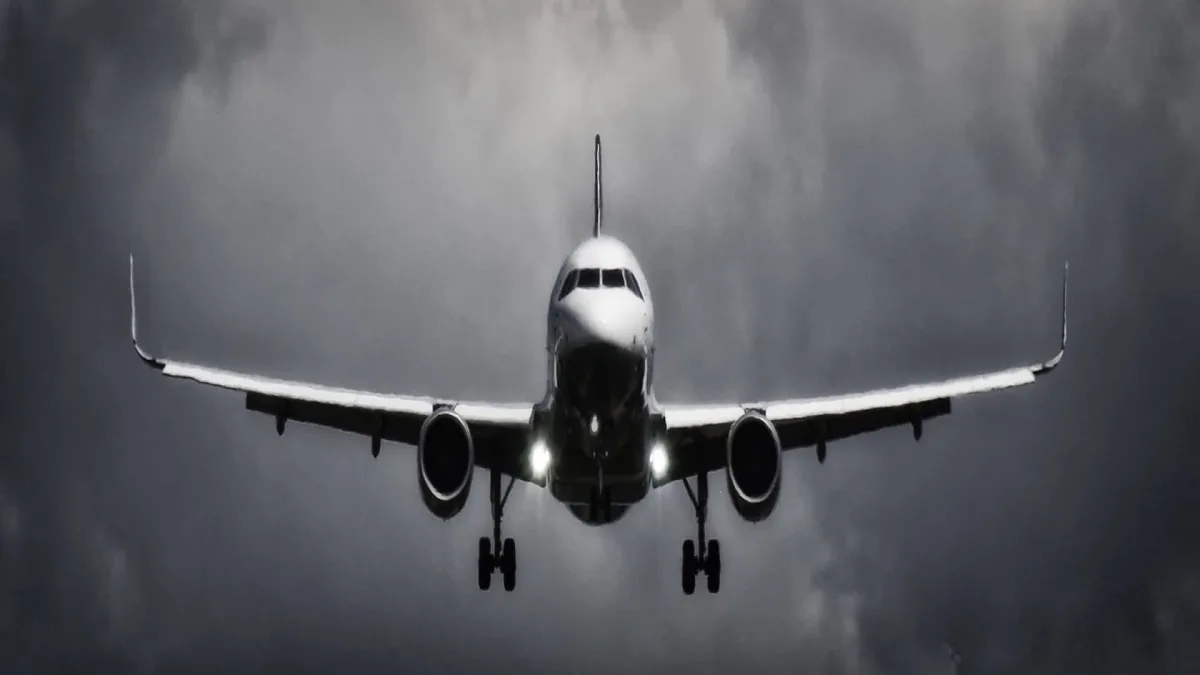
An ATSB report on a QantasLink Dash 8 incident at Mildura found the crew lined up on runway edge lights in the dark, damaging 5 lights.
Key Takeaways
- •ATSB report cites crew distraction in QantasLink Dash 8 incident.
- •Aircraft damaged 5 runway edge lights during take-off at Mildura.
- •Investigation highlights a pattern of similar incidents in dark conditions.
- •QantasLink issued new rules prohibiting checks during runway turns.
The Australian Transport Safety Bureau (ATSB) has released its final report, ATSB investigation AO-2025-008, into a serious incident involving a QantasLink Dash 8 at Mildura Airport. The investigation details how the aircraft inadvertently lined up with and struck runway edge lights during a take-off in dark conditions. The findings highlight the critical role of human factors, particularly crew distraction during pre-flight checks, in the Mildura Airport misaligned take-off.
The incident, which occurred on February 25, 2025, involved a QantasLink De Havilland Canada (DHC) DHC-8-315, registration VH-TQM. During the take-off roll before first light, the flight crew misaligned the aircraft with the runway, causing it to contact and damage five runway edge lights. The crew, unaware of the full extent of the misalignment, continued the flight to Melbourne, where they conducted a low pass for a visual inspection before landing without further incident.
Investigation Findings
According to the ATSB, a key contributing factor was the flight crew's focus on conducting internal checks while turning onto the runway. This diverted their attention from crucial external visual cues needed for correct alignment in the low-light environment. ATSB Director of Transport Safety, Kerri Hughes, emphasized this point, stating that dark ambient conditions consistently reduce visual cues and that pilots must carefully consider the timing of checks when external monitoring is critical.
The investigation also noted that the captain returned a positive result for an unprescribed medication above the permitted threshold. However, an assessment by an independent forensic pharmacologist, cited in the report, concluded that impairment was not expected given the dosage and time elapsed. The ATSB determined that the medication was unlikely to have been a contributing factor to the incident.
During the subsequent low pass at Melbourne to check for damage, the aircraft descended to a minimum of 134 feet above the ground, which was below the crew's briefed minimum safe altitude of 200 feet. This deviation was also noted in the final report as a procedural issue.
A Pattern of Misaligned Take-offs
The QantasLink Dash 8 incident is not an isolated event. The ATSB report places it within a broader context of similar occurrences across Australia. The bureau referenced its investigation (AO-2023-027) into three separate misaligned take-offs at Perth Airport between June 2023 and April 2024, all of which occurred before first light. This pattern suggests a systemic risk associated with night operations where runway lighting can be misinterpreted without sufficient external vigilance.
Historical precedents also exist for the specific operator and aircraft type. On February 11, 2009, a QantasLink DHC-8 at Townsville Airport also struck a runway edge light after the captain misaligned the aircraft during the take-off roll, as detailed in ATSB investigation AO-2009-007. These recurring events underscore the challenges crews face in maintaining situational awareness during ground operations in low visibility.
Operator and Airport Response
In response to the findings, QantasLink has taken concrete safety actions. The airline updated its Flight Crew Operating Manual (FCOM) and issued a safety alert to all pilots. According to the ATSB, the new procedure explicitly prohibits the conduct of checks during runway end turns, ensuring crews can dedicate their full attention to aligning the aircraft. This change directly addresses the primary contributing factor identified in the investigation. QantasLink flight crews will also undergo enhanced human factors and non-technical skills training.
Mildura Airport has also implemented changes, updating supporting documentation for the runway 09 starter extension to improve flight crew awareness of the airfield's layout.
Fleet Modernization Context
The incident involved a DHC-8-315, part of an older fleet that QantasLink is actively replacing. According to a Qantas Group fleet update, the airline is phasing out its 19 Q200 and Q300 aircraft in favor of a more unified and efficient fleet of DHC-8-400s, commercially known as the Q400. The airline is adding 14 additional Q400s, which will bring its total Q400 fleet to 45. This move is aimed at improving reliability and reducing operational complexity.
DHC-8-300 vs DHC-8-400 (Q400): Key Specifications
| Metric | DHC-8-300 | DHC-8-400 (Q400) |
|---|---|---|
| Capacity | 50 passengers | 74-78 passengers |
| Cruise Speed | 498 km/h (268 knots) | 667 km/h (360 knots) |
What Comes Next
The safety actions taken by QantasLink and Mildura Airport are now in effect. The broader fleet transition is ongoing, with the Qantas Group confirming that the complete phase-out of the older Q200 and Q300 turboprop fleet is expected by the end of 2026. The investigation by the ATSB under the Transport Safety Investigation Act 2003 is now closed.
Why This Matters
This incident serves as a critical case study on the persistence of human factors challenges in modern aviation. It underscores that even routine procedures like lining up for take-off can present significant risks without strict adherence to sterile cockpit principles and maintaining situational awareness. For the industry, it reinforces the need for continuous training on threats present in low-visibility ground operations and highlights how procedural drift can lead to serious safety events.
Frequently Asked Questions
- What caused the QantasLink Dash 8 to line up on runway lights?
- The Australian Transport Safety Bureau found the crew's focus on internal checks during a turn in dark conditions led to a loss of situational awareness, causing the misaligned take-off at Mildura Airport.
- How many runway lights were damaged in the Mildura Airport incident?
- The QantasLink DHC-8-315, registration VH-TQM, contacted and damaged five runway edge lights during its take-off roll on February 25, 2025.
- Has QantasLink changed procedures after the ATSB investigation?
- Yes, QantasLink issued a safety alert prohibiting flight crews from conducting checks during runway end turns to ensure their full attention is on external monitoring during this critical phase of flight.
omniflights.com is your source for accurate commercial aviation news and global aviation updates. Follow aviation sustainability efforts, emissions research, and green initiatives in the Environmental section at omniflights.com/environmental.
Written by Hardik Vishwakarma
Co-Founder & Aviation News Editor leading initiatives that improve trust and visibility across the global aviation industry. Covers airlines, airports, safety, and emerging technology.
Visit ProfileYou Might Also Like
Discover more aviation news based on similar topics

Families Demand DCA Midair Collision Safety Reforms
Families of 67 victims from the 2025 DCA midair collision are pressing Congress for mandatory ADS-B In technology to prevent future aviation tragedies.
FAS Challenges AAIB Over Boeing 787 Safety Data
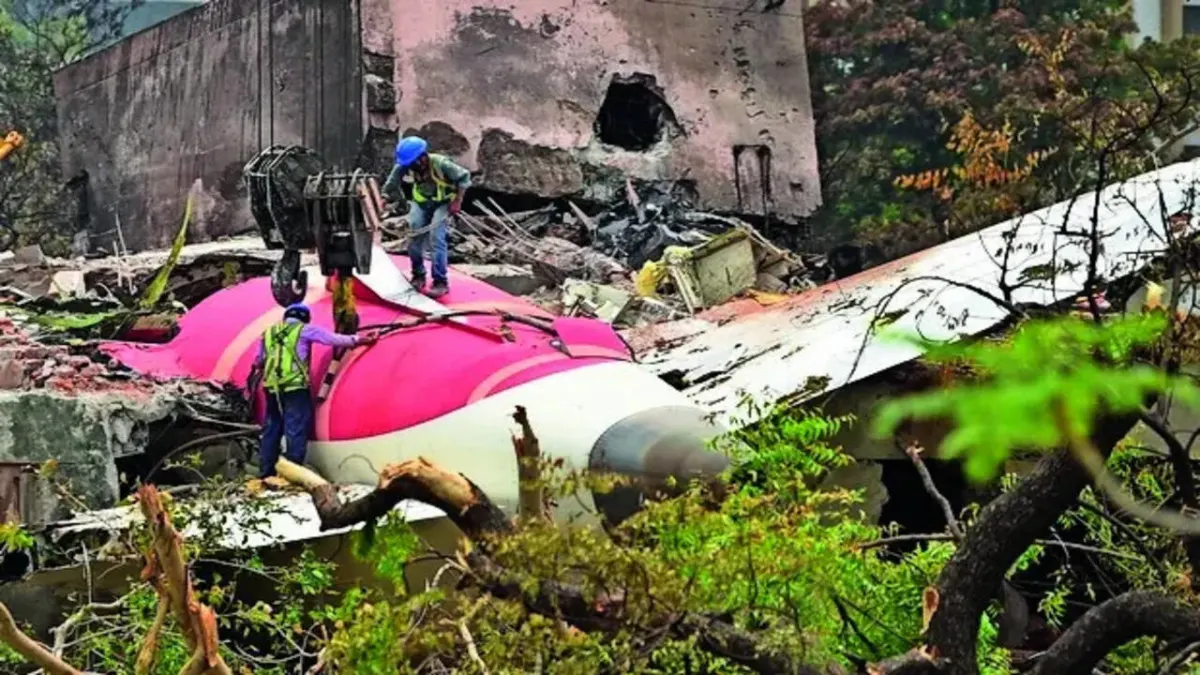
The Foundation for Aviation Safety is urging the AAIB to issue safety warnings for the Boeing 787 fleet following the fatal Air India 171 crash.
NTSB Safety Recommendations Lag Amid 6 Monthly Near-Misses
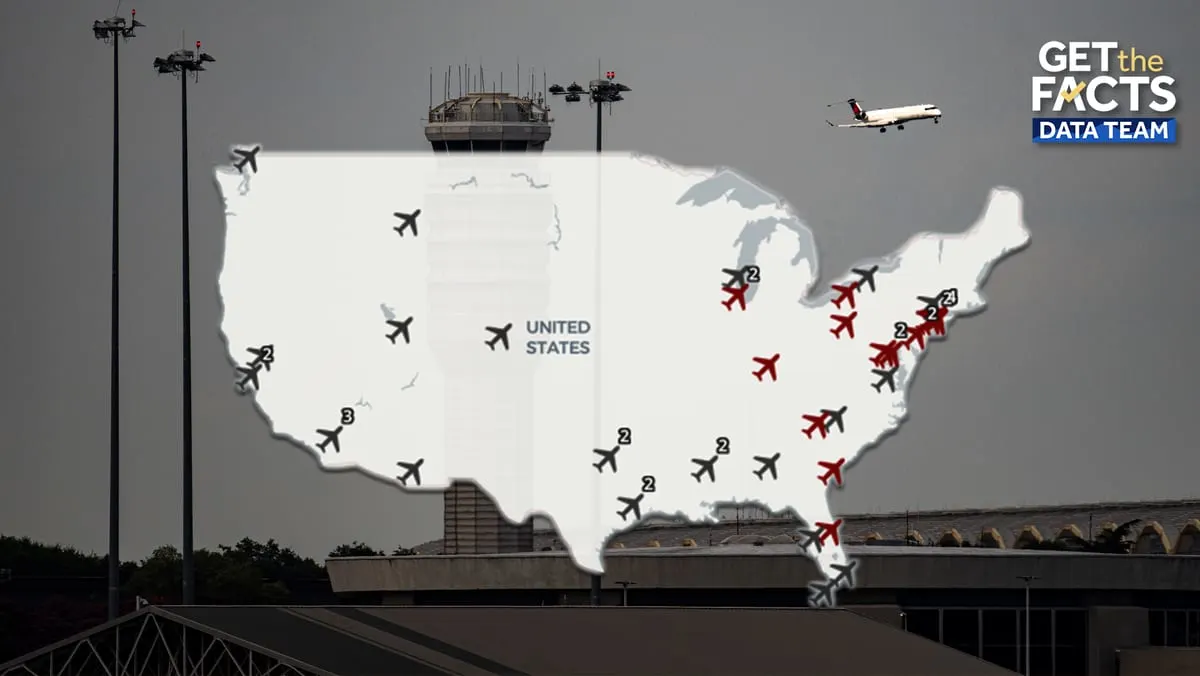
Approximately 6 near-miss incidents occur monthly at U.S. airports as 270 NTSB safety recommendations remain unaddressed by federal regulators.
NTSB Rejects FAA Safety Responses After 67-Fatality Crash
The NTSB labeled 11 FAA responses to 2025 DCA mid-air collision recommendations as unacceptable, citing the lack of a mandatory ADS-B In requirement.
EASA Orders Urgent Airbus A380 Wing Spar Inspections
The EASA ordered urgent inspections on 16 Airbus A380s after discovering wing spar cracks that could compromise structural integrity.
Ryanair Flight RK514 Diverts to Birmingham After Emergency
Ryanair flight RK514 diverted to Birmingham Airport on September 13, 2026, following a medical emergency involving a passenger.