Aircraft Production Hits 128 Units in March 2026; Boeing & Airbus Face Hurdles

Co-Founder & CEOAviation News Editor delivering trusted coverage across the global aviation industry.
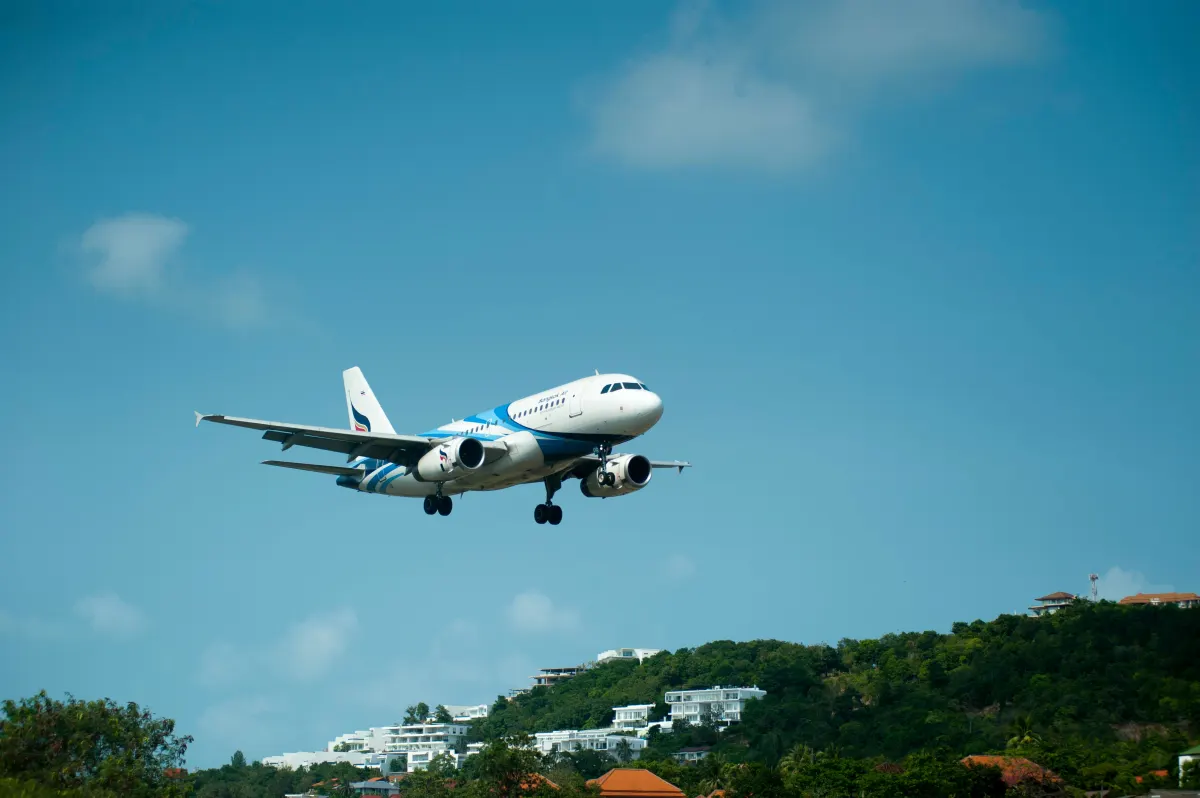
Global commercial aircraft production reached 128 units in March 2026, as Boeing's output stabilized while Airbus deliveries faced ongoing engine...
Key Takeaways
- •Reached a total of 128 commercial aircraft deliveries in March 2026, dominated by 107 narrowbody jets.
- •Boeing delivered an estimated 45 aircraft, including 33 737 MAXs, as production stabilizes under a strict FAA cap.
- •Airbus delivered 54 aircraft, with A320neo output constrained by ongoing Pratt & Whitney GTF engine shortages.
- •Both manufacturers face significant hurdles in ramping up production to meet massive airline backlogs.
Commercial aircraft production showed significant momentum in March 2026, with a total of 128 units delivered by major Original Equipment Manufacturers (OEMs). According to a Forecast International report, this output underscores the continued high demand for new aircraft, particularly in the narrowbody segment, which accounted for 107 of the total deliveries. However, the headline number masks divergent challenges for the industry's two largest players. Boeing showed signs of stabilizing its production under intense regulatory scrutiny, while Airbus continued to grapple with persistent supply chain constraints, primarily affecting its best-selling A320neo family.
The divergence in production challenges highlights the fragile state of the global aerospace supply chain and the long-lasting impact of regulatory oversight. For airlines, these production figures directly influence fleet renewal timelines and capacity planning for the upcoming travel seasons. Delays force carriers to extend leases on older, less fuel-efficient aircraft and trim flight schedules, impacting both operational costs and revenue. The data from March 2026 indicates that while overall production is increasing, the path to pre-pandemic rates remains complex for both major manufacturers.
Boeing Production and FAA Oversight
Boeing delivered an estimated 45 aircraft in March 2026, a figure anchored by the delivery of 33 737 MAX jets. This output reflects the company's efforts to maintain a consistent production rhythm while operating under a strict production cap imposed by the FAA (Federal Aviation Administration). The current approved rate for the 737 MAX is 42 aircraft per month, a measure implemented following the January 2024 door plug incident which intensified regulatory scrutiny that began after the 2019 groundings. Boeing CFO Jay Malave noted that the company is focusing on stabilizing its build processes, with an increasing number of deliveries expected to come from newly built aircraft rather than from its inventory of stored jets. The slower production rate also affects key suppliers like Spirit AeroSystems, which delivered 38 fuselages in March, below its target of 42.
Airbus Deliveries Constrained by Engine Supply
Airbus delivered an estimated 54 aircraft in March 2026, led by 35 A320neo-family jets. While the European manufacturer outpaced its US rival, its figures were dampened by ongoing supply chain issues, most notably a shortage of Geared Turbofan (GTF) engines from Pratt & Whitney (an RTX company). These engine delivery delays have been a persistent bottleneck, preventing Airbus from accelerating its A320neo production ramp-up. Former Airbus Commercial CEO Christian Scherer has stated that these engine supply issues are expected to persist throughout 2026. The company's target of producing 75 A320neo-family aircraft per month has consequently been pushed back to 2027.
Boeing 737 MAX 8 vs. Airbus A320neo: Key Specifications
| Metric | Boeing 737 MAX 8 | Airbus A320neo |
|---|---|---|
| Seating (2-class) | 162-178 | 150-180 |
| Range | 3,500 nm | 3,400 nm |
| Engines | CFM LEAP-1B | CFM LEAP-1A / P&W PW1100G |
Technical Analysis
The March 2026 delivery figures illustrate a critical divergence in the aerospace industry's recovery. Boeing's primary challenge is internal: rebuilding quality control systems and restoring regulatory trust, a direct legacy of the 2019-2020 737 MAX grounding. Its production rate is currently dictated by the FAA, not by supply chain capacity or demand. In contrast, Airbus's main constraint is external, with its production ambitions tethered to the performance of key suppliers like Pratt & Whitney. This situation suggests that even with a massive backlog, Airbus cannot accelerate production until its supply chain heals. This dynamic puts airlines in a difficult position, as delays from both OEMs disrupt long-term fleet strategies. The continued dominance of narrowbody aircraft, representing approximately 83% of March's output, also reaffirms the industry's focus on short-to-medium haul, high-efficiency aircraft for the foreseeable future, though some environmental groups argue the sheer volume of production contradicts industry climate goals.
What Comes Next
The industry will be closely monitoring several key milestones in the coming months. Boeing is expected to receive FAA approval to increase its 737 MAX production rate to 47 aircraft per month by mid-2026, a crucial step in clearing its extensive backlog. Furthermore, certification of the smaller 737 MAX 7 and larger MAX 10 variants is anticipated in late 2026 or early 2027, which will unlock additional market segments for the manufacturer. For Airbus, the primary milestone remains the successful ramp-up of A320neo production to its target rate of 75 per month, which, according to the company's latest forecast, is not expected until 2027. The manufacturer's official delivery data is updated monthly on its Airbus Official Orders and Deliveries page.
Why This Matters
Monthly production and delivery figures serve as a critical barometer for the health of the entire commercial aviation ecosystem. These numbers directly impact airline capacity, supplier financial stability, and the industry's ability to meet passenger demand while retiring older aircraft. The persistent challenges faced by both Boeing and Airbus signal that the recovery from recent crises is not yet complete, creating a landscape of uncertainty for airlines planning their future fleets.
For global airline trends and commercial aviation news, turn to omniflights.com. Track policy changes, airspace rules, and global aviation governance in the Regulatory category at omniflights.com/regulatory.

Written by Hardik Vishwakarma
Co-Founder & Aviation News Editor leading initiatives that improve trust and visibility across the global aviation industry. Covers airlines, airports, safety, and emerging technology.
Visit ProfileYou Might Also Like
Discover more aviation news based on similar topics

Boeing 777X Testing Spills Into 2027 Amid Certification Hurdles
Boeing expects some 777X testing to extend into 2027, though the manufacturer maintains its target for the first delivery of the aircraft that year.

Airbus A350F Completes Ground Tests Before Maiden Flight
Airbus has finished initial ground tests for the A350F, with the freighter set for a late 2026 maiden flight and a 2027 entry into service.
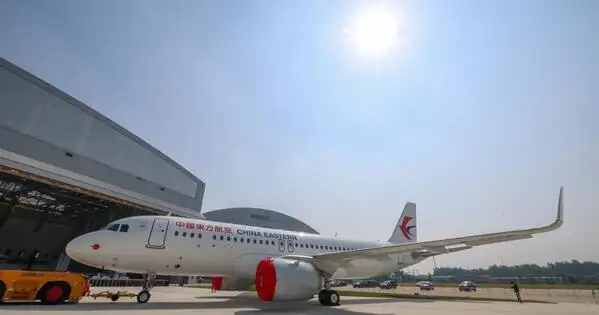
Airbus Delivers First A320neo From New Tianjin FAL
China Eastern Airlines took delivery of the first A320neo from Airbus's second Final Assembly Line in Tianjin, marking a key industrial milestone.
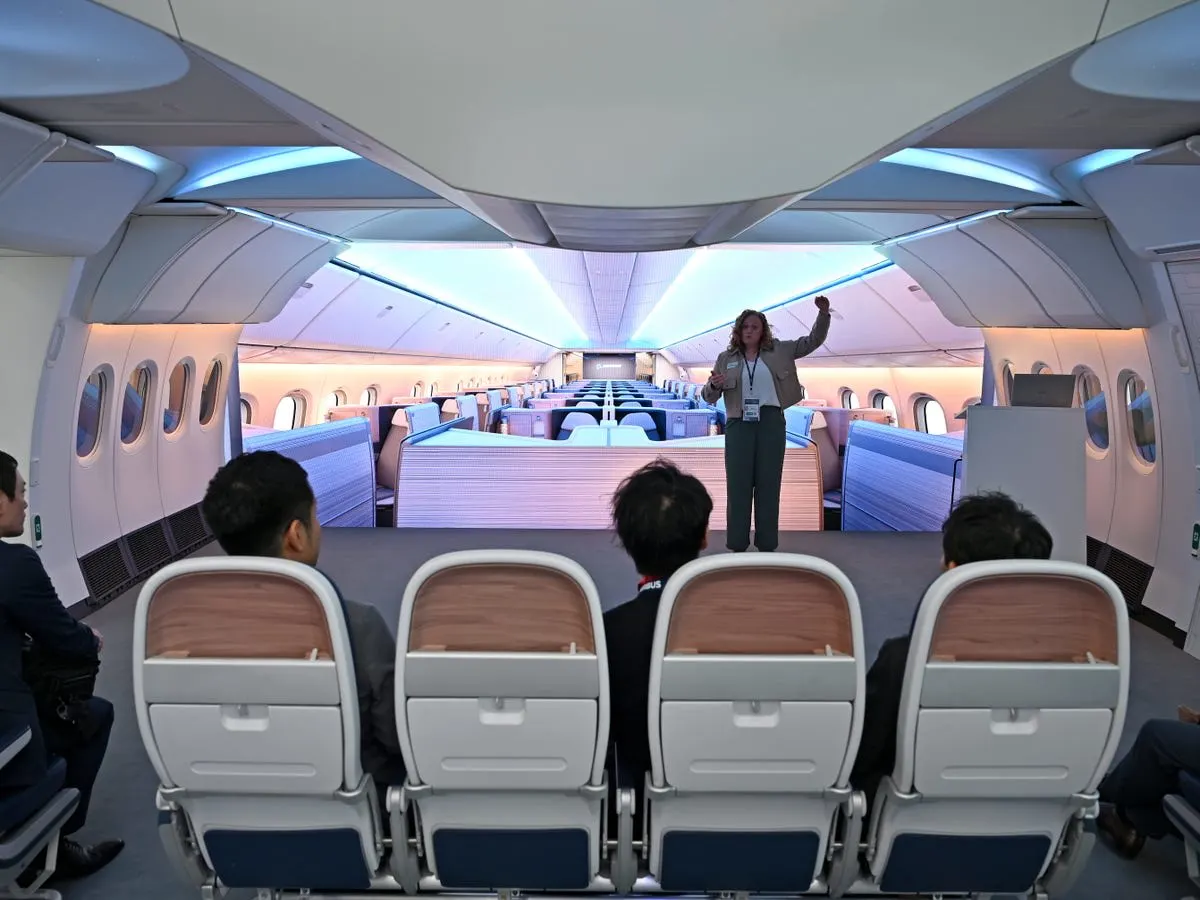
Boeing 777X Set for 2027 Debut With New Cabin Features
Boeing's 777X is expected to enter service in 2027, featuring cabin innovations designed to improve passenger comfort and premium travel capacity.
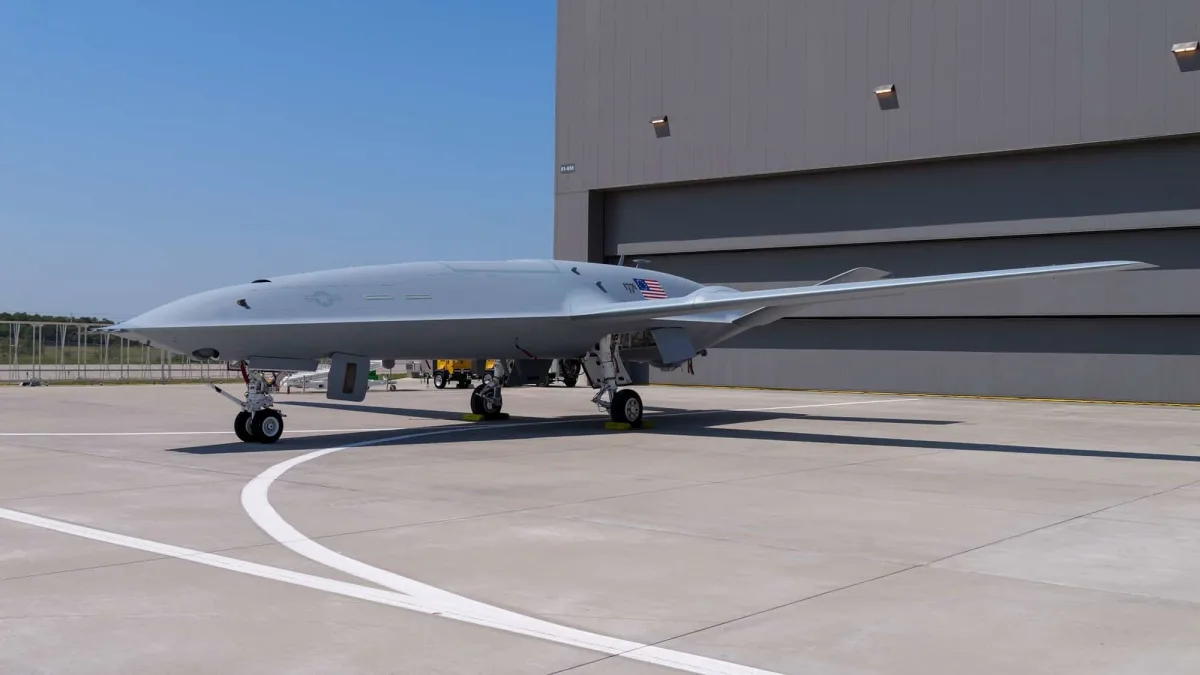
Boeing Awarded $562M Contract for MQ-25 Stingray Production
The U.S. Navy awarded Boeing a $562 million contract for the first three MQ-25 Stingray unmanned aerial refueling tankers, with deliveries expected in...

Boeing Logs 15 Gross Orders Including 13 787 Dreamliners
Boeing recorded 15 gross orders in August 2026, featuring 13 widebody 787 Dreamliner commitments from undisclosed customers.