AirAsia Orders 150 Airbus A220-300s in Record Deal

Co-Founder & CEOAviation News Editor delivering trusted coverage across the global aviation industry.
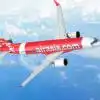
AirAsia placed a firm order for 150 Airbus A220-300s, the largest single purchase agreement for the aircraft type, making it a new A220 operator.
Key Takeaways
- •AirAsia places a firm order for 150 Airbus A220-300 aircraft.
- •The deal is the largest single firm order for the A220 program to date.
- •AirAsia becomes a new customer for the Airbus A220 aircraft family.
- •The order marks a strategic diversification from AirAsia's all-A320 family fleet.
AirAsia has finalized a landmark agreement with Airbus for a firm order of 150 A220-300 aircraft. The deal represents the largest single firm order ever placed for the A220 program and establishes the Southeast Asian low-cost carrier group as a new customer for the aircraft family.
This strategic acquisition marks a significant diversification of AirAsia's fleet, which has historically been centered on the Airbus A320 family. The introduction of the A220-300, a smaller narrowbody aircraft, signals a new phase in the airline's network strategy. It enables AirAsia to efficiently serve routes with lower demand, increase frequencies on existing services without adding excess capacity, and open new, previously unviable city pairs. The A220's operational efficiency and range are expected to provide the carrier with a competitive cost advantage in the highly contested regional market.
A Landmark Order for the A220 Program
The commitment from a major airline group like AirAsia is a substantial endorsement for the Airbus A220. Originally developed by Bombardier as the C-Series, the aircraft joined the Airbus portfolio in 2018. While it has steadily gained customers, this record-breaking order from a top-tier low-cost carrier solidifies its position as a mainstream competitor in the 100-150 seat market segment. The order significantly boosts the A220's backlog, providing long-term stability for its production line in Mirabel, Canada, and Mobile, Alabama.
For Airbus, the deal is a strategic victory, securing a new operator in a key growth region. It demonstrates the A220's appeal to airlines focused on minimizing operational costs while maximizing network flexibility. The aircraft's advanced aerodynamics, lightweight materials, and Pratt & Whitney PW1500G geared turbofan engines contribute to its efficiency, offering a reported 25% reduction in fuel burn per seat compared to previous-generation aircraft.
AirAsia's Strategic Fleet Evolution
AirAsia built its brand on the operational simplicity and cost benefits of a single-family fleet, primarily utilizing the Airbus A320 and A321. The decision to introduce the A220-300 suggests a sophisticated evolution of this strategy. Rather than a one-size-fits-all approach, the airline is now tailoring its aircraft to specific market demands. The A220-300 typically seats between 120 and 150 passengers in a standard configuration, fitting neatly below the A320neo's capacity of around 180 seats.
This allows AirAsia to right-size aircraft for routes that cannot consistently fill an A320, preventing revenue loss from flying with empty seats. It also provides the flexibility to launch new routes with lower initial risk. The A220's range of up to 3,600 nautical miles (6,700 kilometers) also opens up possibilities for longer, thin routes that were not economically feasible with larger narrowbodies.
Market Impact
The order intensifies the competitive pressure on Boeing's 737 MAX family, particularly the smaller 737-7 variant. As airlines increasingly seek efficiency in the regional and medium-haul sectors, the A220 has carved out a strong market niche. This large-scale adoption by a prominent low-cost carrier could influence fleet decisions at other airlines evaluating their narrowbody requirements. It also poses a challenge to regional jet manufacturers like Embraer, as the A220's capabilities blur the line between large regional jets and small mainline narrowbodies.
Technical Analysis
This acquisition reflects a broader industry trend where major carriers, including low-cost operators, are moving towards more diverse but complementary fleets to optimize network profitability. The single-fleet-type model, while effective for cost control, can limit network expansion and frequency optimization. The A220 allows airlines like AirAsia to address a segment of the market that is too large for a regional jet but too small for a standard A320 or 737. The aircraft's superior fuel efficiency is a critical factor, providing a hedge against volatile fuel prices and helping the airline meet increasingly stringent environmental regulations. The passenger experience, featuring a 2-3 seating layout, wider seats, and larger windows, also provides a competitive advantage. This move by AirAsia is a calculated step to enhance its network's granularity and financial performance, likely setting a precedent for other carriers in the region.
What Comes Next
Neither AirAsia nor Airbus has publicly disclosed a detailed delivery schedule for the 150 aircraft. Fulfilling an order of this magnitude is expected to span several years, with deliveries likely phased to align with AirAsia's network growth and the retirement of older aircraft. The airline group has also not yet announced which of its affiliate airlines will operate the new fleet or the initial routes they will serve. These details are expected to be revealed closer to the first aircraft's entry into service. The integration of a new aircraft type will require significant investment in pilot and maintenance training, spare parts inventory, and operational procedure development.
Why This Matters
AirAsia's record-breaking order for the A220-300 is more than just a large transaction; it is a strategic validation of the aircraft's role in modern airline fleets. It signals a shift in how major low-cost carriers approach network planning, prioritizing flexibility and efficiency alongside scale. For the manufacturing sector, it cements the A220 as a formidable competitor and a cornerstone of Airbus's narrowbody strategy for the foreseeable future.
Frequently Asked Questions
- How many Airbus A220-300s did AirAsia order?
- AirAsia placed a firm order for 150 Airbus A220-300 aircraft. This agreement represents the largest single firm order ever placed for the A220 program.
- Why is AirAsia's A220 order significant for the airline and Airbus?
- For AirAsia, it marks a strategic fleet diversification beyond its traditional all-A320 family fleet, allowing it to serve thinner routes more efficiently. For Airbus, it is a major endorsement from a top-tier low-cost carrier that significantly boosts the A220's order backlog and market standing.
For in-depth airline coverage and commercial aviation news, omniflights.com delivers timely industry insights. Stay informed on aviation incidents, investigations, and best practices in the Safety category at omniflights.com/safety.
Written by Hardik Vishwakarma
Co-Founder & Aviation News Editor leading initiatives that improve trust and visibility across the global aviation industry. Covers airlines, airports, safety, and emerging technology.
Visit ProfileYou Might Also Like
Discover more aviation news based on similar topics

Boeing 777X Testing Spills Into 2027 Amid Certification Hurdles
Boeing expects some 777X testing to extend into 2027, though the manufacturer maintains its target for the first delivery of the aircraft that year.
Airbus A350F Completes Ground Tests Before Maiden Flight
Airbus has finished initial ground tests for the A350F, with the freighter set for a late 2026 maiden flight and a 2027 entry into service.
Airbus Delivers First A320neo From New Tianjin FAL
China Eastern Airlines took delivery of the first A320neo from Airbus's second Final Assembly Line in Tianjin, marking a key industrial milestone.
Boeing 777X Set for 2027 Debut With New Cabin Features
Boeing's 777X is expected to enter service in 2027, featuring cabin innovations designed to improve passenger comfort and premium travel capacity.
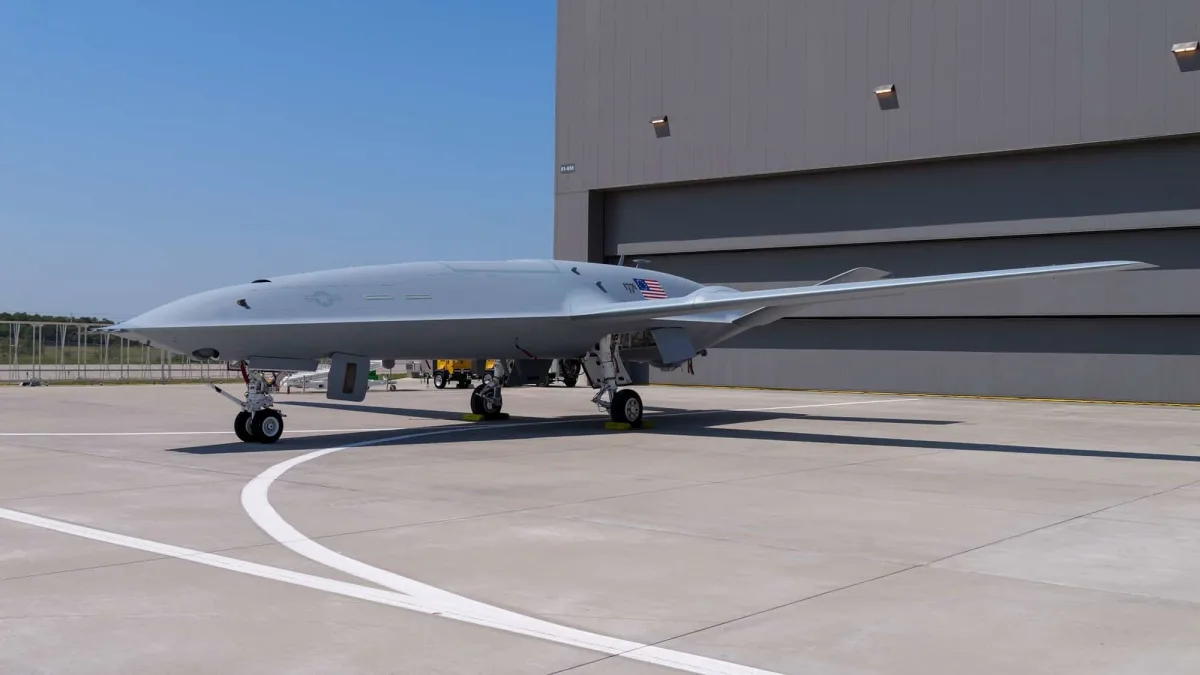
Boeing Awarded $562M Contract for MQ-25 Stingray Production
The U.S. Navy awarded Boeing a $562 million contract for the first three MQ-25 Stingray unmanned aerial refueling tankers, with deliveries expected in...

Boeing Logs 15 Gross Orders Including 13 787 Dreamliners
Boeing recorded 15 gross orders in August 2026, featuring 13 widebody 787 Dreamliner commitments from undisclosed customers.