Boeing Delivers 47 Aircraft in April Amid FAA Scrutiny

Co-Founder & CEOAviation News Editor delivering trusted coverage across the global aviation industry.

Boeing delivered 47 aircraft in April 2026, including 34 737 MAXs, maintaining its pace amid ongoing regulatory and supply chain challenges.
Key Takeaways
- •Boeing delivered 47 aircraft in April 2026, including 34 737 MAXs.
- •Year-to-date deliveries reached 190, slightly ahead of Airbus's 181.
- •FAA production cap continues to limit the 737 MAX production rate.
- •Strong widebody demand saw 51 new orders for the 787 Dreamliner.
Boeing delivered 47 aircraft in April 2026, a figure that signals production stability but underscores ongoing pressures from regulators and supply chain constraints. The Boeing April 2026 deliveries report confirmed the handover of 34 737 MAX jets, six 787 Dreamliners, three 777 Freighters, and four 767s. While the month's performance keeps Boeing slightly ahead of its rival Airbus for the year, the current 737 MAX production rate remains below the level required to meet annual targets, reflecting the tight oversight from the Federal Aviation Administration (FAA).
The manufacturer's performance highlights a critical tension between strong market demand, particularly for widebody aircraft, and the operational realities of a scrutinized production system. April saw a robust intake of 136 gross orders, driven by significant 787 Dreamliner orders (51 aircraft) and continued interest in the 737 MAX (57 aircraft). However, this strong order book contrasts with a delivery pace that falls short of the approximately 59 aircraft per month needed to hit Wall Street's consensus target of 662 deliveries for 2026. This shortfall has direct consequences for airline customers awaiting new aircraft to expand capacity and renew their fleets.
Regulatory Headwinds and Production Caps
Boeing's production environment operates under significant regulatory limitations. The FAA (Federal Aviation Administration) has implemented a strict production cap on the 737 MAX program following quality control issues. This cap prevents Boeing from accelerating its narrowbody production line to clear its extensive backlog. The measure is designed to give the agency greater visibility into Boeing's manufacturing processes, as detailed in FAA newsroom updates. The focus on quality and safety over quantity is a recurring theme from both the regulator and Boeing's leadership.
Separately, the 787 Dreamliner program faces its own certification hurdles. Delays in gaining FAA approval for new premium cabin seating configurations have intermittently slowed the delivery pace of some widebody jets. Despite these challenges, Boeing's management remains publicly confident. During the company's Q1 2026 earnings call, CFO Jay Malave stated that Boeing still expects to deliver between 90 and 100 Dreamliners for the full year. CEO Kelly Ortberg has reinforced the company's priority of stabilizing production and ensuring quality across its commercial aircraft programs.
Market Dynamics and Competitive Landscape
Year-to-date, Boeing's 190 deliveries through April place it narrowly ahead of Airbus, which delivered 181 aircraft in the same period. This slim lead is a key metric watched by investors and analysts. However, the strong demand for widebody aircraft is a bright spot for Boeing. The company secured 51 orders for the 787 and 28 for the 777X in April, indicating a healthy market for long-haul fleet renewals. These figures are tracked and published on the Boeing Investor Relations portal.
The impact of the constrained delivery pace is felt most acutely by airline customers, who face delays in receiving new, more fuel-efficient aircraft. This can lead to postponed route expansions and force carriers to extend the service life of older planes, increasing Maintenance, Repair, and Overhaul (MRO) costs. For investors, the monthly delivery figures are a key indicator of financial health, and the April report's miss on the implied monthly target contributed to a 2.98% decline in Boeing's stock price.
A History of Production Pauses
The current challenges are not without precedent. The global grounding of the 737 MAX from March 2019 to November 2020, following two fatal accidents, forced a complete halt to deliveries and a drastic cut in production. That event demonstrated the severe operational and financial impact of a systemic safety crisis and the subsequent regulatory intervention.
More recently, the 787 Dreamliner program experienced a prolonged delivery pause between May 2021 and August 2022. The halt was initiated after the FAA raised concerns about manufacturing flaws and quality control, leading to a significant build-up of undelivered inventory. These historical events provide crucial context for the current environment, highlighting the long-term consequences of production and quality issues on an Original Equipment Manufacturer (OEM) like Boeing.
Boeing 787-9 vs Airbus A350-900
| Metric | Boeing 787-9 | Airbus A350-900 |
|---|---|---|
| Range | 7,565 nmi | 8,300 nmi |
| Typical Seating | 296 | 300-350 |
Boeing 737 MAX 8 vs Airbus A320neo
| Metric | Boeing 737 MAX 8 | Airbus A320neo |
|---|---|---|
| Range | 3,500 nmi | 3,400 nmi |
| Typical Seating | 162-178 | 150-180 |
Technical Analysis
The April 2026 data illustrates a manufacturer at a crossroads. While market demand, especially for efficient widebody aircraft like the 787, remains exceptionally strong, Boeing's ability to convert its backlog into revenue is fundamentally constrained by internal production discipline and external regulatory oversight. The 737 MAX production cap is the most visible manifestation of this, creating a bottleneck that ripples through the entire supply chain, affecting engine makers like CFM International and numerous smaller suppliers. This situation accelerates a trend seen in the 2019-2022 period, where regulatory actions directly dictate production velocity. The key challenge for Boeing is not generating orders, but executing on its existing backlog in a manner that satisfies both safety regulators and expectant customers.
What Comes Next
Looking ahead, the industry will be closely watching Boeing's monthly delivery figures to see if it can ramp up production to meet its annual guidance. The company's target of delivering 90 to 100 Dreamliners by the end of 2026 is a key milestone. Further out, the first delivery of the new flagship 777-9 is expected to occur in 2027, subject to a rigorous and lengthy certification process with the FAA. The path to higher production rates for the 737 MAX depends entirely on satisfying the FAA's quality improvement requirements, a timeline for which remains undefined.
Why This Matters
Boeing's monthly delivery performance is a critical barometer for the health of the global aviation industry. For airlines, these numbers dictate fleet renewal timelines and capacity growth. For the broader supply chain, they determine financial stability and production planning. The ongoing scrutiny from the FAA highlights a pivotal industry-wide focus on manufacturing quality, signaling that the era of prioritizing production rates over systemic safety is definitively over.
Frequently Asked Questions
- How many planes did Boeing deliver in April 2026?
- Boeing delivered 47 aircraft in April 2026. The breakdown includes 34 737 MAXs, six 787 Dreamliners, three 777 Freighters, and four 767s.
- Why is Boeing's 737 MAX production limited?
- The Federal Aviation Administration (FAA) has placed a production cap on the 737 MAX program. This measure was implemented to allow for enhanced oversight of Boeing's quality control and production processes following recent safety and quality concerns.
- How do Boeing's 2026 deliveries compare to Airbus?
- Through the end of April 2026, Boeing's year-to-date deliveries totaled 190 aircraft, which was slightly ahead of its primary competitor, Airbus, which had delivered 181 aircraft in the same period.
For in-depth airline coverage and commercial aviation news, omniflights.com delivers timely industry insights. Stay informed on aviation incidents, investigations, and best practices in the Safety category at omniflights.com/safety.
Written by Hardik Vishwakarma
Co-Founder & Aviation News Editor leading initiatives that improve trust and visibility across the global aviation industry. Covers airlines, airports, safety, and emerging technology.
Visit ProfileYou Might Also Like
Discover more aviation news based on similar topics

Boeing 777X Testing Spills Into 2027 Amid Certification Hurdles
Boeing expects some 777X testing to extend into 2027, though the manufacturer maintains its target for the first delivery of the aircraft that year.
Airbus A350F Completes Ground Tests Before Maiden Flight
Airbus has finished initial ground tests for the A350F, with the freighter set for a late 2026 maiden flight and a 2027 entry into service.
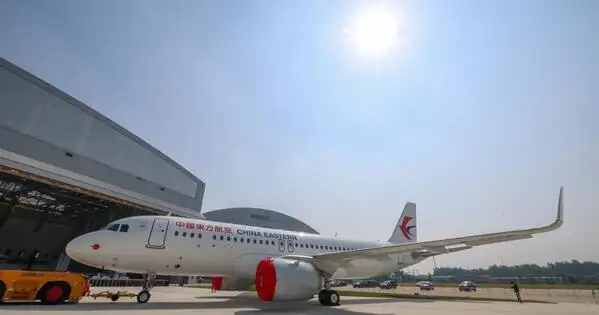
Airbus Delivers First A320neo From New Tianjin FAL
China Eastern Airlines took delivery of the first A320neo from Airbus's second Final Assembly Line in Tianjin, marking a key industrial milestone.
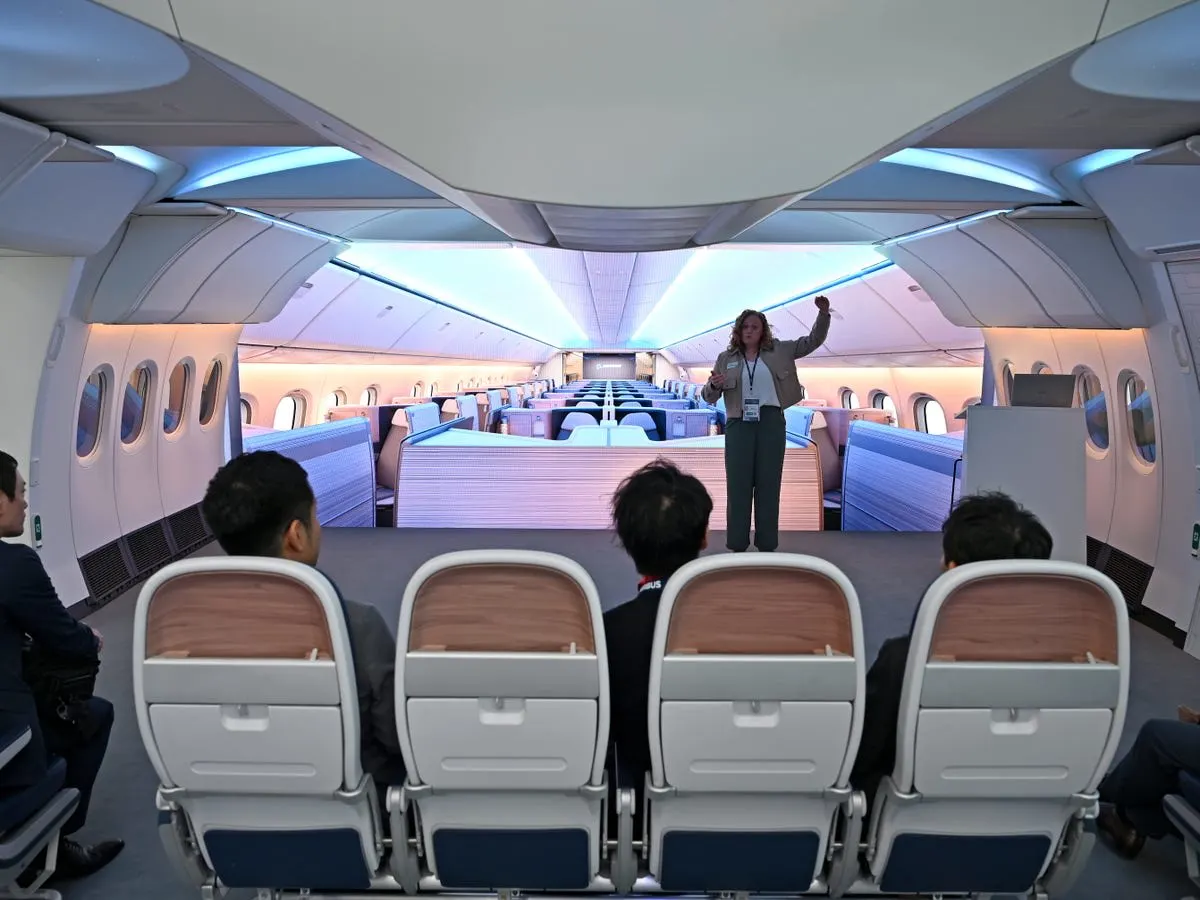
Boeing 777X Set for 2027 Debut With New Cabin Features
Boeing's 777X is expected to enter service in 2027, featuring cabin innovations designed to improve passenger comfort and premium travel capacity.
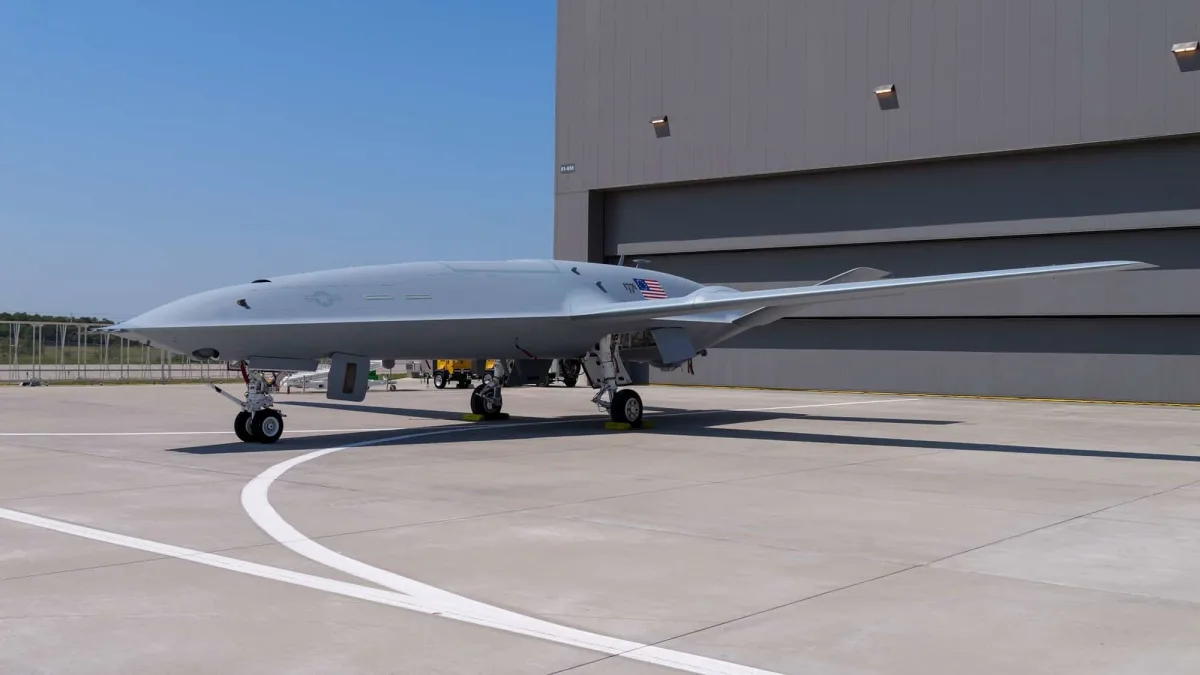
Boeing Awarded $562M Contract for MQ-25 Stingray Production
The U.S. Navy awarded Boeing a $562 million contract for the first three MQ-25 Stingray unmanned aerial refueling tankers, with deliveries expected in...

Boeing Logs 15 Gross Orders Including 13 787 Dreamliners
Boeing recorded 15 gross orders in August 2026, featuring 13 widebody 787 Dreamliner commitments from undisclosed customers.