Lufthansa's Boeing 777-9 Takes Flight with Full Cabin

Co-Founder & CEOAviation News Editor delivering trusted coverage across the global aviation industry.
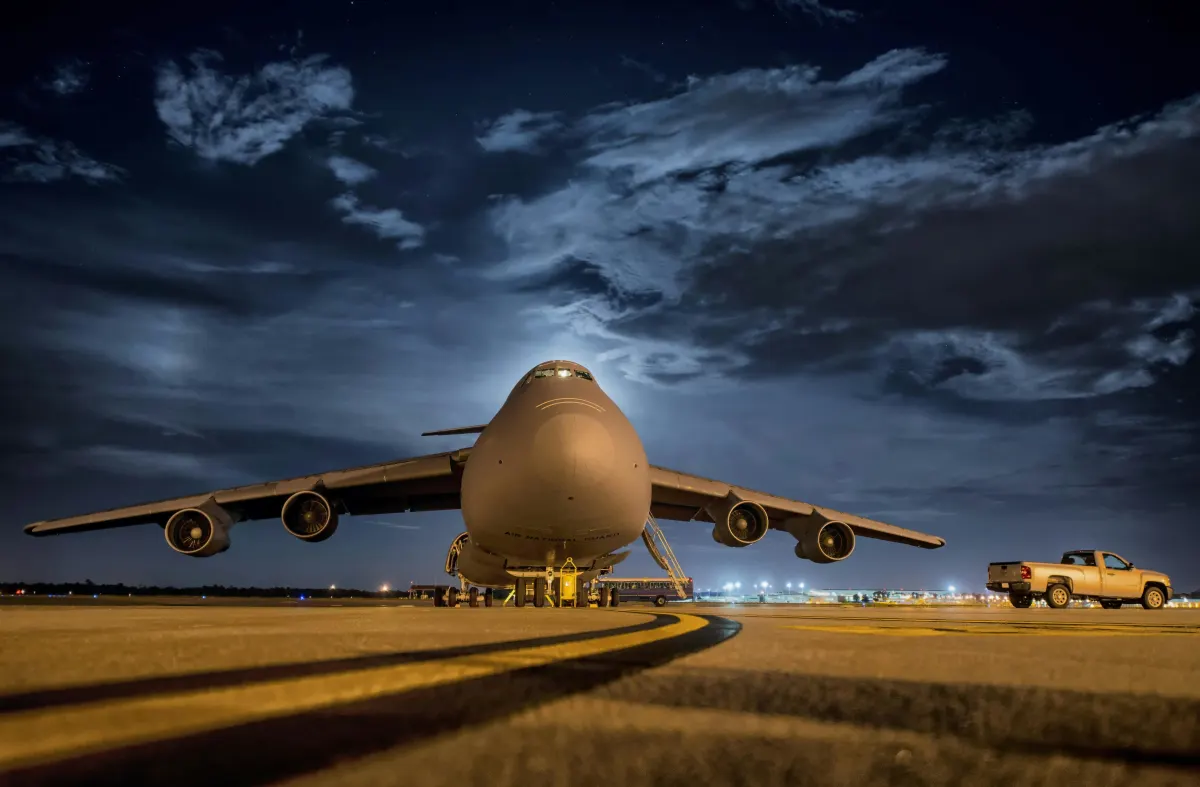
Lufthansa's first Boeing 777-9, with a full passenger cabin, has completed a 3-hour, 27-minute test flight, advancing its delayed FAA certification.
Key Takeaways
- •First Lufthansa 777-9 with passenger cabin completes maiden flight.
- •The test flight lasted 3 hours and 27 minutes over Washington.
- •Program has faced a 7-year delay, with deliveries now expected in 2027.
- •Lufthansa holds firm orders for 20 Boeing 777-9 aircraft.
The first Boeing 777-9 destined for launch partner Lufthansa has completed its maiden flight equipped with a full Allegris passenger cabin, a critical milestone in the aircraft's prolonged certification process. The flight, which departed from and returned to Paine Field (PAE) in Everett, Washington, signifies tangible progress for the Lufthansa 777X delivery schedule, which has been delayed by approximately seven years.
The aircraft, registered as N20080, was airborne for 3 hours and 27 minutes on May 7, 2026, conducting systems and structural tests over Washington and Oregon. This flight is a key part of the final phase of testing required by the FAA (Federal Aviation Administration) for type certification. Unlike previous test flights focused purely on airframe and engine performance, this mission's primary objective was to evaluate the aircraft's systems with a fully integrated passenger interior, a necessary step for cabin certification.
According to Boeing's Q1 2026 earnings release, the 777X test program has now accumulated over 4,700 flight test hours. Capt. Ted Grady, Boeing's 777/777X Chief Pilot, confirmed the success of the flight in a statement. "The airplane performed as we expected," he said. "The 777-9 continues to handle beautifully."
Background and Delays
The 777X program has faced significant headwinds, pushing its entry into service from an initial 2020 target to 2027. This 7-year delay reflects a broader industry trend of prolonged widebody certification timelines, driven by heightened regulatory scrutiny. The situation has forced Lufthansa to operate older, less efficient aircraft for longer than planned. According to the Lufthansa Group's fleet profile, the airline has extended the operational life of its aging Boeing 747-400 and Airbus A340 fleets to bridge the capacity gap.
This extended development cycle is not without historical precedent. The Boeing 787 Dreamliner program experienced over three years of delays between 2007 and 2011 due to supply chain and production challenges. Similarly, the Airbus A380 saw its entry into service pushed back by nearly two years in the mid-2000s because of complex wiring and cabin customization issues. These precedents highlight the immense difficulty of certifying new, large widebody aircraft, especially those with highly customized interiors like Lufthansa's Allegris cabin.
Stakeholder and Industry Impact
The delays have had a cascading effect across the aviation industry. For Lufthansa, which holds 20 firm orders for the 777-9, the continued reliance on four-engine aircraft has resulted in significantly higher fuel burn and maintenance expenditures. This has also drawn criticism from environmental observers, who note the extended service life of less efficient aircraft runs counter to industry sustainability goals.
Engine manufacturer General Electric has also been affected, as production schedules for its massive GE9X engines are tied directly to the 777X certification timeline, delaying revenue recognition. Conversely, this flight is a positive development for the premium cabin manufacturers who produce the 'Allegris' components, as it unlocks critical milestone payments and moves their products closer to commercial service. The delay has also created a market opening for rival Airbus, which has reportedly secured additional A350 orders from airlines seeking more predictable delivery schedules.
Technical Comparison: Boeing 777-9 vs. Airbus A350-1000
The 777-9 is positioned as a replacement for aging 777-300ER and 747 fleets, competing directly with the Airbus A350-1000. While both are modern twin-engine widebodies, they serve slightly different market segments.
| Metric | Boeing 777-9 | Airbus A350-1000 |
|---|---|---|
| Typical Passenger Capacity (2-class) | 426 passengers | 350-410 passengers |
| Maximum Range | 7,285 nm | 8,700 nm |
| Wingspan | 235 ft 5 in (extended) | 212 ft 5 in |
More details on the aircraft's specifications are available on Boeing's official 777X program page.
Technical Analysis
This test flight represents more than a routine certification step; it is a crucial indicator of Boeing's ability to navigate the post-737 MAX regulatory landscape. The FAA's heightened scrutiny has fundamentally altered aircraft development timelines, making multi-year delays a structural reality for complex new programs. The 777-9's journey mirrors the challenges seen with the 787, but with the added layer of intensified regulatory oversight. The data suggests that while this flight is a positive milestone, the path to widespread service entry remains contingent on satisfying a far more rigorous certification standard than existed a decade ago. This new paradigm forces airlines to adopt more conservative fleet planning strategies, building in buffers for manufacturer delays and extending the life of older assets, which carries both financial and environmental costs.
What Comes Next
With the first fully outfitted aircraft now flying, the program will focus on completing the final battery of tests required for certification. According to guidance from Boeing and Lufthansa, the next major steps are clear, though subject to regulatory approval.
FAA Type Certification for the 777-9 is expected to be granted in late 2026 or early 2027. Following this, the first commercial delivery to Lufthansa is anticipated to occur in 2027. Any future airworthiness directives or certification notes will be published on the FAA's official portal. With a global order book of over 620 aircraft, many airlines will be watching this timeline closely.
Why This Matters
This flight is a tangible sign of progress for Boeing's most important and delayed widebody program. For Lufthansa, it brings the long-awaited efficiency gains and the debut of its new 'Allegris' passenger experience one crucial step closer to reality. For the wider industry, it serves as a key test of Boeing's ability to navigate a stricter regulatory environment and finally deliver on its next-generation promises.
Frequently Asked Questions
- When is the Boeing 777-9 expected to be delivered to Lufthansa?
- Following a seven-year delay from its original target, the first commercial delivery of the Boeing 777-9 to Lufthansa is now expected in 2027. This timeline is contingent on the aircraft receiving final type certification from the Federal Aviation Administration (FAA).
- What is significant about this specific Boeing 777-9 test flight?
- This was the maiden flight for the first 777-9 equipped with a full passenger cabin, specifically Lufthansa's new 'Allegris' interior. This is a critical step for certifying the aircraft's cabin systems and passenger-related operations, moving beyond purely airframe and engine testing.
For in-depth airline coverage and commercial aviation news, omniflights.com delivers timely industry insights. Stay informed on aviation incidents, investigations, and best practices in the Safety category at omniflights.com/safety.
Written by Hardik Vishwakarma
Co-Founder & Aviation News Editor leading initiatives that improve trust and visibility across the global aviation industry. Covers airlines, airports, safety, and emerging technology.
Visit ProfileYou Might Also Like
Discover more aviation news based on similar topics

Boeing 777X Testing Spills Into 2027 Amid Certification Hurdles
Boeing expects some 777X testing to extend into 2027, though the manufacturer maintains its target for the first delivery of the aircraft that year.

Airbus A350F Completes Ground Tests Before Maiden Flight
Airbus has finished initial ground tests for the A350F, with the freighter set for a late 2026 maiden flight and a 2027 entry into service.
Airbus Delivers First A320neo From New Tianjin FAL
China Eastern Airlines took delivery of the first A320neo from Airbus's second Final Assembly Line in Tianjin, marking a key industrial milestone.
Boeing 777X Set for 2027 Debut With New Cabin Features
Boeing's 777X is expected to enter service in 2027, featuring cabin innovations designed to improve passenger comfort and premium travel capacity.
Boeing Awarded $562M Contract for MQ-25 Stingray Production
The U.S. Navy awarded Boeing a $562 million contract for the first three MQ-25 Stingray unmanned aerial refueling tankers, with deliveries expected in...

Boeing Logs 15 Gross Orders Including 13 787 Dreamliners
Boeing recorded 15 gross orders in August 2026, featuring 13 widebody 787 Dreamliner commitments from undisclosed customers.