Boeing Orders Surge in April; Airbus Leads 2026 Sales

Co-Founder & CEOAviation News Editor delivering trusted coverage across the global aviation industry.
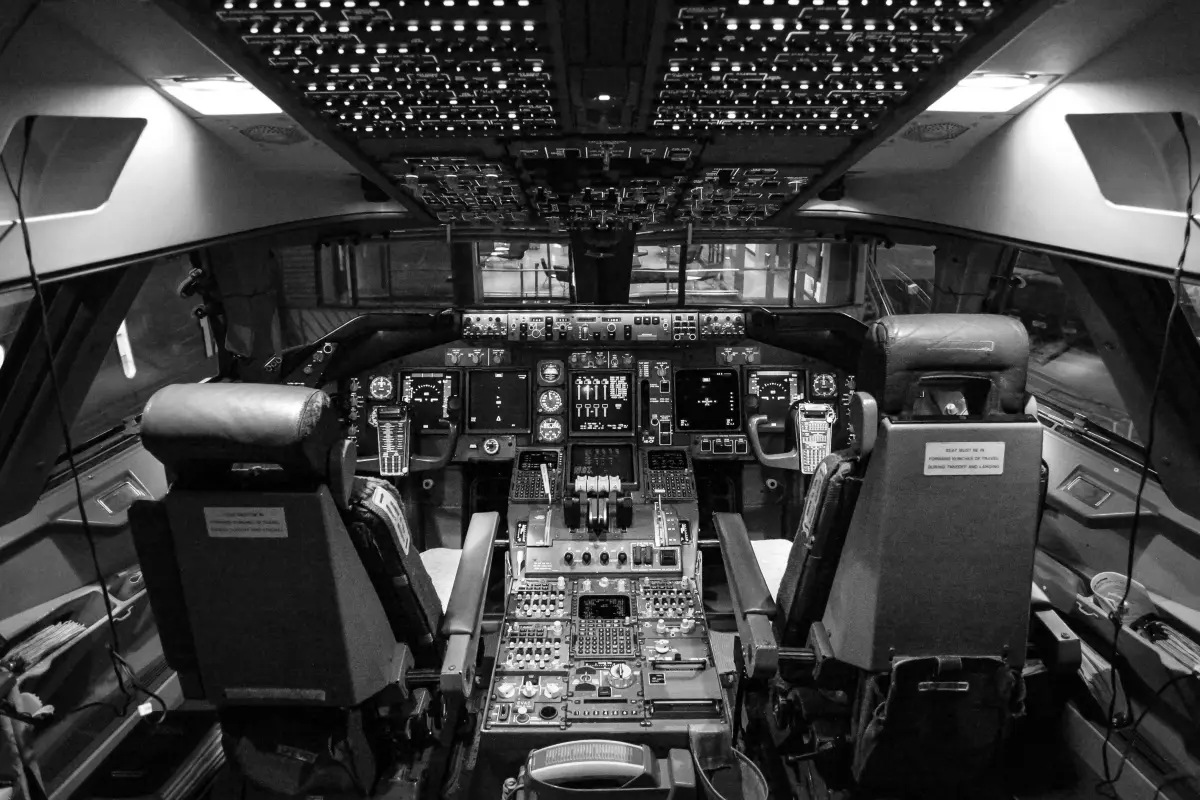
Boeing booked 135 net orders in April, but Airbus maintains its 2026 sales lead with 405 YTD orders while Boeing edges ahead on deliveries.
Key Takeaways
- •Boeing secured 135 net aircraft orders in April 2026.
- •Airbus leads year-to-date sales with 405 net orders.
- •Boeing holds a slight delivery lead with 190 aircraft YTD.
- •Engine supply chain issues remain a key bottleneck for both OEMs.
A surge in Boeing aircraft orders for April has tightened the commercial aviation market race, though Airbus 2026 deliveries data reveals ongoing production challenges for both major manufacturers. Boeing recorded a significant intake of 135 net new orders in April, bolstering its yearly total. However, Airbus maintains a commanding year-to-date sales lead, underscoring persistent strong demand for its narrowbody aircraft family.
The dynamic illustrates a split market reality: while new orders signal long-term airline fleet strategy, current delivery figures, which generate immediate revenue, are constrained by industrial capacity. Boeing has managed a slight lead in year-to-date deliveries, but both Original Equipment Manufacturers (OEMs) are grappling with supply chain disruptions that prevent them from meeting airline demand for new aircraft more quickly.
April 2026 by the Numbers
According to Boeing's official commercial airplanes data, the American manufacturer delivered 47 aircraft in April, bringing its 2026 total to 190. The company's order book saw a significant boost with 135 net orders, which included 57 737 MAXs and a notable 28 777Xs, signaling a revival in the widebody sector. The year-to-date net order total for Boeing now stands at 284 aircraft.
Meanwhile, Airbus's orders and deliveries report shows the European OEM delivered 67 aircraft in April, for a year-to-date total of 181. While April orders were modest, Airbus's strong performance in the first quarter leaves it with 405 net orders for the year, maintaining a substantial lead over its rival. The figures highlight the continued popularity of the Airbus A320 New Engine Option (A320neo) family.
Boeing's production remains under close scrutiny by the FAA (Federal Aviation Administration). The regulator's oversight continues to influence the pace at which Boeing can ramp up 737 MAX production. Furthermore, certification delays from the FAA related to premium cabin seating configurations have slowed some Boeing 787 Dreamliner deliveries in early 2026.
Industry Headwinds and Stakeholder Impact
The primary constraint on aircraft output is not final assembly but component supply, particularly engines. A 16% drop in Airbus deliveries in the first quarter of 2026 highlighted that engine manufacturing remains a critical bottleneck. This pressure falls heavily on engine makers like CFM International and Pratt & Whitney, who are struggling to resolve their own supply chain issues to support planned production increases for both the A320neo and 737 MAX families.
For airline customers, these slower-than-expected delivery schedules cause significant fleet planning disruptions and capacity constraints. In contrast, aircraft leasing companies are benefiting from the tight supply of new jets, which has kept lease rates for existing aircraft elevated.
Widebody Demand Rebounds
A bright spot for Boeing is the clear recovery in demand for long-haul aircraft. The company secured 79 widebody orders in April alone, composed of 51 787s and 28 777Xs. This reflects a strong appetite among global carriers for fleet renewal and expansion as international travel continues to normalize. Boeing executives have reaffirmed their commitment to delivering 90 to 100 wide-body 787s in 2026, despite the seating certification hurdles, and remain optimistic about securing large-scale orders from Chinese airlines.
Historical Context
The current market dynamic has historical parallels. In 2018, Boeing delivered a record 806 aircraft, significantly outpacing Airbus before the 737 MAX grounding shifted market dominance decisively toward the European manufacturer. That period represents the last time Boeing held a sustained, commanding lead in deliveries. The subsequent collapse in orders during the 2020 pandemic reset backlogs for both companies, demonstrating how quickly external shocks can alter the competitive balance.
Boeing 737 MAX 8 vs Airbus A320neo
| Metric | Boeing 737 MAX 8 | Airbus A320neo |
|---|---|---|
| Range | 3,500 nm | 3,400 nm |
| Typical Capacity | 162-178 seats | 150-180 seats |
| Max Capacity | 210 seats | 194 seats |
Technical Analysis
The April 2026 data suggests a duopoly where each manufacturer is leveraging its respective strengths. Airbus's dominance in the narrowbody market, reflected in its substantial order lead, is well-established. Conversely, Boeing is capitalizing on the resurgent demand for widebody jets, a segment where its product line remains highly competitive. The critical factor limiting both companies is not demand but industrial output. This supply-side constraint, rooted in engine and component shortages, will likely define the market for the next 18-24 months. Unlike the pre-2019 era of all-out production races, Boeing's pace is now moderated by intense regulatory oversight, suggesting a more gradual and deliberate recovery in its delivery numbers.
What Comes Next
The aviation industry will be watching the Farnborough International Airshow, expected in July 2026, for the next major wave of aircraft orders. Looking further ahead, the first delivery of the Boeing 777-9, a key milestone for the manufacturer's next-generation widebody program, is confirmed for 2027.
Why This Matters
The monthly competition between Airbus and Boeing serves as a crucial barometer for the health of the global aviation industry. The current figures highlight a sector strong in demand but hampered by significant supply chain vulnerabilities. For airlines, lessors, and the entire aerospace ecosystem, these delivery and order numbers directly influence fleet strategies, financial performance, and the pace of the industry's recovery and expansion.
Frequently Asked Questions
- Who is winning the aircraft order race in 2026, Boeing or Airbus?
- As of April 2026, Airbus is leading in net new aircraft orders with 405 for the year. Boeing recorded a strong April with 135 net orders, bringing its year-to-date total to 284.
- How many planes did Boeing and Airbus deliver in 2026 so far?
- Through the end of April 2026, Boeing delivered 190 commercial aircraft, slightly ahead of Airbus, which delivered 181 aircraft during the same period.
- What is limiting aircraft production for Boeing and Airbus?
- The primary bottleneck for both manufacturers is supply chain constraints, particularly in engine production. Additionally, Boeing's output is influenced by Federal Aviation Administration oversight on its 737 MAX production rates and certification delays for some 787 Dreamliner models.
Visit omniflights.com for the latest commercial aviation news and airline industry updates. Follow aviation sustainability efforts, emissions research, and green initiatives in the Environmental section at omniflights.com/environmental.
Written by Hardik Vishwakarma
Co-Founder & Aviation News Editor leading initiatives that improve trust and visibility across the global aviation industry. Covers airlines, airports, safety, and emerging technology.
Visit ProfileYou Might Also Like
Discover more aviation news based on similar topics

Boeing 777X Testing Spills Into 2027 Amid Certification Hurdles
Boeing expects some 777X testing to extend into 2027, though the manufacturer maintains its target for the first delivery of the aircraft that year.

Airbus A350F Completes Ground Tests Before Maiden Flight
Airbus has finished initial ground tests for the A350F, with the freighter set for a late 2026 maiden flight and a 2027 entry into service.
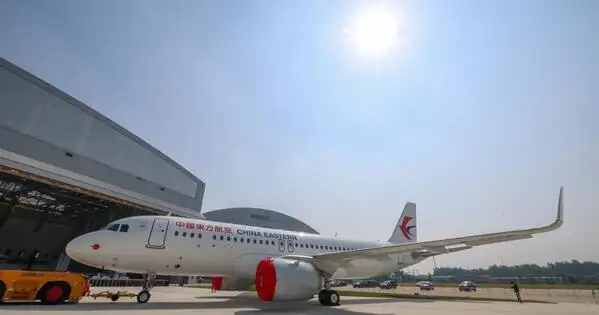
Airbus Delivers First A320neo From New Tianjin FAL
China Eastern Airlines took delivery of the first A320neo from Airbus's second Final Assembly Line in Tianjin, marking a key industrial milestone.
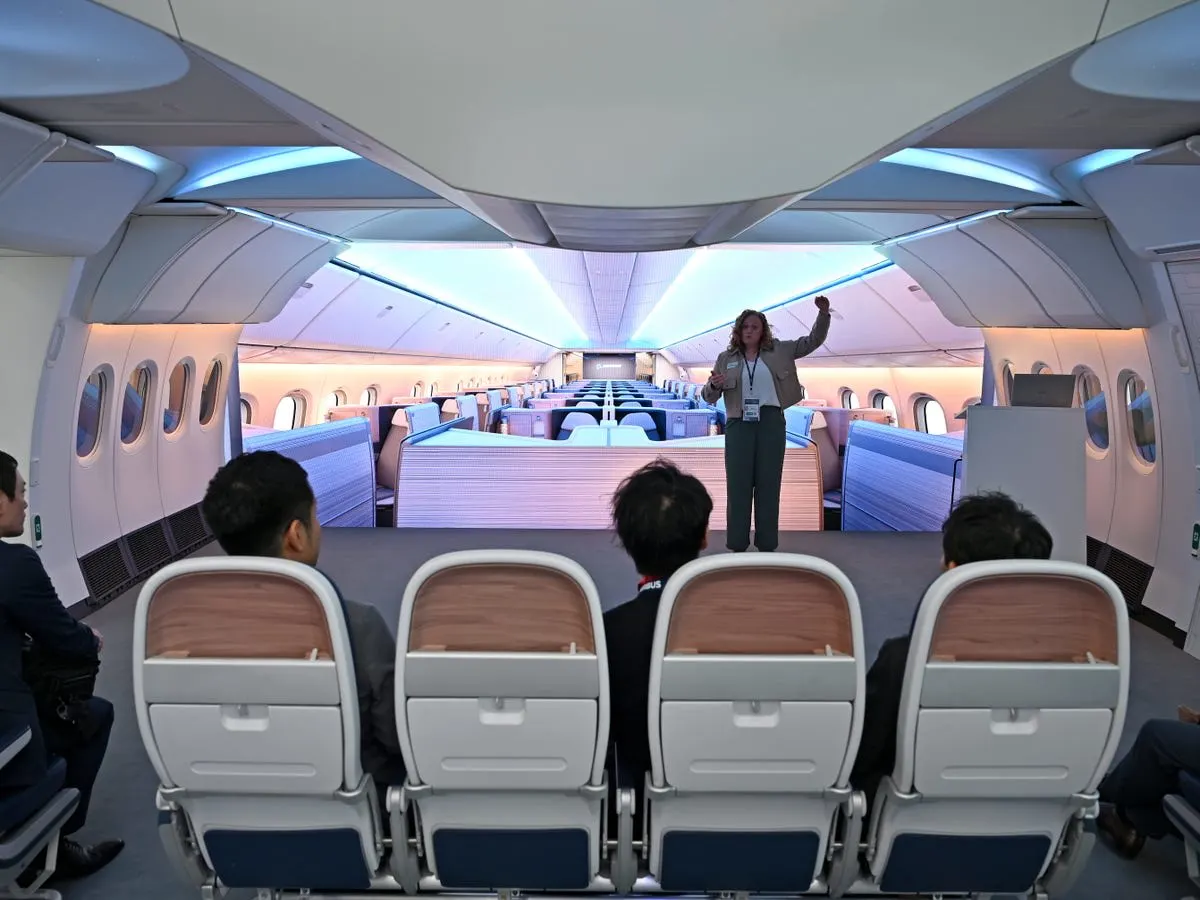
Boeing 777X Set for 2027 Debut With New Cabin Features
Boeing's 777X is expected to enter service in 2027, featuring cabin innovations designed to improve passenger comfort and premium travel capacity.
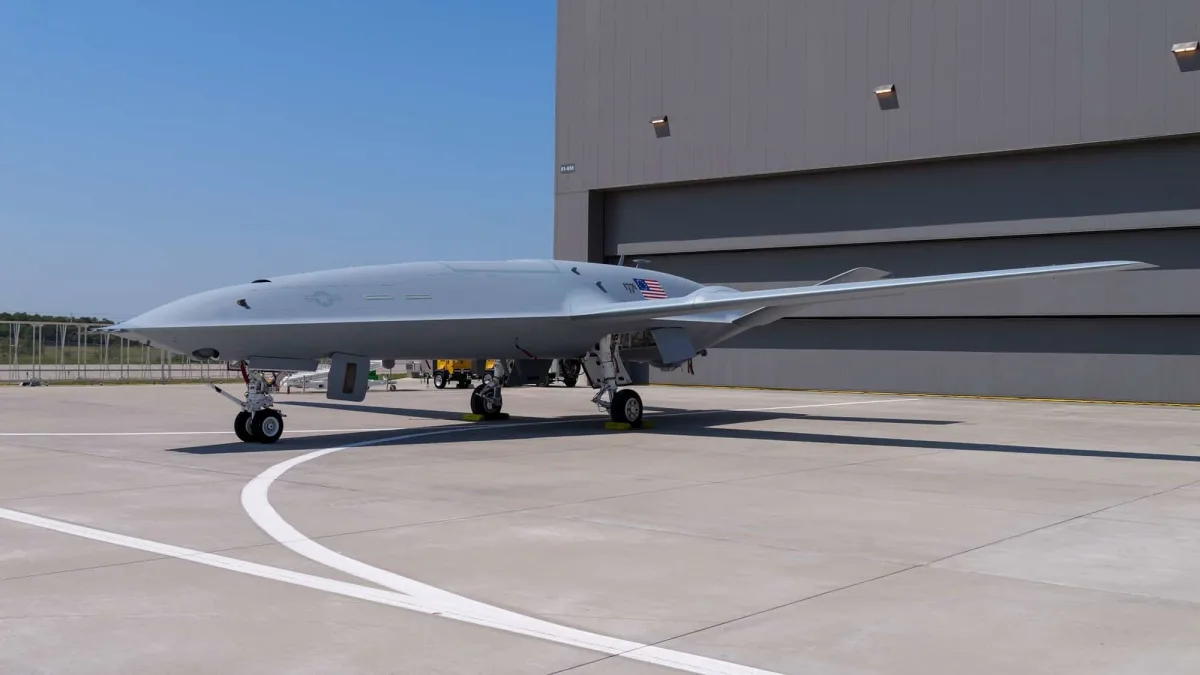
Boeing Awarded $562M Contract for MQ-25 Stingray Production
The U.S. Navy awarded Boeing a $562 million contract for the first three MQ-25 Stingray unmanned aerial refueling tankers, with deliveries expected in...

Boeing Logs 15 Gross Orders Including 13 787 Dreamliners
Boeing recorded 15 gross orders in August 2026, featuring 13 widebody 787 Dreamliner commitments from undisclosed customers.