GE9X Engine Durability Issue Delays 777X Certification

Co-Founder & CEOAviation News Editor delivering trusted coverage across the global aviation industry.
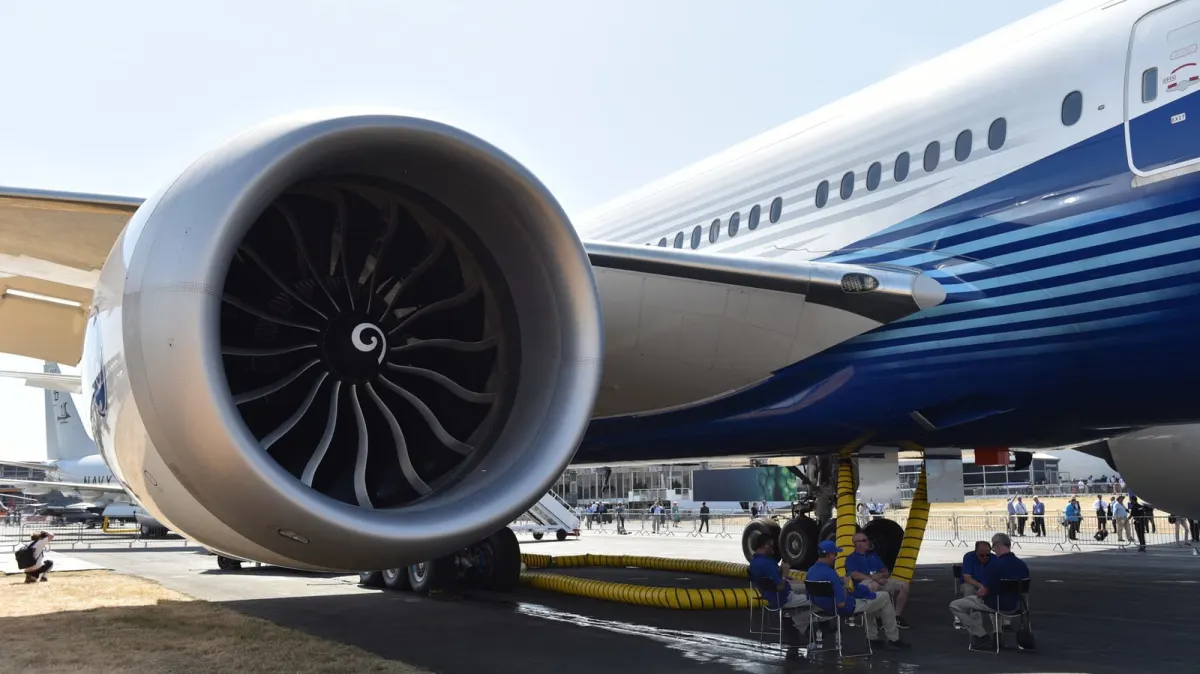
Boeing's 777X faces new certification delays due to a GE9X engine durability issue with an internal seal, though the 2027 delivery target holds.
Key Takeaways
- •GE9X engine mid-seal issue threatens 777X certification timeline.
- •Boeing maintains its 2027 first delivery target for Lufthansa.
- •The 777X program is already running six years behind schedule.
- •Emirates has expressed frustration over repeated Boeing delays.
A new GE9X engine durability issue is creating fresh uncertainty for the Boeing 777X certification delays, a program already running significantly behind schedule. According to a disclosure by Boeing CEO Kelly Ortberg, the General Electric 9X (GE9X) engine, the exclusive powerplant for the 777X, is experiencing premature wear on a General Electric mid seal. While Boeing maintains confidence that the problem will be resolved without impacting its current delivery timeline, the development adds another hurdle to one of the most-watched aircraft certification campaigns in recent history.
The operational impact of this latest setback extends beyond engineering teams at Boeing and GE Aerospace. For airlines, particularly launch customer Lufthansa and the aircraft's largest buyer, Emirates, the repeated delays have forced costly adjustments to fleet planning. The 777X program is now approximately six years behind its original schedule, a delay attributed to a series of technical challenges and a more stringent regulatory environment following previous Boeing crises. This new engine durability concern raises questions about the stability of the revised 2027 delivery target.
Background on the GE9X and 777X
The Boeing 777-9, the first variant of the 777X family, is a significant evolution of the legacy 777. According to Boeing's official specifications, the aircraft features a length of 251 feet 9 inches and an unfolded wingspan of 235 feet 5 inches, making it the longest passenger aircraft ever built. It is powered exclusively by the GE9X, which itself is a record-breaking piece of technology.
As detailed in GE Aerospace's official data, the GE9X holds the title for the world's largest commercial jet engine with a front fan diameter of 134 inches. It is certified by the Federal Aviation Administration (FAA) for 105,000 pounds of thrust but achieved a world record of 134,300 pounds during ground testing. The engine incorporates advanced materials like Ceramic Matrix Composites (CMC) in its hot section to improve thermal efficiency and durability, targeting a 10% improvement in Specific Fuel Consumption (SFC) over its predecessor.
While the engine itself received its standalone FAA Part 33 certification in September 2020, its integration and long-term performance on the 777-9 airframe are critical for the aircraft's overall Part 25 certification. The current mid-seal issue falls into this category of in-service durability challenges that must be resolved to the FAA's satisfaction.
A History of Hurdles
This is not the first technical challenge to affect the GE9X and the broader 777X program. A pattern of durability and performance issues has contributed to the program's protracted timeline:
- 2019 Stator Vane Issue: An early durability problem with high-pressure compressor components required a redesign, delaying the aircraft's first flight.
- 2022 Temperature Anomaly: Flight testing was temporarily suspended after a borescope inspection revealed an unexpected temperature reading within a GE9X engine.
- 2024 Thrust Link Failure: The test fleet was grounded for five months after a structural failure of a titanium engine mount, which required another redesign and validation process.
These historical precedents highlight a recurring theme of technical challenges that have sequentially pushed back the certification timeline. The current mid-seal issue is the latest in this series, fitting into a broader industry trend of durability challenges with new-generation, high-performance engines.
Boeing 777-9 vs Boeing 777-300ER
| Metric | Boeing 777-9 | Boeing 777-300ER |
|---|---|---|
| Wingspan (Extended) | 235 ft 5 in | 212 ft 7 in |
| Length | 251 ft 9 in | 242 ft 4 in |
| Engines | GE9X | GE90 |
GE9X vs GE90-115B (Predecessor)
| Metric | GE9X | GE90-115B |
|---|---|---|
| Fan Diameter | 134 inches | 128 inches |
| Bypass Ratio | 10:1 | 9:1 |
| Fan Blades | 16 composite blades | 22 composite blades |
Industry and Customer Response
The reaction to the latest delay has been mixed. During Boeing's Q4 2025 earnings call, CEO Kelly Ortberg acknowledged the GE9X mid-seal durability issue but stated he was confident it would be addressed without shifting the 2027 delivery target. However, this confidence is not universally shared by its key customers.
Emirates President Tim Clark has been publicly critical of the repeated setbacks. As the largest 777X customer, Emirates has had to invest in a costly retrofit program for its existing 777 fleet to bridge the capacity gap left by the 777-9's six-year delay. Clark has voiced frustration, suggesting Boeing does not have a firm grasp on when the technical issues will be fully resolved. For Lufthansa, the launch customer, any further delays could complicate its long-haul fleet renewal strategy.
Technical Analysis
The recurring durability issues with the GE9X engine are emblematic of a wider industry trend affecting the latest generation of high-bypass turbofans. Engines from all major manufacturers, designed to operate at higher pressures and temperatures for greater fuel efficiency, are encountering unforeseen wear and tear on critical components like seals, vanes, and blades. This phenomenon suggests that while computational modeling has accelerated design, predicting long-term material performance under extreme real-world conditions remains a significant engineering challenge.
Furthermore, the 777X program's delays reflect a new regulatory paradigm. In the wake of the 737 MAX crises, the FAA is exercising heightened scrutiny, requiring more extensive data and validation for both new designs and subsequent modifications. This prolonged certification timeline, while enhancing safety, puts immense financial and operational pressure on manufacturers and their airline customers, complicating the business case for next-generation widebody aircraft.
What Comes Next
The immediate focus for GE Aerospace is to engineer and validate a modification for the problematic mid-seal component. This solution must then be integrated into the 777-9 flight test program without causing a significant pause that would jeopardize the overall schedule.
According to Boeing, the key predictive milestones remain unchanged for now:
- FAA Part 25 Aircraft Type Certification: Expected in late 2026 to early 2027, pending resolution of all outstanding technical issues.
- First 777-9 Commercial Delivery: The first aircraft is expected to be delivered to Lufthansa in 2027.
These timelines are subject to FAA approval and hinge on the successful and timely resolution of the GE9X engine durability issue.
Why This Matters
This development is significant as it tests the resilience of the complex relationship between airframer and engine manufacturer on a flagship program. It highlights the immense technical hurdles in pushing the boundaries of propulsion efficiency and underscores the financial strain that prolonged certification timelines place on the entire aviation ecosystem. For airlines and passengers, these delays postpone the benefits of next-generation aircraft, including improved fuel efficiency and enhanced cabin comfort.
Frequently Asked Questions
- What is the specific problem with the GE9X engine?
- The GE9X engine is experiencing a durability issue with a mid-seal component. This is causing premature wear and threatens to further delay the Boeing 777X aircraft certification program.
- How far behind schedule is the Boeing 777X program?
- The Boeing 777X program is approximately six years behind its original schedule. The first commercial delivery to launch customer Lufthansa is now targeted for 2027, contingent on resolving all technical and regulatory hurdles.
- What makes the GE9X engine unique?
- The GE9X is the world's largest commercial jet engine, featuring a 134-inch front fan. It is designed to be 10% more fuel-efficient than its predecessor and utilizes advanced materials like Ceramic Matrix Composites (CMC) for improved heat resistance and durability.
omniflights.com is your source for accurate commercial aviation news and global aviation updates. Discover how innovation is shaping aviation through aircraft systems, avionics, and digital tools at omniflights.com/technology.

Written by Hardik Vishwakarma
Co-Founder & Aviation News Editor leading initiatives that improve trust and visibility across the global aviation industry. Covers airlines, airports, safety, and emerging technology.
Visit ProfileYou Might Also Like
Discover more aviation news based on similar topics

Boeing 777X Testing Spills Into 2027 Amid Certification Hurdles
Boeing expects some 777X testing to extend into 2027, though the manufacturer maintains its target for the first delivery of the aircraft that year.

Airbus A350F Completes Ground Tests Before Maiden Flight
Airbus has finished initial ground tests for the A350F, with the freighter set for a late 2026 maiden flight and a 2027 entry into service.

Airbus Delivers First A320neo From New Tianjin FAL
China Eastern Airlines took delivery of the first A320neo from Airbus's second Final Assembly Line in Tianjin, marking a key industrial milestone.

Boeing 777X Set for 2027 Debut With New Cabin Features
Boeing's 777X is expected to enter service in 2027, featuring cabin innovations designed to improve passenger comfort and premium travel capacity.
Boeing Awarded $562M Contract for MQ-25 Stingray Production
The U.S. Navy awarded Boeing a $562 million contract for the first three MQ-25 Stingray unmanned aerial refueling tankers, with deliveries expected in...

Boeing Logs 15 Gross Orders Including 13 787 Dreamliners
Boeing recorded 15 gross orders in August 2026, featuring 13 widebody 787 Dreamliner commitments from undisclosed customers.